


TL;DR:
- Most people brush less than one minute, but two-minute brushing is essential for dental health.
- Using the right tools like soft-bristled brushes and fluoride toothpaste ensures effective cleaning.
- Consistent routines, proper techniques, and regular dental visits prevent long-term oral health issues.
You’re rushing through a busy morning, helping kids get ready for school, and somewhere between breakfast and the door you squeeze in a quick brush. Sound familiar? Most people know they should brush for two full minutes, yet 90% fall short, averaging under one minute per session. The good news is that a fast, effective dental hygiene routine is absolutely achievable with the right tools and approach. This guide walks you through everything you need, from essential supplies to daily routines, common mistakes, and long-term health markers, so you can protect your smile without losing precious time.
Table of Contents
- What you need for great dental hygiene
- Step-by-step: Efficient daily dental hygiene routines
- Troubleshooting and common dental hygiene mistakes
- Long-term oral health: What to monitor and when to act
- Our take: What most guides miss about efficient dental hygiene
- Upgrade your dental hygiene routine with smart solutions
- Frequently asked questions
Key Takeaways
| Point | Details |
|---|---|
| Essentials matter most | Focus on a soft toothbrush, fluoride toothpaste, floss, and optional rinse for a solid routine. |
| Routine trumps duration | Short, thorough routines are more effective than rushed or skipped sessions. |
| Watch for warning signs | Bleeding gums or pain should trigger a prompt dentist visit. |
| Check-ups are non-negotiable | Seeing your dentist every six months ensures lasting oral health. |
| Modern tools boost results | Smart electric brushes and new products make efficient dental care easier for busy lives. |
What you need for great dental hygiene
Now that you’re ready to upgrade your hygiene routine, let’s start with what you’ll need. Great oral health does not require a cabinet full of products. It requires the right products, used consistently.
The non-negotiables:
- Soft-bristled toothbrush: The ADA recommends soft bristles and advises replacing your toothbrush every three months or after any illness. Hard bristles can damage enamel and irritate gums over time.
- ADA-approved fluoride toothpaste: Fluoride strengthens enamel and fights cavities. Look for the ADA Seal of Acceptance on the label.
- Dental floss or floss picks: Flossing removes plaque and food from between teeth where your brush simply cannot reach.
- Mouthrinse (optional but beneficial): A therapeutic rinse can reduce bacteria and freshen breath as a supplement to brushing.
Manual vs. electric toothbrush: which is better?
| Feature | Manual toothbrush | Electric toothbrush |
|---|---|---|
| Plaque removal | Good with proper technique | Clinically superior for most users |
| Ease of use | Requires correct motion | Does the motion for you |
| Cost | Very low | Higher upfront, lower long-term |
| Travel-friendly | Yes | Yes (with case) |
| Best for | Budget-conscious users | Busy adults, kids, braces wearers |
Beyond the basics, a tongue scraper removes odor-causing bacteria that brushing misses. If you or your child wears braces or has crowns, innovative dental products like interdental brushes make cleaning around hardware far more effective.
Pro Tip: Keep a spare toothbrush and travel-size toothpaste at work or in your bag. For kids, a fun character brush stored in their backpack encourages brushing after school lunch.
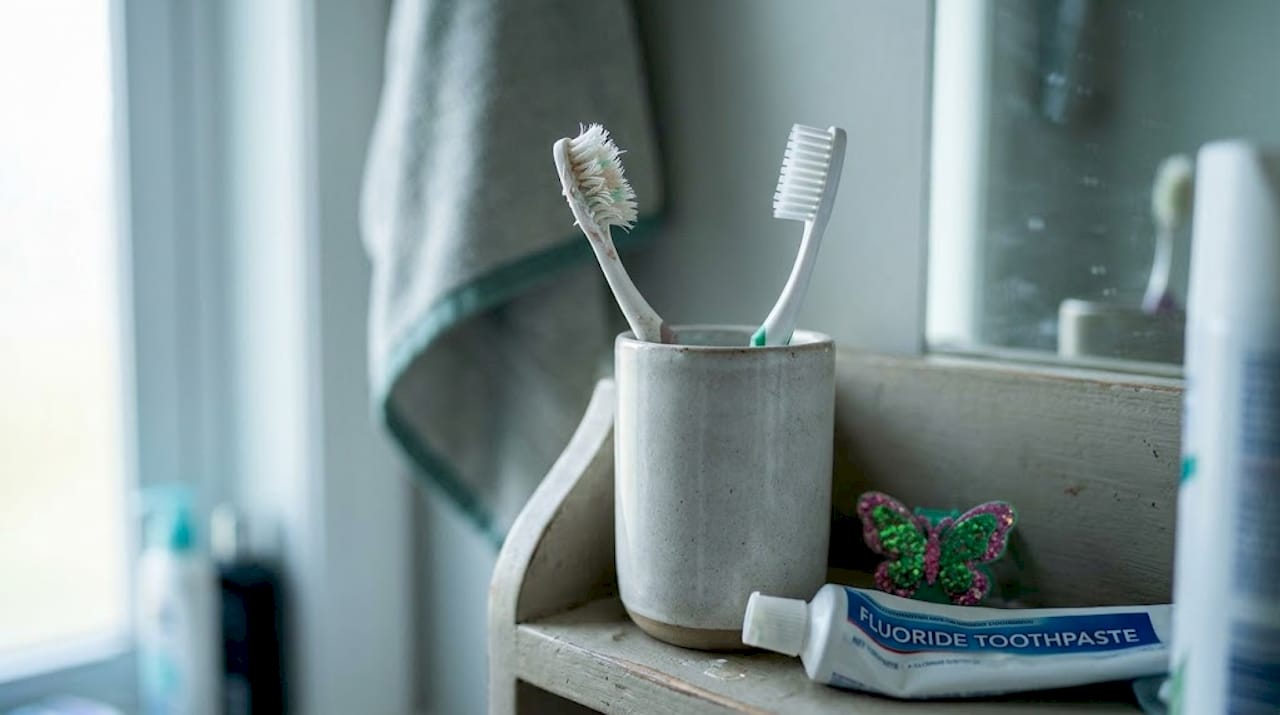
Knowing when to replace your toothbrush is just as important as having one. Frayed bristles lose up to 30% of their cleaning power, so do not wait until the brush looks worn out.
Step-by-step: Efficient daily dental hygiene routines
Once you’ve assembled your essentials, here’s exactly how to use them for maximum effect. Consistency matters more than perfection, so build a sequence you can realistically repeat every day.
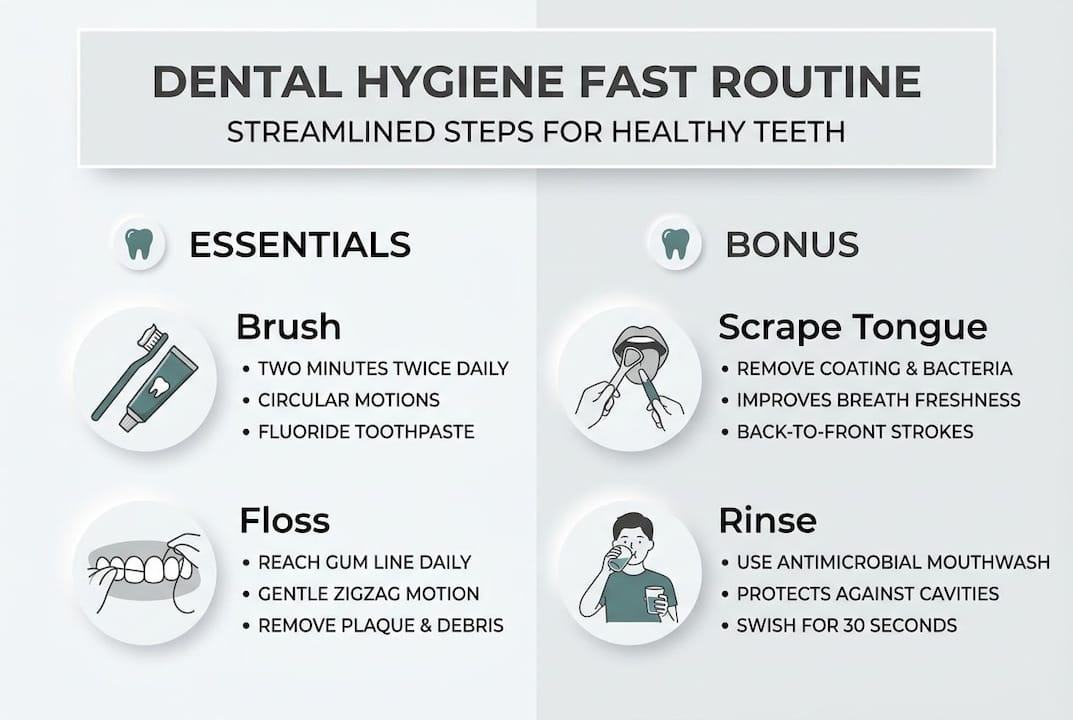
Morning quick routine (5 to 7 minutes):
- Rinse your mouth with water to loosen overnight bacteria.
- Brush for two full minutes using small circular motions, covering all surfaces. Angle the brush at 45 degrees toward the gum line.
- Spit, do not rinse, to let fluoride keep working.
- Use a tongue scraper from back to front two or three times.
- Swish with a therapeutic mouthrinse for 30 seconds if time allows.
Evening thorough routine (8 to 10 minutes):
- Floss first to dislodge food and plaque before brushing.
- Brush for two full minutes, paying extra attention to the back molars.
- Scrape your tongue.
- Rinse with a therapeutic mouthrinse. Mouthrinse reduces plaque and gingivitis when used as a supplement, not a replacement, for brushing and flossing.
For kids, parents should supervise brushing until age seven or eight. Use a pea-sized amount of fluoride toothpaste for children over three. Make it interactive with a two-minute song or a brushing app.
| Routine | Duration | Key steps |
|---|---|---|
| Adult morning | 5 to 7 min | Brush, tongue scrape, optional rinse |
| Adult evening | 8 to 10 min | Floss, brush, tongue scrape, rinse |
| Kids (ages 3 to 7) | 4 to 5 min | Parent-assisted brush, rinse |
| Kids (ages 8 to 12) | 5 to 7 min | Independent brush, floss, rinse |
Building daily oral care habits around existing anchors, like right after breakfast or before a bedtime story, makes the routine stick. And twice-yearly dental visits for professional cleanings and checkups remain essential no matter how good your home routine is.
Pro Tip: Create a routine for every age in your household. Posting a simple checklist in the bathroom keeps everyone accountable, kids included.
Troubleshooting and common dental hygiene mistakes
Even with a good routine, pitfalls are common. Here’s how to stay on track efficiently. Most mistakes are easy to correct once you know what to look for.
The most frequent errors people make:
- Brushing too hard: Aggressive scrubbing wears down enamel and pushes gums back. Use light pressure and let the bristles do the work.
- Brushing too quickly: Under 60 seconds is not enough. Two minutes is the clinical standard.
- Ignoring the gum line: Plaque accumulates right where teeth meet gums. Angling your brush at 45 degrees targets this zone directly.
- Skipping floss: Brushing alone misses roughly 35% of each tooth’s surface. Flossing is not optional.
- Rinsing immediately after brushing: Rinsing washes away fluoride before it can strengthen enamel. Wait at least 30 minutes.
Warning signs you should not ignore:
- Bleeding gums during brushing or flossing
- Persistent bad breath that does not resolve after brushing
- Tooth sensitivity to hot, cold, or sweet foods
- Visible white spots or dark areas on teeth
Bleeding gums are not normal. They are a common early sign of gingivitis. Bleeding gums signal gingivitis, and hard brushing can make it worse by eroding enamel. See your dentist promptly if this persists.
If you have braces, a retainer, or dental implants, your routine needs adjustment. Check out top tooth brushing tips tailored to these situations. And if your toothbrush is past its prime, toothbrush replacement tips for busy adults can help you stay on schedule without overthinking it.
Pro Tip: Set a quarterly reminder on your phone labeled “new toothbrush” so replacement never slips through the cracks.
Long-term oral health: What to monitor and when to act
Now that you know how to avoid mistakes, let’s focus on what to track and when to seek help for lasting oral health. A strong daily routine is your foundation, but monitoring your results over time is what keeps small issues from becoming expensive problems.
Key warning signs that need professional attention:
- Frequent new cavities despite regular brushing
- Gum inflammation, redness, or recession
- Persistent staining that does not respond to whitening toothpaste
- Jaw pain or clicking when chewing
- Dry mouth that has become chronic
Action checklist: When to call your dentist right away:
- A tooth becomes suddenly sensitive or painful.
- You notice a loose tooth or a significant change in your bite.
- A sore or white patch in your mouth does not heal within two weeks.
- Bleeding gums persist for more than a week despite gentle brushing.
- You experience swelling in your jaw or face.
The stakes go beyond your mouth. Poor oral hygiene links to serious systemic conditions including heart disease and diabetes. Plaque hardens into tartar in as little as 48 hours, making professional removal the only option once it forms.
Tracking progress can also be motivating, especially for families. Take a quick photo of your smile each month, note how often you complete your full routine, and celebrate streaks. A family oral care guide can help you build shared habits that make everyone’s checkups easier. For younger children, a dedicated kids brushing guide sets them up for a lifetime of healthy teeth.
Quick progress markers to celebrate:
- No bleeding gums after two weeks of consistent flossing
- Fresher breath noticed by morning
- Fewer cavities at your next checkup
- Kids brushing independently without reminders
Our take: What most guides miss about efficient dental hygiene
Beyond routines and red flags, it’s crucial to rethink what really works and why modern approaches matter. Most dental hygiene guides are built around an idealized version of daily life: plenty of time, motivated family members, and zero disruptions. That is not reality for most people.
Traditional advice creates unintentional barriers. Telling a parent of three to floss, brush for two minutes, scrape their tongue, and rinse every morning and night sounds reasonable in a clinical setting. In practice, it often leads to all-or-nothing thinking. Miss one step, and the whole routine feels like a failure.
The 2025 ADHA Standards represent a meaningful shift. They emphasize comprehensive assessment, social determinants of health, and evidence-based care that accounts for a person’s real circumstances. This means a sustainable, personalized routine beats a perfect routine that nobody follows.
Modern tools are closing the gap between what’s recommended and what’s achievable. Innovative brushes that reduce brushing time without sacrificing plaque removal, sustainable oral care products that simplify choices, and app-guided routines are not gimmicks. They are practical responses to real lifestyle demands. The most effective dental hygiene strategy is the one you will actually stick to, consistently, over years.
Upgrade your dental hygiene routine with smart solutions
If you’re ready to make dental hygiene faster and easier, consider these advanced options. At Y-Brush, we designed our tools specifically for people who want a clinically effective clean without rearranging their entire morning.
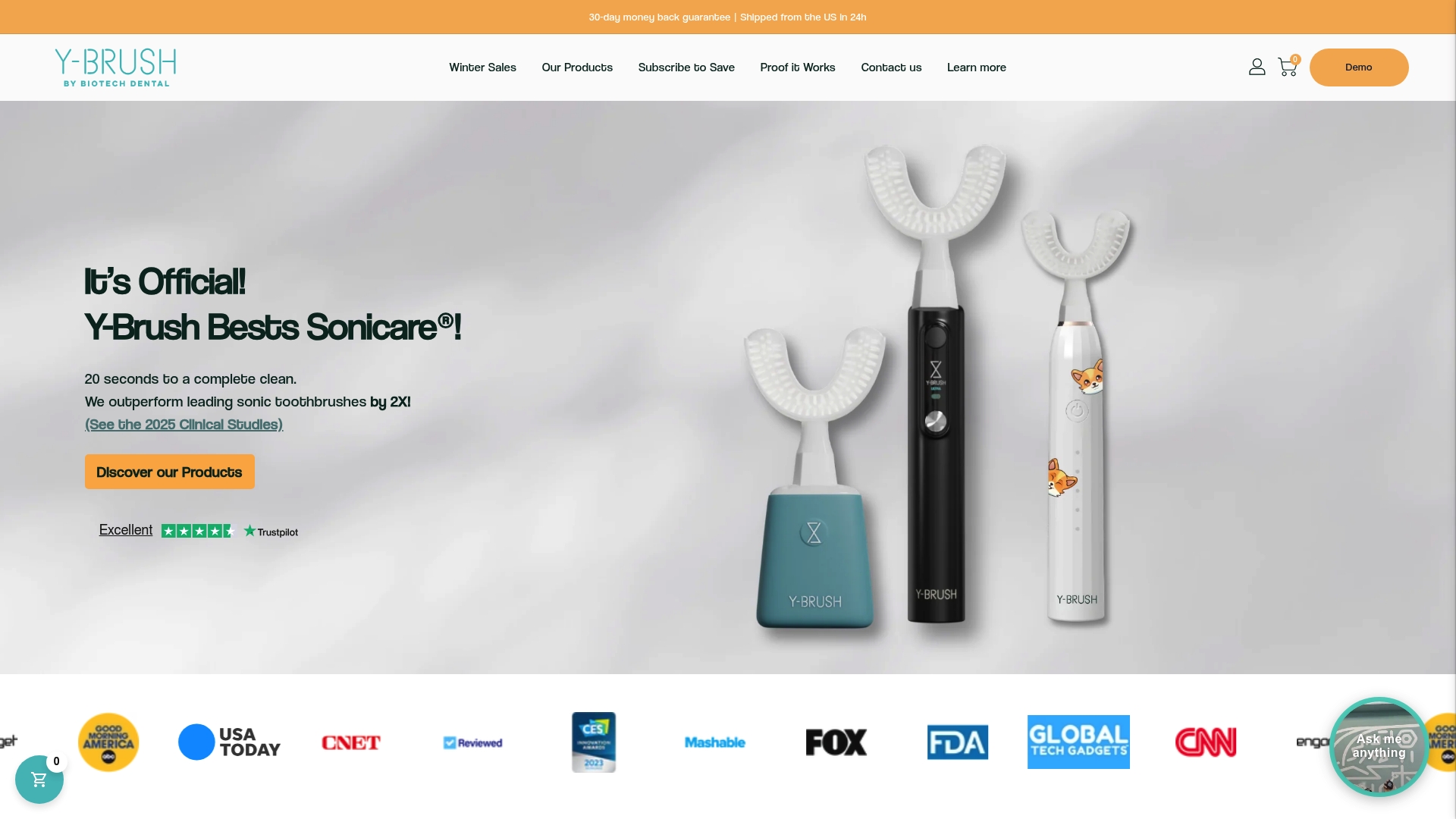
The Y-Brush Essential Sonic Toothbrush delivers a superior clean in just 20 seconds, covering all teeth simultaneously so you never have to choose between thoroughness and speed. For families, the Y-Brush KidsBrush makes brushing engaging and effective for children ages 4 to 12. Ready to see how much time you can reclaim? Brush smarter, not longer and discover the Y-Brush difference for your whole family.
Frequently asked questions
How often should I replace my toothbrush for optimal hygiene?
Replace your toothbrush every 3 months or sooner after illness, and always choose soft bristles to protect enamel and gums effectively.
Do I really need to visit the dentist twice a year?
Yes. Twice-yearly dental checkups provide professional cleanings that remove tartar buildup and allow early detection of cavities, gum disease, and other issues.
Is mouthrinse necessary for good oral hygiene?
Mouthrinse supplements brushing and flossing by reducing plaque and gingivitis, but it cannot replace either step in your daily routine.
What are signs I need to see a dentist immediately?
Bleeding gums, persistent pain, or rapid plaque buildup are red flags that warrant a prompt dental visit rather than a wait-and-see approach.


