


TL;DR:
- Early childhood cavities cause pain, missed school, and growth issues but are highly preventable.
- Consistent routines, proper tools, and engaging techniques help build lifelong oral hygiene habits.
- Regular dental visits and healthy diets significantly reduce the risk of tooth decay in children.
Tooth decay is the #1 chronic childhood disease, yet many parents assume baby teeth don’t matter much since they’ll fall out anyway. That assumption is costing kids dearly. Cavities in early childhood cause pain, missed school days, and eating difficulties that affect growth and confidence. The good news is that the right habits, started early and practiced consistently, can prevent most of this damage entirely. This guide gives you clear, evidence-based strategies for building strong dental hygiene routines with your children, covering everything from the first tooth to the first solo brush.
Table of Contents
- Why early dental hygiene matters
- Building the perfect kids’ brushing routine
- Making oral hygiene fun and motivating for kids
- Nutrition, checkups, and special situations
- The truth most parents miss about kids’ dental routines
- Simplify your child’s oral care journey with Y-Brush
- Frequently asked questions
Key Takeaways
| Point | Details |
|---|---|
| Start early and supervise | Begin brushing as soon as teeth appear and assist your child until age 7-8. |
| Twice-daily brushing routine | Brush your child’s teeth every morning and night using fluoride toothpaste appropriate for their age. |
| Make it enjoyable | Turn brushing into a fun, engaging daily ritual through songs, apps, and positive rewards. |
| Watch diet and checkups | Limit sugary foods and drinks and schedule regular dental visits starting by age 1. |
Why early dental hygiene matters
Baby teeth are not throwaway teeth. They hold space for permanent teeth, support speech development, and allow children to chew nutritious food properly. When they’re lost too early due to decay, the consequences ripple forward into adolescence and beyond.
The numbers make this urgent. 23% of children ages 2 to 5 already have cavities in their baby teeth. Tooth decay affects more children than asthma or diabetes, making it the single most common chronic disease in childhood. Children with untreated cavities miss more school, report more pain, and perform worse academically compared to peers with healthy teeth.
| Age group | Cavity prevalence | Key risk factor |
|---|---|---|
| Ages 2 to 5 | 23% | Early sugar exposure, no brushing |
| Ages 6 to 11 | ~52% | Inconsistent brushing, sugary snacks |
| Ages 12 to 19 | ~57% | Soda, sports drinks, poor technique |
Diet plays a massive role. Sugar-sweetened beverages are one of the strongest dietary predictors of early childhood caries. Juice, flavored milk, and sports drinks coat teeth in fermentable sugars that feed cavity-causing bacteria for up to 20 minutes after each sip.
“Dental disease in childhood doesn’t stay in childhood. Early cavities predict a higher lifetime burden of oral health problems, including more complex and costly treatments later.”
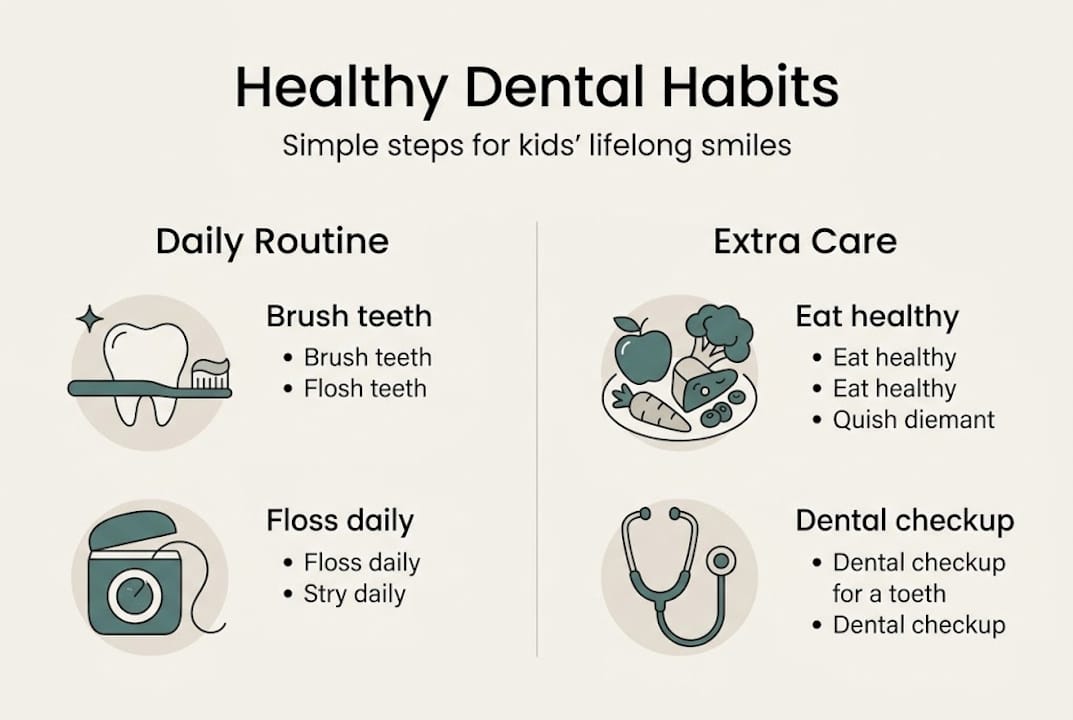
The encouraging reality is that cavities are almost entirely preventable. Consistent brushing, smart dietary choices, and regular dental visits form a protective shield around your child’s smile. For a deeper look at reducing childhood tooth decay, the science is clear and the steps are practical. Our kids brushing guide also walks through age-specific techniques that make a measurable difference.
With the seriousness clear, let’s examine what actually works for children’s dental routines.
Building the perfect kids’ brushing routine
A great brushing routine doesn’t happen by accident. It’s built step by step, adjusted for your child’s age, and reinforced every single day until it becomes as automatic as putting on shoes.
Choosing the right tools
Start with a soft-bristled, child-sized toothbrush that fits comfortably in small mouths. Replace it every three months or after illness. For toothpaste, fluoride safety research confirms that fluoride is both effective and safe when used in the correct amounts. Using fluoride toothpaste from the very first tooth gives your child’s enamel the best protection available.
| Age | Toothpaste amount | Fluoride level |
|---|---|---|
| Under 3 years | Rice-grain (smear) | 1000 ppm |
| 3 to 6 years | Pea-sized | 1000 to 1450 ppm |
| 6 years and up | Pea-sized | 1450 ppm |
Step-by-step morning and evening routine
- Wet the toothbrush and apply the correct toothpaste amount.
- Brush all outer surfaces of teeth using small circular motions.
- Brush all inner surfaces, tilting the brush for front teeth.
- Brush chewing surfaces with a gentle back-and-forth motion.
- Brush the tongue lightly to reduce bacteria.
- Spit out toothpaste. Children under 6 should not rinse with water, as residual fluoride continues to protect enamel.
Brush twice daily for 2 minutes each session, once in the morning and once before bed. Bedtime brushing is especially important because saliva flow decreases overnight, leaving teeth more vulnerable to acid attack.
Parents assist and supervise brushing until age 7 to 8 for best results. Young children lack the fine motor coordination to clean all tooth surfaces effectively on their own. Your hands on the brush, or at least your eyes on the process, make a real difference in plaque removal.
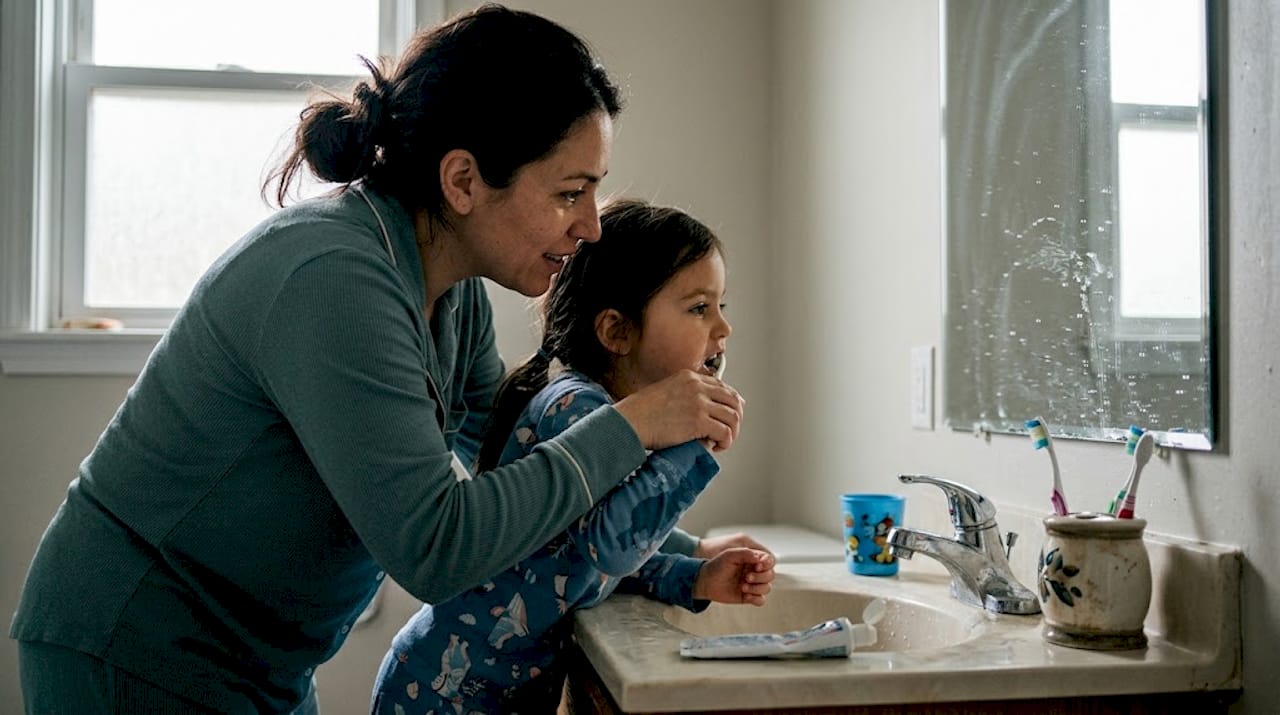
Pro Tip: Let your child brush first for 30 seconds to build independence and confidence, then you take over to finish the job thoroughly. This balance encourages ownership without sacrificing cleanliness.
Building effective oral care habits early means less resistance later. Children who brush with parental involvement from infancy tend to maintain the habit far more reliably through the teenage years.
Making oral hygiene fun and motivating for kids
Knowing the right technique is only half the battle. Getting a tired or distracted child to actually brush, every morning and every night, requires creativity and consistency.
Strategies that work
Engagement strategies like songs, apps, timers, rewards, and family brushing time are proven to increase compliance and make the routine something kids anticipate rather than avoid. Here are the most effective approaches:
- Play a two-minute song. Choose your child’s favorite song that runs about two minutes. Brush for the full song every time. Kids focus on the music instead of the clock.
- Use a brushing app. Several free apps feature animated characters that guide children through the brushing process with timers and rewards built in.
- Create a star chart. Each successful brush earns a star. A full week of stars earns a small, non-food reward like extra story time or a sticker.
- Brush as a family. When children see parents and siblings brushing, it normalizes the behavior. Family brushing time removes the sense that brushing is a chore imposed on kids alone.
- Let them choose their toothbrush. A brush featuring their favorite character or in their favorite color gives children a sense of ownership over the routine.
- Themed toothpaste flavors. Strawberry, bubblegum, and watermelon fluoride toothpastes make the experience genuinely enjoyable for young children.
Pro Tip: Rotate between two or three different engagement strategies across the week. Novelty keeps children interested far longer than repeating the same approach every day.
The power of parental modeling
Children are natural imitators. When you brush with enthusiasm and care, your child reads that signal and mirrors it. Studies consistently show that parental involvement significantly reduces caries risk in young children. Motivating kids to brush teeth is less about clever tricks and more about making the habit a visible, valued part of your family’s daily life.
For families looking to build efficient brushing routines that actually stick, the key insight is simple. Consistency over perfection, every single time.
Nutrition, checkups, and special situations
Brushing is essential, but it works best as part of a broader approach to your child’s oral health. What your child eats, how often they see a dentist, and whether they have specific health needs all shape their cavity risk.
Diet and cavity prevention
Dietary sugars are strongly linked to early cavities, and public health guidance now emphasizes reducing sugar intake from infancy. Practical steps include:
- Limit juice to 4 ounces per day for children under 4, and avoid it entirely for infants.
- Offer water and plain milk as the primary beverages.
- Reduce sticky, sugary snacks like gummies, fruit leather, and dried fruit that cling to tooth surfaces.
- Avoid putting children to bed with a bottle containing anything other than water.
- Serve sugary treats with meals rather than as standalone snacks to reduce the frequency of acid exposure.
Scheduled dental checkups
| Milestone | Recommended action |
|---|---|
| First tooth erupts | Schedule first dental visit |
| Age 1 | Dental home established |
| Every 6 months | Routine checkup and cleaning |
| Age 6 to 7 | Discuss sealants for molars |
Children should see a dentist by age 1 or within six months of the first tooth appearing. Early visits establish a dental home, build familiarity with the environment, and allow the dentist to catch problems before they become painful.
Children with special healthcare needs
Children with special health care needs require earlier establishment of a dental home, often between 6 and 12 months, and more frequent visits than the standard twice-yearly schedule. Adaptive tools, such as angled brushes, finger brushes, and electric toothbrushes with larger handles, can make brushing more manageable. Explore innovations in pediatric dental care for solutions designed with these children in mind.
Watch for warning signs including white spots near the gumline, tooth discoloration, sensitivity to cold or sweet foods, and any complaints of mouth pain. These are signals to contact your dentist promptly rather than waiting for the next scheduled visit.
The truth most parents miss about kids’ dental routines
Here’s something worth saying plainly: the most expensive toothbrush in the world won’t build a lifelong habit. What actually creates lasting oral health in children is the daily ritual itself, and the attitude parents bring to it.
Children don’t remember which toothbrush they used. They remember whether brushing felt like a battle or a normal, calm part of the evening. They absorb your energy around the routine. If you approach it with patience and consistency, they learn that oral care is simply what the family does, not a punishment or a negotiation.
Perfection is not the goal. Missing one night occasionally matters far less than the overall pattern of engagement. The parent who brushes with their child 350 nights a year with moderate technique achieves far better outcomes than the one who aims for flawless form but gives up after resistance. Building lifelong habits is about presence, repetition, and a willingness to experiment until you find what works for your specific child.
Don’t be afraid to change what isn’t working. Try a new song, a different toothbrush, or a new flavor. The routine that sticks is the one your child actually participates in.
Simplify your child’s oral care journey with Y-Brush
Building a consistent brushing routine is much easier when the tools make the process genuinely enjoyable for children. Y-Brush was designed with exactly that challenge in mind.
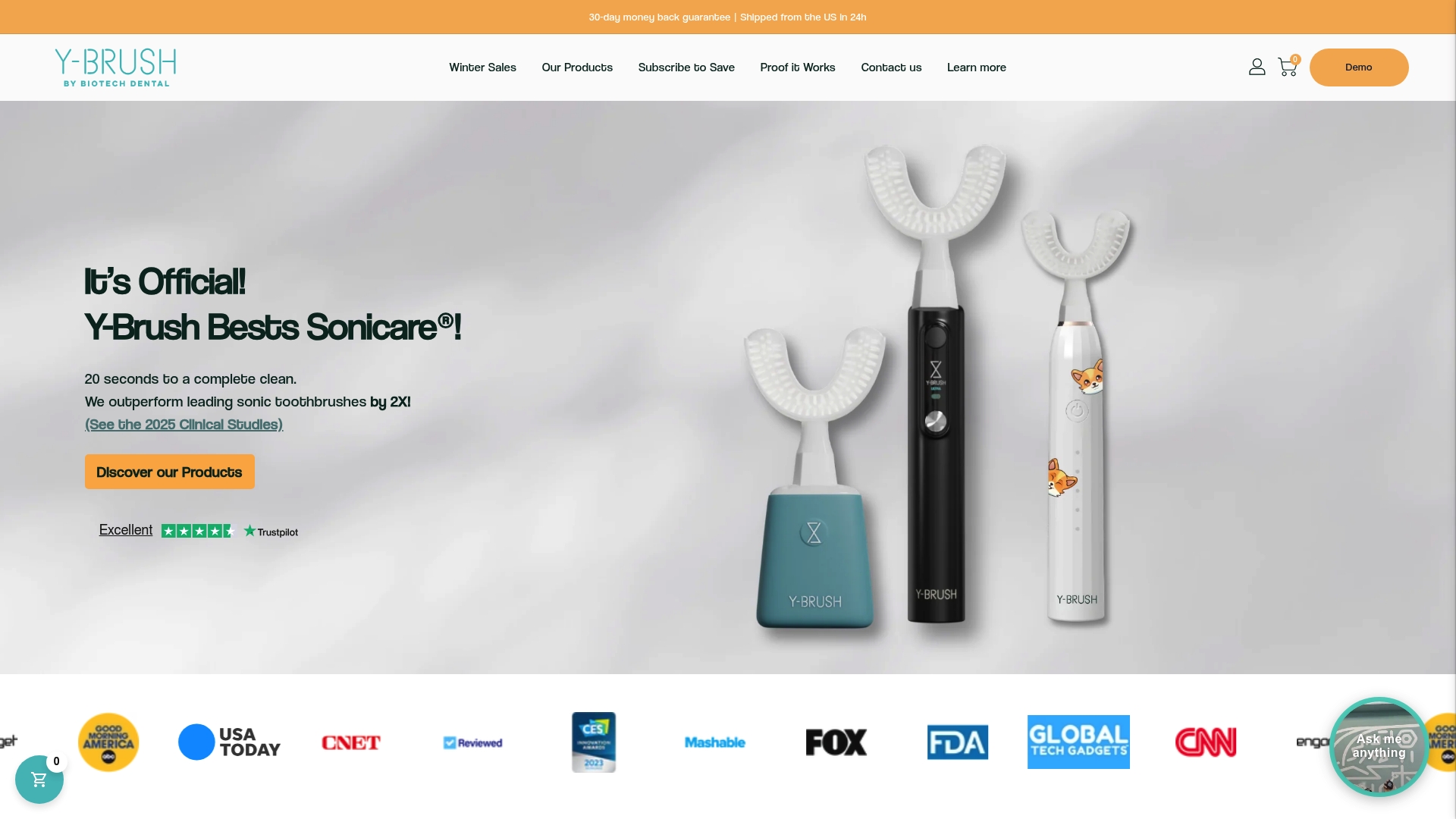
The KidsBrush Sonic Electric Toothbrush is built for children ages 4 to 12 and delivers a thorough clean in just 20 seconds, making it far easier to keep kids engaged for the full brushing session. No more battles over the two-minute timer. If you’re curious about where toothbrush technology is heading and how it can benefit your family, explore the future of toothbrushing and discover tools that fit seamlessly into real family life.
Frequently asked questions
When should my child start using fluoride toothpaste?
As soon as the first tooth comes in, use a rice-grain amount of fluoride toothpaste for children under age 3, then switch to a pea-sized amount between ages 3 and 6.
How long should I help my child brush their teeth?
Parents should assist or supervise brushing until their child is at least 7 to 8 years old, as young children lack the motor skills to clean all surfaces effectively on their own.
How often should my child visit the dentist?
Children should see a dentist by age 1 or within 6 months of the first tooth, then follow a regular schedule as advised. Children with special health care needs often require more frequent visits starting even earlier.
Does diet really affect cavities in children?
Yes. Dietary sugars strongly increase your child’s risk for tooth decay, with sugar-sweetened beverages being among the most significant contributors to early childhood caries.
How can I make brushing more fun for my child?
Songs, apps, timers, and rewards are proven engagement tools. Family brushing time and letting your child pick their own themed toothbrush also help kids look forward to the routine.
Recommended
- Smart guide to dental hygiene: fast, effective routines for all – Y-Brush USA
- Oral hygiene explained: Efficient routines for healthier smiles – Y-Brush USA
- Kids Brushing Guide: Achieve Superior Dental Health Fast – Y-Brush USA
- Oral care for busy lifestyles: Fast solutions for healthy smiles – Y-Brush USA
- Master childcare drop-off for smooth preschool transitions


