


Most Americans believe they are doing enough for their oral health. Brush quickly, maybe rinse, and move on. But the reality is more striking: bacteria in the mouth doubles every four to five hours, and poor oral hygiene has been linked to serious conditions like heart disease and diabetes. The gap between what people think they are doing and what actually protects their health is wider than most realize. This article breaks down the science of oral hygiene, builds a practical daily framework, and shows how even the busiest schedules can support a genuinely healthy mouth.
Table of Contents
- What is oral hygiene and why does it matter?
- Core components of effective oral hygiene
- Oral hygiene for busy lifestyles: Shortcuts and solutions
- Choosing your tools: Manual vs electric brushes and more
- Experience a cleaner mouth in 20 seconds with Y-Brush
- Frequently asked questions
Key Takeaways
| Point | Details |
|---|---|
| Consistency matters most | A regular oral hygiene routine is more impactful than occasional perfection. |
| Floss before you brush | Flossing first allows brushing to remove more debris and boost cleanliness. |
| Timing protects health | Nighttime cleaning is vital for stopping bacteria growth and maintaining both oral and body health. |
| Powered brushes save time | Electric toothbrushes help busy people clean more efficiently and thoroughly. |
| Mouthwash is a bonus | Fluoride rinses add extra protection but must be used after brushing and without rinsing away the benefits. |
What is oral hygiene and why does it matter?
Oral hygiene is the practice of keeping your mouth, teeth, and gums clean and free from disease. It is not just about fresh breath or a bright smile. It is a foundational health habit with real consequences when neglected.
The connection between oral and overall health is well established. Poor oral hygiene increases risk of heart disease and diabetes, two of the most prevalent chronic conditions in the United States. Bacteria from infected gums can enter the bloodstream and trigger inflammation throughout the body. That is a significant reason to take your daily routine seriously.
“Oral health is a window to your overall health. Conditions in your mouth can affect the rest of your body.”
The core goals of oral hygiene are straightforward:
- Remove plaque (the sticky film of bacteria that forms on teeth) before it hardens into tartar
- Prevent tooth decay and cavities
- Reduce the risk of gum disease, including gingivitis and periodontitis
- Support overall systemic health by limiting harmful bacteria
- Catch early warning signs, like bleeding gums, before they become serious problems
One often overlooked fact: up to 40% of interproximal issues (problems between teeth) can be prevented through consistent flossing. Brushing alone simply cannot reach those spaces. A solid oral hygiene checklist covers both brushing and interdental cleaning as non-negotiable daily steps. Following ADA toothbrush recommendations for brush type and technique also makes a measurable difference.
Core components of effective oral hygiene
Knowing why oral hygiene matters is only half the equation. The other half is knowing exactly what to do each day. A well-structured routine does not need to be complicated, but it does need to be consistent.
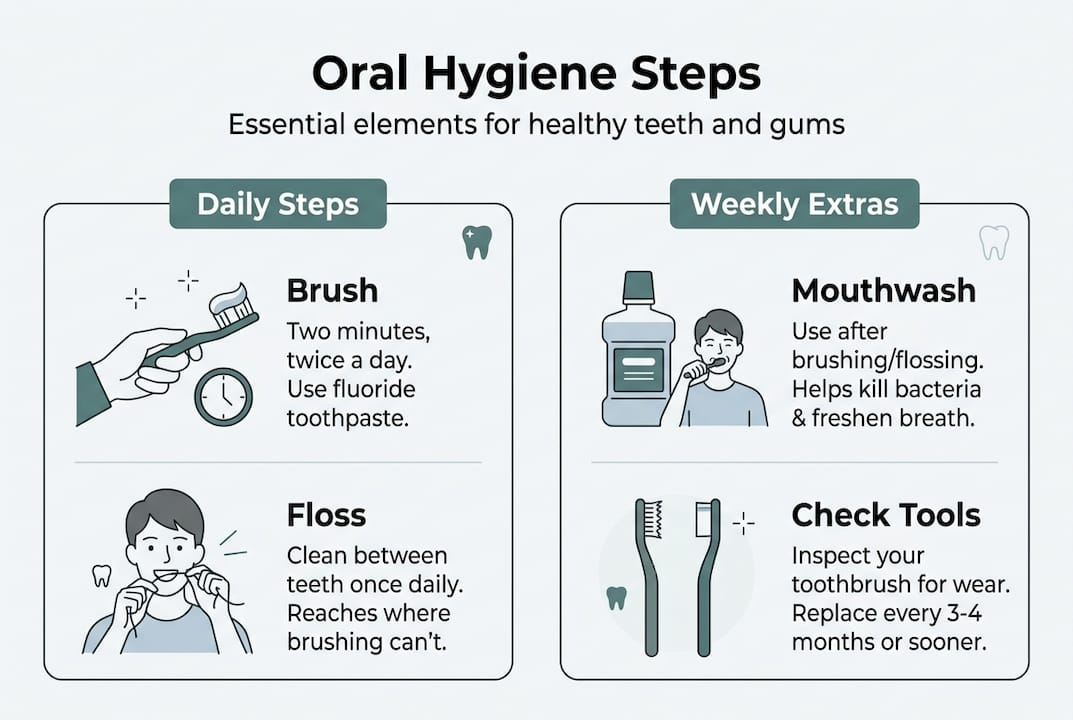
Here is a practical step-by-step framework:
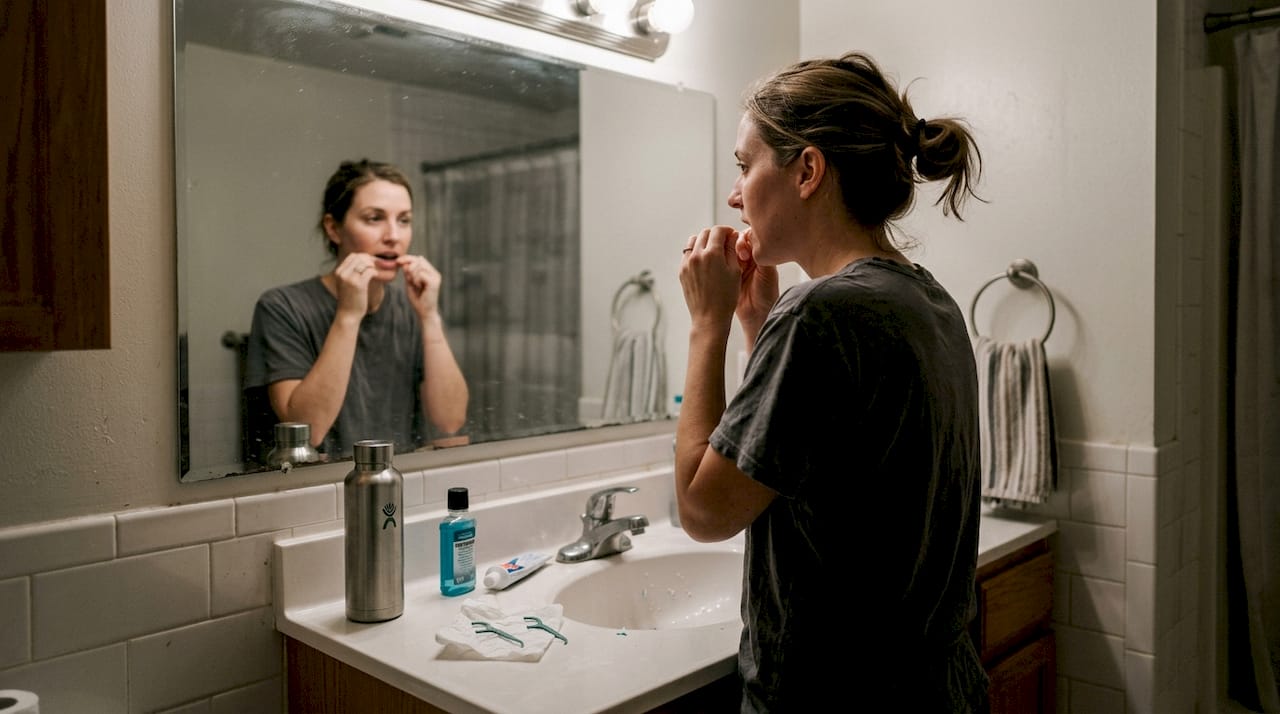
- Floss or use an interdental cleaner first. Daily interdental cleaning loosens food debris and plaque from between teeth before brushing sweeps it away.
- Brush for two full minutes. Cover all surfaces: outer, inner, and chewing surfaces of every tooth. Use a soft-bristled brush and gentle circular motions.
- Use fluoride toothpaste. Fluoride strengthens enamel and actively fights decay. It is a non-negotiable ingredient.
- Rinse with a fluoride mouthrinse. Use fluoride mouthrinse as an adjunct after brushing, and spit it out without rinsing with water afterward to maximize fluoride contact time.
- Clean your tongue. Bacteria accumulate on the tongue’s surface and contribute to bad breath and overall bacterial load.
Pro Tip: Flossing before brushing is more effective than flossing after. It loosens debris so your toothbrush and toothpaste can do a better job on the surfaces they reach.
Here is a quick reference for daily oral hygiene steps:
| Step | Tool | Time needed | Key benefit |
|---|---|---|---|
| Interdental cleaning | Floss, picks, or water flosser | 1 to 2 minutes | Removes plaque between teeth |
| Brushing | Soft-bristled brush | 2 minutes | Clears surface plaque and bacteria |
| Fluoride toothpaste | Any ADA-accepted brand | During brushing | Strengthens enamel |
| Mouthrinse | Fluoride rinse | 30 to 60 seconds | Boosts protection in hard-to-reach areas |
| Tongue cleaning | Brush or scraper | 30 seconds | Reduces bacteria and bad breath |
Multimodal hygiene research confirms that combining these steps produces significantly better outcomes than any single method alone. Building these oral care habits into a consistent daily schedule is what separates people who maintain healthy mouths from those who struggle with recurring dental issues. For households with children, a family oral care guide can help establish these habits early.
Oral hygiene for busy lifestyles: Shortcuts and solutions
The most common reason people skip or rush their oral hygiene routine is time. Life is fast, mornings are hectic, and evenings are exhausting. But the evidence is clear: a 3 to 6 minute routine that includes brushing and flossing fits into even the most demanding schedules and delivers real health benefits.
The key is working smarter, not longer. Here are the highest-impact strategies for busy people:
- Floss first, always. It takes 60 to 90 seconds and dramatically improves the effectiveness of brushing.
- Use a powered toothbrush. Electric and sonic brushes reduce the effort and technique required to clean effectively.
- Keep portable flossers or floss picks at your desk, in your bag, or in your car. Convenience removes the excuse.
- Use a mouthrinse on days when you are truly pressed for time. It is not a replacement, but it adds a layer of protection.
- Never skip your nighttime routine. Bacteria double in your mouth every few hours, and sleeping with a dirty mouth gives harmful bacteria hours of uninterrupted time to cause damage.
Pro Tip: Set a two-minute timer on your phone when brushing. Most people who think they brush for two minutes actually stop well under 90 seconds. The timer removes the guesswork.
Here is a comparison of routine approaches for different schedules:
| Routine type | Time required | Tools needed | Best for |
|---|---|---|---|
| Full routine | 5 to 6 minutes | Floss, brush, paste, rinse | Ideal daily standard |
| Streamlined routine | 3 to 4 minutes | Floss pick, powered brush, paste | Busy mornings |
| Minimal effective routine | 2 to 3 minutes | Powered brush, paste | Absolute time crunch |
| On-the-go maintenance | 1 to 2 minutes | Portable flosser, mouthrinse | Between meals or travel |
For more strategies tailored to packed schedules, explore these efficient oral care tips and dental hygiene essentials designed specifically for people who cannot afford to slow down.
Choosing your tools: Manual vs electric brushes and more
The tools you use matter. Not all toothbrushes, flosses, and rinses are created equal, and choosing the right ones can meaningfully improve your results without adding time to your routine.
Manual vs electric toothbrushes
Powered brushes are clinically superior for plaque removal compared to manual brushes. They oscillate or vibrate at speeds the human hand cannot replicate, which means more plaque removed with less effort. Manual brushes are still effective when used correctly, but they require better technique and more consistent timing.
For a detailed breakdown, the manual vs electric toothbrushes comparison covers the clinical evidence and practical trade-offs. If you prefer a manual option, the manual toothbrush guide walks through how to get the most out of it.
Key tool selection tips:
- Look for the ADA Seal of Acceptance on any brush, toothpaste, or rinse you buy. It signals that the product has been independently tested for safety and effectiveness.
- Replace your brush head every 3 to 4 months. Worn bristles reduce cleaning effectiveness and can harbor bacteria.
- Avoid brushing too hard. Aggressive brushing causes gum recession and enamel wear over time, two problems that are difficult and expensive to reverse.
- Choose interdental tools based on your gaps. Floss works well for tight spaces; interdental brushes are better for larger gaps between teeth.
| Tool | Best for | Effectiveness | Cost range |
|---|---|---|---|
| Manual toothbrush | General use, travel | Good with proper technique | Low |
| Electric toothbrush | Maximum plaque removal | Clinically superior | Medium to high |
| Dental floss | Tight spaces between teeth | High for contact areas | Low |
| Interdental brush | Larger gaps, braces | High for wider spaces | Low to medium |
| Water flosser | Sensitive gums, implants | Good as adjunct | Medium |
| Fluoride mouthrinse | Supplemental protection | Good as add-on | Low |
The right combination of tools does not need to be expensive or complicated. It just needs to be consistent and suited to your specific mouth.
Experience a cleaner mouth in 20 seconds with Y-Brush
Even with the best intentions, fitting a full oral hygiene routine into a busy day is a real challenge. That is exactly the problem Y-Brush was built to solve.
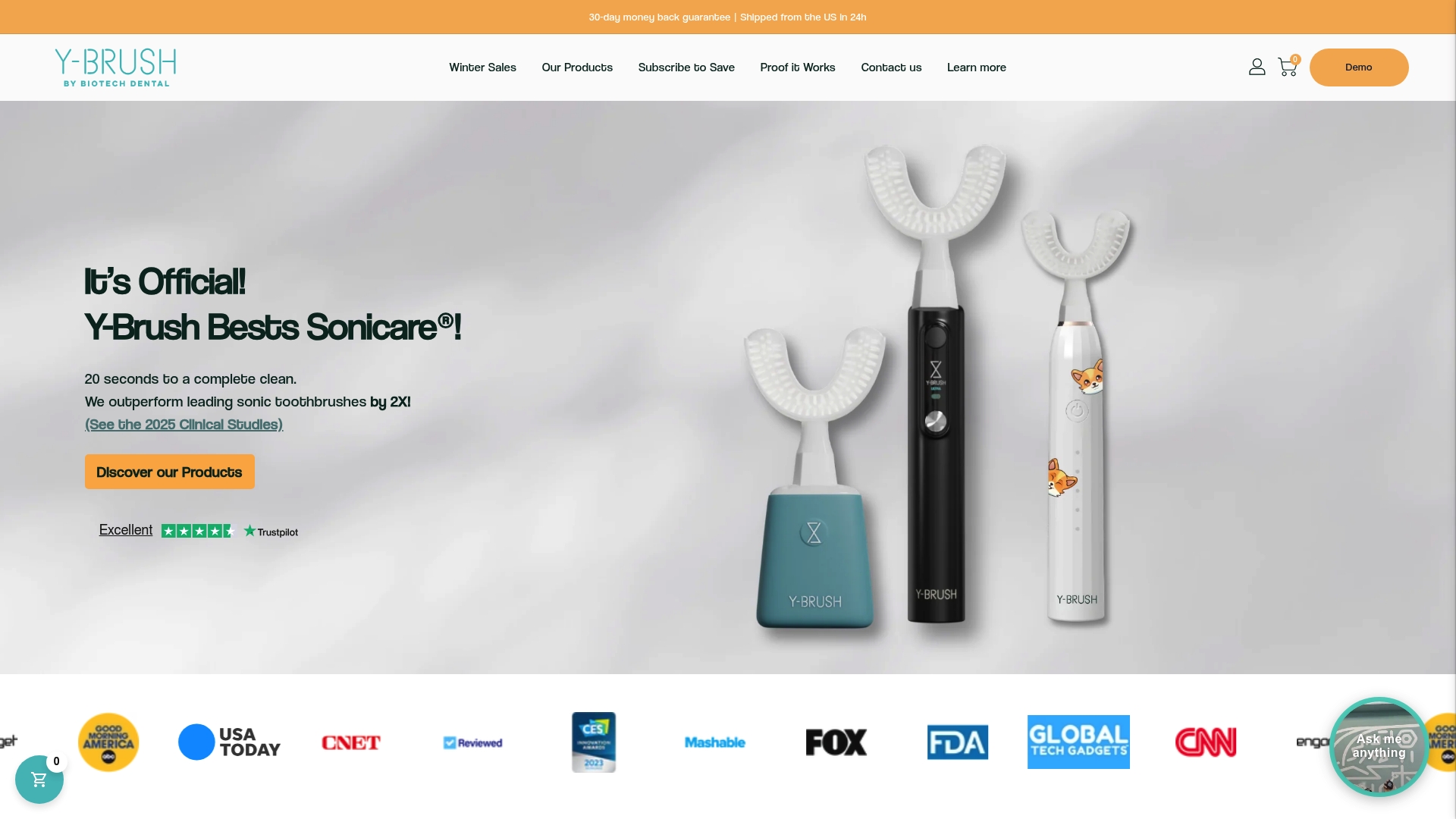
Y-Brush delivers a clinically effective clean in just 20 seconds, using a full-arch design that brushes all surfaces simultaneously. No more rushing through a two-minute routine or skipping brushing altogether because you are out of time. Whether it is a hectic morning or a late night, Y-Brush fits seamlessly into your life and gives you the confidence of a genuinely clean mouth every single day. Explore the Y-Brush collection and see how modern brushing technology can make your oral hygiene routine faster, easier, and more effective than ever before.
Frequently asked questions
What is the most important part of oral hygiene?
Daily brushing and interdental cleaning are the most foundational steps for preventing tooth decay and gum disease. Skipping either one consistently creates conditions where plaque and bacteria thrive.
How long should an oral hygiene routine take?
A complete routine takes about 3 to 6 minutes, including at least two minutes of brushing and one to two minutes of flossing or interdental cleaning. Modern tools like powered brushes can help you hit that standard more efficiently.
Is mouthwash really necessary?
Mouthwash is a helpful supplement, especially fluoride rinses, but it does not replace brushing or flossing. Use fluoride mouthrinse as an adjunct after brushing for added protection in areas your brush cannot fully reach.
What are signs I need professional dental help?
Bleeding gums, persistent bad breath, or tooth and gum pain are clear signals to see a dentist. Bleeding gums signal oral health problems that often require professional evaluation and treatment before they worsen.
Can busy lifestyles really support good oral hygiene?
Absolutely. 3 to 6 minute routines with modern tools like powered toothbrushes and portable flossers make it realistic for even the most time-pressed individuals to maintain strong oral health every day.
Recommended
- Oral Hygiene Checklist for Effortless Daily Clean – Y-Brush USA
- How to clean teeth in less time: efficient oral care – Y-Brush USA
- Master teeth cleaning methods for a healthier smile in 2026 – Y-Brush USA
- Effective oral care habits for better dental hygiene – Y-Brush USA
- Ghid complet întreținerea coroanei dentare București


