


Most people believe they brush their teeth well, yet research reveals the opposite. Studies show that dental hygiene practices are often subpar despite confidence in technique. The truth is, proper teeth cleaning requires more than routine brushing. It demands evidence-backed methods, correct technique, and consistent interdental care. This guide walks you through the most effective, time-efficient teeth cleaning methods supported by dental research. You’ll discover how to optimize your routine, choose the right tools, and achieve the healthier smile you deserve.
Table of Contents
- The Foundations Of Effective Teeth Cleaning
- Comparing Manual And Electric Toothbrushes: Which Cleans Best?
- Interdental Cleaning: Essential Yet Challenging For Effective Plaque Removal
- Tips For Mastering Effective And Time-Efficient Teeth Cleaning Routines
- Explore Y-Brush: Innovate Your Teeth Cleaning Routine
- Frequently Asked Questions
Key takeaways
| Point | Details |
|---|---|
| Brushing basics matter | Brush twice daily for two minutes using fluoride toothpaste and a soft-bristled brush at a 45-degree angle to maximize plaque removal. |
| Electric brushes offer advantages | Electric toothbrushes reduce plaque by 11-21% and gingivitis by 6-11% compared to manual brushes when used consistently. |
| Interdental cleaning is essential | Plaque accumulates between teeth where brushes can’t reach, requiring floss, interdental brushes, or water flossers for complete cleaning. |
| Technique trumps tools | The best toothbrush is the one you use correctly and consistently, whether manual or electric. |
| Replace brushes regularly | Change your toothbrush or brush head every 3-4 months to maintain effective cleaning and prevent bacterial buildup. |
The foundations of effective teeth cleaning
Effective teeth cleaning starts with mastering the fundamentals. The American Dental Association recommends brushing for two minutes twice daily with a soft-bristled toothbrush. This duration ensures thorough coverage of all tooth surfaces and adequate plaque disruption. Many people rush through brushing in under a minute, missing critical areas and leaving harmful bacteria behind.
Fluoride toothpaste plays a vital role in cavity prevention. Fluoride enhances remineralization and decreases caries risk significantly. The mineral strengthens enamel and reverses early decay. Choose a toothpaste with at least 1,000 ppm fluoride for adults and follow age-appropriate recommendations for children.
Technique matters as much as duration. The Bass method targets gumline plaque effectively by positioning bristles at a 45-degree angle against the gums. Use gentle back-and-forth strokes with short movements, focusing on two to three teeth at a time. This approach removes plaque from the sulcus where gums meet teeth, preventing gingivitis and periodontitis.
Here’s what effective brushing looks like:
- Position your brush at a 45-degree angle to the gumline
- Use gentle circular or back-and-forth motions
- Brush outer surfaces, inner surfaces, and chewing surfaces
- Don’t forget your tongue to remove bacteria and freshen breath
- Avoid aggressive scrubbing that can damage enamel and gums
Replace your toothbrush every three to four months. Frayed bristles lose effectiveness and harbor bacteria. If you’ve been sick, replace your brush immediately to avoid reinfection. Understanding brushing duration benefits helps you appreciate why two minutes isn’t arbitrary but scientifically validated.
After brushing, resist the urge to rinse with water. Spitting out excess toothpaste without rinsing allows fluoride to continue working on your teeth. This simple habit maximizes the protective benefits of your toothpaste. For comprehensive guidance on proper brushing technique, focus on consistency and coverage rather than pressure.
Pro Tip: Set a timer or play a two-minute song while brushing to ensure you meet the recommended duration without constantly checking the clock.
Comparing manual and electric toothbrushes: which cleans best?
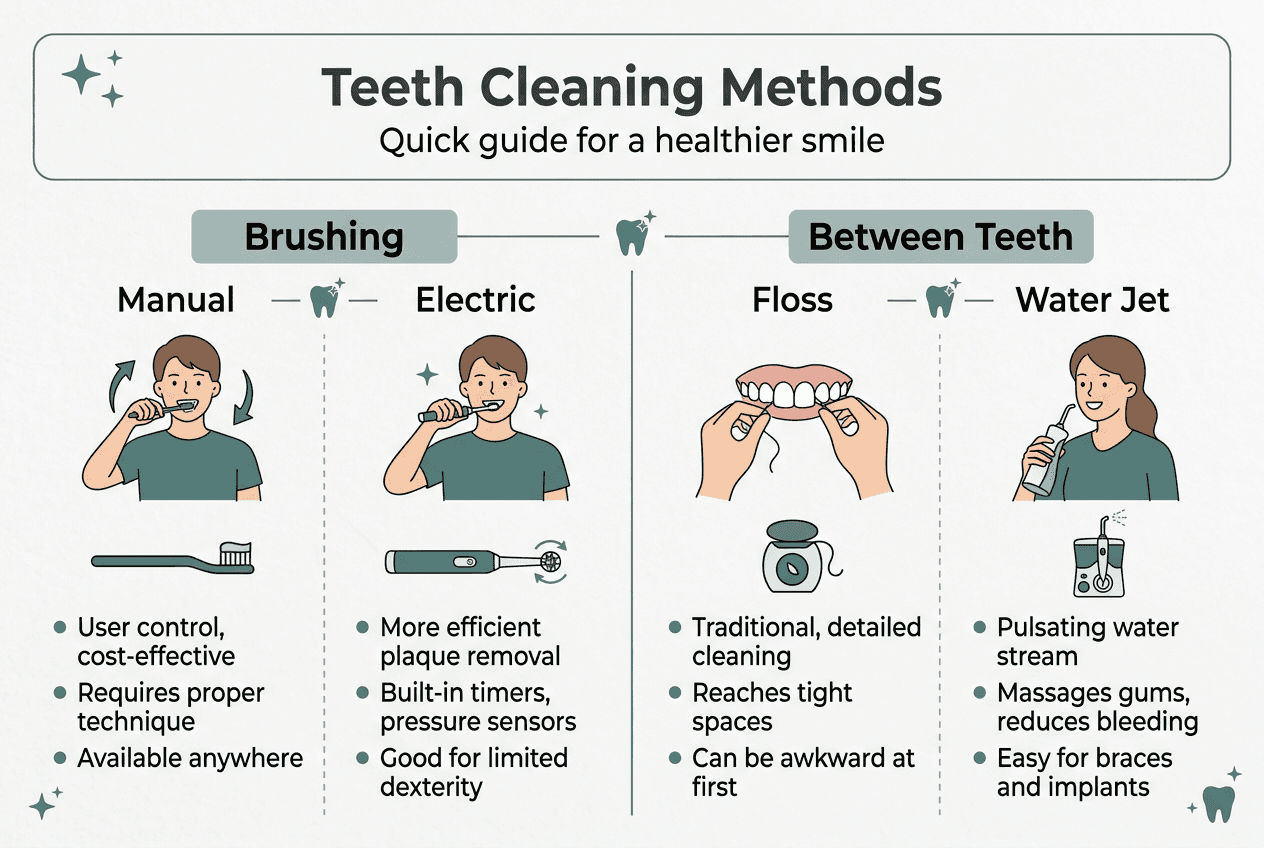
The manual versus electric toothbrush debate has a clear winner based on clinical evidence. Electric toothbrushes reduce plaque by 11-21% and gingivitis by 6-11% compared to manual brushing. These improvements compound over time, leading to better long-term oral health outcomes. The consistent motion and built-in timers help users maintain proper technique and duration.
Not all electric toothbrushes perform equally. Oscillating rotating models outperform sonic types in clinical studies, showing small but consistent advantages in plaque and gingivitis reduction. Oscillating brushes use a back-and-forth rotating motion that mimics optimal manual technique but with greater speed and consistency. Sonic toothbrushes vibrate at high frequencies, creating fluid dynamics that clean beyond bristle contact.
| Feature | Manual Toothbrush | Electric Toothbrush |
|---|---|---|
| Plaque removal | Effective with proper technique | 11-21% better reduction |
| Gingivitis reduction | Baseline effectiveness | 6-11% better outcomes |
| Technique assistance | Requires learned skill | Built-in timers and motion |
| Cost | Low upfront, frequent replacement | Higher initial, lower long-term |
| Portability | Highly portable | Requires charging, bulkier |
Manual brushing can nearly match electric effectiveness when done correctly. The challenge lies in maintaining consistent technique, adequate pressure, and full two-minute duration. Most people overestimate their manual brushing ability. Electric brushes compensate for human inconsistency by automating optimal motion patterns.
Consider these factors when choosing:
- Dexterity and mobility issues favor electric brushes
- Budget constraints may necessitate quality manual brushes
- Travel frequency affects practicality of electric models
- Personal preference and comfort influence daily compliance
- Orthodontic appliances or dental work may require specific brush types
The best toothbrush is the one you use correctly and consistently. If a manual brush helps you maintain perfect technique twice daily, it serves you well. If an electric brush motivates better habits and longer brushing sessions, the investment pays dividends. Understanding manual toothbrush fundamentals helps you evaluate whether upgrading makes sense.
Electric toothbrushes excel at helping users meet recommended guidelines. Built-in timers ensure two-minute sessions, while quadrant pacers prompt movement between mouth sections. These features address the common problem of inadequate brushing duration. For a deeper dive into electric versus manual effectiveness, consider your specific oral health needs and habits.
Pro Tip: If switching to an electric brush, start with sensitive mode and gradually increase intensity as your gums adapt to the new cleaning method.
Interdental cleaning: essential yet challenging for effective plaque removal
Brushing alone misses approximately 40% of tooth surfaces. The spaces between teeth harbor plaque that causes gingivitis and periodontitis when left undisturbed. These interdental areas create perfect environments for bacterial colonies to flourish, leading to inflammation, bleeding gums, and eventual bone loss. Interdental cleaning isn’t optional for comprehensive oral hygiene.
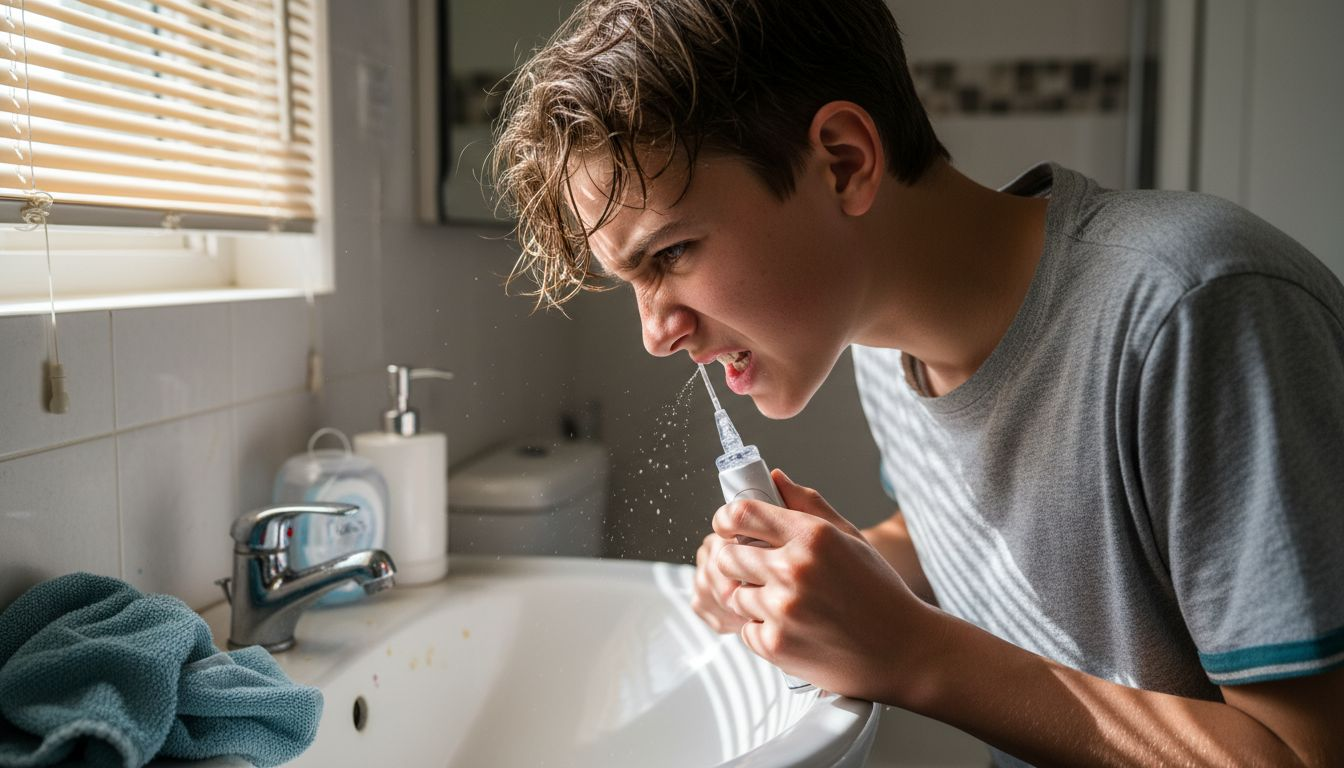
Multiple tools address interdental spaces effectively. Traditional dental floss remains the gold standard when used correctly, wrapping around each tooth in a C-shape and sliding beneath the gumline. Interdental brushes work well for larger spaces, using small bristled heads to scrub between teeth. Water flossers use pressurized water streams to dislodge debris and bacteria, offering an alternative for people with dexterity challenges or orthodontic appliances.
Recent research challenges assumptions about flossing effectiveness. Proper flossing technique improves skill but not necessarily plaque removal in clinical studies. This surprising finding suggests that flossing alone may not suffice for optimal interdental cleaning. Combining methods, such as flossing followed by interdental brushing or water flossing, may provide superior results.
Choosing the right interdental aid depends on several factors:
- Space size between teeth determines which tools fit comfortably
- Manual dexterity affects ability to manipulate floss or small brushes
- Presence of dental work like bridges or implants requires specific approaches
- Gum sensitivity influences pressure tolerance and tool selection
- Personal preference impacts daily compliance and consistency
Implement interdental cleaning with this systematic approach:
- Choose your primary interdental tool based on space size and comfort
- Clean between every tooth, including back molars often neglected
- Use gentle pressure to avoid gum damage while ensuring thorough cleaning
- Follow interdental cleaning with brushing to remove dislodged debris
- Perform interdental cleaning at least once daily, preferably before bedtime
Interdental brushes come in various sizes, color-coded for easy identification. Start with the smallest size that fits snugly without forcing. The brush should feel slight resistance but move freely through the space. Replace interdental brushes when bristles become worn or bent.
“Interdental cleaning devices should be selected based on individual interdental space dimensions and user preference to maximize compliance and effectiveness.”
Water flossers offer advantages for specific populations. People with braces, implants, or arthritis find them easier to use than traditional floss. The pulsating water stream massages gums while removing debris, promoting circulation and healing. However, water flossers may not remove adherent plaque as effectively as mechanical tools.
Understanding post-brushing care enhances overall oral hygiene effectiveness. For a comprehensive approach, consult the daily oral hygiene checklist to ensure you’re addressing all critical areas.
Tips for mastering effective and time-efficient teeth cleaning routines
Building an effective oral hygiene routine requires strategic habits and practical implementation. These expert-backed tips help you maximize cleaning effectiveness while respecting your time constraints. Small adjustments compound into significant improvements in oral health outcomes.
Follow this systematic approach for optimal daily cleaning:
- Brush first thing in the morning before breakfast to remove overnight bacterial buildup
- Wait 30 minutes after eating acidic foods before brushing to protect softened enamel
- Use interdental cleaning tools once daily, preferably before bedtime brushing
- Brush again before bed for two full minutes, focusing on thorough coverage
- Spit out toothpaste without rinsing to maximize fluoride contact time
- Store your toothbrush upright in open air to dry completely between uses
Toothbrush maintenance directly impacts cleaning effectiveness. Replace your brush every 3-4 months or when bristles show wear. Frayed bristles can’t adequately remove plaque and may damage gum tissue. Mark your calendar or set phone reminders to maintain this schedule consistently.
Electric toothbrush features enhance routine compliance. Timers and quadrant pacers help users follow the rule of twos: two minutes, twice daily. These built-in tools remove guesswork and ensure adequate time on each mouth section. Pressure sensors prevent aggressive brushing that damages enamel and gums.
Children require supervision and guidance to develop proper technique. Brush your child’s teeth until they demonstrate consistent skill, typically around age 7 or 8. Make brushing engaging through songs, timers, or reward systems. Establishing strong habits early prevents cavities and sets the foundation for lifelong oral health.
Common mistakes undermine cleaning effectiveness:
- Brushing immediately after consuming acidic foods or drinks
- Using hard-bristled brushes that damage enamel and gums
- Applying excessive pressure that causes gum recession
- Neglecting tongue cleaning where bacteria accumulate
- Rushing through brushing without meeting two-minute minimum
- Storing wet toothbrushes in closed containers that promote bacterial growth
Optimize your routine by organizing supplies for easy access. Keep toothbrush, toothpaste, and interdental tools visible on the counter rather than hidden in drawers. This simple change removes barriers to consistent compliance. Consider keeping travel-sized supplies at work for midday refreshing.
Learn to avoid common brushing mistakes that compromise effectiveness. For families with young children, explore pediatric dental care innovations that make oral hygiene engaging and effective.
Pro Tip: Brush before breakfast rather than after to protect enamel from acid erosion and remove the bacterial film that accumulated overnight on tooth surfaces.
Explore Y-Brush: innovate your teeth cleaning routine
Implementing evidence-based teeth cleaning methods becomes easier with the right tools. Y-Brush offers innovative sonic toothbrush solutions designed for busy lives without compromising oral health. Our technology supports the recommended two-minute brushing duration while delivering superior plaque removal through high-frequency sonic vibrations.
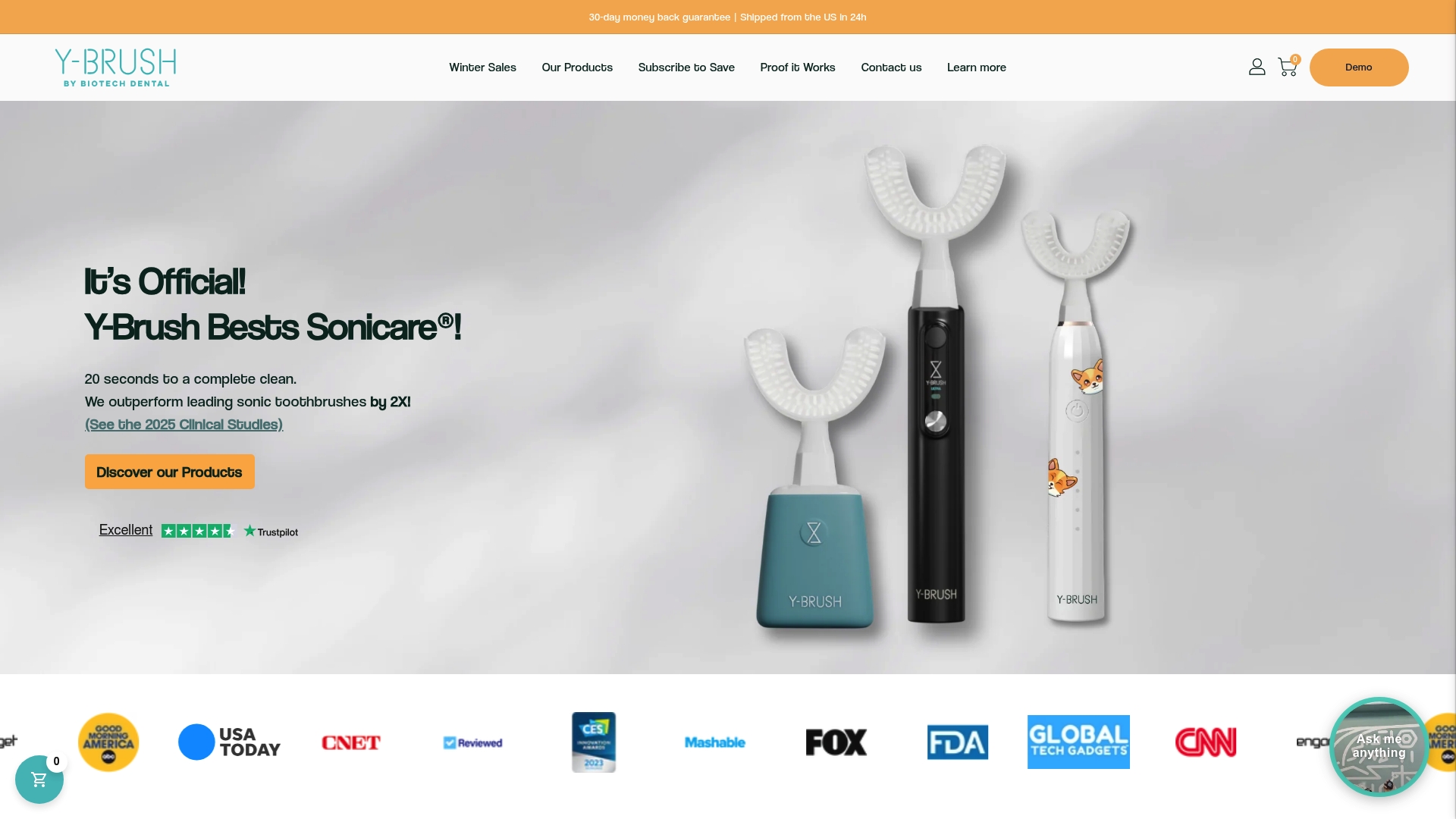
The Y-Brush Essential Sonic Toothbrush combines effectiveness with efficiency, featuring multiple cleaning modes and a built-in timer. For families, the Y-Brush KidsBrush makes establishing healthy habits engaging for children aged 4-12. These tools align with dental association guidelines while fitting seamlessly into your daily routine. Discover how to brush smarter, not longer with Y-Brush technology.
Frequently asked questions
What is the best technique for brushing teeth effectively?
Use the Bass method by placing bristles at a 45-degree angle to your gumline and making gentle back-and-forth strokes. Brush for two minutes twice daily, covering all tooth surfaces including outer, inner, and chewing surfaces. Focus on the gumline where plaque accumulates most. Learn more about proper brushing technique for comprehensive guidance.
Do electric toothbrushes significantly improve oral hygiene compared to manual brushing?
Electric toothbrushes provide 10-21% better plaque reduction and 6-11% better gingivitis reduction on average. However, effectiveness depends on consistent use, proper technique, and specific features like timers and pressure sensors. A well-used manual brush can nearly match electric results, but most people achieve better outcomes with electric models. Explore electric toothbrush benefits to understand the differences.
How often should I replace my toothbrush or brush head for optimal cleaning?
Replace your toothbrush or electric brush head every three to four months, or sooner if bristles become frayed or discolored. Worn bristles lose cleaning effectiveness and can harbor harmful bacteria. After illness, replace your brush immediately to prevent reinfection. Regular replacement ensures optimal plaque removal and maintains gum health. Check toothbrush replacement guidance for additional tips.
What interdental cleaning methods are recommended besides flossing?
Interdental brushes and water flossers serve as effective alternatives or complements to traditional dental floss. Interdental brushes work well for larger spaces between teeth, while water flossers benefit people with braces, implants, or dexterity challenges. Your choice should depend on space size, personal comfort, and consistency of use. Review interdental cleaning methods for a complete approach to oral hygiene.


