


You’ve heard brushing after meals protects your teeth, but did you know brushing at the wrong time can actually harm your enamel? Many busy adults rush to brush immediately after eating, unaware that acidic foods temporarily soften tooth surfaces. This guide reveals the science-backed timing strategies that prevent cavities and enamel damage while fitting into your hectic schedule, so you can maintain optimal oral health without sacrificing precious minutes.
Table of Contents
- Understanding The Acidic Challenge After Meals
- Optimal Timing For Post-Meal Brushing
- Common Misconceptions About Brushing After Meals
- How Brushing After Meals Controls Bacteria And Prevents Decay
- Fast And Effective Brushing Solutions For Busy Adults
- Practical Tips To Incorporate Brushing Into Your Daily Routine
- Discover Fast, Effective Brushing With Y-Brush
- Frequently Asked Questions
Key takeaways
| Point | Details |
|---|---|
| Acid attack timing | Mouth pH drops below 5.5 for 20-30 minutes after meals, creating an acidic environment that erodes enamel. |
| Optimal brushing window | Wait 20-30 minutes after acidic foods, but brush within 60 minutes to remove plaque before it hardens. |
| Cavity reduction | Consistent post-meal brushing reduces new cavity formation by approximately 30-50%. |
| Efficiency matters | Fast tools like Y-Brush enable thorough cleaning in 20 seconds, making post-meal brushing sustainable for busy schedules. |
| Strategic timing | Prioritize brushing after sugary or acidic meals and snacks for maximum protection. |
Understanding the acidic challenge after meals
Every time you eat, your mouth becomes a battleground. Food particles and sugars trigger bacteria to produce acids that attack your tooth enamel. Within minutes, your mouth pH drops below 5.5 for 20-30 minutes after meals, crossing the critical threshold where enamel begins to soften and demineralize.
This acid attack doesn’t end when you swallow your last bite. For the next half hour, your enamel remains vulnerable to erosion as acids continue their assault. During this window, your teeth are in a weakened state, making them susceptible to damage from aggressive brushing or abrasive toothpaste.
Meanwhile, bacteria waste no time colonizing your teeth. Plaque formation begins within 20 minutes after food intake, accelerating tooth decay risk as these microorganisms form sticky biofilms. These communities of bacteria produce even more acid as they metabolize leftover sugars and starches, creating a vicious cycle of enamel destruction.
The speed of dental plaque formation and removal matters enormously. Left undisturbed, plaque hardens into tartar within 24 to 72 hours, requiring professional dental cleaning to remove. Understanding this timeline helps you intervene at the right moment to disrupt bacterial colonies before they establish permanent residence.
Pro Tip: Keep a timer on your phone set for 30 minutes after acidic meals like citrus fruits, tomatoes, or soda. This simple habit protects your enamel while ensuring you don’t forget to brush.
- Acidic foods lower mouth pH for 20 to 30 minutes
- Softened enamel during acid attacks is vulnerable to abrasion
- Bacteria begin forming plaque within 20 minutes of eating
- Saliva naturally neutralizes acids but needs time to work
Optimal timing for post-meal brushing
Timing is everything when it comes to protecting your teeth after eating. Brushing immediately after acidic meals can harm softened enamel; waiting 30 minutes is recommended by dental experts. This brief pause allows your saliva to perform its natural protective function, neutralizing acids and beginning the remineralization process.
Your saliva contains calcium and phosphate ions that help repair early enamel damage. By waiting, you give these minerals time to rebuild weakened tooth surfaces before introducing the mechanical action of brushing. This balance between acid neutralization and bacterial control is the sweet spot for oral health.
Once the 30-minute mark passes, you enter the ideal brushing window. Removing plaque and food debris within 30 to 60 minutes after meals prevents bacteria from multiplying exponentially. The longer you wait beyond this window, the more established bacterial colonies become, making them harder to disrupt.

Different foods require different strategies. After consuming water, vegetables, or lean proteins with minimal acidity, you can brush sooner. However, citrus fruits, wine, sports drinks, and vinegar-based foods demand the full 30-minute waiting period. Understanding these distinctions helps you customize your routine based on what you’ve eaten.
Pro Tip: If you can’t wait 30 minutes, rinse your mouth vigorously with plain water immediately after eating. This simple action dilutes acids and washes away food particles without the abrasive risk of brushing.
- Wait 20 to 30 minutes after acidic or sugary foods
- Brush within 30 to 60 minutes for optimal plaque removal
- Rinse with water immediately if you can’t wait to brush
- Follow daily oral hygiene best practices for comprehensive protection
Common misconceptions about brushing after meals
Many people believe brushing immediately after every meal demonstrates superior dental hygiene. In reality, this zealous approach can backfire when your mouth is still acidic. Brushing immediately after acidic foods increases enamel abrasion risk; waiting 30 minutes is better for long-term tooth health.
Another widespread myth suggests that brushing after every single meal, regardless of what you ate, is equally critical. The truth is more nuanced. Post-meal brushing provides the most benefit after consuming sugary snacks, acidic beverages, or sticky carbohydrates that cling to teeth. A meal of plain grilled chicken and steamed vegetables poses far less threat than a dessert loaded with refined sugar.
Some busy adults convince themselves that brushing twice daily is sufficient, making post-meal brushing unnecessary. While morning and evening brushing form the foundation of oral hygiene, adding strategic mid-day brushing after high-risk meals significantly enhances protection. Research consistently shows that fast brushing benefits for busy adults improve outcomes when timed correctly.
The misconception that more brushing always equals better results ignores the quality and timing factors. Brushing six times daily at random intervals with poor technique accomplishes less than three well-timed sessions using proper methods. Your teeth need consistent, strategic care rather than excessive, poorly planned attention.
- Immediate brushing after acidic meals damages softened enamel
- Not all meals require the same brushing urgency
- Twice-daily brushing alone may not prevent decay after sugary snacks
- Proper timing matters more than sheer frequency
How brushing after meals controls bacteria and prevents decay
Brushing disrupts the bacterial ecosystem in your mouth, breaking apart the sticky biofilm before it matures into hardened plaque. These microscopic organisms produce acids as metabolic byproducts, but when you physically remove their colonies, you eliminate the acid factories attacking your enamel. This mechanical disruption is far more effective than relying solely on saliva or mouthwash.
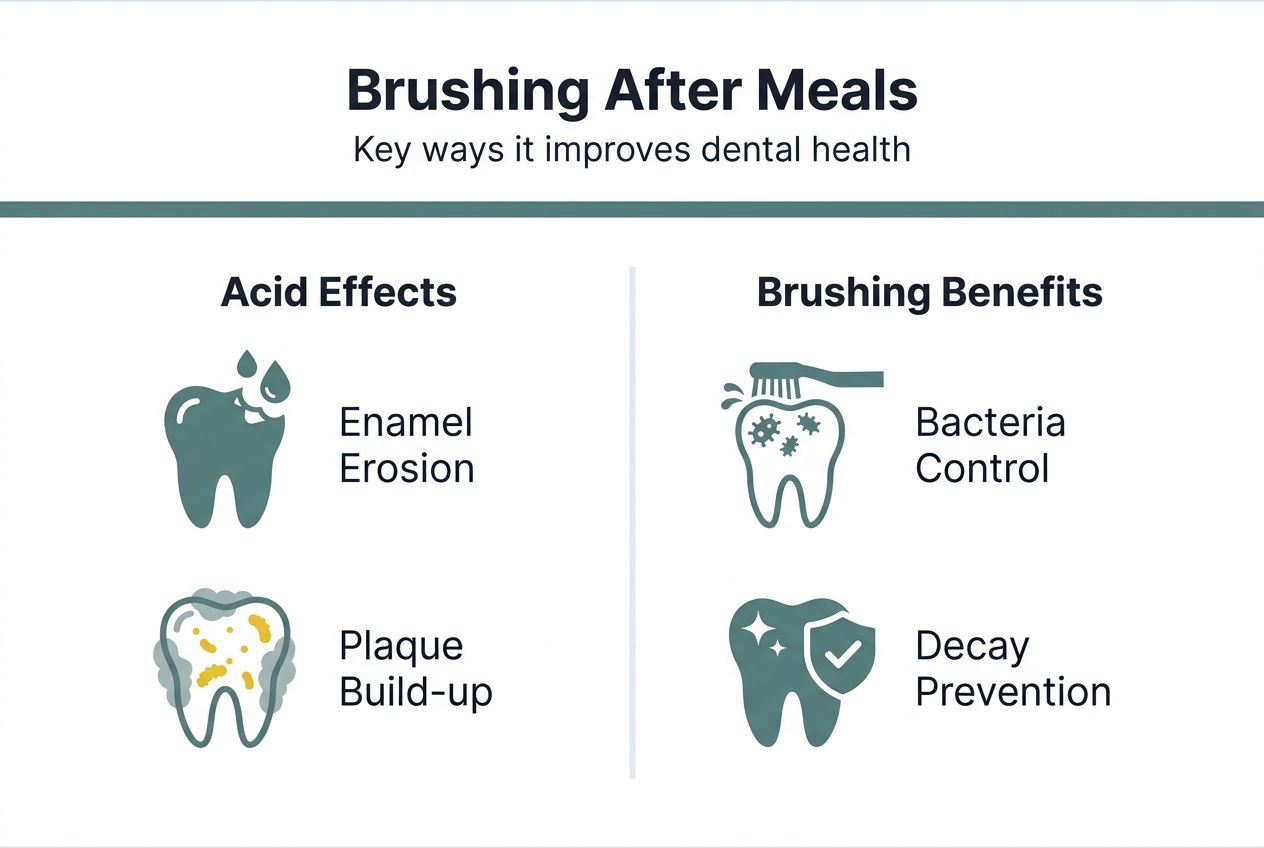
The benefits extend beyond cavity prevention. Brushing after meals reduces volatile sulfur compounds responsible for bad breath by up to 50%. These compounds form when bacteria break down food proteins, particularly after meals rich in garlic, onions, or red meat. Regular post-meal brushing keeps your breath fresh while protecting your teeth.
Research demonstrates impressive cavity reduction rates with consistent post-meal oral care. Studies indicate that consistent post-meal brushing reduces new cavity formation by approximately 30-50% compared to brushing only twice daily. This substantial difference translates to fewer dental visits, less discomfort, and significant cost savings over your lifetime.
The key lies in disrupting bacteria before they organize into mature biofilms. Young plaque is soft and easily removed with gentle brushing. Once it ages beyond 24 hours, it becomes progressively more resistant to mechanical removal. Your window of opportunity is narrow, making timely post-meal brushing cavity reduction essential for long-term dental health.
- Brushing physically removes acid-producing bacterial colonies
- Post-meal brushing cuts bad breath compounds by half
- Regular brushing after meals reduces cavities by 30 to 50 percent
- Early plaque removal is easier and more effective than delayed intervention
Fast and effective brushing solutions for busy adults
Traditional brushing recommendations call for two full minutes of meticulous attention to every tooth surface. For busy professionals juggling meetings, deadlines, and family obligations, this time commitment often leads to skipped brushing sessions or rushed, ineffective cleaning. The gap between dental ideals and real-world schedules creates a significant barrier to consistent oral hygiene.
Modern technology bridges this gap with innovative solutions designed for efficiency without compromise. The Y-Brush allows thorough cleaning in just 20 seconds, improving consistency for busy schedules by cleaning all tooth surfaces simultaneously. This dramatic time reduction removes the primary excuse for skipping post-meal brushing.
The secret lies in the mouthpiece design, which features soft nylon bristles positioned to contact every accessible tooth surface at once. Sonic vibrations agitate these bristles 8,000 to 12,000 times per minute, providing thorough plaque removal in a fraction of traditional brushing time. You simply apply toothpaste, insert the mouthpiece, and let the device do the work.
Compare the time investment and consistency rates:
| Method | Time Required | Typical Completion Rate |
|---|---|---|
| Manual brushing | 2 minutes | 10% (most brush under 1 minute) |
| Standard electric | 2 minutes | 25-30% |
| Y-Brush | 20 seconds | 85-90% |
The advantages of fast brushing extend beyond time savings. Shorter sessions encourage more frequent brushing throughout the day, including after lunch or snacks when traditional methods feel too time-consuming. This increased frequency multiplies the protective benefits, disrupting bacteria more often and maintaining a cleaner oral environment.
Pro Tip: Keep your fast brush at your office desk or in your car. The 20-second cleaning time means you can brush after lunch without disrupting your work flow or arriving late to your next meeting.
- Traditional two-minute brushing often gets skipped or rushed
- Fast brushing technology enables consistent post-meal habits
- Explore fast toothbrushing proven results backed by research
- Consider Y-Brush membership plans for ongoing savings and replacement heads
Practical tips to incorporate brushing into your daily routine
Start by identifying your highest-risk meals and snacks. Coffee with sugar, pastries, fruit juice, and candy create ideal conditions for bacterial growth and acid production. These moments deserve priority in your brushing schedule, even if you can’t brush after every meal.
Portability solves the workplace challenge. Keep a compact brush and travel-sized toothpaste in your desk drawer, briefcase, or purse. Many public restrooms provide adequate privacy for a quick brush, and with 20-second brushing technology, you’ll spend less time than colleagues who check their phones.
Technology can reinforce new habits. Set phone reminders for 30 minutes after typical meal times. These alerts prompt you to brush during the optimal window while preventing you from forgetting amid busy afternoon schedules. After two to three weeks, the habit becomes automatic and you can remove the reminders.
Here’s a simple implementation strategy:
- Identify your three main meals and highest-risk snacks each day
- Set 30-minute post-meal alarms on your phone for the first month
- Stock brushing supplies in three locations: home bathroom, workplace, and car or bag
- Use fast brushing tools to eliminate time barriers
- Track your consistency for two weeks to build momentum
- Adjust your routine based on what works for your specific schedule
Consistency trumps perfection. Brushing after two meals daily provides more benefit than attempting to brush after every meal and frequently failing. Start with achievable goals and expand as the habit solidifies. Review your oral hygiene checklist to ensure you’re covering all essential practices.
Pro Tip: Pair brushing with an existing habit you never skip. If you always have afternoon coffee at 2pm, make the 2:30pm brush your anchor. Habit stacking dramatically improves consistency by leveraging established routines.
Discover fast, effective brushing with Y-Brush
Your busy schedule shouldn’t force you to choose between dental health and productivity. Y-Brush technology delivers complete cleaning in just 20 seconds, removing the time barrier that prevents consistent post-meal brushing. Whether you’re rushing between meetings, managing family responsibilities, or traveling for work, you can maintain optimal oral hygiene without disrupting your day.
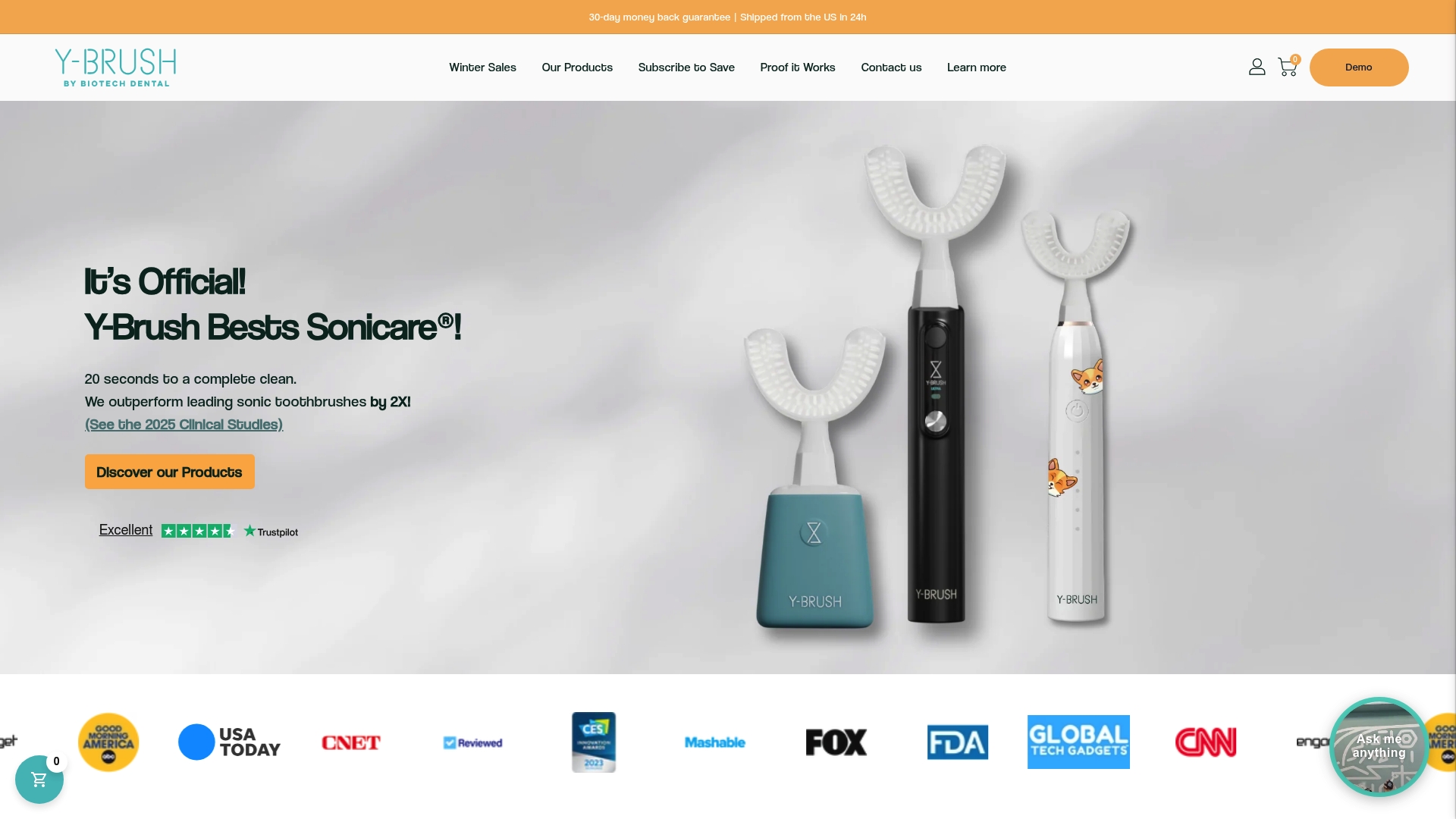
The Y-Brush Essential Sonic Toothbrush combines efficiency with effectiveness, using simultaneous cleaning action to disrupt plaque across all tooth surfaces at once. You’ll experience the confidence of a fresh, clean mouth after every meal without the guilt of skipped brushing sessions. Join thousands of busy adults who’ve discovered that better oral care doesn’t require more time, just smarter tools. Explore advantages of fast brushing for busy adults and discover how 20-second cleaning transforms your routine. Check out Y-Brush membership plans for exclusive savings and automatic replacement brush head delivery, ensuring you never compromise on hygiene quality.
Frequently asked questions
Why should I wait before brushing after acidic meals?
Waiting 20-30 minutes after acidic meals allows your saliva to neutralize acids and re-harden enamel surfaces before you introduce the mechanical action of brushing. Brushing too soon can wear down temporarily softened enamel, increasing tooth sensitivity and accelerating enamel loss over time.
Can brushing after every meal really reduce cavities?
Yes, research confirms significant cavity reduction with consistent post-meal brushing. Studies show brushing after meals can reduce cavity risk by 30-50% compared to brushing only twice daily. The key is combining proper timing with thorough technique to disrupt bacterial colonies and remove food debris before acids damage your teeth.
What are the best tools for brushing after meals when busy?
Electric toothbrushes designed for speed and efficiency work best for busy schedules. Y-Brush technology cleans teeth thoroughly in just 20 seconds, ideal for post-meal brushing at work or on the go. Compact travel brushes with protective cases also help maintain routines when you’re away from home. Look for fast brushing tools that fit your lifestyle and remove time barriers.
Is it necessary to brush after every single meal?
Brushing after acidic or sugary meals provides the most benefit, but you don’t need to brush after every meal. Focus on high-risk foods like desserts, citrus fruits, soda, and sticky carbohydrates. Maintaining twice-daily brushing as your foundation remains crucial, with strategic post-meal brushing adding extra protection based on what you’ve eaten.


