


Most people know they should brush for two full minutes, yet 90% fall short, typically brushing under one minute. This gap leads to inadequate plaque removal and increased risk of gum disease. Electric toothbrushes bridge this divide by offering faster, more thorough cleaning through advanced technology that makes effective oral care accessible even for the busiest schedules.
Table of Contents
- How Electric Toothbrushes Work: Technology And Mechanisms
- Scientific Evidence: What Studies Reveal About Effectiveness
- Common Misconceptions About Electric Toothbrushes
- Choosing The Right Electric Toothbrush And Features That Matter
- Integrating Electric Toothbrush Use Into Busy Lifestyles
- Conclusion: Empowered, Efficient Oral Care For Health-Conscious Consumers
- Upgrade Your Oral Care With Y-Brush Electric Toothbrushes
- Frequently Asked Questions
Key takeaways
| Point | Details |
|---|---|
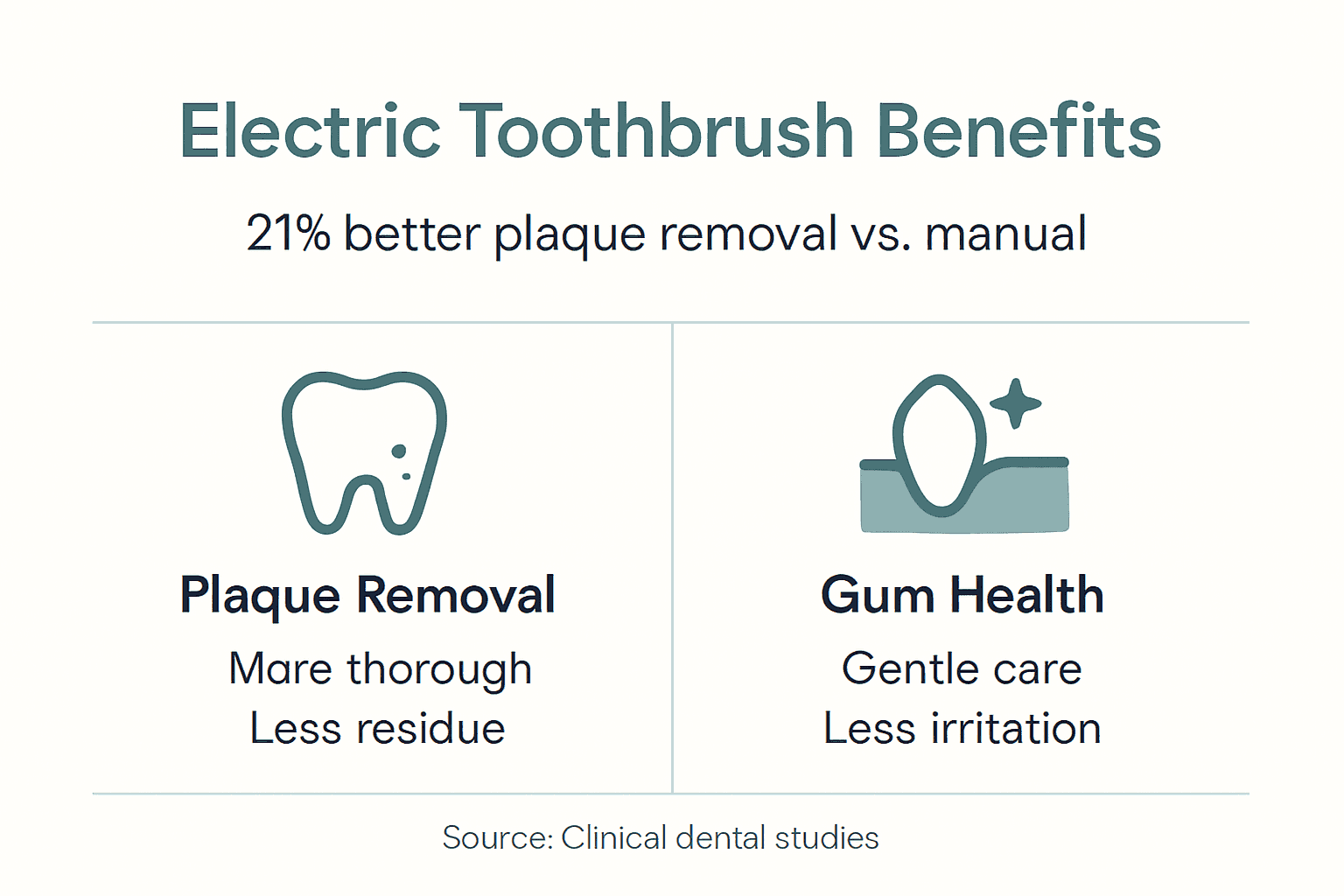
| Superior plaque removal | Electric toothbrushes remove 21% more plaque than manual brushes due to oscillating and rotating technology. |
| Reduced gingivitis | They reduce gingivitis by 11% after three months of consistent use. |
| Built-in timers improve duration | Timers ensure users brush for the recommended two minutes, addressing the common issue of insufficient brushing time. |
| Technology variety | Different brush types—oscillating, sonic, ionic—offer tailored cleaning benefits to match personal preferences and oral health needs. |
| Long-term gum health | Consistent electric toothbrush use supports healthier gums and reduces tooth decay over time. |
How electric toothbrushes work: technology and mechanisms
Electric toothbrushes stand apart from manual brushes because they deliver vastly more cleaning motions per session. While your hand can manage perhaps 300 strokes in two minutes, electric toothbrushes operate with 3,000 to 7,500 motions per minute, creating a cleaning force that manual brushing simply cannot match. This speed translates directly into more effective plaque disruption and removal.
Three main technologies power electric toothbrushes, each with distinct cleaning mechanisms:
- Oscillating-rotating brushes feature small round heads that spin and rotate back and forth, mechanically scrubbing plaque from tooth surfaces and along the gumline
- Sonic toothbrushes vibrate at high frequencies to create fluid dynamics that disrupt plaque even between teeth and below the gumline
- Ionic toothbrushes use charged ions to theoretically break up plaque, though clinical evidence supporting this technology remains limited compared to oscillating and sonic options
The oscillating-rotating design excels at direct mechanical cleaning, making it particularly effective for people prone to heavy plaque buildup. Sonic brushes offer gentler cleaning while still disrupting bacteria through vibration-induced fluid movement. When choosing between sonic and rotary electric toothbrush options, consider your comfort level with brush head size and cleaning sensation.
Pro Tip: If you have sensitive gums, start with a sonic brush on the lowest setting and gradually increase intensity as your gums adapt to the more thorough cleaning action.
Scientific evidence: what studies reveal about effectiveness
Clinical research consistently demonstrates that electric toothbrushes outperform manual brushing across multiple oral health metrics. A comprehensive Cochrane review analyzing numerous studies found that electric toothbrushes remove 21% more plaque and reduce gingivitis by 11% after three months compared to manual toothbrushes. These improvements stem from the superior cleaning motion that electric toothbrushes’ 3,000 to 7,500 motions per minute provide.
Long-term research reveals even more compelling benefits. An 11-year study tracking thousands of participants showed electric toothbrush users experienced 22% less gum recession and 18% less tooth decay compared to manual brush users. These outcomes matter because gum recession and decay represent two of the most common reasons adults lose teeth.
| Study Duration | Plaque Reduction | Gingivitis Reduction | Additional Benefits |
|---|---|---|---|
| 3 months | 21% vs. manual | 11% vs. manual | Improved brushing consistency |
| 6 months | Up to 100% more removal | Continued improvement | Better gum health markers |
| 11 years | Maintained superiority | Sustained reduction | 22% less recession, 18% less decay |
The data supporting electric toothbrushes comes from rigorous clinical trials, not manufacturer claims. Multiple independent research teams have confirmed these findings across diverse populations. The consistency of results across studies comparing manual and sonic toothbrush plaque removal leaves little doubt about electric brushes’ superiority for most users.
Common misconceptions about electric toothbrushes
Many people believe switching to an electric toothbrush automatically guarantees perfect oral health, but this oversimplifies reality. Brushing technique is a critical factor in plaque removal, and even electric brushes require proper use. You still need to angle the brush correctly, spend adequate time on each tooth surface, and avoid pressing too hard.
Several myths persist about electric toothbrushes:
- Higher price means better cleaning: Cost often reflects features like app connectivity or premium materials rather than superior plaque removal; mid-range models frequently clean as effectively as luxury versions
- Electric brushes eliminate the need for good habits: They support but do not replace flossing, regular dental visits, and proper diet for oral health
- Manual brushes are just as effective: While correctly used manual brushes can approach electric brush effectiveness, most people lack the consistency and technique to achieve this in practice
- All electric toothbrushes work the same: Different technologies (oscillating, sonic, ionic) produce distinct cleaning actions with varying clinical support
The fact check on electric toothbrush effectiveness reveals that benefits depend heavily on consistent, proper use. An electric toothbrush used incorrectly may not outperform a manual brush used with excellent technique. The advantage comes from how electric brushes make proper technique easier to maintain and sustain over time.
Pro Tip: Focus on guiding the brush rather than scrubbing with it. Let the electric motor do the work while you ensure every surface gets covered for the full two minutes.
Choosing the right electric toothbrush and features that matter
Selecting an electric toothbrush involves understanding which features genuinely improve cleaning versus those that simply add cost. Electric toothbrush designs vary mainly by brush motion: oscillating-rotating heads provide focused mechanical cleaning, sonic brushes offer broader coverage with vibration, and ionic types use electrical charges with less proven effectiveness.
| Feature | Benefit | Priority Level |
|---|---|---|
| Two-minute timer | Ensures adequate brushing duration | Essential |
| Pressure sensor | Prevents gum damage from excessive force | High |
| Multiple brush heads | Accommodates different cleaning needs | Medium |
| Battery life | Reduces charging frequency | Medium |
| App connectivity | Tracks habits for improvement | Optional |
Timers rank as the most valuable feature because the average consumer brushes less than one minute per session, falling dramatically short of recommendations. Electric toothbrushes with pressure sensors and timers reduce the risk of brushing too hard, which can damage gums while improving technique.
Key considerations when shopping:
- Brush head availability: Ensure replacement heads are readily available and reasonably priced, as you’ll need new ones every 3 to 4 months
- Handle comfort: You’ll hold this device twice daily, so ergonomics matter for consistent use
- Charging method: Travel-friendly charging options suit frequent travelers better than bulky charging bases
- Brush head size: Smaller heads reach back molars more easily, while larger heads cover more surface area per stroke
The importance of timers and sensors on electric toothbrushes cannot be overstated for busy individuals. These features transform brushing from guesswork into a guided routine. Understanding what is sonic toothbrush technology helps you appreciate how vibration frequency affects cleaning depth.
Pro Tip: Replace brush heads when bristles begin to fray or every three months, whichever comes first. Worn bristles lose cleaning effectiveness and can harbor bacteria.
Integrating electric toothbrush use into busy lifestyles
Adopting an electric toothbrush fits seamlessly into even the most packed schedules because these devices make thorough cleaning faster and simpler. The built-in timer eliminates the mental math of tracking two minutes, while the automated motion means you focus only on positioning rather than vigorous scrubbing.
Follow these steps to maximize your electric toothbrush routine:
- Charge your brush overnight so it’s ready each morning without adding a task to your routine
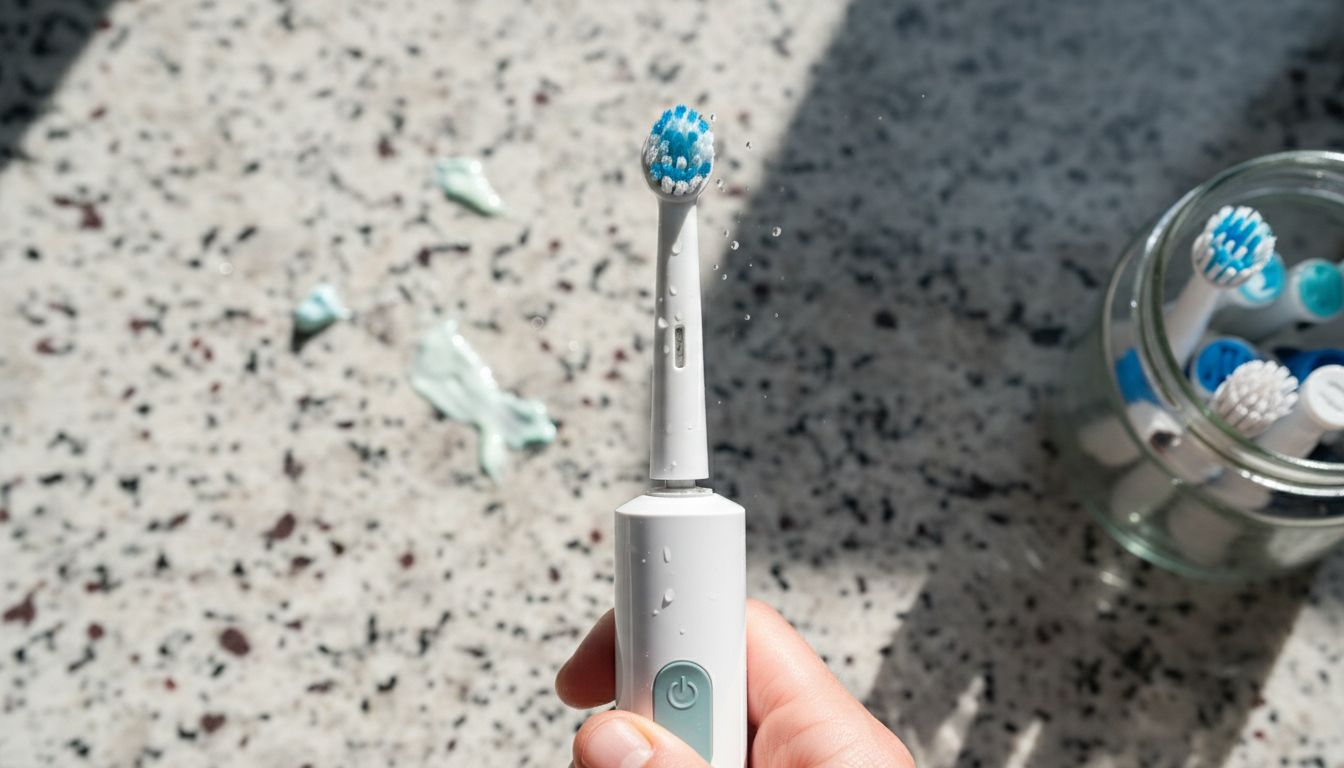
- Apply toothpaste and wet the brush head before turning on the power to prevent splatter
- Divide your mouth into quadrants (upper right, upper left, lower right, lower left) and spend 30 seconds on each section
- Let the brush do the work by gently guiding it along teeth and gumline rather than applying pressure
- Replace brush heads quarterly by setting a recurring phone reminder on the first day of January, April, July, and October
The key to consistency lies in removing barriers to use. Keep your electric toothbrush visible on the bathroom counter rather than stored away. If you travel frequently, consider a compact travel model that fits easily in carry-on luggage. Many people find success by brushing during another daily activity, like checking morning news or unwinding before bed.
Tips for effective plaque removal during busy days emphasize that even rushed mornings allow for thorough cleaning when you let the timer guide you. The two-minute requirement feels less daunting when the brush handles the scrubbing work automatically.
Pro Tip: Keep a backup manual toothbrush in your desk or car for unexpected situations when you’re away from your electric brush. Maintaining the habit matters more than the tool.
Conclusion: empowered, efficient oral care for health-conscious consumers
Electric toothbrushes deliver measurable improvements in plaque removal and gum health through advanced technology that makes proper brushing technique accessible to everyone. The 21% increase in plaque removal and 11% reduction in gingivitis represent real clinical outcomes that translate to healthier mouths and fewer dental problems over time.
For health-conscious consumers balancing busy schedules with wellness priorities, electric toothbrushes solve the fundamental challenge of insufficient brushing time. Built-in timers, pressure sensors, and thousands of automated motions per minute remove the guesswork from oral care. You gain confidence knowing each two-minute session delivers thorough cleaning without requiring perfect manual technique.
The investment in an electric toothbrush pays dividends through reduced dental treatment needs, improved gum health, and the simple peace of mind that comes from knowing you’re taking effective care of your oral health every single day.
Upgrade your oral care with Y-Brush electric toothbrushes
Ready to experience the difference advanced oral care technology makes? Y-Brush delivers a superior clean in just 20 seconds, fitting perfectly into your busiest days without compromising effectiveness.
Our range of electric toothbrushes combines innovative brush motion technology with essential features like timers and pressure sensors to support your oral health goals. Whether you’re new to electric brushing or looking to upgrade your oral care with Y-Brush, we provide expert guidance to help you find the perfect match for your needs.
Explore our comprehensive resources on how to choose the right electric toothbrush based on your specific oral health goals and lifestyle. Access our oral hygiene checklist for daily clean routines that maximize the benefits of electric brushing. Start your journey to healthier gums and a brighter smile today with Y-Brush.
Frequently asked questions
Why is an electric toothbrush better than a manual one?
Electric toothbrushes remove significantly more plaque through thousands of automated motions per minute that manual brushing cannot replicate. Clinical studies show they reduce gingivitis and support better long-term gum health. Built-in timers and pressure sensors help users maintain proper brushing duration and technique consistently.
How long should I brush with an electric toothbrush?
Brush for two minutes twice daily to ensure effective plaque removal and gum health. Electric toothbrush timers automatically track this duration, typically vibrating every 30 seconds to signal when to move to a new mouth quadrant. This removes the guesswork and helps you meet the recommended brushing time easily.
Do I still need to worry about brushing technique with an electric toothbrush?
Yes, proper technique maximizes cleaning effectiveness and prevents gum damage even with electric brushes. Angle the brush at 45 degrees to the gumline, guide it gently across all tooth surfaces, and avoid pressing too hard. Pressure sensors on many models alert you when you’re applying excessive force.
How often should I replace electric toothbrush heads?
Replace brush heads every three to four months or sooner if bristles appear frayed or worn. Worn bristles lose their cleaning effectiveness and can harbor bacteria that compromise oral health. Setting quarterly reminders ensures you maintain optimal plaque removal power throughout the year.
Recommended
- Manual Vs Sonic Toothbrush Comparison - Which One Wins On Plaque Remov – Y-Brush USA
- 6 Types of Toothbrushes for Efficient Plaque Removal – Y-Brush USA
- Top Tips for Effective Tooth Brushing: A Guide to a Brighter Smile – Y-Brush USA
- What Is The Real Effectiveness Of An Automatic Toothbrush Compared To – Y-Brush USA
- Snus und deine Mundgesundheit: So schützt du dein Lächeln – Snustrend - Snus, Vapes & Schnupf


