


Rushing out the door with a quick swipe of the toothbrush is all too common for busy American adults, but skipping steps can undermine your oral health. Finding efficient solutions matters, especially when traditional routines feel overwhelming or hard to fit in. This guide breaks down clear strategies for choosing the right tools, mastering proven techniques, and making oral care a simple, rewarding part of your day. Consistency in technique and tool use is the foundation of effective oral hygiene.
Table of Contents
- Step 1: Prepare The Right Brushing Tools
- Step 2: Apply Effective Cleaning Technique
- Step 3: Incorporate Flossing And Rinsing
- Step 4: Check For Missed Areas Or Plaque
- Step 5: Maintain Daily Oral Hygiene Schedule
Quick Summary
| Key Insight | Explanation |
|---|---|
| 1. Choose the Right Toothbrush | Select a toothbrush with soft bristles and a comfortable handle to ensure effective cleaning. |
| 2. Master Brushing Technique | Hold the toothbrush at a 45-degree angle and use gentle strokes to remove plaque without damaging gums. |
| 3. Incorporate Flossing Daily | Use dental floss to remove food and plaque between teeth, aiming to do this at least once a day for optimal hygiene. |
| 4. Regularly Inspect Your Teeth | Check your teeth for missed areas after brushing and flossing to prevent plaque buildup and oral health issues. |
| 5. Maintain Consistent Routine | Brush twice daily, floss once, and consistently replace your toothbrush for effective long-term oral care. |
Step 1: Prepare the right brushing tools
Setting up your oral hygiene routine starts with selecting the right tools. A strategic approach to choosing your dental equipment can transform your daily cleaning process and significantly improve your overall oral health.
When selecting a toothbrush, focus on key characteristics that ensure effective cleaning. Recent dental innovations have improved traditional toothbrush designs, but the fundamental requirements remain consistent:
- Soft bristles for gentle yet thorough cleaning
- Comfortable handle size that allows precise control
- Brush head small enough to reach all tooth surfaces
- Replaceable design to maintain optimal hygiene
The size and shape of your toothbrush matter significantly. Your brush should comfortably reach every tooth surface, including those hard-to-access back molars. Harvard health experts recommend selecting a toothbrush you genuinely like and will use consistently, which is more important than purchasing the most expensive model.
Choose a toothbrush that feels comfortable and makes you want to brush regularly.
Beyond the manual toothbrush, consider complementary tools that enhance your oral care routine:
Here’s a quick comparison of common toothbrush types and their unique benefits:
| Toothbrush Type | Key Advantage | Ideal User |
|---|---|---|
| Manual | Full control, low cost | Traditional users, travelers |
| Electric | Consistent cleaning, timer features | Busy adults, those needing motivation |
| Sonic | High-frequency vibration, plaque reduction | Tech-savvy, people with braces |
| Interdental | Accesses tight spaces, gentle on gums | People with dental work or gaps |
- Interdental brushes for cleaning between teeth
- Dental floss for removing trapped food particles
- Tongue scraper for comprehensive mouth cleaning
Pro tip: Replace your toothbrush every three to four months, or sooner if bristles become frayed, to maintain optimal cleaning effectiveness.
This table summarizes the main oral hygiene tools and when to use each for best results:
| Tool | Primary Use | Best Time to Use |
|---|---|---|
| Toothbrush | Removes plaque from teeth | Morning and night |
| Dental Floss | Cleans between teeth | Once daily, preferably at night |
| Mouthwash | Reduces bacteria, freshens breath | After brushing and flossing |
| Tongue Scraper | Reduces residue and odors | Morning, after brushing |
Step 2: Apply effective cleaning technique
Mastering the right brushing technique is crucial for maintaining optimal oral health. Your goal is to remove plaque effectively while protecting your gums and tooth enamel through precise, gentle movements.
Effective oral hygiene depends on understanding and implementing the correct brushing method. The American Dental Association recommends a systematic approach to cleaning your teeth:
- Hold your toothbrush at a 45-degree angle to the gums
- Use gentle, short back-and-forth strokes
- Clean all tooth surfaces systematically
- Spend at least 30 seconds on each quadrant of your mouth
When brushing, break down your mouth into four sections:
- Upper right teeth
- Upper left teeth
- Lower right teeth
- Lower left teeth
For inner front teeth surfaces, tilt your brush vertically and use gentle up-and-down strokes. This technique helps clean hard-to-reach areas and prevents potential gum damage from aggressive brushing.
Consistency and gentle technique matter more than vigorous scrubbing.
Pro tip: Set a timer or use an electric toothbrush with built-in quadrant tracking to ensure you’re dedicating equal time to each section of your mouth.

Step 3: Incorporate flossing and rinsing
Completing your oral hygiene routine requires more than just brushing. Dental floss is crucial for removing plaque and food debris from areas your toothbrush cannot reach, making it an essential component of comprehensive mouth care.
When incorporating flossing into your daily routine, follow these key steps:
- Use about 18 inches of floss for each cleaning session
- Gently slide floss between teeth using a C-shaped motion
- Clean both sides of each tooth
- Use a fresh section of floss for each tooth space
Flossing techniques vary, but the goal remains consistent: remove hidden bacteria and prevent potential gum disease. For those finding traditional floss challenging, consider these alternatives:
- Floss picks
- Water flossers
- Interdental brushes
After flossing, rinse your mouth thoroughly. Harvard health experts recommend using an antiseptic mouthwash containing essential oils to reduce plaque and support overall oral health.
Consistent daily flossing is more important than perfect technique.
Pro tip: Keep floss near your toothbrush or in a visible spot to create a consistent habit and make flossing feel like a natural part of your oral care routine.
Step 4: Check for missed areas or plaque
After completing your regular brushing and flossing routine, taking a few extra moments to inspect your teeth can prevent long-term oral health issues. Dental plaque is a complex biofilm that accumulates quickly and can cause significant damage if left unchecked.
To effectively identify missed areas and potential plaque buildup, use these strategic techniques:
- Examine your teeth in bright, natural light
- Use a dental mirror to view hard-to-see surfaces
- Look for white or yellowish film along gum lines
- Check between teeth and back molars carefully
Different areas require specific attention:
- Front teeth: Check inner and outer surfaces
- Molars: Inspect chewing surfaces thoroughly
- Gum line: Watch for any discoloration or buildup
- Tongue: Examine for white or yellowish coating
Technology can also help. Some electric toothbrushes come with plaque detection features that highlight areas needing extra attention. If you notice consistent missed spots, consider adjusting your brushing technique or investing in specialized cleaning tools.
Consistent inspection is key to preventing oral health problems.
Pro tip: Use a disclosing tablet or solution to reveal hidden plaque, making invisible buildup temporarily visible and helping you target missed areas more effectively.
Step 5: Maintain daily oral hygiene schedule
Creating a consistent oral care routine is the foundation of long-term dental health. Oral hygiene is preventative care that stops potential problems before they develop, making daily commitment crucial.
Establish a reliable oral hygiene routine with these essential practices:
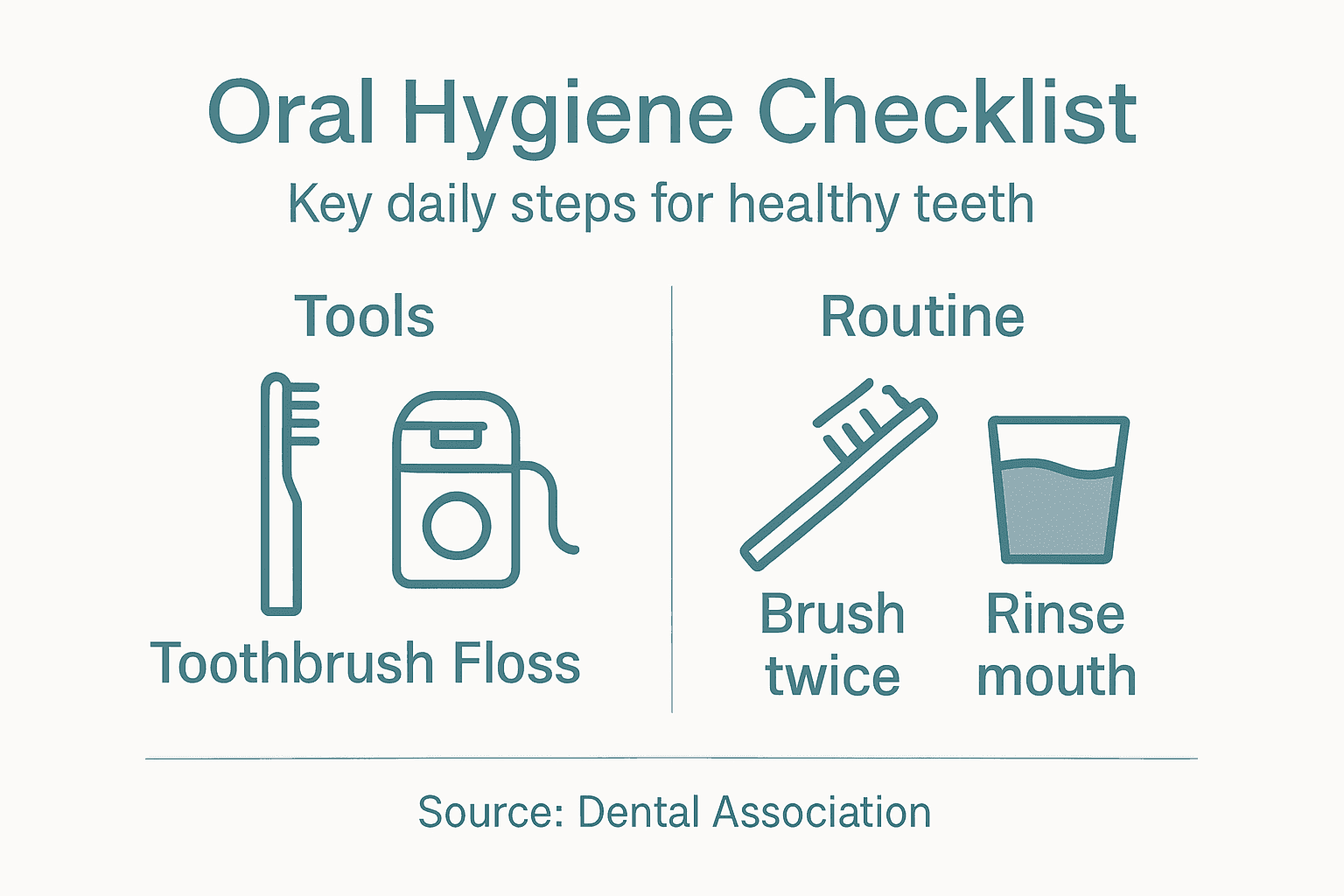
- Brush teeth twice daily for two full minutes
- Use fluoride toothpaste
- Floss at least once per day
- Replace your toothbrush every three months
Optimal timing for your oral care routine includes:
- Morning: Brush after breakfast
- Evening: Brush before bedtime
- After meals: Rinse or chew sugar-free gum if brushing is impossible
Consistency matters more than perfection. Even if you miss occasional brushing, quickly return to your routine without feeling discouraged. Modern dental technology and techniques make maintaining oral health easier than ever.
Small daily habits create significant long-term health outcomes.
Pro tip: Set smartphone reminders or place your toothbrush in a visible location to help reinforce your daily oral hygiene routine and make it feel like a natural part of your day.
Simplify Your Oral Hygiene Routine with Y-Brush Technology
The article highlights a common challenge many people face Oral Hygiene requires brushing for two full minutes but most only brush for under one minute This gap often results in missed plaque removal and inconsistent cleaning that can lead to oral health issues Imagine achieving a superior clean in just 20 seconds without compromising effectiveness or comfort Y-Brush offers a revolutionary solution that fits effortlessly into your daily life whether you are managing a busy schedule or searching for a gentle option for sensitive gums
Our smart design combines powerful sonic technology with an easy-to-use toothbrush that covers all tooth surfaces faster and more thoroughly Explore our Y-Brush Toothbrushes collection for a quick and reliable clean tailored to your needs  Take control of your oral health today by switching to a faster better brushing experience Visit https://y-brush.co now to discover how Y-Brush can transform your daily routine and give you the confidence of a fresh plaque-free smile Every second counts start your effortless clean journey now especially if you want a gentle option check out Sonic Toothbrushes for sensitive gums – Y-Brush USA and enjoy the peace of mind that comes with effective oral care
Frequently Asked Questions
What are the essential tools for effective oral hygiene?
To maintain effective oral hygiene, you need a toothbrush with soft bristles, dental floss, and mouthwash. Start by selecting a toothbrush that feels comfortable and ensures you use it twice daily.
How should I brush my teeth for optimal cleaning?
Hold your toothbrush at a 45-degree angle to your gums and use gentle, short back-and-forth strokes. Ensure to spend at least 30 seconds on each quadrant, which helps effectively remove plaque without damaging your gums.
How often should I floss?
You should floss at least once a day to clean between your teeth and remove debris. Incorporate it into your routine after brushing at night to keep your gums healthy and prevent dental issues.
What should I do if I notice plaque buildup?
If you notice plaque buildup, inspect your teeth closely to identify missed areas and adjust your brushing technique accordingly. Consider using a disclosing tablet to reveal hidden plaque and enhance your cleaning focus on those areas.
How do I create a consistent oral hygiene routine?
Create a consistent oral hygiene routine by brushing twice a day and flossing at least once daily. Set reminders if needed, and consider using smartphone alerts to maintain your commitment over time.


