


Rushing through your morning routine is a reality for many Americans who care about their health but barely have time for breakfast, let alone two full minutes with a toothbrush. The real challenge is fitting effective oral care into a busy schedule without sacrificing results. The American Dental Association recommends brushing for two minutes twice a day because this habit provides thorough cleaning of all tooth surfaces and gives fluoride time to strengthen your enamel. This guide breaks down why those 120 seconds matter and how small changes can fit high-quality dental care into even the tightest schedule.
Table of Contents
- Core Concepts Behind The 2-Minute Rule
- Plaque Removal And Dental Disease Prevention
- Fluoride Effectiveness With Proper Timing
- Risks Of Brushing Too Briefly Or Aggressively
- Comparing 2-Minute Brushing To Faster Alternatives
Key Takeaways
| Point | Details |
|---|---|
| Brushing Duration Matters | Brushing for a full two minutes ensures thorough cleaning of all tooth surfaces, effectively removing plaque and preventing dental issues. |
| Proper Technique is Essential | Systematic brushing techniques at a 45-degree angle maximize fluoride benefits and minimize damage to enamel and gums. |
| Routine Consistency is Key | Consistent two-minute brushing twice a day helps maintain plaque control and reduces long-term dental costs. |
| Timing Fluoride Application | Brushing before meals allows fluoride to create a protective barrier, enhancing its effectiveness against acid attacks. |
Core concepts behind the 2-minute rule
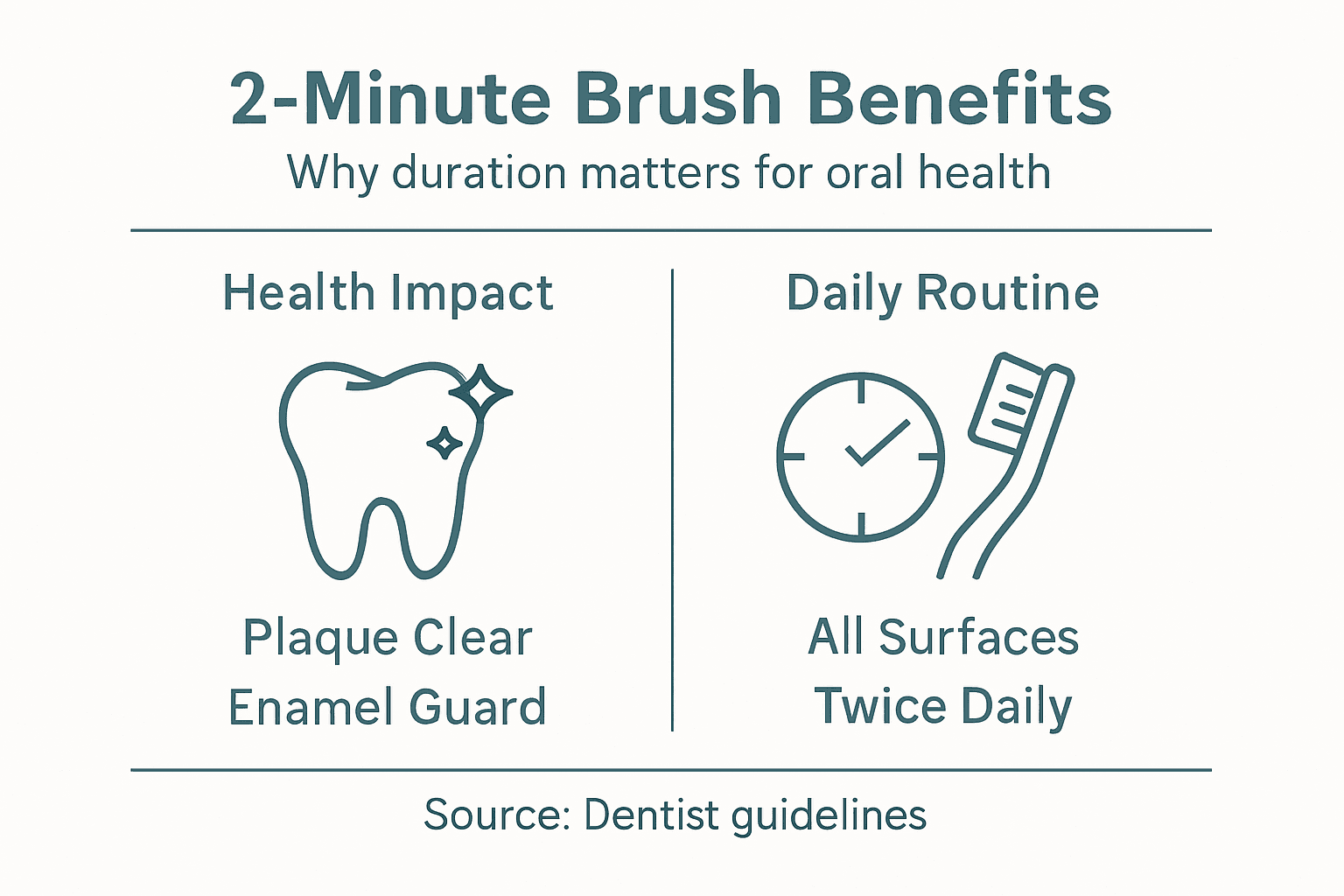
The two-minute brushing recommendation isn’t arbitrary. The American Dental Association recommends this duration twice daily to ensure thorough coverage of all tooth surfaces and effective plaque removal.
Here’s what actually happens during those 120 seconds:
- Your bristles reach areas you’d miss in a rushed 30-second swipe
- Plaque biofilm dissolves gradually as fluoride works on tooth surfaces
- You cover all angles: front surfaces, back surfaces, chewing surfaces, and gum line
- Your technique has time to become systematic rather than haphazard
Plaque buildup is the real enemy. It develops continuously throughout the day, harboring bacteria that attack tooth enamel and gum tissue. The longer plaque sits undisturbed, the harder it becomes to remove and the more damage it causes.
Two minutes gives your brush sufficient contact time with each tooth surface to disrupt plaque colonies before they calcify into tartar.
The recommendation is grounded in practical reality, not guesswork. Tooth brushing guidelines exist globally as standard practice for preventing dental disease. Dentists consistently observe that patients who rush their cleaning end up with more cavities, gum inflammation, and costly treatments down the line.
Time matters for technique too. Proper brushing requires systematic movement: gentle, short strokes at a 45-degree angle along the gum line, followed by vertical strokes on the front surfaces and horizontal strokes on the chewing surfaces. That choreography takes time to execute correctly.
The gap between recommendation and reality is substantial. Most people brush for under one minute, then wonder why their dentist finds plaque at their checkup. Those 60 seconds you’re skipping? That’s where real cleaning happens.
Your mouth has approximately 32 teeth with multiple surfaces each. Do the math: that’s roughly 128 individual surfaces to address. A one-minute brush gives you less than half a second per surface. Two minutes roughly doubles your contact time.
Here’s a quick comparison of brushing durations and their impact on oral health:
| Duration | Plaque Removal | Cavity Prevention | Enamel Protection |
|---|---|---|---|
| 2 Minutes | Thorough and effective | Strong prevention | Maximized fluoride benefit |
| 1 Minute | Moderate removal | Higher cavity risk | Reduced protection |
| 30 Seconds | Minimal effect | Poor prevention | Insufficient contact time |
Brushing for the recommended two minutes ensures comprehensive care across all tooth surfaces.
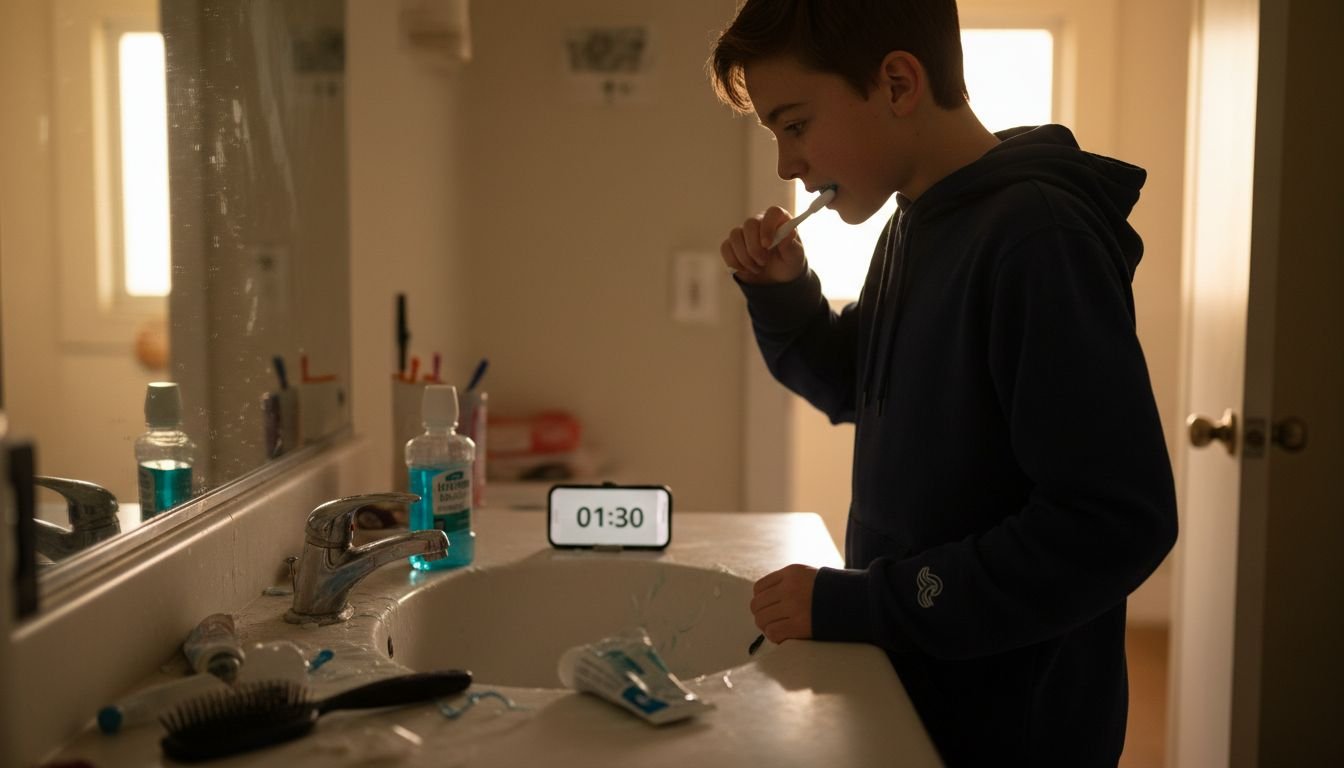
Pro tip: Set a timer on your phone or use an electric toothbrush with a built-in timer to remove the guesswork from your routine—you’ll actually hit the two-minute mark instead of approximating it.
Plaque removal and dental disease prevention
Plaque is your mouth’s worst enemy. This sticky film of bacteria accumulates constantly on your teeth and gum line, turning into a microscopic threat that most people ignore until problems arise.
Here’s the dangerous cycle: Plaque bacteria metabolize sugar into acid, which attacks tooth enamel directly. Once that acid starts working, cavities develop. Meanwhile, the same bacteria irritate your gums, leading to gingivitis and potentially serious gum disease.
The good news is that brushing breaks this cycle before it accelerates. When you brush for the full two minutes, you’re doing more than just scratching the surface:
- Removing bacterial colonies before they calcify into tartar
- Disrupting the biofilm that protects bacteria from your saliva
- Reaching areas where bacteria thrive (gum line, between teeth, back molars)
- Allowing fluoride to penetrate and strengthen enamel
Effective plaque removal directly prevents tooth decay and gum disease, the two most significant contributors to oral health problems globally. This isn’t about vanity or cosmetics—this is about keeping your teeth functional for life.
Understanding what dental plaque is helps explain why two minutes matters so much. Plaque isn’t passive debris; it’s an active bacterial community working against you every single day.
Without regular plaque removal, you’re essentially giving bacteria a protected fortress to multiply and cause irreversible damage.
Brushing with fluoride toothpaste adds another layer of protection by strengthening enamel and making it more resistant to acid attacks. But fluoride can’t work effectively if plaque is blocking its access to your teeth.
Most people underestimate how much plaque accumulates in just 24 hours. By the time you skip brushing at night, bacteria have been multiplying for 12+ hours. Two-minute brushing twice daily keeps that bacterial population under control.
The prevention math is simple: consistent plaque removal now prevents expensive dental work later. A cavity costs hundreds of dollars to fill. Gum disease treatment can run into thousands. Prevention through proper brushing is the most cost-effective dental strategy available.
Pro tip: Brush immediately after eating sugary or acidic foods to interrupt the acid attack cycle when bacteria are most active and dangerous.
Fluoride effectiveness with proper timing
Fluoride is a powerhouse ingredient, but only when conditions are right. Timing your brushing around your daily eating and drinking habits dramatically changes how much protection fluoride actually provides.
Here’s the chemistry: Fluoride strengthens enamel by bonding with tooth structure and making it more resistant to acid attacks. But this process requires contact time and the right environment. Rush it or use it at the wrong moment, and you’re wasting its potential.
The morning brush matters more than many people realize. When you brush with fluoride toothpaste before breakfast, you create a protective fluoride barrier on your teeth. This barrier then defends against acids in coffee, orange juice, yogurt, and other breakfast items you consume throughout the morning.
Consider this timing strategy:
- Brush with fluoride toothpaste upon waking, before eating or drinking
- Wait at least an hour after acidic foods or drinks before brushing again
- Brush before bed to protect teeth overnight when saliva production decreases
- Avoid brushing immediately after citrus fruits, wine, soda, or sports drinks
Why the one-hour waiting period? Acidic exposures temporarily soften enamel. Brushing during this window causes microscopic damage. By waiting, you allow saliva to neutralize the acid and enamel to reharden before introducing your toothbrush.
Brushing right after acidic foods damages enamel, which ironically reduces fluoride’s ability to protect your teeth.
Proper fluoride toothpaste use hinges on this timing principle. Many people think more frequent brushing equals better protection, but that’s only true if you’re not brushing during vulnerable enamel windows.
Your saliva also plays a supporting role. Between brushes, saliva continuously bathes your teeth and repairs microscopic damage. This process works best when you’re not introducing fresh acid or mechanical trauma from brushing.
Two-minute brushing allows fluoride adequate contact time to penetrate and bond with enamel. Rushing through in 20-30 seconds limits this critical interaction.
The payoff is substantial: teeth brushed with proper fluoride timing show significantly better cavity prevention over years. This isn’t about perfect compliance; it’s about understanding when fluoride works best and working with your body’s natural defenses.
Pro tip: Brush before breakfast, not after, and wait a full hour following any acidic beverages or foods before your next brush to maximize fluoride protection and prevent enamel damage.
Timing your brushing makes a major difference in fluoride effectiveness:
| Brushing Time | Fluoride Benefit | Acid Risk | Dentist Recommendation |
|---|---|---|---|
| Before breakfast | High protection | Low risk | Preferred timing |
| After acidic foods | Reduced benefit | Increased risk | Not advised |
| Before bed | Sustained overnight defense | Low risk | Strongly advised |
Adjusting brushing times enhances the benefits of fluoride and guards against enamel damage.
Risks of brushing too briefly or aggressively
Brushing seems simple, but the extremes on both sides cause real damage. Either rushing through or scrubbing hard creates problems that contradict your goal of protecting teeth.
Underrush your teeth and plaque stays put. Brushing for less than two minutes leaves bacterial colonies undisturbed in tight spaces. Over time, these bacteria multiply, calcify into tartar, and trigger cavities and gum disease.
Overbrushing brings a different threat. Many people think harder pressure equals cleaner teeth. Actually, aggressive brushing does the opposite.
Here’s what aggressive brushing damages:
- Enamel erosion from excessive mechanical force wearing away protective layers
- Gum recession where gums pull back from tooth roots, exposing sensitive areas
- Tooth sensitivity caused by exposed dentin tubules that conduct heat and cold directly to nerve tissue
- Gum irritation that bleeds, swells, and becomes inflamed
Your toothbrush bristles are powerful tools. When you apply excessive pressure, they’re abrading rather than cleaning. The force causes microscopic damage that accumulates over months and years into visible wear.
Aggressive brushing destroys the very structures you’re trying to protect, defeating the entire purpose of oral hygiene.
The solution isn’t complicated: use a soft-bristled toothbrush and gentle technique. Let the bristles do the work, not your arm muscles. Think of brushing as a systematic massage that guides bristles along tooth surfaces, not a scrubbing motion with force behind it.
Brushing duration impacts your teeth in measurable ways. Two minutes with proper technique removes plaque effectively while protecting gums and enamel. Sixty seconds leaves plaque behind; three minutes with aggressive pressure damages tissues.
The sweet spot balances thoroughness with gentleness. Your bristles need contact time to disrupt plaque biofilm, but they don’t need force. Dentists consistently see damage in patients who brush hard out of frustration or habit.
If your gums bleed during brushing, that’s a warning sign. Healthy gums don’t bleed from normal brushing—they’re signaling that your pressure is too intense or you’re already dealing with gum disease.
Pro tip: If you struggle with pressure control, hold your toothbrush like a pencil instead of gripping it like a toothbrush—this naturally limits force and trains your hand to brush gently.
Comparing 2-minute brushing to faster alternatives
Time-pressed schedules make the two-minute recommendation feel unrealistic. But comparing brushing duration reveals why shortcuts actually cost you more in dental problems and treatment expenses later.
The 20-30 second brush is fast but incomplete. You hit the obvious surfaces while missing the tight spaces where plaque thrives: between teeth, under the gum line, and the back molars you can’t see in the mirror.
Faster brushing leaves gaps in your cleaning coverage. Your mouth has approximately 128 tooth surfaces. In 30 seconds, you’re allocating roughly 0.23 seconds per surface. That’s barely enough contact time for bristles to disrupt plaque biofilm.
Here’s what longer brushing accomplishes:
- Systematic coverage of every surface without rushing
- Adequate contact time for plaque to dissolve and detach from enamel
- Better fluoride penetration and bonding with tooth structure
- Reduced missed spots that become breeding grounds for bacteria
Faster brushing is considerably less effective at removing plaque and preventing dental disease compared to the two-minute standard. Despite claims about new techniques or special products cutting brushing time, global dental research consistently supports the two-minute recommendation.
Consider the comparison in practical terms. Quick brushing might remove surface plaque, but it doesn’t address the biofilm that’s bonded to your enamel. That sticky bacterial matrix needs sustained contact and gentle mechanical action to break apart.
Two minutes isn’t arbitrary padding—it’s the minimum time required for bristles to reach every surface and allow chemical action from fluoride and saliva to work effectively.
Electric toothbrushes with built-in timers help bridge the gap for busy people. The timer removes guesswork and trains your hand to maintain contact for the full duration. This approach dramatically improves outcomes compared to manual brushing, where people often underestimate elapsed time.
The cost comparison is stark. Two minutes twice daily requires roughly 4 minutes total daily investment. Skipping 2 minutes saves just 2 minutes but costs you thousands in future fillings, root canals, and gum disease treatment.
Your time-strapped schedule isn’t unique. Dentists see the same rushed excuse from everyone who later sits in the chair needing expensive work. Those patients almost universally wish they’d invested the two minutes when prevention was possible.
Pro tip: Use a timer or electric toothbrush with an audible alert at the two-minute mark to ensure you’re actually brushing long enough, not just assuming you are.
Achieve Superior Clean in Seconds Without Sacrificing Oral Health
The article explains why brushing for the full two minutes is critical for effective plaque removal and lasting dental health. However, many people struggle to meet this recommendation, brushing under a minute or rushing through their routine. This leaves harmful plaque behind, increasing risk for cavities and gum disease. If your goal is to protect your teeth without investing extra time, there is a smarter solution that fits modern lifestyles.
Discover how All Y-Brush Toothbrushes revolutionize oral care by delivering a thorough clean in just 20 seconds. Designed to target every tooth surface quickly and effectively, Y-Brush meets the challenge of balancing proper plaque disruption with busy schedules. Experience the confidence of a plaque-free smile that respects your time and boosts your oral health.
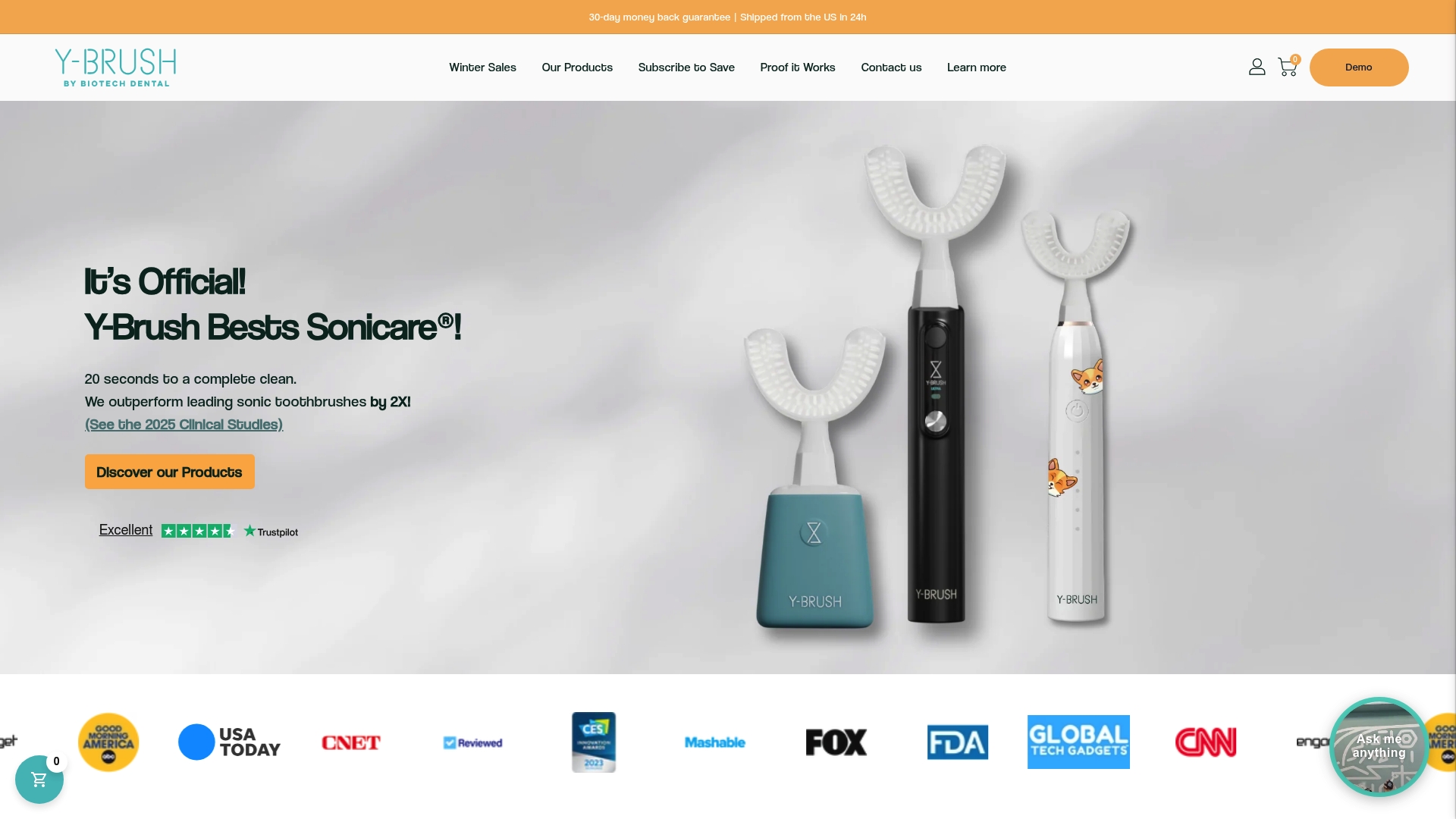
Don’t let time constraints compromise your dental care. Explore Sonic Toothbrushes for beginners to find the ideal alternative that aligns with your daily routine. Take control of your oral hygiene now by visiting https://y-brush.co and upgrade your brushing experience for lasting results.
Frequently Asked Questions
Why is it important to brush for 2 minutes?
Brushing for 2 minutes ensures thorough coverage of all tooth surfaces, effectively removing plaque and preventing cavities and gum disease.
What happens when I brush for less than 2 minutes?
Brushing for less than 2 minutes often leaves plaque undisturbed, which can lead to cavities, gum inflammation, and more expensive dental treatments later.
How does fluoride work during brushing?
Fluoride strengthens tooth enamel when given sufficient contact time. Proper brushing allows fluoride to penetrate and protect against acid attacks from bacteria.
What technique should I use while brushing for 2 minutes?
Use gentle, short strokes at a 45-degree angle along the gum line. Cover all surfaces: front, back, chewing surfaces, and the gum line methodically to maximize effectiveness.
Recommended
- The Impact of Brushing Duration on Dental Health – Y-Brush USA
- How long should you brush your teeth for optimal effectiveness? – Y-Brush USA
- Can You Really Brush Your Teeth in 20 Seconds? What the Experts Are Sa – Y-Brush USA
- How long does it take to brush your teeth properly ? – Y-Brush USA
- Double Cleansing: Der K-Beauty-Trend für porentief reine Haut | cosmadic


