


Rushing out the door each morning, many American adults barely find a moment for oral care before another busy day begins. Yet skipping proper plaque removal can lead to much more than just a less-than-fresh smile. Dental plaque is a persistent bacterial film that demands daily attention or it can develop into major oral health problems. Discover realistic strategies that fit even the busiest schedules while addressing common myths about effective plaque control.
Table of Contents
- Dental Plaque Removal—Core Definition And Myths
- Types Of Dental Plaque And How It Forms
- Risks Of Untreated Plaque For Oral Health
- Effective Removal Methods For Busy Adults
- Common Mistakes And Best Alternatives
Key Takeaways
| Point | Details |
|---|---|
| Understanding Dental Plaque | Dental plaque is a sticky bacterial film that poses serious oral health risks, requiring consistent management to prevent complications. |
| Common Myths | Misconceptions about plaque can lead to neglect in oral hygiene practices, making it crucial to recognize its serious implications. |
| Effective Removal Strategies | Adopting time-efficient techniques, such as using electric toothbrushes and maintaining a consistent routine, is essential for busy adults. |
| Risks of Untreated Plaque | Neglecting plaque removal can lead to severe dental issues, including tooth decay and gum disease, as well as broader health complications. |
Dental plaque removal—core definition and myths
Dental plaque is a persistent bacterial film that continuously forms on teeth, creating potential risks for oral health. Understanding its nature and dispelling common misconceptions is crucial for maintaining a healthy smile.
According to Cleveland Clinic’s dental experts, plaque is a sticky bacterial substance that develops on tooth surfaces throughout the day. Unlike popular belief, plaque is not just a temporary inconvenience but a constant challenge requiring consistent management.
The formation of plaque involves several key characteristics:
- Develops from bacteria feeding on food sugars
- Produces acid that attacks tooth enamel
- Forms rapidly after eating
- Can lead to serious dental problems if not removed
Many individuals misunderstand plaque’s actual impact. Mouth Health professionals emphasize that plaque is not merely a cosmetic issue but a serious health concern. When left unchecked, plaque can harden into tartar, which requires professional removal and can cause significant gum irritation.
Common myths about dental plaque include:
- Plaque only matters for people with poor dental hygiene
- Occasional brushing is sufficient to prevent plaque buildup
- Plaque is harmless and will naturally disappear
These misconceptions can lead to serious oral health complications. Plaque actively contributes to tooth decay and gum disease, making daily removal critical.
Pro tip: Invest in an electric toothbrush and commit to brushing for a full two minutes twice daily to effectively disrupt and remove dental plaque.
Types of dental plaque and how it forms
Dental plaque is a complex microbial ecosystem that develops through a fascinating biological process involving multiple stages of bacterial interaction and colonization. Understanding its formation helps individuals recognize the importance of proactive oral hygiene.
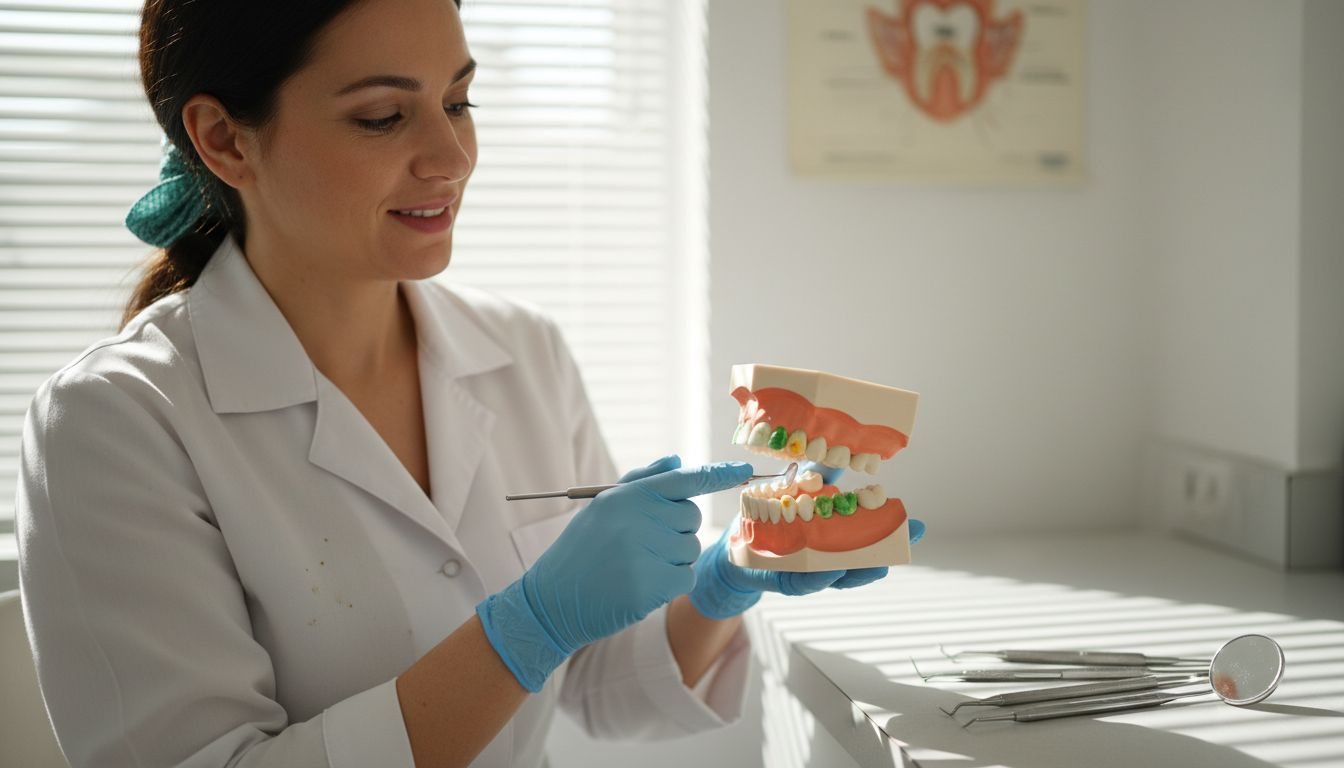
Wikipedia’s dental research reveals that plaque begins with a protein film called the pellicle, which forms minutes after eating. This initial layer serves as a critical attachment point for bacteria, initiating the plaque formation process.
The types of dental plaque can be categorized based on their location and composition:
- Supragingival plaque: Forms above the gum line
- Subgingival plaque: Develops below the gum line
- Mature plaque: Densely populated bacterial colonies
- Early plaque: Initial bacterial adhesion stage
According to Allied Academies research, plaque formation occurs in distinct stages:
- Bacterial adhesion to tooth surface
- Initial bacterial colonization
- Proliferation of microbial communities
- Biofilm maturation
The composition of dental plaque is remarkably diverse, including various microorganisms that interact in complex ways. Some bacteria are beneficial, while others can contribute to tooth decay and gum disease.
Here’s a quick reference comparing the main types of dental plaque:
| Plaque Type | Location | Microbial Complexity | Impact on Oral Health |
|---|---|---|---|
| Supragingival | Above gum line | Moderate | Causes cavities, mild irritation |
| Subgingival | Below gum line | High | Drives gum disease, inflammation |
| Early plaque | Tooth surface | Low | May lead to decay if unchecked |
| Mature plaque | Dense biofilm | Very high | Severe risk for tooth loss |
Different bacterial species in plaque have unique roles in oral health, making consistent removal crucial for maintaining a balanced oral microbiome.
Pro tip: Use an electric toothbrush with soft bristles and fluoride toothpaste to effectively disrupt and remove different types of dental plaque during your daily oral hygiene routine.
Risks of untreated plaque for oral health
Dental plaque might seem harmless, but neglecting its removal can trigger a cascade of serious health complications that extend far beyond simple tooth discomfort. Understanding these risks is crucial for motivating consistent oral hygiene practices.
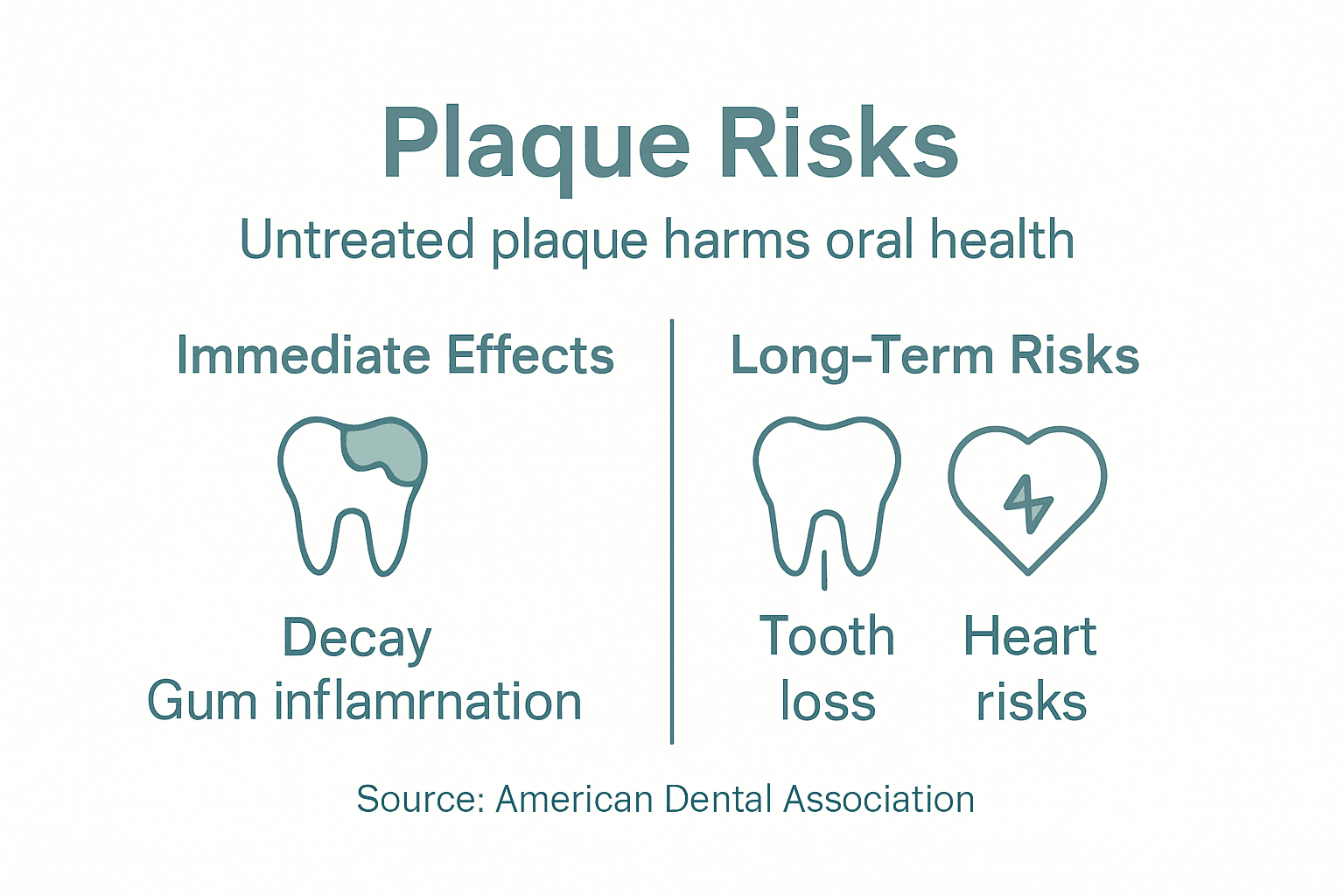
Cleveland Clinic experts warn that untreated plaque can lead to multiple progressive oral health problems. The bacteria in plaque produce acids that systematically destroy tooth enamel and irritate gum tissues, creating a destructive cycle of dental deterioration.
The key risks of untreated dental plaque include:
- Tooth decay: Progressive enamel destruction
- Gingivitis: Initial stage of gum inflammation
- Periodontitis: Advanced gum disease
- Tooth loss: Ultimate consequence of chronic bacterial damage
- Bad breath: Persistent oral odor from bacterial buildup
According to UF Health research, untreated plaque transforms into tartar, a hardened substance that significantly increases inflammation and infection risks. This progression can cause:
- Persistent gum bleeding
- Chronic inflammation
- Accelerated tooth decay
- Potential systemic health complications
Untreated dental plaque is not just an oral health issue, but a potential gateway to broader health problems affecting cardiovascular and immune system functioning.
Beyond immediate oral concerns, chronic plaque buildup has been linked to increased risks of heart disease, diabetes complications, and potentially even respiratory infections. The bacterial ecosystem in untreated plaque can enter the bloodstream, triggering widespread inflammatory responses.
Pro tip: Schedule a professional dental cleaning every six months and maintain a consistent daily oral hygiene routine to prevent plaque-related health risks.
Effective removal methods for busy adults
Dental plaque removal demands strategic approaches tailored for professionals juggling packed schedules. Busy adults need efficient, time-conscious techniques that maximize oral health without consuming significant daily time.
Cleveland Clinic health experts recommend developing a streamlined oral hygiene routine that fits seamlessly into hectic lifestyles. The key is selecting methods that deliver maximum cleaning impact with minimal time investment.
Effective plaque removal strategies for time-pressed individuals include:
- Electric toothbrushes: Faster, more thorough cleaning
- Water flossers: Quick interdental cleaning option
- Fluoride toothpaste: Enhanced bacterial protection
- Two-minute brushing: Comprehensive cleaning technique
- Night-time routine: Critical maintenance window
According to American Dental Association guidelines, critical plaque control techniques involve:
- Flossing before brushing
- Using soft-bristled brushes
- Applying proper brushing technique
- Consistent daily maintenance
Time-efficient oral hygiene is not about doing everything perfectly, but about implementing consistent, strategic practices that fit your lifestyle.
Technology has transformed plaque removal for busy professionals. Modern electric toothbrushes with timer functions and ergonomic designs enable thorough cleaning in significantly reduced timeframes, making comprehensive oral care more accessible than ever.
Pro tip: Keep a travel-sized oral hygiene kit in your workspace or bag to maintain dental health during unpredictable workdays.
Common mistakes and best alternatives
Dental plaque removal requires precision and understanding. Many individuals unknowingly compromise their oral health through seemingly innocent but harmful practices that can significantly impact long-term dental wellness.
New Health Advisor research reveals common mistakes that undermine effective plaque control. Recognizing these errors is the first step toward developing a more strategic oral hygiene approach.
Frequent plaque removal mistakes include:
- Aggressive brushing: Damaging enamel and gum tissues
- Insufficient brushing time: Less than two minutes per session
- Skipping flossing: Neglecting hard-to-reach areas
- Using incorrect tools: Relying on ineffective cleaning implements
- Inconsistent routine: Irregular oral hygiene practices
According to University of Florida dental research, best alternatives for effective plaque management involve:
Compare common plaque removal mistakes vs. best alternatives for optimal oral health:
| Mistake | Consequence | Best Alternative |
|---|---|---|
| Aggressive brushing | Enamel erosion, gum injury | Gentle circular brushing |
| Skipping floss | Plaque in gaps | Daily proper flossing |
| Inconsistent routine | Persistent buildup | Consistent twice-daily cleaning |
| Incorrect tools | Ineffective plaque removal | Electric brush, soft bristles |
- Using soft-bristled toothbrushes
- Brushing at 45-degree angle to gumline
- Employing gentle circular motions
- Flossing with proper technique
- Regular professional dental cleanings
Effective plaque removal is not about using force, but about using the right techniques with consistent, gentle precision.
Technology and technique have transformed plaque management. Modern tools like electric toothbrushes with pressure sensors and interdental cleaners provide sophisticated alternatives to traditional methods, making comprehensive oral care more accessible and efficient.
Pro tip: Invest in a timer or electric toothbrush with built-in two-minute tracking to ensure consistently thorough cleaning.
Discover a Faster Way to Remove Dental Plaque for Busy Lives
The article highlights a common challenge many face today: maintaining thorough plaque removal while juggling demanding schedules. It points out that most people brush for less than a minute, far below the recommended two minutes required to disrupt and remove plaque effectively. This gap leaves you vulnerable to risks like tooth decay and gum disease from untreated plaque buildup. Time constraints, inconsistent routines, and the struggle to fit lengthy oral hygiene into busy days create a critical need for a solution that respects your lifestyle without compromising your oral health.
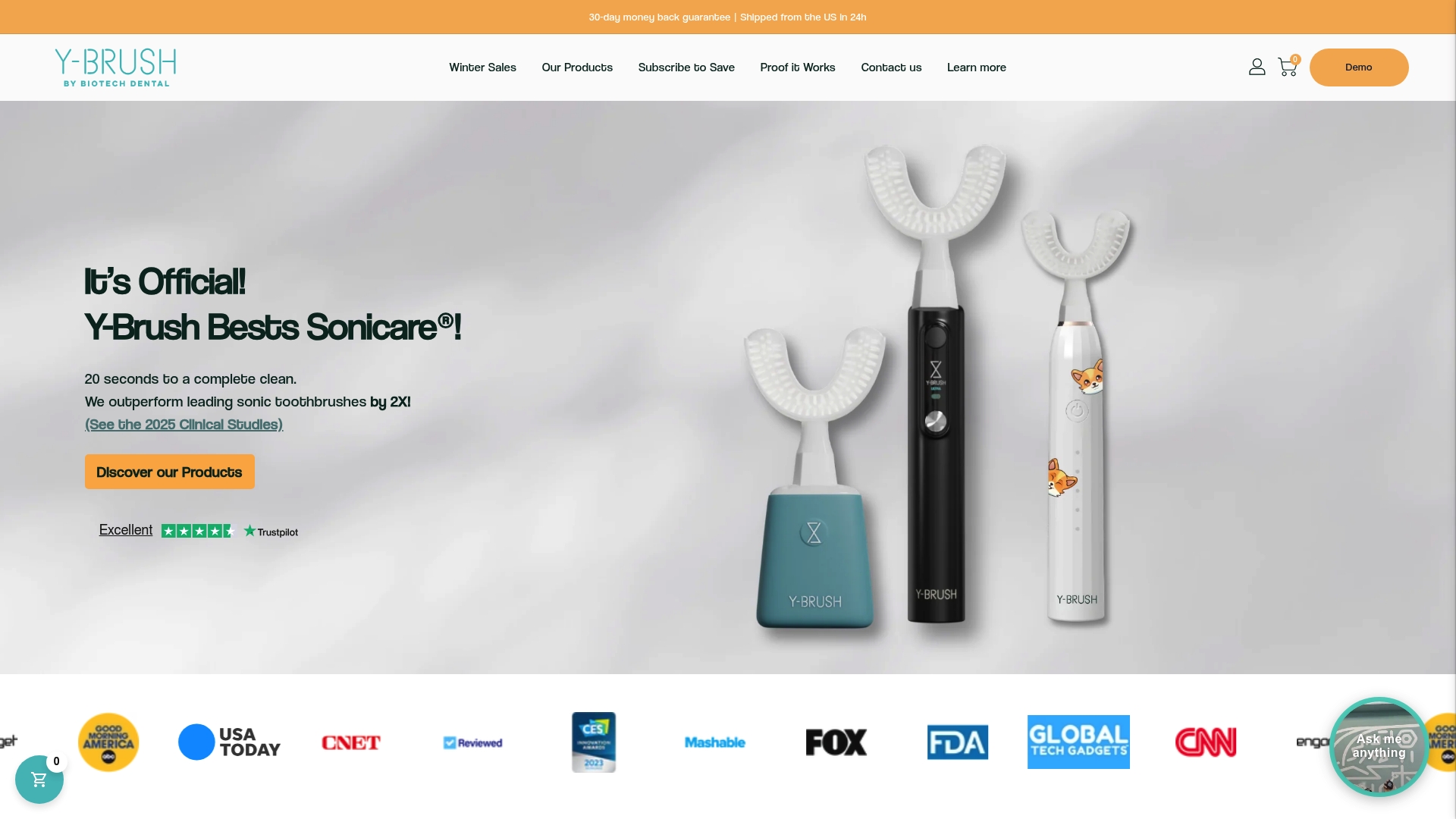
Experience the future of oral care with Y-Brush, designed specifically for people who want superior plaque removal in just 20 seconds. This innovative toothbrush fits seamlessly into hectic routines, giving you the confidence of a plaque-free smile without investing extra time. Don’t let dental plaque put your health at risk. Take control today by embracing a faster, smarter way to keep your teeth clean and healthy. Visit Y-Brush to learn how better plaque removal is possible even with the busiest schedule.
Frequently Asked Questions
What is dental plaque, and why is it important to remove it?
Dental plaque is a sticky film of bacteria that forms on your teeth throughout the day. It’s crucial to remove plaque because it can harden into tartar, leading to tooth decay, gum disease, and other oral health complications.
How can I effectively remove dental plaque during my busy daily routine?
To effectively remove dental plaque, use an electric toothbrush for thorough cleaning, incorporate a water flosser to clean between teeth, and ensure you’re brushing for two minutes twice a day with fluoride toothpaste.
What common mistakes should I avoid when trying to remove dental plaque?
Common mistakes include aggressive brushing, insufficient brushing time, skipping flossing, and using ineffective tools. Instead, opt for gentle brushing techniques and ensure consistent daily oral hygiene practices.
How often should I visit the dentist for plaque removal?
You should schedule professional dental cleanings every six months to remove tartar and maintain optimal oral health, along with practicing daily plaque removal at home.


