


Choosing the right oral care habits can feel overwhelming when you’re balancing effectiveness with your busy lifestyle. Most people know they should brush for two minutes, yet 90% fall short, averaging under one minute per session. This guide evaluates scientifically backed oral care habits using clear criteria like cleaning efficacy, time efficiency, and cost, helping you build a routine that truly fits your life while maximizing dental health benefits.
Table of Contents
- Selection Criteria For Oral Care Habits
- Habit 1: Manual Brushing With Proper Technique
- Habit 2: Electric Toothbrushing
- Habit 3: Use Of Time-Efficient Automatic Toothbrushes
- Habit 4: Daily Flossing Techniques
- Habit 5: Use Of Mouthwash With Fluoride
- Habit 6: Interdental Cleaning With Brushes
- Summary Comparison Table Of Oral Care Habits
- Situational Recommendations For Choosing Oral Care Habits
- Upgrade Your Oral Care Routine With Y-Brush
- Frequently Asked Questions About Oral Care Habits
Key takeaways
| Point | Details |
|---|---|
| Manual brushing works but demands discipline | Requires proper technique and full two minutes to remove plaque effectively. |
| Electric toothbrushes boost plaque removal | Deliver 21% better cleaning and help users maintain recommended brushing duration. |
| Automatic brushes save time without sacrificing quality | Clean the entire mouth in 20 seconds, ideal for extremely busy schedules. |
| Flossing and mouthwash add critical protection | Reduce gum disease by 30% and cavity risk by 20% when combined with brushing. |
| Match habits to your lifestyle and budget | Select tools based on time availability, oral health needs, and financial considerations. |
Selection criteria for oral care habits
Evaluating oral care habits requires looking beyond marketing claims to focus on what truly matters for your dental health. Effective plaque removal stands as the primary goal, since plaque buildup leads directly to cavities and gum disease. However, effectiveness means nothing if you can’t maintain the habit consistently.
Time efficiency has become critical in modern life. Manual brushing requires optimal technique and full attention to effectively clean plaque, which many users fail to achieve consistently. The reality is that most people struggle to dedicate two uninterrupted minutes twice daily, making time-efficient alternatives worth serious consideration.
Cost and accessibility shape habit adoption significantly. A $3 manual toothbrush versus a $150 electric model represents vastly different commitments, though long-term dental costs may shift this calculation. Consider these key factors:
- Cleaning efficacy: Does the habit remove plaque thoroughly from all tooth surfaces?
- Time requirement: How much daily time does proper execution demand?
- Technique complexity: Can you perform it correctly without extensive training?
- Financial investment: What are upfront and ongoing costs?
- Lifestyle fit: Does it integrate smoothly into your existing routine?
Complementary habits like flossing and mouthwash work synergistically with brushing to protect areas your toothbrush can’t reach effectively. Interdental spaces harbor 40% of tooth surfaces, making these supplementary practices essential rather than optional.
“The best oral care routine is the one you’ll actually follow consistently. Choose habits that match your lifestyle, not an idealized version of it.”
Habit 1: Manual brushing with proper technique
Manual brushing remains the foundation of oral hygiene when executed correctly. The American Dental Association recommends brushing for two full minutes using gentle circular motions at a 45-degree angle to the gumline. This technique removes plaque effectively while protecting enamel and gum tissue from damage.
The challenge lies in consistency. More than 60% of users fail to use recommended brushing technique consistently, often rushing through the process or applying excessive pressure. Common errors include missing posterior teeth, neglecting the tongue side of teeth, and switching sides too quickly.
Manual brushes offer significant advantages in accessibility and cost. You can find quality options for $3 to $10, and they require no charging or batteries. They’re perfect for travel and allow precise control over pressure and angle.
Best practices for manual brushing include:
- Divide your mouth into quadrants, spending 30 seconds on each
- Use a soft-bristled brush to prevent gum recession
- Replace your brush every three months or when bristles fray
- Brush all surfaces: outer, inner, and chewing surfaces
- Don’t forget your tongue to remove bacteria causing bad breath
Manual brushing suits users willing to invest time learning proper technique and maintaining disciplined timing. If you’re detail-oriented and enjoy having complete control over your oral care, this traditional method can deliver excellent results.
Pro Tip: Set a two-minute timer on your phone or use a brushing app to ensure you’re meeting the recommended duration. Most people drastically underestimate how long they actually brush.
Habit 2: Electric toothbrushing
Electric toothbrushes transform oral care by automating the brushing motion, reducing technique errors that compromise cleaning effectiveness. The rotating or oscillating brush head performs thousands of strokes per minute, far exceeding what’s possible manually.
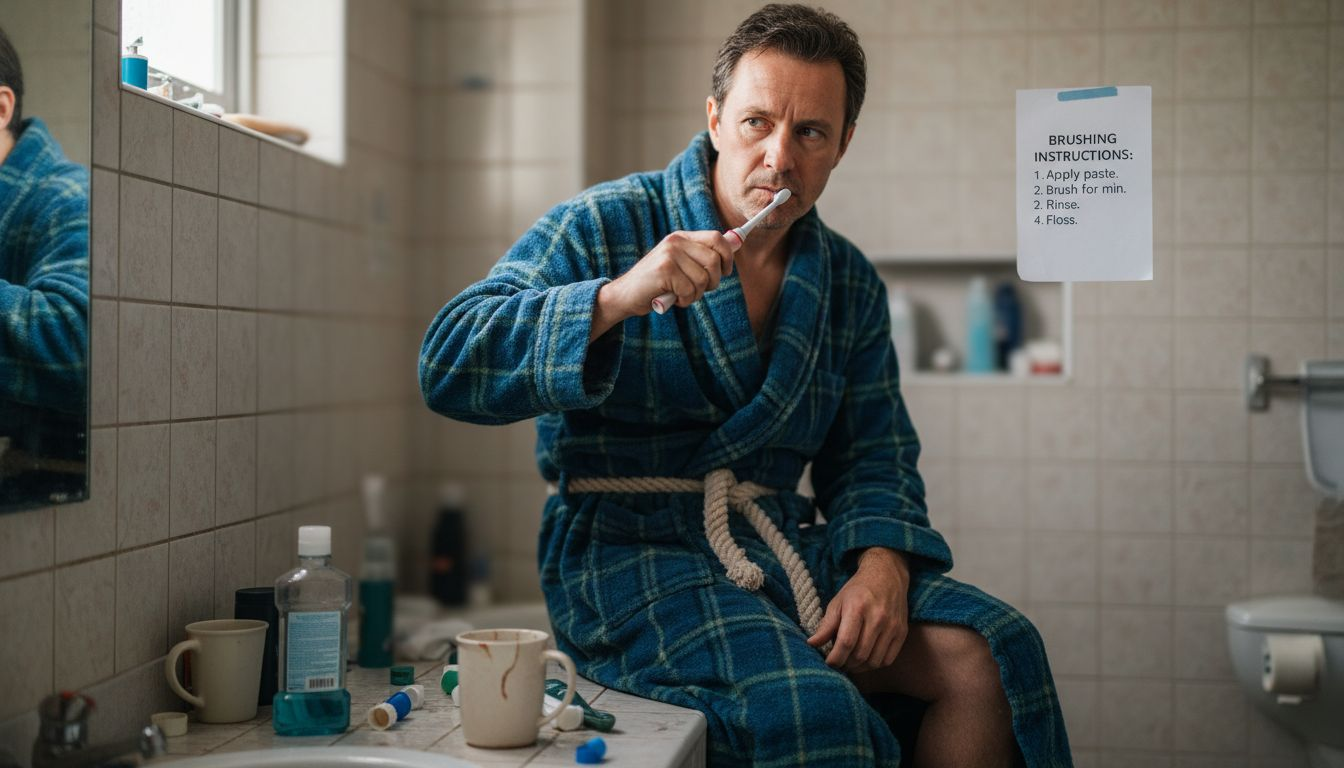
Research demonstrates measurable benefits. Using an electric toothbrush increases plaque removal effectiveness by 21% compared to manual brushing. This advantage stems from consistent motion patterns and built-in timers that encourage users to brush the full two minutes.
Initial investment ranges from $30 for basic models to $200 for premium options with pressure sensors, multiple cleaning modes, and smartphone connectivity. Replacement brush heads cost $5 to $15 quarterly, adding to long-term expenses. However, many users find improved dental checkup results justify the cost.
Key benefits include:
- Reduced physical effort makes brushing less tiring
- Built-in timers ensure adequate brushing duration
- Pressure sensors prevent aggressive brushing that damages gums
- Various brush head options accommodate different dental needs
- Some models track brushing habits via smartphone apps
Electric brushes prove ideal for people seeking improved cleaning effectiveness without mastering complex manual techniques. They particularly benefit those with limited dexterity, orthodontic appliances, or a history of inadequate plaque removal.
“Electric toothbrushes remove the guesswork from brushing technique, letting technology handle the hard work while you focus on covering all tooth surfaces.”
Habit 3: Use of time-efficient automatic toothbrushes
Automatic toothbrushes represent the newest innovation in oral care, designed specifically for people who struggle to find even two minutes in their hectic schedules. These devices clean your entire mouth simultaneously using a mouthpiece that contacts all tooth surfaces at once.
The Y-Brush essential sonic toothbrush exemplifies this technology, delivering a complete clean in just 20 seconds. The mouthpiece features nylon bristles positioned to reach every tooth surface while sonic vibrations provide thorough plaque removal comparable to traditional two-minute brushing.
This dramatic time reduction addresses the core problem: most people don’t brush long enough because they genuinely lack time or patience. Automatic brushes meet users where they are, making excellent oral hygiene achievable even during rushed mornings or exhausted evenings.
Advantages of automatic toothbrushes:
- Whole-mouth cleaning in 20 seconds versus 2 minutes
- Eliminates technique errors through standardized contact
- Perfect for children who resist lengthy brushing sessions
- Simplifies travel with compact, efficient design
- Consistent results regardless of user skill level
| Feature | Traditional Brushing | Automatic Brushing |
|---|---|---|
| Time Required | 2 minutes | 20 seconds |
| Technique Needed | Moderate to high | Minimal |
| Coverage | Depends on user | Simultaneous full mouth |
| Price Range | $3-$200 | $80-$150 |
Automatic brushes suit extremely busy professionals, parents managing multiple children’s routines, or anyone who consistently fails to brush adequately due to time constraints. They prove especially valuable for people with attention difficulties who struggle maintaining focus for two minutes.
Pro Tip: Many users find automatic brushes work best as their primary method during hectic weekdays, while using traditional brushes for more thorough weekend cleaning. This hybrid approach balances speed with comprehensive care.
Discover how automatic toothbrush innovations continue advancing to meet modern lifestyle demands, and learn more about Y-Brush brushing technique for optimal results.
Habit 4: Daily flossing techniques
Brushing alone misses approximately 40% of tooth surfaces, specifically the tight spaces between teeth where plaque accumulates readily. Daily flossing addresses this critical gap, reaching areas your toothbrush simply cannot access effectively.
Studies show daily flossing combined with proper brushing reduces gum disease risk by roughly 30%. This protection stems from removing food particles and plaque before they harden into tartar or trigger inflammatory responses in gum tissue.
Two primary flossing methods exist, each with distinct advantages:
- String floss: Traditional approach using waxed or unwaxed thread requires proper technique to avoid cutting gums. Cost-effective at under $5 monthly but demands manual dexterity and patience.
- Water flossers: Use pressurized water streams to flush debris from between teeth. Research indicates water flossers improve gum health 29% more than string floss while being gentler on sensitive gums. Initial cost runs $40 to $100, with minimal ongoing expenses.
Proper string floss technique involves using 18 inches of floss, wrapping most around your middle fingers, and gently sliding it between teeth using a C-shape motion around each tooth. Never snap floss aggressively into gums, as this causes damage rather than cleaning.
Water flossers offer significant advantages for orthodontic patients, people with arthritis, or anyone finding string floss difficult. The water pressure setting adjusts to comfort level while still providing thorough cleaning.
Consistency matters more than perfection. Flossing once daily, preferably before bedtime, removes the day’s accumulated debris and prevents overnight bacterial growth. If daily flossing feels overwhelming initially, start with three times weekly and build up gradually.
Habit 5: Use of mouthwash with fluoride
Fluoride mouthwash serves as the final layer in a comprehensive oral care routine, offering benefits that brushing and flossing alone cannot provide. This liquid antimicrobial rinse reaches every surface in your mouth, including soft tissues, while delivering cavity-fighting fluoride to strengthen enamel.
Research demonstrates mouthwash containing fluoride significantly lowers the incidence of dental caries by up to 20%. This protective effect stems from fluoride ions integrating into tooth enamel, making it more resistant to acid attacks from bacteria and dietary sugars.
Use fluoride mouthwash after brushing and flossing for maximum benefit. The cleaning actions of brushing and flossing remove debris and plaque, allowing the mouthwash better contact with tooth surfaces. Swish vigorously for 30 to 60 seconds to ensure thorough coverage.
Key advantages include:
- Freshens breath by killing odor-causing bacteria
- Reaches areas difficult to clean mechanically
- Strengthens enamel through fluoride remineralization
- Reduces cavity formation in high-risk individuals
- Takes less than one minute to use
Avoid eating or drinking for 30 minutes after using fluoride mouthwash to allow maximum fluoride uptake by your teeth. This waiting period proves especially important for people prone to cavities or those with weakened enamel.
Fluoride mouthwash works best for cavity-prone individuals, people with dry mouth conditions, or anyone seeking extra protection beyond mechanical cleaning. At $5 to $10 per bottle lasting several weeks, it represents an affordable supplement to your oral care arsenal.
Habit 6: Interdental cleaning with brushes
Interdental brushes offer an alternative approach to cleaning between teeth that many users find easier and more effective than traditional floss. These small, cone-shaped brushes insert between teeth to physically scrub away plaque and food particles.
Clinical studies show interdental brushes remove 40% more plaque from between teeth compared to string floss when used correctly. This superior performance results from the brush bristles physically scrubbing tooth surfaces rather than simply sliding past them.
The technique is straightforward. Select a brush size that fits snugly between your teeth without forcing. Insert the brush and move it back and forth several times, using gentle in-and-out motions. The bristles should contact both adjacent tooth surfaces during each stroke.
Interdental brushes excel in specific situations:
- Wider gaps between teeth where floss doesn’t contact surfaces well
- Orthodontic appliances requiring cleaning around brackets and wires
- Dental bridges needing cleaning under artificial teeth
- Users with arthritis or limited finger dexterity finding floss difficult
- People with gum recession creating accessible interdental spaces
Brushes come in various sizes, typically ranging from 0.4mm to 1.5mm diameter. You may need different sizes for different areas of your mouth. Replace brushes weekly or when bristles become worn or bent.
Cost remains reasonable at $8 to $15 for a multi-pack lasting several weeks. The slight premium over string floss often proves worthwhile given improved compliance and superior plaque removal for many users.
Regular interdental brush use significantly improves gum health markers and reduces cavity formation in interdental areas. Many dentists now recommend these brushes as first-line interdental cleaning tools for patients with adequate space between teeth.
Summary comparison table of oral care habits
Understanding how different oral care habits compare helps you build a routine matching your specific needs and constraints. This table synthesizes the key characteristics of each habit discussed.
| Habit | Duration | Plaque Removal | Cost Range | Best For |
|---|---|---|---|---|
| Manual Brushing | 2 minutes | Good with proper technique | $3-$10 initial | Detail-oriented users with time |
| Electric Brushing | 2 minutes | Excellent (21% better) | $30-$200 initial | Users wanting easier effectiveness |
| Automatic Brushing | 20 seconds | Excellent | $80-$150 initial | Extremely busy individuals |
| String Floss | 2-3 minutes | Good interdentally | $3-$5 monthly | Budget-conscious users |
| Water Flosser | 1-2 minutes | Excellent (29% better gums) | $40-$100 initial | Sensitive gums or braces |
| Interdental Brushes | 2-3 minutes | Excellent (40% better) | $8-$15 monthly | Wider gaps or dexterity issues |
| Fluoride Mouthwash | 1 minute | Supplementary (20% cavity reduction) | $5-$10 monthly | Cavity-prone individuals |
This comparison reveals no single “perfect” habit exists. Instead, effective oral care combines multiple habits tailored to your lifestyle, budget, and specific dental health challenges. Most people achieve optimal results using a primary brushing method plus at least one interdental cleaning approach and optional mouthwash.
Situational recommendations for choosing oral care habits
Selecting the right combination of oral care habits depends heavily on your unique circumstances. These scenario-based recommendations help you build a routine that actually works for your life.
-
Time-crunched professionals: Prioritize automatic brushing for 20-second efficiency, add water flossing that takes only one minute, and use fluoride mouthwash while getting dressed. Total time commitment under five minutes daily.
-
Comprehensive care seekers: Combine electric toothbrushing morning and night, string floss or interdental brushes once daily, and fluoride mouthwash after evening brushing. This routine maximizes protection across all dental health dimensions.
-
Budget-conscious individuals: Focus on perfecting manual brushing technique using a quality $5 brush, add string floss at $4 monthly, and consider fluoride mouthwash as budget allows. This minimal investment still delivers excellent results with proper execution.
-
Sensitive gum sufferers: Choose electric brushing with pressure sensors to prevent aggressive brushing, use water flossing instead of string floss to avoid gum trauma, and add alcohol-free fluoride mouthwash. This gentle approach protects delicate tissues.
-
Parents managing children: Automatic brushes transform resistant kids into cooperative brushers through novelty and speed. The 20-second duration fits even toddler attention spans while ensuring adequate cleaning.
-
Orthodontic patients: Water flossers navigate around brackets easily, interdental brushes clean under wires effectively, and electric brushing helps manage increased plaque accumulation around appliances.
Pro Tip: Reassess your routine every six months or after dental checkups. Your dentist can identify problem areas suggesting your current habits need adjustment. Life changes like new work schedules or health conditions may also require routine modifications.
The habits you choose matter far less than your consistency in performing them. Start with one or two changes rather than overhauling everything simultaneously. Build confidence and routine around those habits before adding more layers to your oral care practice.
Upgrade your oral care routine with Y-Brush
Now that you understand which habits deliver the best results, discover how Y-Brush makes implementing them remarkably simple. Our innovative sonic toothbrush technology delivers professional-level cleaning in a fraction of traditional brushing time.
The Y-Brush essential sonic toothbrush fits seamlessly into even the most hectic schedules, providing complete whole-mouth cleaning in just 20 seconds. This breakthrough addresses the core challenge: people know they should brush longer but simply don’t have the time or patience.
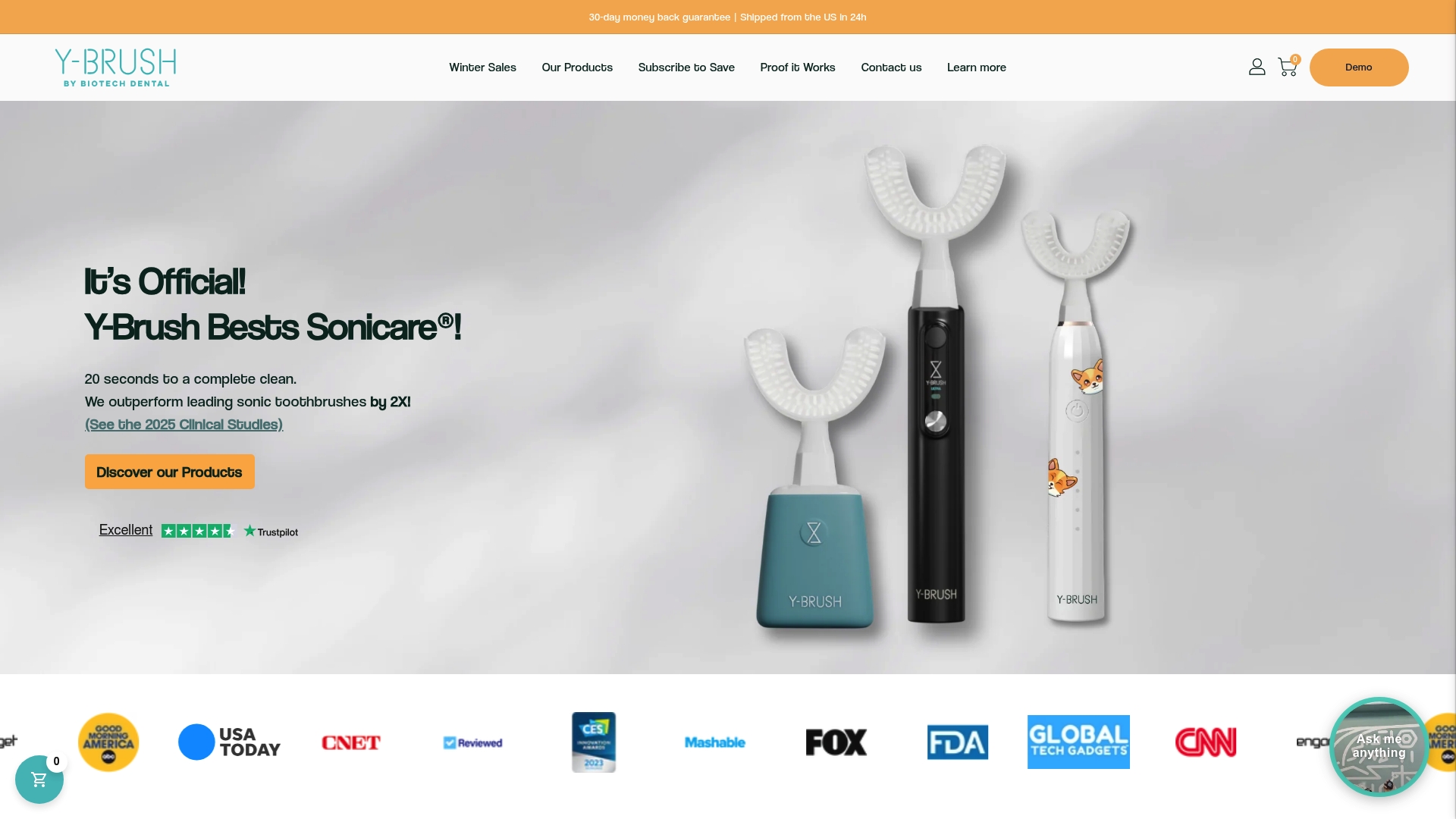
For families, the Y-Brush KidsBrush toothbrush transforms children’s oral care from daily battles into quick, effective routines kids actually enjoy. The engaging design and rapid cleaning make brushing feel like less of a chore.
Explore our full range of oral care upgrades including replacement brush heads, travel cases, and membership plans that ensure you never run out of supplies. Y-Brush delivers the plaque-free smile you want while respecting the time constraints you face.
Frequently asked questions about oral care habits
How long should I brush my teeth for the best results?
Traditional brushing requires two full minutes to adequately clean all tooth surfaces and remove plaque effectively. However, automatic toothbrushes using mouthpiece technology can deliver comparable results in just 20 seconds through simultaneous whole-mouth cleaning. Choose duration based on the brushing method you select.
Can I rely on electric toothbrushes instead of manual brushing?
Electric toothbrushes actually outperform manual brushing for most users, removing 21% more plaque through consistent automated motion. They eliminate technique errors common with manual brushing and include helpful features like timers and pressure sensors. Electric brushes represent an upgrade rather than a compromise.
Is flossing absolutely necessary if I brush well?
Yes, brushing alone cannot reach the 40% of tooth surfaces located between teeth where cavities and gum disease frequently start. Even perfect brushing misses these interdental areas where plaque accumulates readily. Daily flossing or interdental brush use remains essential for comprehensive oral health regardless of brushing quality.
What’s the best way to choose a mouthwash?
Select mouthwash based on your primary oral health concern. Fluoride mouthwash prevents cavities best and suits most people as a general protective measure. Antimicrobial mouthwashes target gum disease, while alcohol-free versions accommodate sensitive mouths. Check for American Dental Association approval to ensure effectiveness.
Are interdental brushes better than floss?
Interdental brushes remove 40% more plaque than string floss for many users, particularly those with wider gaps between teeth or orthodontic appliances. They’re also easier to use correctly, improving compliance. However, traditional floss works better for extremely tight contacts. Try both methods to determine which you’ll actually use consistently.


