


Many believe only electric toothbrushes deliver a truly effective clean, but manual toothbrushes effectively remove plaque when used correctly. Despite the rise of powered alternatives, traditional manual brushes remain a viable choice for millions seeking thorough oral care. This guide explores how manual toothbrushes work, compares their effectiveness to electric models, and shares proven techniques to maximize your brushing results.
Table of Contents
- What Is A Manual Toothbrush And How Does It Work?
- How Different Bristle Designs Affect Cleaning Effectiveness
- Manual Versus Electric Toothbrush: What The Evidence Says
- Effective Manual Brushing Technique For Best Results
- Explore Advanced Oral Care Tools For Better Efficiency
- What Is A Manual Toothbrush? Frequently Asked Questions
Key takeaways
| Point | Details |
|---|---|
| Manual brushes work effectively | Proper technique and duration produce excellent plaque removal results |
| Bristle design matters less | Three bristle designs performed equally in clinical studies |
| Technique drives results | The Bass method at 45 degrees optimizes cleaning and gum health |
| Electric brushes show advantages | Clinical trials found significantly reduced bleeding sites with electric models |
| Replace every 2-3 months | Fresh bristles maintain cleaning power and hygiene |
What is a manual toothbrush and how does it work?
A manual toothbrush is a handheld oral hygiene tool featuring a plastic handle attached to a bristled head. Unlike electric models, it relies entirely on your hand movements to create the mechanical action that removes plaque and food particles from teeth and gums. Dental professionals recommend brushing for two full minutes twice daily with fluoride toothpaste to achieve optimal results.
The cleaning power comes from physical friction between bristles and tooth surfaces. When you move the brush correctly across enamel and along the gumline, bristles dislodge bacterial biofilm before it hardens into tartar. This simple mechanical process has protected oral health for generations.
For best results, consider these fundamental guidelines:
- Choose soft or extra-soft bristles to protect enamel and gum tissue
- Apply gentle pressure; aggressive scrubbing damages rather than helps
- Cover all tooth surfaces including backs, tops, and near the gumline
- Brush your tongue to remove bacteria and freshen breath
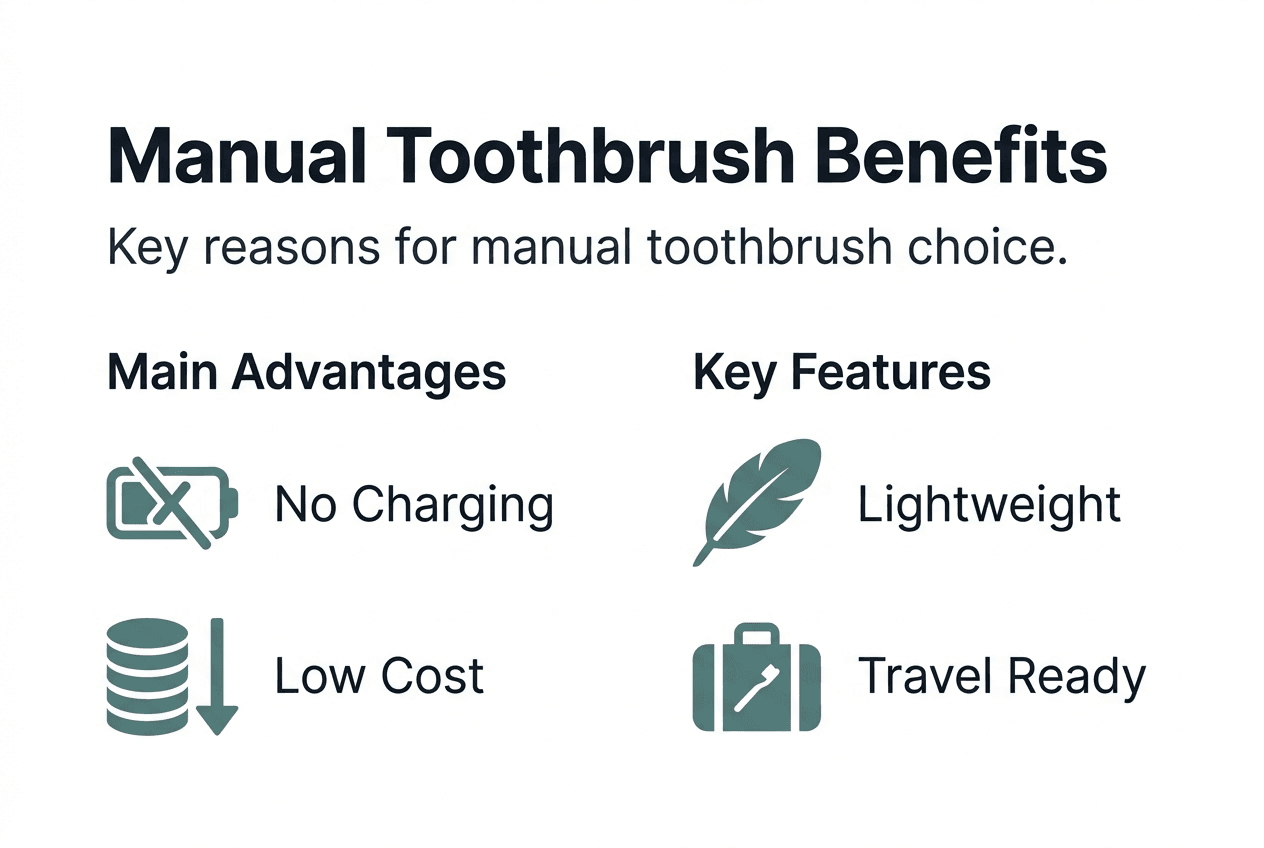
Manual toothbrushes cost less than electric alternatives and require no charging or battery replacement. They offer excellent portability for travel and work well for people of all ages. Understanding the manual vs sonic toothbrush comparison helps you decide which tool fits your lifestyle best.
Pro Tip: Keep your manual toothbrush upright in a holder after use so bristles air dry completely, preventing bacterial growth between brushing sessions.
How different bristle designs affect cleaning effectiveness
You might assume that advanced bristle patterns deliver superior cleaning compared to basic designs. Research challenges this assumption. A 2025 clinical study compared three common bristle configurations and found that zigzag, flat, and wavy designs were equally effective at removing plaque and reducing gum inflammation over a three-week period.
The zigzag pattern showed slightly better performance in the study, with participants experiencing marginally less plaque buildup and inflammation. However, these differences failed to reach statistical significance, meaning the advantage was too small to recommend one design over another confidently.

What matters more than bristle arrangement is bristle softness and your brushing technique. Hard bristles can wear down enamel and irritate gums, particularly when you apply too much pressure. Dentists consistently recommend soft bristles for daily use.
| Bristle Design | Plaque Reduction | Gum Health Impact | Statistical Significance |
|---|---|---|---|
| Zigzag | Highest observed | Best observed | Not significant |
| Flat | Moderate | Moderate | Not significant |
| Wavy | Moderate | Moderate | Not significant |
This research suggests you should focus less on fancy bristle patterns and more on consistent, thorough brushing habits. Any quality manual toothbrush with soft bristles will serve you well when combined with proper technique. Learn more about toothbrush design and oral care principles to make informed choices.
Pro Tip: When shopping for a manual toothbrush, check the bristle firmness rating on the package and always choose soft or extra-soft options to protect your oral tissues.
Manual versus electric toothbrush: what the evidence says
Clinical trials provide clear insights into how manual and electric toothbrushes compare in real-world use. A 2023 study published in the Journal of Dental Hygiene tracked participants using either manual brushes or oscillating-rotating electric brushes over 12 weeks. Results showed the electric toothbrush group experienced significantly greater reductions in bleeding sites and plaque accumulation compared to manual brush users.
After just four weeks, electric toothbrush users showed measurably healthier gums. By week 12, the difference in oral health markers had grown even more pronounced. These findings suggest powered brushes offer real advantages for people struggling with gum inflammation or inconsistent brushing habits.
However, manual toothbrushes remain effective when used correctly. The key differences include:
- Electric brushes automate the cleaning motion, reducing user error
- Manual brushes require disciplined technique and adequate brushing time
- Electric models often include timers to ensure two-minute sessions
- Manual brushes depend entirely on your consistency and attention to detail
Neither type guarantees results without commitment to twice-daily brushing for the full two minutes. Many people underestimate how long two minutes actually feels, cutting their sessions short and compromising effectiveness regardless of brush type.
| Feature | Manual Toothbrush | Electric Toothbrush |
|---|---|---|
| Plaque removal | Effective with proper technique | Superior in clinical trials |
| Gum health | Good when used correctly | Better reduction in inflammation |
| Ease of use | Requires skill and attention | Automated motion reduces errors |
| Cost | Low upfront and ongoing | Higher initial cost, replacement heads |
| Portability | Excellent | Requires charger or batteries |
Your choice should reflect your oral health needs, budget, and lifestyle. If you have excellent brushing habits and healthy gums, a manual brush works fine. If you struggle with technique or have recurring gum issues, an electric model may justify the investment. Explore automatic vs manual toothbrush benefits and effectiveness of automatic vs manual toothbrush comparisons to guide your decision.
Pro Tip: If you choose a manual toothbrush, set a phone timer for two minutes during each brushing session to ensure you meet the recommended duration for optimal cleaning.
Effective manual brushing technique for best results
Technique transforms an ordinary manual toothbrush into a powerful oral health tool. The Bass technique angled at 45 degrees represents the gold standard for manual brushing, delivering superior plaque removal and gum care when performed correctly.
Follow these steps for optimal manual brushing:
- Hold your toothbrush at a 45-degree angle where teeth meet gums
- Use gentle, short back-and-forth strokes covering 2-3 teeth at a time
- Brush outer surfaces of all upper teeth, then all lower teeth
- Repeat on inner surfaces of all teeth using the same angled approach
- Brush chewing surfaces with firm back-and-forth strokes
- Tilt the brush vertically to clean behind front teeth with up-and-down strokes
- Gently brush your tongue from back to front to remove bacteria
- Rinse your mouth and toothbrush thoroughly when finished
The entire process should take two full minutes twice daily. Common mistakes include brushing less than two minutes and applying excessive pressure, both of which reduce effectiveness and may damage delicate gum tissue. Think of brushing as a gentle massage rather than aggressive scrubbing.
Soft bristles combined with correct angulation reach slightly below the gumline where plaque accumulates most. This area requires special attention because bacterial buildup here causes gingivitis and eventual gum disease if left undisturbed.
Replace your manual toothbrush every two to three months, or sooner if bristles become frayed or discolored. Worn bristles lose their cleaning ability and can harbor bacteria that reintroduce microbes into your mouth. Mark your calendar or subscribe to automatic replacement reminders to maintain fresh brushes year-round.
Pro Tip: Place a small mirror on your bathroom counter during brushing to verify you are maintaining the correct 45-degree angle and reaching all tooth surfaces, especially hard-to-see back molars.
When choosing between electric and manual toothbrush options, remember that proper technique matters more than the tool itself for achieving excellent oral health outcomes.
Explore advanced oral care tools for better efficiency
Mastering manual brushing technique delivers real results, but you value your time. Y-Brush sonic electric toothbrushes combine cutting-edge technology with user-friendly design to deliver thorough cleaning in a fraction of traditional brushing time. These advanced tools fit seamlessly into busy morning and evening routines without compromising oral health.
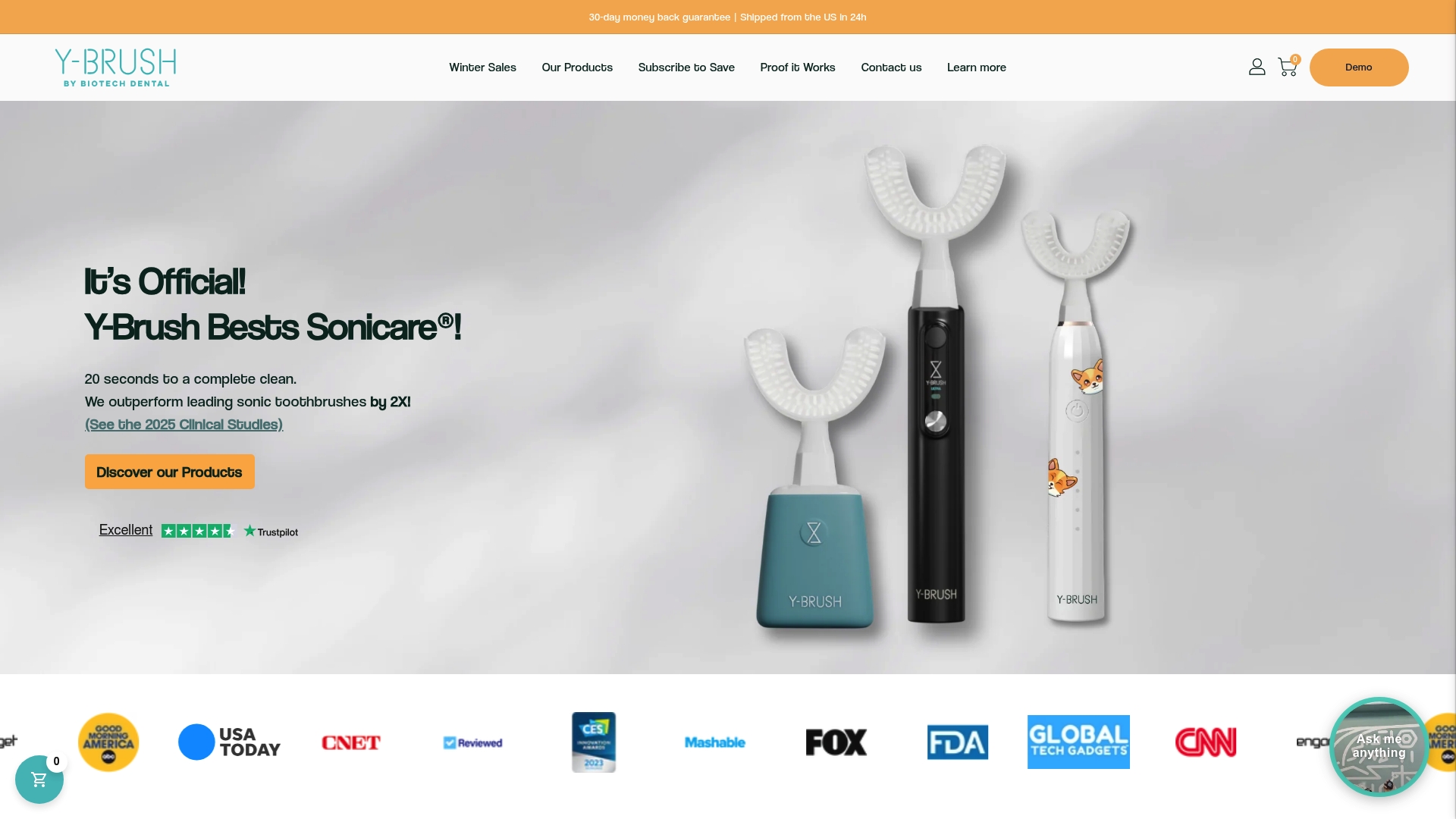
The Y-Brush Essential Sonic Toothbrush provides powerful sonic vibrations that remove plaque efficiently while remaining gentle on enamel and gums. For families seeking versatile options, the Y-Brush DuoBrush Sonic Electric Toothbrush accommodates both adults and children with interchangeable brush heads designed for different age groups.
These sonic brushes automate the mechanical action that manual brushing requires you to create through hand movements. The result is consistent, effective cleaning every session without the physical effort or technique mastery that manual brushes demand. Discover how to brush smarter not longer while maintaining the confidence that comes from excellent oral hygiene.
What is a manual toothbrush? Frequently asked questions
What is the main difference between manual and electric toothbrushes?
Manual toothbrushes rely entirely on your hand movements to clean teeth, while electric models use powered vibration or rotation to automate the brushing motion. Electric toothbrushes typically deliver more consistent results and require less technique, but manual brushes remain highly effective when used with proper method and adequate brushing time.
How long should I brush my teeth with a manual toothbrush?
Brush for two full minutes twice daily, spending about 30 seconds on each quadrant of your mouth. Most people significantly underestimate this duration, cutting sessions short and reducing cleaning effectiveness. Set a timer on your phone or use a bathroom clock to ensure you meet the recommended two-minute standard every time.
How often should I replace my manual toothbrush?
Replace your manual toothbrush every two to three months, or sooner if bristles become frayed, bent, or discolored. Worn bristles lose their ability to remove plaque effectively and may harbor harmful bacteria. Regular replacement maintains optimal cleaning power and protects your oral health investment.
Does bristle design really matter for cleaning effectiveness?
Clinical studies show minimal difference between common bristle patterns like zigzag, flat, or wavy designs. Bristle softness and your brushing technique matter far more than the specific pattern. Always choose soft or extra-soft bristles and focus on mastering the 45-degree angled Bass technique for best results.
Can I achieve the same results with a manual toothbrush as an electric one?
Yes, when used with excellent technique and consistent two-minute brushing sessions twice daily. However, research shows electric toothbrushes deliver superior plaque removal and gum health improvements for most users. Your success with a manual brush depends heavily on your commitment to proper form and adequate brushing duration. Learn more about electric vs manual toothbrush choice to determine which option suits your lifestyle and oral health needs.


