


Nearly half of all Americans brush their teeth just once a day, despite clear recommendations to brush twice daily. This gap between knowledge and practice leads to preventable cavities, gum disease, and even serious systemic health complications. Understanding why proper brushing matters and how to do it effectively can transform your oral health and protect your overall wellbeing. This guide reveals the essential reasons to brush, optimal timing strategies, and expert techniques for maintaining a healthy smile.
Table of Contents
- Understanding Why Brushing Teeth Matters
- How Often And When Should You Brush Your Teeth?
- Choosing The Right Tools And Techniques For Effective Brushing
- Common Mistakes And Expert Tips For Maintaining Healthy Teeth
- Upgrade Your Brushing Routine With Y-Brush
- FAQ
Key takeaways
| Point | Details |
|---|---|
| Brushing twice daily significantly reduces risk of cavities and gum disease | Consistent brushing removes harmful plaque before it hardens into tartar |
| Using fluoride toothpaste helps protect enamel and prevents decay | Fluoride strengthens tooth surfaces and reverses early damage |
| Proper technique and timing matter as much as brushing frequency | Brushing before bed and waiting after acidic foods maximizes protection |
| Poor oral hygiene links to serious health conditions like heart disease | Bacteria from your mouth can enter the bloodstream and affect vital organs |
| Balancing frequency prevents enamel damage and maintains gum health | More than twice daily can actually wear down protective enamel |
Understanding why brushing teeth matters
Your mouth hosts billions of bacteria that constantly form a sticky film called plaque on your teeth. When you eat, these bacteria feast on sugars and starches, producing acids that attack tooth enamel. Without regular brushing, plaque accumulates rapidly and hardens into tartar, creating an environment where cavities flourish and gum infections take hold.
The consequences extend far beyond your mouth. Research shows that poor dental hygiene can lead to heart disease and diabetes complications, as bacteria from infected gums enter your bloodstream. These microorganisms can trigger inflammation throughout your body, contributing to arterial plaque buildup and making blood sugar control more difficult.
Brushing twice daily with proper technique reduces cavities and gum disease by mechanically removing plaque before it causes damage. Think of it like cleaning your kitchen counters. If you wipe them once, bacteria start multiplying immediately. Regular cleaning keeps harmful buildup at bay.
The benefits of consistent brushing include:
- Prevention of painful cavities that require expensive fillings or root canals
- Protection against gingivitis and periodontitis that can lead to tooth loss
- Fresher breath and improved confidence in social situations
- Lower risk of systemic diseases linked to oral bacteria
- Reduced need for costly dental interventions over your lifetime
“Your mouth is the gateway to your body. What happens there doesn’t stay there. Bacteria from gum disease can travel through your bloodstream and contribute to serious health problems.”
Understanding why brush your teeth goes beyond avoiding cavities. You’re investing in your cardiovascular health, metabolic function, and quality of life. Every brushing session removes millions of bacteria and prevents the cascade of problems that begin with neglected oral hygiene.
How often and when should you brush your teeth?
The standard recommendation is clear: brush twice daily for optimal oral health. Yet only 53% of people worldwide brush twice a day, with many Americans brushing just once, typically in the morning. This single session leaves your teeth vulnerable for the remaining hours, especially overnight when bacterial activity intensifies.
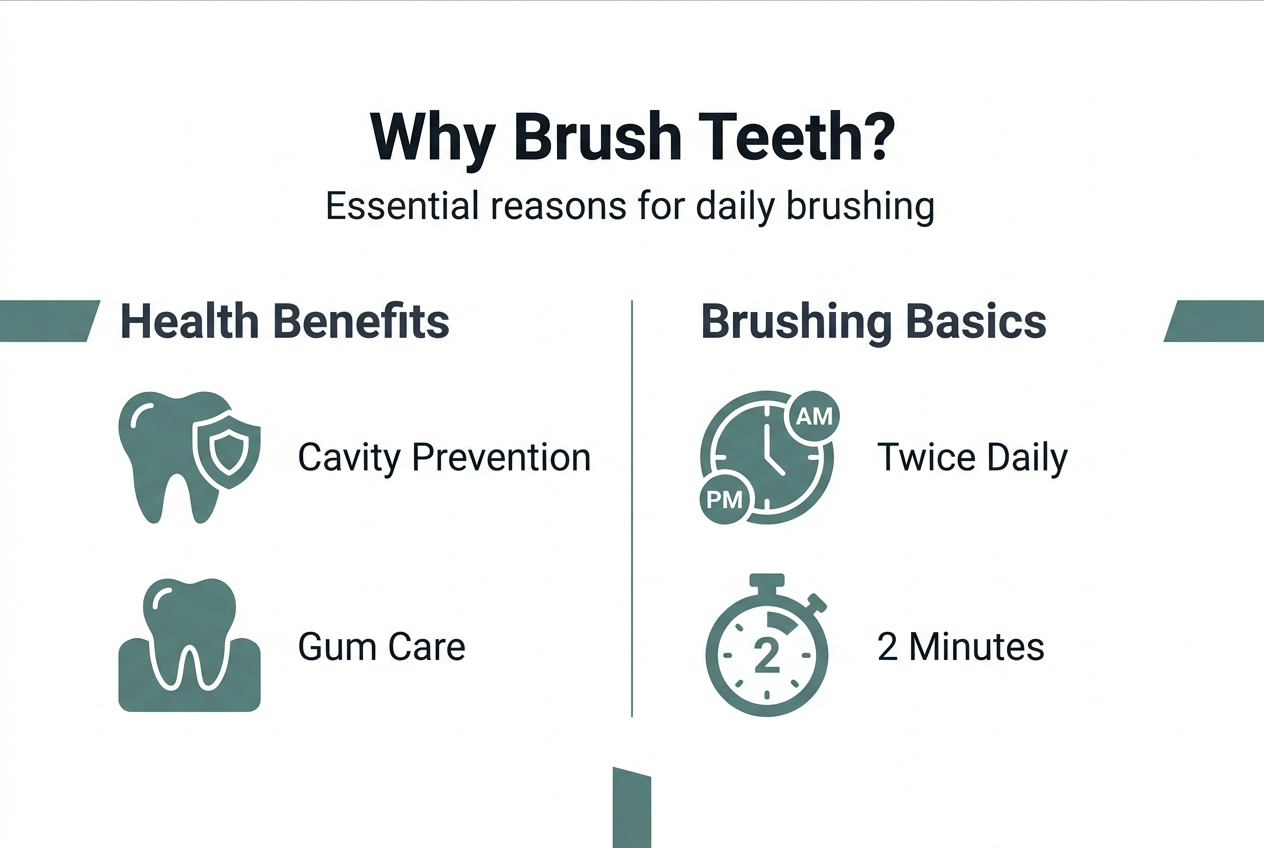
Timing matters as much as frequency. Brushing before bed is critical due to low saliva production while sleeping. Saliva naturally washes away food particles and neutralizes acids, but its flow decreases dramatically at night. Without this protective mechanism, bacteria multiply freely and acids attack your enamel for hours.
The ideal brushing schedule looks like this:
| Time of Day | Purpose | Key Benefit |
|---|---|---|
| Morning | Remove overnight bacterial buildup | Fresh breath and clean start to the day |
| Before bed | Eliminate food debris and plaque from daily eating | Maximum protection during vulnerable sleep hours |
| After acidic foods | Wait 30-60 minutes, then brush | Prevents enamel erosion when acid has softened surfaces |
Consistency creates results. Brushing twice daily establishes a routine that becomes automatic, reducing your risk of forgetting or skipping sessions. Think of it like taking medication. One dose might help, but following the full prescription delivers the intended benefit.
Pro Tip: Set specific times for brushing rather than vague intentions. Brush right after breakfast and immediately before bed to anchor the habit to existing routines.
Special circumstances require adjustments. After consuming acidic foods or drinks like citrus, soda, or wine, wait at least 30 minutes before brushing. The acid temporarily softens your enamel, and immediate brushing can actually wear it away. Rinse with water instead, then brush once your saliva has remineralized the enamel.
Your schedule should account for:
- Morning brushing after breakfast to remove food particles
- Evening brushing as the last thing before sleep
- Waiting periods after acidic consumption
- Extra gentle brushing if you have sensitive teeth or gum recession
Choosing the right tools and techniques for effective brushing
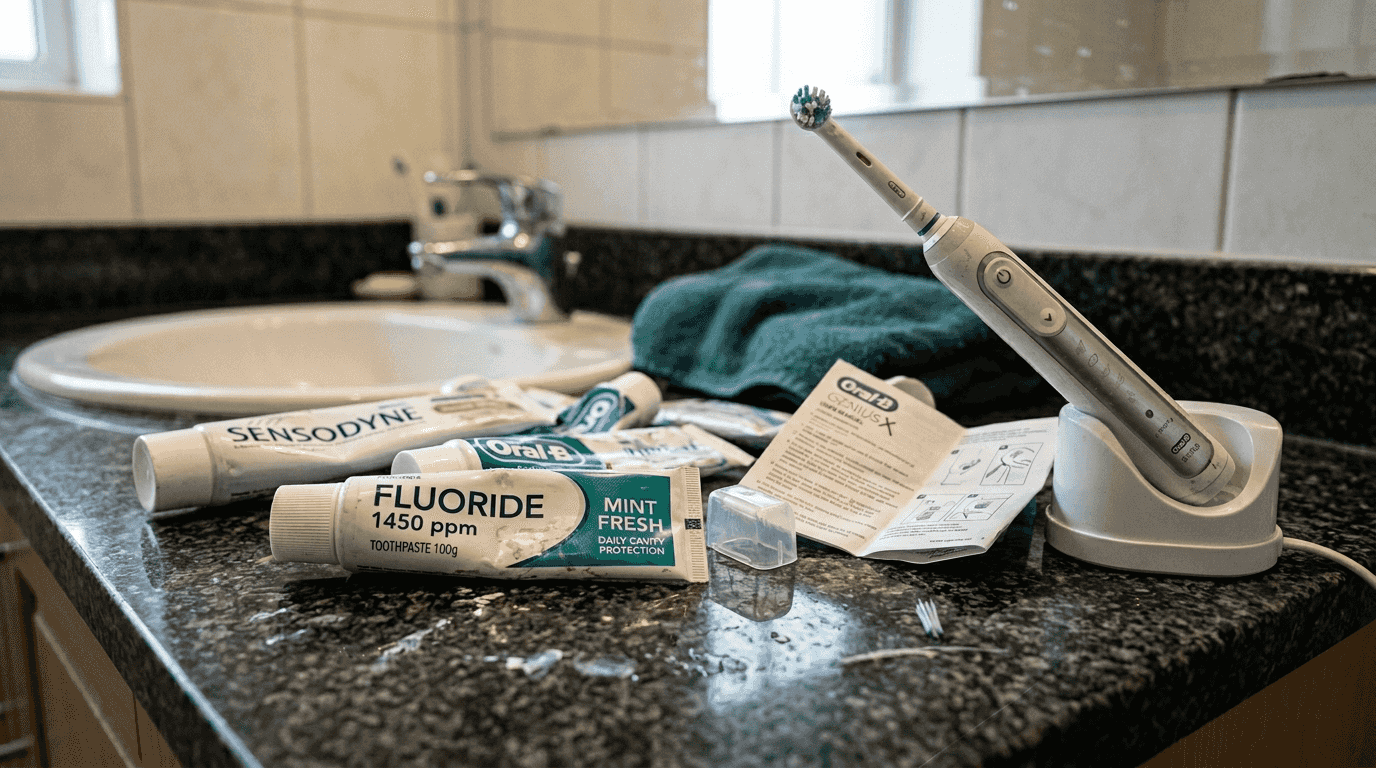
Your toothbrush choice influences cleaning effectiveness, but technique matters more than tool type. Electric and manual toothbrushes are equally good if used properly, though some studies show electric models may have an edge. Research published in the Journal of Dental Hygiene showed greater plaque and gingivitis reductions than manual brushes when comparing oscillating rotation electric toothbrushes to traditional options.
Toothpaste selection is equally important. Fluoride toothpaste with 1350 to 1500 parts per million strengthens enamel and reverses early decay. This mineral integrates into your tooth structure, making it more resistant to acid attacks. Without fluoride, you miss a crucial protective benefit that brushing alone cannot provide.
| Toothbrush Type | Advantages | Best For |
|---|---|---|
| Manual | Affordable, portable, effective with good technique | Budget-conscious users, travelers |
| Electric sonic | Higher brush stroke frequency, built-in timers | People who rush, those with limited dexterity |
| Electric oscillating | Rotating action reaches between teeth | Thorough cleaning, gum health focus |
Proper brushing duration spans about two minutes, allowing you to adequately clean all tooth surfaces. Most people brush for less than one minute, missing significant plaque deposits. Divide your mouth into quadrants and spend 30 seconds on each section.
Effective brushing techniques include:
- Hold your brush at a 45-degree angle to your gumline
- Use gentle circular motions rather than aggressive scrubbing
- Clean outer surfaces, inner surfaces, and chewing surfaces of all teeth
- Brush your tongue to remove bacteria that cause bad breath
- Don’t apply excessive pressure that can damage gums and enamel
Pro Tip: Many electric toothbrushes include two-minute timers and pressure sensors that alert you when you’re brushing too hard. These features help you maintain optimal technique without thinking about it.
Brush head replacement keeps your cleaning efficient. Change manual toothbrushes or electric brush heads every three months, or sooner if bristles become frayed. Worn bristles lose their effectiveness and can harbor bacteria. Understanding fluoride toothpaste use maximizes your protection. Apply a pea-sized amount for adults and a rice-grain amount for young children.
Common mistakes and expert tips for maintaining healthy teeth
Many people unknowingly sabotage their oral health through well-intentioned but harmful practices. Brushing immediately after consuming acidic or sugary foods seems logical, but it can actually accelerate enamel erosion. Acids temporarily weaken your enamel’s mineral structure, and brushing during this vulnerable window scrubs away protective layers.
Another widespread misconception is that more brushing equals better results. More isn’t always better; excessive brushing can harm enamel and gums, causing recession and sensitivity. Stick to twice daily unless your dentist recommends otherwise for specific conditions.
Rinsing your mouth thoroughly after brushing washes away the fluoride that should remain on your teeth. Do not rinse immediately after brushing to keep fluoride concentrated on enamel surfaces. Simply spit out excess toothpaste and let the remaining fluoride continue protecting your teeth.
Avoid these common brushing mistakes:
- Using a hard-bristled brush that damages gum tissue
- Brushing horizontally with sawing motions instead of circular patterns
- Neglecting back molars and inner tooth surfaces
- Skipping your tongue, where odor-causing bacteria thrive
- Storing your toothbrush in closed containers that encourage bacterial growth
Pro Tip: After brushing, rinse your toothbrush thoroughly with water, shake off excess moisture, and store it upright in an open area where it can air dry. This prevents bacterial and mold growth on the bristles.
Gentle pressure protects your gums while still removing plaque effectively. Your toothbrush should bend slightly against your teeth, not flatten completely. If you notice gum recession or increased sensitivity, you may be brushing too aggressively.
Flossing complements brushing by reaching the 40% of tooth surfaces your brush cannot access. Daily flossing removes plaque between teeth and below the gumline, preventing cavities in these vulnerable areas. Think of brushing and flossing as a team where each member has a distinct role.
Upgrade your brushing routine with Y-Brush
Applying these expert techniques becomes easier with the right tools designed for modern lifestyles. While traditional brushing requires two minutes of focused effort, Y-Brush delivers a complete clean in just 20 seconds, fitting seamlessly into even the busiest mornings and evenings.
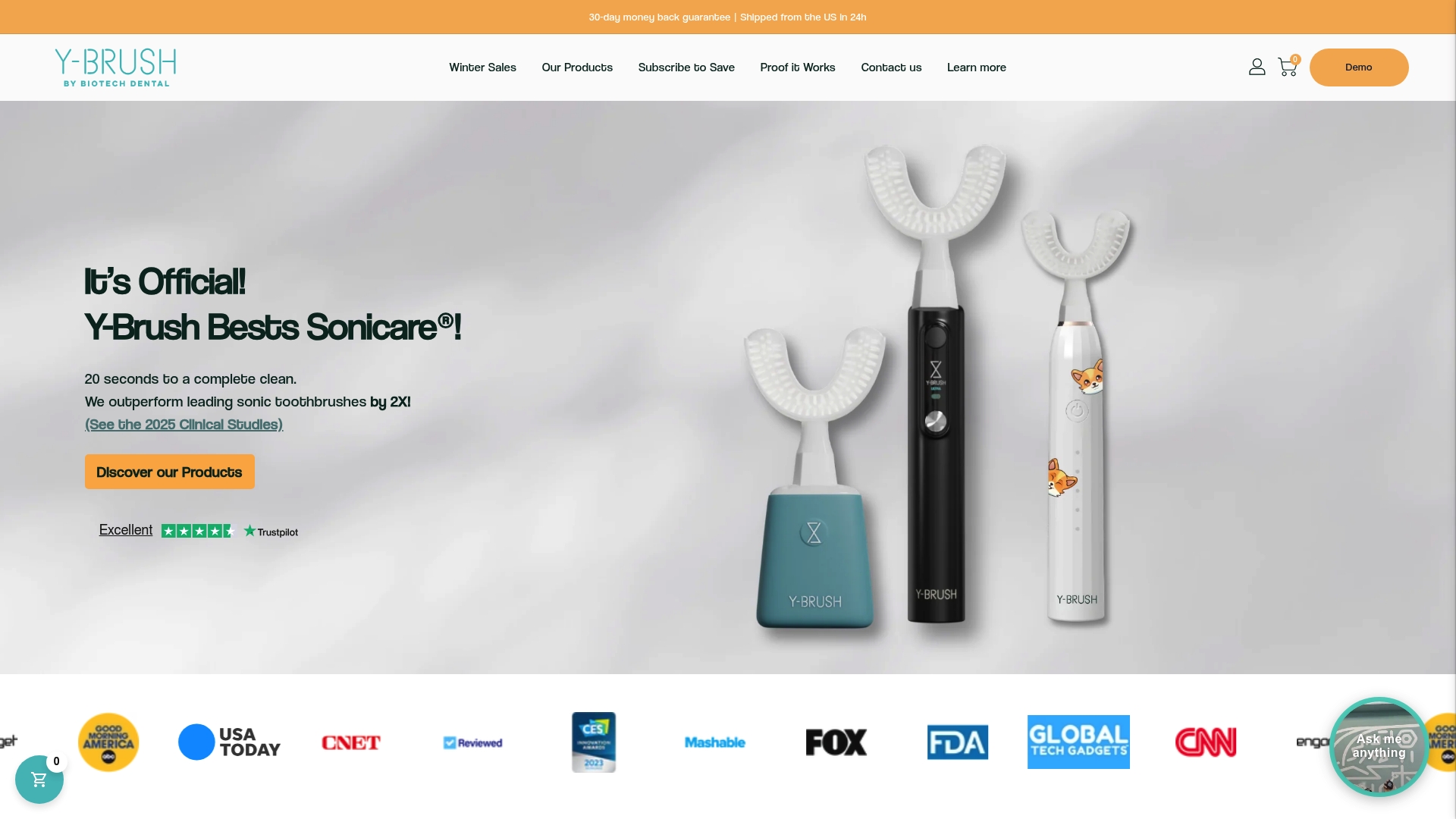
The Y-Brush Essential Sonic Toothbrush uses advanced sonic technology to remove plaque efficiently while protecting your enamel and gums. For families, the Y-Brush KidsBrush Sonic Electric Toothbrush makes proper brushing engaging for children ages 4 to 12, establishing healthy habits early.
Consider Y-Brush membership plans for convenient brush head replacements delivered on schedule, ensuring you always maintain optimal cleaning performance. Quality tools combined with proper technique give you the confidence that comes from knowing your oral health is truly protected.
FAQ
Are twice daily brushes enough to prevent cavities?
Brushing twice a day with fluoride toothpaste significantly reduces cavity risk by removing plaque before it produces enamel-damaging acids. Consistency matters more than occasional extra sessions. Combine regular brushing with flossing and dental checkups for comprehensive protection.
Is an electric toothbrush better than a manual one?
Both types can be effective when used with proper technique and adequate duration. Electric toothbrushes may offer advantages like built-in timers and higher brush stroke frequencies, but manual brushes work well for people who maintain good habits. Choose based on what encourages you to brush correctly and consistently.
Why shouldn’t I brush immediately after eating acidic foods?
Acids from foods and drinks temporarily soften your tooth enamel, making it vulnerable to abrasion. Brushing during this weakened state can wear away protective enamel layers. Rinse your mouth with water and wait 30 to 60 minutes, allowing saliva to remineralize your enamel before brushing.
How long should I brush my teeth each time?
Two minutes is the recommended brushing duration to ensure thorough cleaning of all tooth surfaces. Most people brush for less than one minute, leaving significant plaque deposits behind. Use a timer or choose an electric toothbrush with automatic timing features to meet this goal consistently.


