


Most people know they should replace their toothbrush regularly, but few understand why it matters so much. Using a worn toothbrush can reduce cleaning effectiveness by more than half, allowing plaque and bacteria to accumulate unchecked. This guide breaks down the science behind toothbrush replacement, clears up common myths, and provides practical tips to help you maintain optimal oral hygiene in 2026.
Table of Contents
- Understanding The Importance Of Toothbrush Replacement
- How Toothbrush Bristles Wear And Impact Cleaning
- Bacterial Buildup On Toothbrushes And Implications For Oral Health
- Common Misconceptions About Toothbrush Replacement
- Comparing Manual, Electric, And Innovative Toothbrush Replacement Needs
- Practical Guidelines: When And How To Replace Your Toothbrush
Key takeaways
| Point | Details |
|---|---|
| Worn bristles drastically reduce effectiveness | Toothbrush cleaning power drops by over 50% after three months of regular use. |
| Bacteria accumulate on used brushes | Contaminated brushes harbor harmful pathogens that may increase infection risks if stored improperly. |
| Replacement timing varies by brush type | Manual, electric, and innovative designs like Y-Brush have different wear patterns and replacement schedules. |
| Visual inspection guides replacement | Frayed, splayed, or discolored bristles signal it’s time for a new brush regardless of timing. |
| Efficient brushing reduces replacement stress | Technologies that clean faster minimize wear and simplify maintenance routines. |
Understanding the importance of toothbrush replacement
Your toothbrush is the frontline tool in your daily battle against plaque, cavities, and gum disease. Over time, bristles lose their structural integrity and cleaning power. Worn brushes fail to reach crevices effectively, leaving behind plaque that hardens into tartar and fuels oral health problems. Regular replacement isn’t just about hygiene, it’s about maintaining the mechanical effectiveness your teeth need.
Bacteria thrive in moist environments, and your bathroom provides ideal conditions. Each use deposits oral bacteria onto bristles, where they multiply between brushing sessions. While this sounds alarming, proper storage and timely replacement keep risks manageable. The bigger concern is that over 90% of people don’t brush for two minutes, making brush quality even more critical for adequate cleaning.
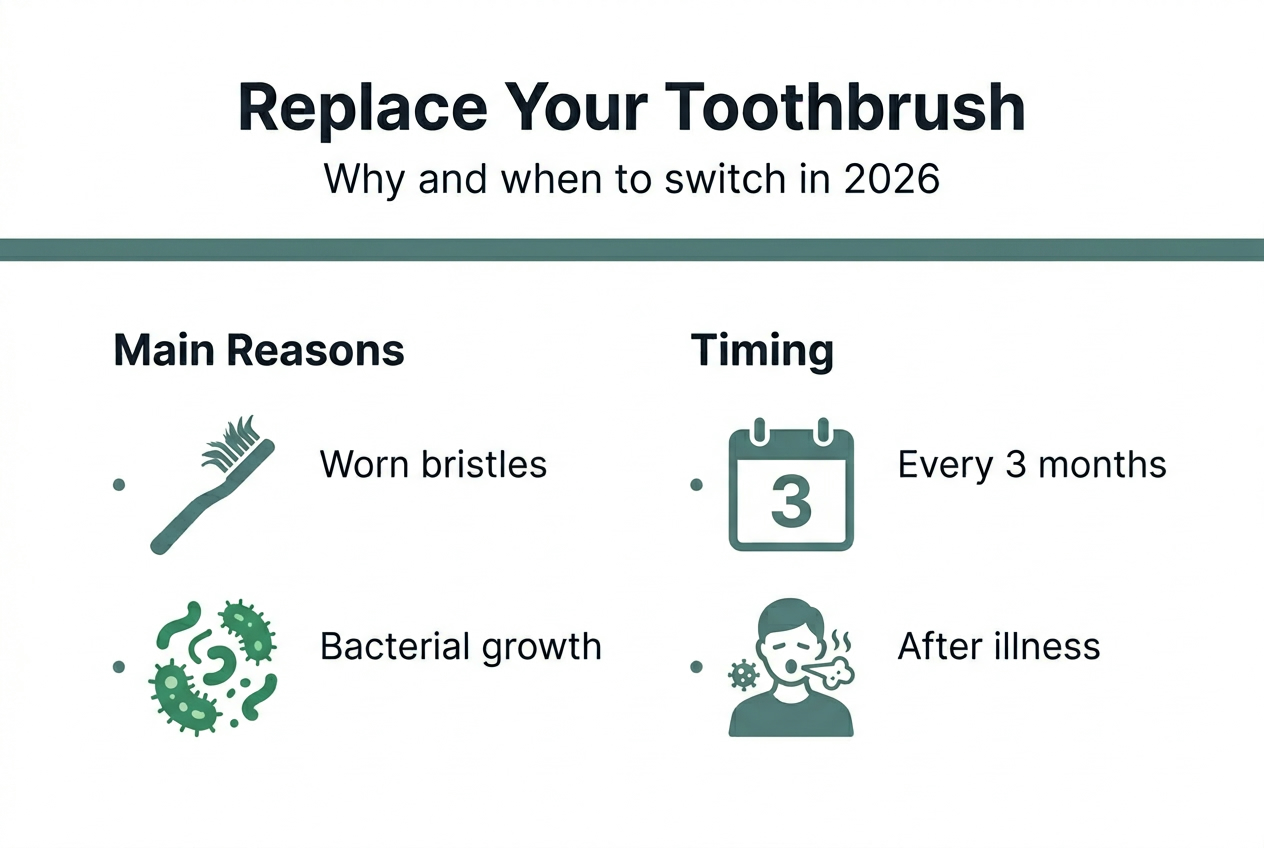
Dental professionals universally recommend replacing toothbrushes every three months minimum. This timeframe balances bristle wear, bacterial accumulation, and practical consumer behavior. However, individual needs vary based on brushing intensity, technique, and health status.
Adopting effective oral care habits for dental hygiene starts with understanding how your tools perform. Key factors include:
- Brushing pressure: aggressive scrubbing wears bristles faster
- Frequency: brushing more than twice daily accelerates degradation
- Storage: standing brushes upright in open air reduces moisture buildup
- Health events: illness necessitates immediate replacement to prevent reinfection
Pro Tip: Mark your calendar or set a phone reminder every three months to replace your brush. Scheduling removes guesswork and ensures you never use worn bristles.
How toothbrush bristles wear and impact cleaning
Bristle degradation happens gradually but impacts performance dramatically. Fresh bristles stand straight and firm, allowing precise contact with tooth surfaces and gum lines. As you brush day after day, mechanical stress causes bristles to bend permanently, creating splayed patterns that can’t maintain proper angles. This physical breakdown is visible: look for fraying tips, bent shafts, or flattened clusters.
Research confirms bristles lose over 50% cleaning effectiveness after three months of typical use. Worn bristles glide over plaque instead of disrupting it, leaving bacterial films intact. The result? Higher cavity risk, increased tartar formation, and potential gum inflammation despite consistent brushing habits.
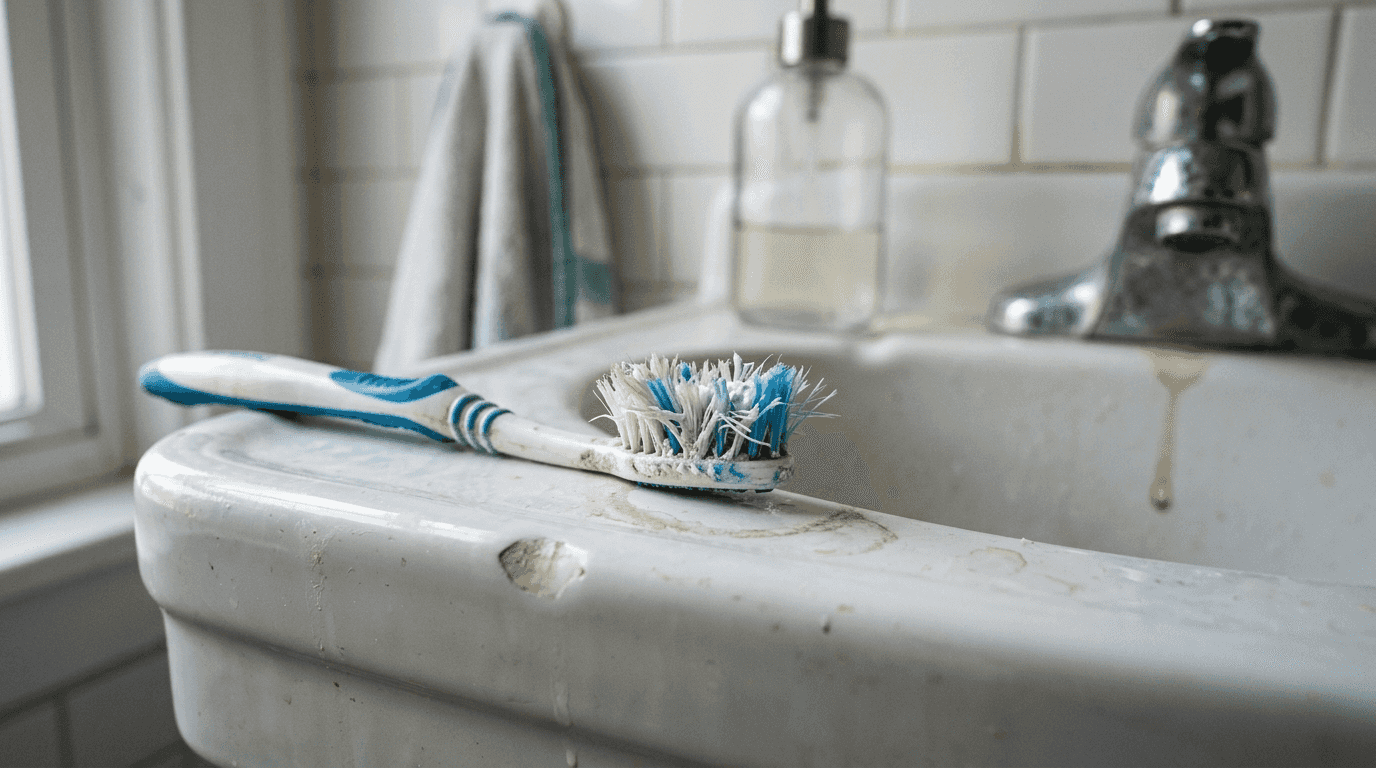
Discoloration offers another wear indicator. Bristles absorb residue from toothpaste, food particles, and oral bacteria over time. While color changes don’t directly harm cleaning, they signal accumulated use and often coincide with structural breakdown. White or clear bristles turning yellow, gray, or brown suggest replacement time has arrived.
Modern toothbrush design for efficient oral care incorporates wear indicators that fade with use, eliminating replacement guesswork. However, visual checks remain your best tool:
- Hold bristles against a light background to spot splaying
- Run your finger across tips to feel for roughness or irregularity
- Compare your current brush to a new one to gauge degradation
- Notice if brushing feels less effective or takes longer
Pro Tip: If you’re unsure whether your brush needs replacement, err on the side of caution. A new brush costs far less than treating dental problems caused by inadequate cleaning.
For deeper understanding of how bristle design affects performance, explore toothbrush wear and plaque removal research that quantifies effectiveness loss over time.
Bacterial buildup on toothbrushes and implications for oral health
Every brushing session transfers millions of bacteria from your mouth onto bristles. Used toothbrushes accumulate significant bacterial loads including Staphylococcus aureus and E. coli, creating potential health concerns. While alarming, context matters: your mouth already contains hundreds of bacterial species, and proper immune function handles most exposures without issue.
The real risk emerges when brushes stay wet in enclosed spaces. Bathrooms with poor ventilation or closed medicine cabinets trap moisture, encouraging bacterial proliferation between uses. Sharing bathrooms compounds this, as toilet flushing aerosolizes particles that settle on nearby surfaces, including toothbrush bristles.
Timely replacement limits bacterial accumulation before populations reach problematic levels. Beyond the three month guideline, replace immediately after illness. Viruses and bacteria causing colds, flu, or strep throat can survive on bristles and potentially reinfect you during recovery.
However, bacteria aren’t the primary driver of cavities or gum disease. Poor brushing technique, infrequent cleaning, and dietary factors matter far more. Understanding essential toothbrush replacement tips helps you focus on habits that truly impact oral health.
Minimize bacterial risks through smart storage practices:
- Rinse brushes thoroughly under running water after each use
- Shake off excess moisture and store upright in open air
- Keep brushes separated to prevent cross contamination
- Avoid closed containers that trap humidity
- Replace after illness regardless of age
For detailed information on contamination patterns, review bacterial contamination on toothbrushes studies that identify risk factors and mitigation strategies.
Common misconceptions about toothbrush replacement
Myth: Bacteria on toothbrushes cause most oral health problems. Reality: Poor brushing technique, insufficient frequency, and dietary choices pose far greater risks than bacterial exposure from your own brush. Your mouth’s natural bacterial ecosystem already contains the species found on bristles. Focus energy on proper brushing habits rather than obsessing over microbial contamination.
Myth: You must replace toothbrushes monthly. Reality: Unless bristles show visible wear or you’ve been ill, three month intervals suffice for most users. Premature replacement wastes resources without meaningful health benefits. Monitor condition rather than adhering to overly conservative schedules.
Myth: Expensive brushes last longer. Reality: Price doesn’t determine longevity. Budget and premium brushes wear at similar rates under comparable use. Invest in features that improve cleaning effectiveness, not durability claims. All brushes require regular replacement regardless of cost.
Myth: Disinfecting extends brush life indefinitely. Reality: While cleaning reduces bacteria, it doesn’t restore worn bristles. Mechanical degradation remains the primary replacement driver. No amount of sanitizing repairs frayed, splayed bristles that can’t clean effectively.
Understanding these facts prevents unnecessary anxiety while promoting evidence based oral care. The electric or manual toothbrush choice matters more for cleaning effectiveness than replacement frequency, as both types require similar maintenance schedules.
Key misconceptions to avoid:
- Believing bacteria are the main oral health threat
- Replacing brushes too early without visible wear
- Assuming premium brushes need less frequent replacement
- Thinking disinfection eliminates replacement need
For authoritative guidance on replacement timing, consult toothbrush replacement myths resources from dental health organizations.
Comparing manual, electric, and innovative toothbrush replacement needs
Manual toothbrushes offer simplicity and universal availability. Standard replacement remains every three months, guided by visible bristle wear. Soft bristles preserve enamel and gums while providing adequate cleaning when used correctly. The main challenge? Most people lack the technique and duration needed for thorough plaque removal.
Electric toothbrushes deliver superior cleaning through powered motion that compensates for poor technique. Replace heads every three months like manual brushes, though wear may be less visible due to shorter bristle length. Many electric models include built in timers ensuring users brush the full two minutes dentists recommend.
Innovative technologies like Y-Brush revolutionize the replacement equation entirely. By delivering a complete clean in just 20 seconds, Y-Brush reduces the total brushing time and mechanical wear traditional brushes endure. The unique mouthpiece design surrounds teeth simultaneously, eliminating the prolonged scrubbing that degrades standard bristles quickly.
Comparing key factors across toothbrush types:
| Feature | Manual | Electric | Y-Brush |
|---|---|---|---|
| Replacement frequency | Every 3 months | Every 3 months | Based on usage intensity |
| Visible wear indicators | Fraying, splaying | Less obvious | Monitor mouthpiece condition |
| Cleaning time impact | 2+ minutes per session | 2 minutes per session | 20 seconds per session |
| Technique sensitivity | High | Moderate | Low |
| Cost per replacement | Lowest | Moderate | Varies by model |
Explore detailed electric or manual toothbrush comparison analysis to understand how technology affects both cleaning performance and maintenance requirements.
Pro Tip: Match replacement schedules to your actual usage patterns. Heavy users may need more frequent changes, while those using time efficient designs like Y-Brush may extend intervals without sacrificing hygiene.
Discover how advanced toothbrush technology continues evolving to simplify oral care routines while improving outcomes.
Practical guidelines: when and how to replace your toothbrush
Developing a systematic approach ensures you never compromise oral health with worn brushes. Follow these numbered steps for optimal replacement timing:
- Set a baseline schedule: mark calendar dates every three months for automatic replacement regardless of appearance.
- Conduct weekly visual inspections: hold bristles against light to check for splaying, fraying, or discoloration.
- Monitor performance: if brushing feels less effective or takes longer than usual, replace immediately.
- Replace after illness: any cold, flu, or oral infection warrants immediate brush disposal to prevent reinfection.
- Adjust for intensity: aggressive brushers or multiple daily sessions may need monthly replacements.
- Track brush age: write purchase dates on handles with permanent marker to eliminate guesswork.
Personalized factors influence ideal replacement frequency. Children often brush with more pressure and irregular technique, wearing bristles faster than adults. People with braces or dental appliances benefit from more frequent changes as hardware accelerates degradation. Those recovering from periodontal treatment should replace brushes monthly during healing phases.
Understanding toothbrush replacement tips for busy adults helps integrate maintenance into hectic schedules without adding stress.
Pro Tip: Buy brushes or replacement heads in multipacks to always have fresh supplies ready. Removing the
Recommended
- Master efficient brushing for oral health in 2026 – Y-Brush USA
- 7 Essential Toothbrush Replacement Tips for Busy Adults – Y-Brush USA
- Top Tips for Effective Tooth Brushing: A Guide to a Brighter Smile – Y-Brush USA
- Advanced Toothbrush Tech: Transforming Oral Care – Y-Brush USA
- Aparat dentar: beneficii esențiale pentru sănătate în 2026


