


You probably grab your toothbrush each morning without giving it much thought. But keeping your toothbrush in top shape is a key part of protecting your teeth and gums. Old bristles and hidden bacteria can make this simple tool less effective, leading to plaque buildup and possible oral health issues.
What if you could avoid these problems with just a few small changes? Learning the right time to replace your toothbrush and spotting early warning signs can make a real difference. The following list reveals practical tips that will help you keep your toothbrush—and your smile—as healthy as possible.
Table of Contents
- Know When to Replace Your Toothbrush
- Spot Signs of Worn-Out Bristles
- Why Cleanliness Impacts Replacement
- Customize Replacement for Your Lifestyle
- The Role of Electric Toothbrush Heads
- Travel and Toothbrush Replacement
- Building a Consistent Replacement Routine
Quick Summary
| Takeaway | Explanation |
|---|---|
| 1. Replace toothbrush every 3-4 months | Following this timeline keeps your brushing effective and reduces bacterial growth on bristles. |
| 2. Watch for bristle wear and tear | Inspect for frayed or bent bristles to ensure effective plaque removal and gum health. |
| 3. Maintain proper toothbrush cleanliness | Rinse and air dry your toothbrush to minimize bacteria accumulation, which can affect oral health. |
| 4. Customize replacement based on lifestyle | Adapt your toothbrush choice and replacement schedule to match specific oral health needs and daily habits. |
| 5. Use technology for reminders | Set digital alerts or subscribe to automatic replacements to stay consistent with your toothbrush maintenance routine. |
1. Know When to Replace Your Toothbrush
Maintaining good oral hygiene starts with knowing exactly when to swap out your toothbrush. Your toothbrush is a critical tool in preventing dental problems and keeping your smile healthy.
According to the American Dental Association guidelines, you should replace your toothbrush every three to four months. This recommendation ensures your brushing remains effective and hygienic.
Here are key signs that indicate it’s time to replace your toothbrush:
- Frayed or matted bristles: When bristles look worn, bent, or splayed out
- Visible discoloration: Bristles that have changed color or appear dingy
- After an illness: Replacing your toothbrush prevents reinfection
- Unusual exposure: If your toothbrush has been dropped or contaminated
Old toothbrushes can harbor harmful bacteria and become less effective at removing plaque, potentially compromising your oral health.
When selecting a new toothbrush, look for one with firm but flexible bristles and a comfortable grip. Consider your specific dental needs, such as sensitive teeth or orthodontic work.
Pro tip: Keep a permanent marker near your bathroom mirror to write the replacement date directly on your toothbrush, ensuring you never forget its age.
2. Spot Signs of Worn-Out Bristles
Your toothbrush is a precision cleaning tool that gradually loses effectiveness with use. Recognizing when your bristles are past their prime is crucial for maintaining optimal oral hygiene.
According to dental hygiene experts, there are several telltale signs that indicate your toothbrush needs replacement:
- Visual indicators: Bristles that are no longer standing upright or appear bent and splayed
- Texture changes: Bristles feel softer or more compressed than when new
- Cleaning performance: Teeth don’t feel clean after brushing
- Discoloration: Noticeable color changes or visible wear on bristle tips
Worn bristles can actually cause more harm than good by failing to remove plaque effectively and potentially irritating your gums.
Inspect your toothbrush every few weeks. Hold it under good lighting and look for subtle changes in bristle alignment. Consistent bristle health means more effective cleaning and better overall oral care.
Pro tip: Turn your toothbrush upside down and look at the bristle tips – if they look like a worn-out paintbrush instead of a crisp, uniform surface, it’s time for a replacement.
3. Why Cleanliness Impacts Replacement
Your toothbrush is more than just a cleaning tool. It’s a potential breeding ground for bacteria that can impact your overall oral health and hygiene.
According to Harvard health experts, the moist environment of daily toothbrush use creates a perfect condition for bacterial accumulation. Understanding how bacteria develop and spread is crucial for maintaining good oral hygiene.
Key factors that contribute to toothbrush contamination include:
- Moisture retention: Bathrooms provide humid environments that promote bacterial growth
- Storage conditions: Improper storage can increase bacterial exposure
- Daily use: Blood, saliva, and oral debris naturally accumulate during brushing
- Cross-contamination: Toothbrushes stored near each other can spread germs
Not all bacteria are harmful, but certain microorganisms can potentially compromise your dental and overall health.
To minimize bacterial risks, focus on proper toothbrush maintenance. This includes rinsing thoroughly after use, allowing complete air drying, and storing your brush in an upright position away from other toothbrushes.
Pro tip: Consider using a toothbrush cover with ventilation holes to protect against airborne bacteria while allowing sufficient air circulation for drying.
4. Customize Replacement for Your Lifestyle
Your toothbrush is not a one-size-fits-all tool. Different lifestyles and individual dental needs demand personalized oral care strategies.
According to dental health guidelines, choosing the right toothbrush and replacement schedule depends on several personal factors.
Consider these customization options:
- Sensitivity levels: Select bristle types matching your gum sensitivity
- Oral health conditions: Adjust replacement frequency based on specific dental needs
- Orthodontic appliances: Choose specialized brushes for braces or dental work
- Electric vs manual: Different replacement timelines for different toothbrush types
Your unique dental profile should drive your toothbrush replacement strategy.
Busy adults can leverage technology and services to streamline their oral care routine. Subscription services and smartphone reminders can help track replacement schedules automatically.
Additionally, consider your specific oral health challenges. Individuals with higher plaque buildup or those prone to gum issues might need more frequent replacements.
Pro tip: Create a digital calendar reminder or use a dental care app that tracks your toothbrush age and sends automatic replacement notifications.
5. The Role of Electric Toothbrush Heads
Electric toothbrushes represent a technological leap in oral care. Understanding how and when to replace their specialized heads is crucial for maintaining optimal dental hygiene.
According to dental health recommendations, electric toothbrush heads require specific maintenance strategies.
Key considerations for electric toothbrush head replacement include:
- Wear and tear: Monitor bristle condition closely
- Replacement frequency: Every three to four months
- Performance indicators: Reduced cleaning effectiveness
- Hygiene factors: Potential bacterial accumulation
Electric toothbrush heads are precision instruments that lose effectiveness with repeated use.
The advanced cleaning mechanism of electric toothbrushes depends on pristine brush heads. Worn heads can reduce plaque removal efficiency and potentially damage gum tissue. Some electric toothbrush models feature color-changing bristles as a replacement indicator.
Busy adults should consider setting digital reminders or subscribing to replacement head services to maintain consistent oral care.
Pro tip: Purchase replacement heads in multipacks and store them in a clean, dry location to ensure you always have a fresh head ready when needed.
6. Travel and Toothbrush Replacement
Traveling can disrupt your usual oral care routine. Knowing how to maintain toothbrush hygiene while on the move is crucial for busy adults who want to keep their dental health consistent.
According to travel security guidelines, electronic toothbrushes have specific transportation considerations.
Essential travel toothbrush strategies include:
- Protective storage: Use ventilated travel cases
- Battery considerations: Carry electronic toothbrushes in carry-on luggage
- Hygiene maintenance: Allow brush to air dry after traveling
- Backup options: Pack replacement heads or spare toothbrushes
Maintaining oral hygiene doesn’t pause when you’re traveling.
Portable dental care requires strategic planning. For electronic toothbrushes, many models now offer specialized travel cases with UV sanitizing features. These cases protect your brush from external contaminants and provide a compact storage solution.
Consider the duration and nature of your trip when planning toothbrush transportation. Short trips might require a simple protective cover, while longer journeys demand more comprehensive dental care strategies.
Pro tip: Invest in a compact, multi-functional travel toothbrush case that allows proper air circulation and includes a protective barrier against external bacteria.
7. Building a Consistent Replacement Routine
Consistency is the key to maintaining excellent oral hygiene. Creating a reliable toothbrush replacement system transforms a mundane task into a strategic health practice.
According to dental professional recommendations, establishing a regular replacement schedule is critical for optimal dental care.
Strategic approaches to maintaining a replacement routine include:
- Digital reminders: Set smartphone calendar alerts
- Subscription services: Automatic toothbrush head delivery
- Visual tracking: Mark replacement dates directly on toothbrush
- Seasonal synchronization: Link replacement with quarterly changes
Routine replacement is a simple yet powerful method of preventing bacterial buildup.
Tracking methods can transform toothbrush maintenance from a forgettable chore into an effortless habit. Modern technology offers multiple ways to ensure you never lose track of your oral care schedule.
Some busy adults find success by purchasing multiple replacement heads at once or setting up automatic delivery services that eliminate the need for manual tracking.
Pro tip: Sync your toothbrush replacement schedule with another recurring quarterly event like changing smoke detector batteries or scheduling a routine medical checkup to create a foolproof system.
Below is a comprehensive table summarizing the key insights and recommendations for maintaining optimal toothbrush hygiene and replacement schedules as detailed in the article.
| Topic | Details | Insights and Recommendations |
|---|---|---|
| Toothbrush Longevity | Replace every 3-4 months or sooner as needed. | Prolongs the effectiveness of oral hygiene practices. |
| Signs of Wear | Look out for frayed, discolored, or soft bristles. | Ensure consistent cleaning efficiency. |
| Hygiene Importance | Bacteria growth can affect oral health. | Rinse, air dry, and store upright. |
| Travel Tips | Use ventilated cases and pack backups. | Maintain hygiene even during travel. |
| Usage Tracking | Mark dates, set reminders, or use subscriptions. | Stay consistent with replacement schedules. |
Simplify Your Toothbrush Replacement Routine with Y-Brush
The article highlights the challenge busy adults face when trying to maintain a consistent toothbrush replacement schedule while ensuring effective oral hygiene. Many struggle with worn-out bristles, bacterial buildup, and the time-consuming nature of traditional brushing routines that demand at least two full minutes. If you find it hard to remember replacement schedules or feel frustrated by the limits of manual brushing, it is time to consider a smarter solution.
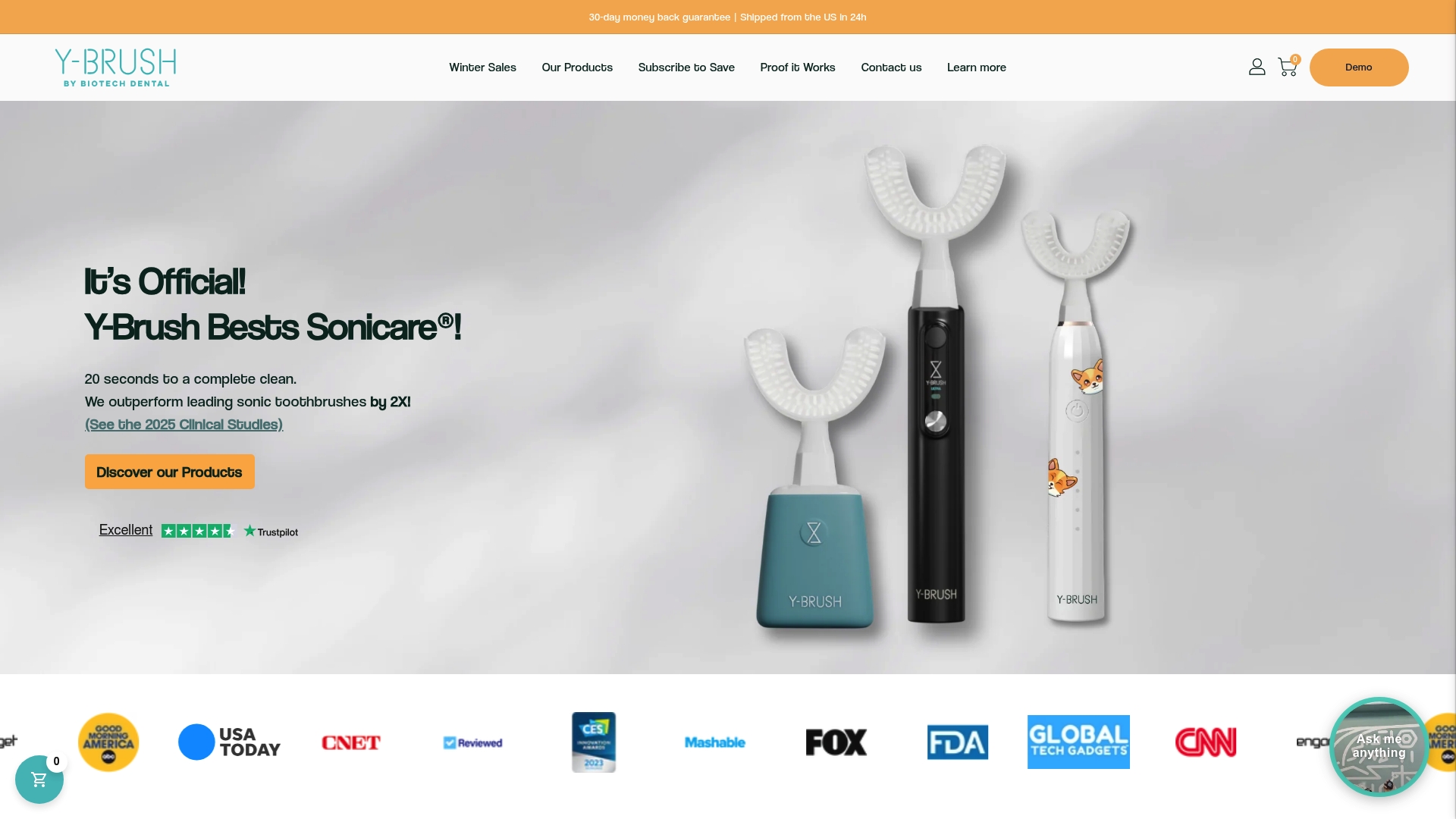
Y-Brush offers a revolutionary approach to oral care that perfectly aligns with the needs of a busy lifestyle. Designed to deliver a superior clean in just 20 seconds, Y-Brush frees you from long brushing sessions while ensuring your toothbrush stays effective longer. Experience the confidence of a plaque-free smile without the hassle of frequent replacements or worrying about worn bristles. Discover how this innovative product can fit seamlessly into your daily routine by visiting Y-Brush official site. Learn more about how Y-Brush meets your oral care goals and join countless others transforming their dental hygiene at Y-Brush. Take control of your oral health today and say goodbye to the guesswork of toothbrush replacement with a smarter, faster clean.
Frequently Asked Questions
How often should I replace my toothbrush?
You should replace your toothbrush every three to four months for optimal dental hygiene. Set a reminder every three months to ensure you consistently swap out your brush.
What are the signs that my toothbrush needs to be replaced?
Look for frayed or matted bristles, visible discoloration, or a noticeable decrease in cleaning effectiveness. Inspect your toothbrush every few weeks to catch these signs early.
How can I maintain toothbrush cleanliness to prolong its life?
To keep your toothbrush clean, rinse it thoroughly after each use and allow it to air dry. Store it in an upright position away from other toothbrushes to minimize cross-contamination.
What should I do if I get sick regarding my toothbrush?
If you become ill, it’s best to replace your toothbrush to prevent reinfection. Swap it out as soon as you feel better or within a week after your illness resolves.
How can I set up a replacement routine for my toothbrush?
Establish a routine by marking the replacement date directly on your toothbrush or setting digital reminders on your smartphone. Sync your replacement schedule with other regular tasks, such as seasonal home maintenance, to make it easier to remember.
Are there special considerations for replacing electric toothbrush heads?
Yes, electric toothbrush heads should also be replaced every three to four months, similar to manual toothbrushes. Regularly check the bristles for wear and consider setting reminders for replacement to maintain their cleaning effectiveness.


