


Most people know they should brush for two full minutes twice daily, yet 90% fall short, averaging under one minute per session. This gap between intention and reality puts oral health at risk, but busy schedules don’t have to mean compromised dental care. The right brushing method, tools, and complementary habits can deliver a plaque-free smile in far less time while meeting professional dental standards.
Table of Contents
- Selection Criteria For Efficient Brushing
- Manual Brushing With Proper Technique
- Electric Toothbrushing
- Automatic Toothbrushes (E.g., Y-Brush)
- Complementary Oral Hygiene Practices
- Toothbrush Selection And Maintenance
- Summary Comparison Of Brushing Methods
- Situational Recommendations For Busy Individuals
- Explore Time-Saving Toothbrush Solutions From Y-Brush
- Frequently Asked Questions
Key takeaways
| Point | Details |
|---|---|
| Brushing duration | The ADA recommends brushing twice daily for two minutes with a soft-bristled toothbrush to remove plaque effectively. |
| Electric advantage | Electric toothbrushes remove 21% more plaque than manual brushing and include built-in timers to maintain proper duration. |
| Automatic efficiency | Automatic toothbrushes clean all teeth simultaneously in about 20 seconds with comparable plaque removal to traditional methods. |
| Complementary care | Daily flossing reduces gum disease risk by 30%, and fluoride mouthwash lowers cavity risk by 20%. |
| Maintenance timing | Replace toothbrushes every 3-4 months or sooner if bristles fray to maintain cleaning effectiveness. |
Selection criteria for efficient brushing
Choosing the right brushing approach requires understanding what actually matters for oral health within time constraints. The ADA recommends brushing twice daily for two minutes each session with a soft-bristled toothbrush to effectively remove plaque. This standard serves as the baseline against which all brushing methods should be measured.
Toothbrush types vary significantly in cleaning efficacy. Manual brushes depend entirely on user technique and discipline, while electric options add mechanical motion to enhance plaque removal. The newest category, automatic toothbrushes, promises simultaneous cleaning of all tooth surfaces. Each type carries different implications for time investment, skill requirements, and cost.
Technique complexity directly impacts adherence rates. Manual brushing demands precise 45-degree angling, proper stroke patterns, and consistent two-minute duration. Electric brushes simplify technique but still require systematic coverage of all surfaces. Automatic options minimize technique dependency, making them attractive for users struggling with proper manual methods.
Cost and accessibility influence long-term sustainability. Manual toothbrushes cost just a few dollars but require disciplined execution. Electric models range from $20 to $200 with ongoing brush head replacement costs. Automatic systems represent higher upfront investment but potentially save significant time over years of use. The advantages of fast brushing for busy professionals extend beyond minutes saved to improved consistency and reduced decision fatigue.
Pro Tip: Track your actual brushing time for one week using a timer. Most people overestimate their brushing duration by 30 to 45 seconds, revealing gaps in their current routine.
Manual brushing with proper technique
Manual brushing remains the most accessible option but demands precise execution to match professional standards. Proper technique involves placing the brush at a 45-degree angle to the gums and using gentle circular or tooth-wide back-and-forth strokes across all surfaces. This positioning allows bristles to reach beneath the gumline where plaque accumulates most readily.
Complete coverage requires systematic attention to multiple surfaces:
- Start with outer surfaces of upper teeth, moving from back to front
- Brush outer surfaces of lower teeth using the same pattern
- Clean inner surfaces of all teeth with the brush tilted vertically for front teeth
- Scrub chewing surfaces with short back-and-forth strokes
- Brush the tongue from back to front to remove bacteria
The two-minute duration splits evenly across quadrants, spending 30 seconds on each section. Manual brushing effectiveness depends heavily on correct technique and full duration. Lack of proper form leads to missed plaque and inferior cleaning compared to electric or automatic brushes. Studies show most people using manual brushes clean for only 45 to 60 seconds, leaving significant plaque deposits.
Manual brushing works best for individuals with excellent discipline, proper training, and sufficient time. The method costs pennies per brush but requires consistent skill application. Understanding brushing technique plaque removal mechanics helps users evaluate whether their current approach meets professional standards.
Pro Tip: Place your toothbrush and a two-minute timer next to your bathroom sink as a visual reminder. The physical cue increases completion rates by 40% in habit formation studies.
Common errors undermine manual brushing effectiveness. These include brushing too hard, using horizontal sawing motions, skipping inner surfaces, and rushing through the process. Learning how to avoid common brushing mistakes transforms results without requiring different tools.
Electric toothbrushing
Electric toothbrushes add mechanical motion to enhance plaque removal with less manual effort. Electric brushes remove 21% more plaque than manual brushing, providing measurable improvement in oral health outcomes. This advantage comes from oscillating or sonic vibrations that break up plaque more effectively than hand movements alone.
Key benefits include:
- Built-in two-minute timers with 30-second interval alerts ensure proper duration across all quadrants
- Pressure sensors prevent excessive force that damages gums and enamel
- Consistent mechanical motion reduces technique dependency
- Multiple cleaning modes accommodate sensitive teeth and gum conditions
Electric brushes still require systematic coverage of all tooth surfaces but simplify the motion component. Users guide the brush head across surfaces while the device provides cleaning action. This division of labor makes proper technique more accessible to people who struggle with manual coordination or arthritis.
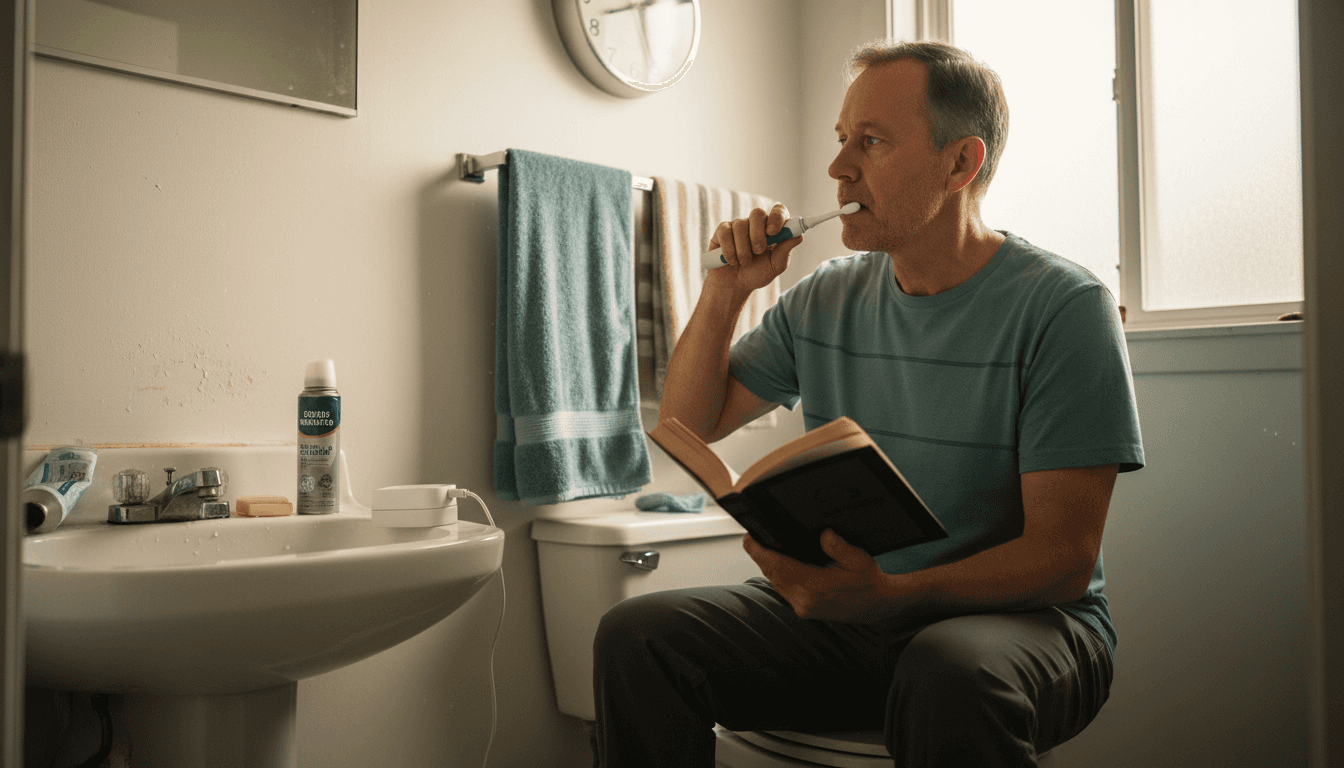
Soft bristles remain essential even with electric power. The mechanical motion provides sufficient cleaning force, and soft bristles protect delicate gum tissue from recession. Hard bristles combined with electric motion create excessive abrasion that wears enamel over time.
Cost considerations balance improved efficacy against higher investment. Quality electric toothbrushes start around $30 with basic features and extend to $200 for premium models. Replacement brush heads cost $5 to $10 each and should be changed every three months. The moderate price point makes electric brushing accessible while delivering significant health benefits.
Exploring effective tooth brushing tips reveals how electric models integrate into comprehensive oral care routines. The improved plaque removal and built-in timing features address the two biggest challenges busy people face: insufficient duration and inconsistent technique. Understanding dental hygiene essentials for busy lifestyles helps users maximize electric toothbrush benefits.
Automatic toothbrushes (e.g., Y-Brush)
Automatic toothbrushes represent the newest evolution in oral care technology, addressing time constraints through simultaneous full-mouth cleaning. These devices clean all teeth in about 20 seconds with plaque removal comparable to traditional two-minute methods. The technology employs mouthpiece designs with bristles positioned to contact all tooth surfaces at once.
Distinctive features include:
- U-shaped or Y-shaped mouthpieces that surround teeth on all sides
- Sonic vibrations distributed across the entire mouthpiece simultaneously
- Preset cleaning cycles that ensure adequate contact time
- Minimal technique requirements beyond proper mouthpiece insertion
The dramatic time savings make automatic brushes ideal for users with severe time constraints or technique challenges. Parents rushing children through morning routines, professionals juggling demanding schedules, and individuals with dexterity limitations all benefit from the simplified process. The device handles brush positioning and motion, eliminating the primary skill barriers of traditional brushing.
Plaque removal efficacy matches traditional methods despite shorter duration. The simultaneous contact with all surfaces compensates for reduced time through comprehensive coverage. Studies comparing automatic brushes to manual and electric options show comparable plaque reduction when used according to manufacturer guidelines.
Higher upfront costs reflect advanced technology and engineering. Automatic toothbrush systems typically range from $100 to $300, representing significant investment compared to manual or basic electric options. However, the time saved compounds over years of use, potentially recovering hundreds of hours that would otherwise go to brushing.
Understanding automatic toothbrush effectiveness helps busy individuals evaluate whether the technology fits their needs. The combination of professional-grade cleaning and extreme time efficiency creates compelling value for users who previously struggled to maintain proper oral hygiene.
Complementary oral hygiene practices
Brushing alone addresses only part of comprehensive oral care. Additional practices multiply effectiveness while fitting naturally into busy routines. Flossing reduces gum disease risk by 30% and mouthwash lowers cavity risk by 20%, providing substantial health benefits beyond brushing.
Daily flossing removes plaque and food particles between teeth where brush bristles cannot reach. The practice takes just two minutes but prevents significant dental problems. Flossing before brushing allows fluoride from toothpaste to reach newly cleaned interdental spaces more effectively.
Fluoride mouthwash provides additional cavity protection and freshens breath. Rinsing for 30 seconds after brushing extends fluoride contact time with tooth enamel. Alcohol-free formulas prevent dry mouth while delivering antimicrobial benefits.
Timing considerations optimize oral health outcomes. Wait at least 30 minutes after acidic meals before brushing to prevent enamel erosion. Acids temporarily soften enamel, making it vulnerable to abrasion from brushing. Rinsing with water immediately after acidic exposure helps neutralize pH without mechanical abrasion.
Chewing sugar-free gum after meals stimulates saliva production when brushing is impractical. Saliva naturally neutralizes acids and provides minerals for enamel repair. This strategy works particularly well for lunch breaks or travel situations where full brushing proves difficult.
Pro Tip: Keep floss picks in your car, desk, and bag. The convenient format increases usage frequency by removing the barrier of finding traditional floss and having adequate time.
Learning effective oral care habits creates a comprehensive approach that protects oral health beyond brushing alone. These complementary practices require minimal time but deliver measurable improvements in gum health, cavity prevention, and overall oral hygiene.
Toothbrush selection and maintenance
Choosing appropriate toothbrush features and maintaining them properly ensures consistent cleaning effectiveness. Soft bristles provide adequate cleaning power while protecting gums from recession and enamel from abrasion. Medium and hard bristles cause unnecessary tissue damage without improving plaque removal.
Ergonomic handle design improves control and comfort during brushing. Handles should provide secure grip even when wet and position the brush head for easy access to back teeth. Angled necks help reach difficult areas without excessive jaw opening.
Key selection factors include:
- Brush head size that fits comfortably and reaches all areas easily
- Soft bristle texture to protect delicate oral tissues
- Handle length and grip design suited to individual hand size
- ADA Seal of Acceptance indicating safety and effectiveness testing
Replace toothbrushes every 3-4 months or sooner if bristles fray to maintain cleaning effectiveness. Worn bristles lose their shape and stiffness, reducing plaque removal capability by up to 30%. Frayed bristles also indicate excessive brushing pressure that may damage gums.
Soft bristles minimize gum irritation while effectively removing plaque, and appropriate brush size aids reach and comfort. Smaller brush heads generally provide better access to back molars and inner surfaces, making thorough cleaning easier to achieve.
| Feature | Recommended Specification | Reason |
|---|---|---|
| Bristle type | Soft | Protects gums while removing plaque effectively |
| Head size | Compact to medium | Improves access to all tooth surfaces |
| Handle design | Ergonomic with grip | Enhances control and reduces hand fatigue |
| Replacement timing | Every 3-4 months | Maintains optimal cleaning effectiveness |
Storage practices impact toothbrush hygiene. Rinse thoroughly after each use and store upright in open air to dry. Avoid closed containers that trap moisture and promote bacterial growth. Keep brushes separated to prevent cross-contamination between family members.
Understanding dental hygiene essentials for busy lifestyles includes recognizing when tools need replacement and maintaining them properly between uses. Exploring better dental hygiene habits and reviewing effective tooth brushing tips helps users optimize their oral care routine with properly maintained tools.
Summary comparison of brushing methods
Comparing brushing methods side by side reveals distinct tradeoffs in efficacy, time investment, and cost. Electric toothbrushes improve plaque removal by 21% over manual brushing, while automatic toothbrushes provide similar plaque removal in one-third the time. These differences matter significantly for busy individuals balancing health outcomes against schedule constraints.
| Method | Cleaning Efficacy | Time Required | Technique Complexity | Cost Range | Best For |
|---|---|---|---|---|---|
| Manual | Baseline (technique-dependent) | 2 minutes twice daily | High (requires precise angling and strokes) | $2-$8 per brush | Users with time, skill, and discipline |
| Electric | 21% better than manual | 2 minutes twice daily | Medium (device assists motion) | $30-$200 plus replacement heads | Balance of efficacy and ease |
| Automatic | Comparable to 2-minute manual | 20 seconds twice daily | Low (minimal user input) | $100-$300 | Extreme time constraints or technique challenges |
Manual brushing delivers professional results only when executed with proper technique and full duration. The low cost makes it universally accessible, but the skill requirement creates significant variation in real-world effectiveness. Most users fall short of ideal technique, leaving plaque deposits that contribute to cavities and gum disease.
Electric toothbrushes improve outcomes through mechanical assistance while maintaining the two-minute standard. Built-in timers and pressure sensors help users develop better habits. The moderate price point balances affordability with meaningful health improvements, making electric brushes the optimal choice for many users.
Automatic toothbrushes revolutionize time efficiency without sacrificing cleaning quality. The 20-second duration fits naturally into rushed morning routines while delivering professional-grade plaque removal. Higher costs reflect advanced technology but may prove worthwhile for users who previously skipped brushing due to time pressure.
Reviewing automatic vs manual brushing comparison data helps users make evidence-based decisions aligned with their priorities. The right choice depends on individual circumstances, including available time, budget constraints, and current oral health status.
Situational recommendations for busy individuals
Selecting the optimal brushing method requires matching technology to lifestyle realities. Manual brushing works well if you consistently have four minutes daily for dental care and have mastered proper technique. The low cost and universal availability make this approach sustainable long term for disciplined users.
Electric toothbrushes offer the best balance for most busy people. The improved plaque removal and built-in timing features address common shortfalls in manual brushing while maintaining reasonable cost. Users struggling with proper technique or insufficient brushing duration see the greatest benefit from upgrading to electric.
Automatic toothbrushes excel for users with severe time constraints or coordination challenges. Parents managing multiple children’s morning routines, professionals with unpredictable schedules, and individuals with arthritis or limited dexterity all benefit from the simplified process. The time saved enables consistent brushing even on the most hectic days.
Situational guidance includes:
- Choose manual if you have adequate time, proper training, and strong self-discipline
- Select electric for improved efficacy with moderate time investment and simplified technique
- Opt for automatic when time constraints or technique challenges prevent consistent proper brushing
- Complement any brushing method with daily flossing and fluoride mouthwash for comprehensive care
- Replace brushes or heads every three months regardless of method to maintain effectiveness
The fast brushing advantages extend beyond minutes saved to include improved consistency and reduced mental burden. When brushing fits easily into existing routines, adherence rates increase dramatically.
Consider your actual behavior patterns rather than ideal scenarios. If you frequently skip brushing or cut sessions short due to time pressure, investing in more efficient technology pays health dividends. The best brushing method is the one you’ll actually use consistently at the recommended frequency.
Explore time-saving toothbrush solutions from Y-Brush
Y-Brush addresses the gap between dental recommendations and real-world behavior through innovative toothbrush designs optimized for busy lifestyles. Our sonic toothbrushes deliver superior cleaning in dramatically less time, making professional-grade oral care achievable even on the most demanding schedules.
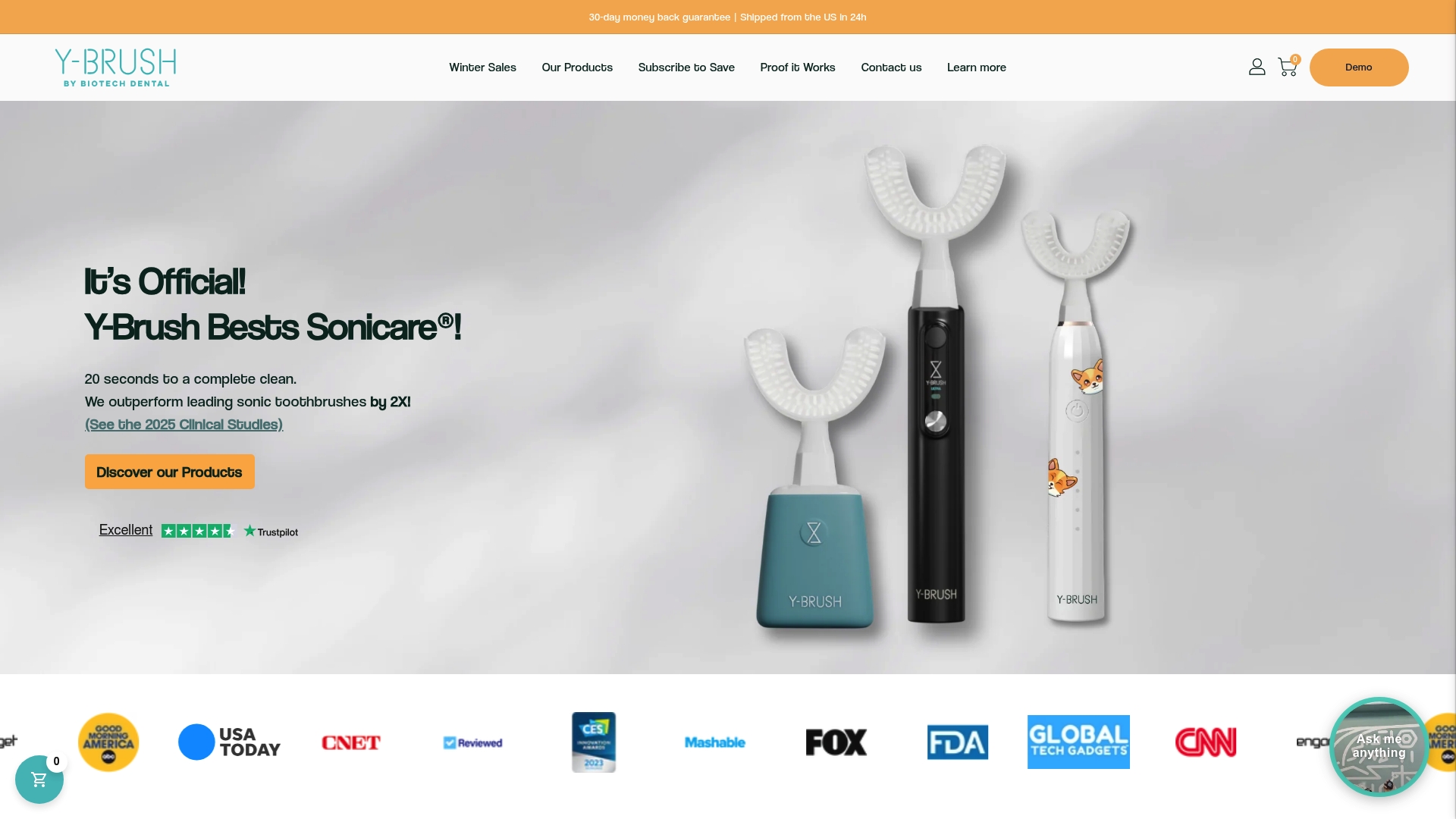
The Y-Brush Essential Sonic Toothbrush provides efficient cleaning with intuitive features suited for users upgrading from manual brushes. For maximum time savings, the Y-Brush Ultra Sonic Toothbrush delivers comprehensive cleaning in just 20 seconds through simultaneous full-mouth coverage.
Convenient membership plans ensure you never run out of replacement brush heads, automating maintenance so proper oral care requires minimal planning. The combination of advanced technology and hassle-free supply delivery removes common barriers to consistent brushing.
Frequently asked questions
What is the recommended brushing duration for effective cleaning?
The American Dental Association recommends brushing for two full minutes twice daily to effectively remove plaque from all tooth surfaces. Most people brush for only 45 to 60 seconds, leaving significant plaque deposits that contribute to cavities and gum disease. Automatic toothbrushes clean all teeth simultaneously in about 20 seconds with comparable plaque removal to traditional two-minute methods, offering a time-efficient alternative for busy individuals.
Can I brush my teeth immediately after eating or drinking acidic foods?
No, brushing immediately after consuming acidic foods or beverages risks enamel erosion because acids temporarily soften tooth enamel. Wait at least 30 minutes after acidic meals before brushing to allow saliva to neutralize pH and remineralize enamel. Rinsing with plain water immediately after acidic exposure helps neutralize acids without mechanical abrasion. For situations where waiting is impractical, chewing sugar-free gum stimulates saliva production and provides similar protective benefits.
How often should I replace my toothbrush for optimal oral hygiene?
Replace your toothbrush or electric brush head every three to four months to maintain cleaning effectiveness. Worn or frayed bristles lose their shape and stiffness, reducing plaque removal capability by up to 30 percent. Replace brushes sooner if bristles show visible wear or after illness to prevent reinfection. Setting calendar reminders or subscribing to automatic replacement programs ensures consistent access to effective brushing tools.
Do electric toothbrushes really clean better than manual brushes?
Yes, research shows electric toothbrushes remove 21 percent more plaque than manual brushing when used properly. The mechanical oscillating or sonic motion breaks up plaque more effectively than hand movements alone. Electric brushes also include built-in timers that help users maintain the recommended two-minute brushing duration. However, both manual and electric brushes require systematic coverage of all tooth surfaces to achieve optimal results.


