


You probably know you should brush for 2 minutes. Yet research shows 90% of people don’t, with most brushing under 1 minute. That gap between knowing and doing matters because proper brushing technique, not just duration, determines whether you actually remove plaque and protect your gums from disease.
Table of Contents
- Introduction To Brushing Techniques
- The Science Behind Effective Brushing
- Common Brushing Mistakes And Misconceptions
- Comparison Of Brushing Methods And Technologies
- Step-By-Step Guide To Proper Brushing Technique
- Adapting Brushing Technique To Fit Your Lifestyle
- Conclusion: Mastering Your Brushing Technique For A Healthier Smile
- Advanced Tools To Perfect Your Brushing Technique
Key Takeaways
| Point | Details |
|---|---|
| Technique impacts plaque removal | Brushing for 2 minutes removes 40% more plaque than shorter sessions. |
| Common mistakes damage gums | Brushing too hard or using horizontal scrubbing causes gum recession and enamel wear. |
| Technology improves consistency | Timers and guided brushing increase compliance with recommended duration by 30%. |
| Multi-surface brushes save time | Innovative designs like Y-Brush deliver effective plaque removal in just 20 seconds. |
| Adapting to lifestyle boosts habits | Choosing tools that fit your schedule makes maintaining proper technique easier. |
Introduction to Brushing Techniques
Brushing technique combines multiple elements: the angle of your brush against teeth and gums, the motion you use, the pressure you apply, how long you brush, and which surfaces you cover. Mastering this combination matters more than simply brushing frequently because poor technique plays a fundamental role in gum disease and tooth decay.
Think of it like washing dishes. Scrubbing harder doesn’t get plates cleaner if you’re using the wrong motion or missing spots entirely. The same principle applies to your teeth.
Proper brushing technique removes plaque, the sticky bacterial film that forms constantly on teeth. When plaque isn’t removed effectively, it hardens into tartar and releases acids that cause cavities. It also irritates gums, leading to gingivitis and eventually periodontal disease if left unchecked.
Most people assume brushing twice daily is enough. But technique quality determines whether those two sessions actually protect your oral health or just go through the motions. You could brush three times daily with terrible technique and still accumulate dangerous plaque levels.
The key elements we’ll explore include:
- Correct brush angle and positioning
- Appropriate motion patterns
- Optimal pressure and duration
- Complete surface coverage
- Tool selection for your needs
Understanding these fundamentals helps you transform brushing from a checkbox task into actual disease prevention. Your gums and teeth respond to what you do, not just how often you do it.
The Science Behind Effective Brushing
Plaque forms when bacteria in your mouth combine with food particles and saliva. This film starts developing within hours after you brush and becomes problematic within 24 to 48 hours if not removed. The bacteria produce acids that attack tooth enamel and irritate gum tissue.
Effective brushing disrupts this biofilm before it matures into a harder, more damaging substance. The key is using the right angle and motion. Dental professionals recommend holding your brush at a 45-degree angle toward the gum line because this position allows bristles to reach slightly under the gum margin where plaque accumulates first.
Gentle circular or short back and forth motions work better than aggressive scrubbing. Think massage, not scouring. This approach dislodges plaque without traumatizing delicate gum tissue or wearing down enamel over time.

Duration matters significantly. Brushing for less than 2 minutes results in up to 40% less plaque removal compared to a full 2-minute session. That’s not a minor difference. It’s the gap between adequate cleaning and leaving nearly half the plaque behind to cause problems.
Pressure also plays a role. Too much force damages gums and causes recession, exposing sensitive root surfaces. Too little pressure fails to disrupt plaque effectively. The sweet spot feels firm but comfortable, similar to the pressure you’d use to write with a pen.
Research demonstrates that brushing technique quality predicts oral health outcomes more accurately than frequency alone. You can brush three times daily with poor technique and still develop gum disease.
Your mouth contains multiple surfaces that need attention: outer tooth surfaces facing your cheeks, inner surfaces facing your tongue, and chewing surfaces on molars. Each requires slightly different brush positioning. Missing any area consistently allows plaque to accumulate undisturbed, creating pockets of inflammation even if you brush for 2 minutes elsewhere.
The science is clear: technique combines angle, motion, pressure, duration, and coverage. Neglecting any element compromises your results.
Common Brushing Mistakes and Misconceptions
Many people believe brushing harder cleans better. This myth causes significant damage. Excessive force doesn’t improve cleaning and actually causes gum recession, exposing tooth roots that weren’t meant to face your mouth’s acidic environment. Over time, this leads to sensitivity and increased cavity risk on root surfaces.
Another widespread mistake is brushing less than the recommended 2 minutes. Most people brush for 45 to 60 seconds, which leaves substantial plaque behind. Without a timer, your perception of time gets distorted, especially during a morning rush. What feels like 2 minutes often clocks in under 90 seconds.
Horizontal scrubbing is perhaps the most common technique error. Moving your brush side to side across teeth like you’re sawing wood creates visible wear lines on enamel called abrasion. It also pushes gums away from teeth rather than cleaning underneath them. This motion feels efficient but damages more than it cleans.
Some believe electric toothbrushes automatically guarantee better results. While electric brushes offer advantages, they still require proper technique. Holding an electric brush at the wrong angle or rushing through quadrants defeats the technology’s benefits. The tool helps, but you still control the outcome.
Frequency misconceptions also persist. Brushing four or five times daily with poor technique won’t compensate for inadequate plaque removal. Quality beats quantity. Two thorough 2-minute sessions outperform five rushed 30-second attempts.
Pro Tip: Use a soft-bristled brush and check your pressure by brushing the back of your hand first. If it feels uncomfortable there, you’re pressing too hard for your gums. This simple awareness technique helps you recalibrate pressure before touching sensitive oral tissues.
Comparison of Brushing Methods and Technologies
Manual toothbrushes offer affordability and complete control. You determine every aspect of motion, pressure, and positioning. For people with excellent technique awareness, manual brushes work well. However, they require more attention to maintain proper angle and motion throughout the full 2 minutes. The risk of applying inconsistent pressure or missing areas increases without built-in guidance.
Electric toothbrushes provide oscillating or sonic technology that handles motion automatically. You position the brush head, and the device delivers consistent strokes. Many models include timers that pulse every 30 seconds, guiding you to spend equal time on each mouth quadrant. Some feature pressure sensors that alert you when you’re pushing too hard. These features increase compliance with recommended brushing duration by approximately 30%.
Innovative multi-surface brushes like Y-Brush represent a different approach entirely. These devices brush all tooth surfaces simultaneously using a mouthpiece design covered in soft bristles. This technology removes plaque comparable to traditional 2-minute brushing in just 20 seconds. For busy lifestyles where finding 2 minutes twice daily feels challenging, this efficiency removes barriers to consistent oral care.
| Feature | Manual Brush | Electric Brush | Multi-Surface Brush |
|---|---|---|---|
| Time Required | 2 minutes | 2 minutes | 20 seconds |
| Motion Control | User dependent | Automated | Fully automated |
| Pressure Guidance | None | Some models | Built-in gentle pressure |
| Coverage Consistency | Varies by user | Guided quadrants | Simultaneous all surfaces |
| Best For | Budget-conscious, technique-skilled | Tech users seeking guidance | Busy schedules, consistency challenges |
| Cost | $3 to $10 | $25 to $200 | $80 to $150 |
Technology doesn’t replace technique entirely, but it does reduce the skill and attention required to achieve good results. An electric brush won’t fix terrible positioning, but it removes some variables you’d otherwise need to manage manually. Multi-surface designs minimize technique variables even further by controlling positioning and motion simultaneously.
Choosing the right tool depends on your lifestyle reality, not ideal scenarios. If you consistently have 4 uninterrupted minutes daily and strong technique habits, a manual brush works fine. If mornings feel rushed or you struggle with duration compliance, technology that speeds up or guides the process makes maintaining oral health more realistic.
Step-by-Step Guide to Proper Brushing Technique
Follow this sequence for thorough plaque removal regardless of which brush type you use:
- Wet your brush with water to soften bristles slightly.
- Apply a pea-sized amount of fluoride toothpaste. More doesn’t clean better.
- Position bristles at a 45-degree angle where teeth meet gums.
- Use gentle circular motions or short back-and-forth strokes on outer surfaces.
- Brush inner surfaces of all teeth using the same angle and motion.
- Clean chewing surfaces with back-and-forth strokes.
- Brush your tongue gently to remove bacteria.
- Continue for a full 2 minutes, ensuring all areas receive attention.
- Rinse your mouth and brush thoroughly with water.
- Store your brush upright to air dry.
Each step serves a specific purpose. Wetting bristles prevents scratching. Pea-sized paste provides enough fluoride without excess foam that makes you want to rinse early. The 45-degree angle reaches under gum margins where plaque hides first.
Circular motions effectively disrupt biofilm without the sawing damage of horizontal scrubbing. Inner surfaces, especially behind lower front teeth, get missed frequently but accumulate plaque and tartar rapidly. Your tongue harbors bacteria that contribute to bad breath and recolonize teeth after brushing.
Pro Tip: Divide your mouth into four quadrants: upper right, upper left, lower right, lower left. Spend 30 seconds on each quadrant. This mental framework ensures you don’t shortchange any area, and the math is simple: four quadrants times 30 seconds equals the recommended 2-minute duration.
Common areas that get inadequate attention include inner surfaces of upper molars, behind lower front teeth, and the gum line along back teeth. Make a conscious effort to reach these spots during each session. Run your tongue over teeth after brushing. If any surface feels fuzzy or rough rather than smooth, you missed plaque there.
Consistency with this sequence builds habit strength. After a few weeks, the pattern becomes automatic. Your hand knows where to go next without conscious thought, freeing mental energy for other morning tasks. This oral hygiene checklist approach reduces the chance of skipped areas even when you’re tired or distracted.
Adapting Brushing Technique to Fit Your Lifestyle
Real life doesn’t always cooperate with ideal oral care routines. Kids need attention, work calls start early, or you’re simply exhausted at night. Adapting technique to your actual circumstances beats abandoning it during challenging periods.
Time-efficient brushing methods help when schedules get compressed. Multi-surface brushes that clean effectively in 20 seconds remove the time barrier entirely. These devices deliver thorough plaque removal without requiring you to find 4 uninterrupted minutes daily for two sessions. That time savings might sound small, but it adds up to over 20 hours annually.
Technology aids like timers, pressure sensors, and guided brushing apps improve habit consistency. Research shows devices with timers increase compliance with recommended brushing time by 30%. Simply knowing exactly when 2 minutes passes removes guesswork and the tendency to stop early.
Pressure sensors vibrate or pause when you push too hard, training you to lighten up before causing damage. Apps can track brushing patterns over weeks, revealing which areas you consistently miss. This data makes invisible habits visible, allowing targeted improvement.
Balance technique with daily realities by choosing tools that match your actual constraints:
- If budget is primary concern: Manual brush with smartphone timer app
- If you struggle with duration: Electric brush with built-in quadrant timer
- If mornings feel constantly rushed: Multi-surface brush for 20-second sessions
- If you travel frequently: Compact electric brush or portable multi-surface option
- If you have dexterity challenges: Electric brush requiring less manual manipulation
- If you want ongoing support: Membership plans that deliver fresh brush heads regularly
Quality over rushing matters more than perfect technique every time. A thorough 90-second session beats a distracted 2-minute session where you’re mentally planning your day. Focus on what you’re doing. Feel the brush against each surface. Notice areas that accumulate more plaque.
Adapting also means being honest about compliance obstacles. If you hate the 2-minute requirement and skip brushing because of it, technology that reduces time without sacrificing results removes that barrier. If you forget evening sessions when tired, keep a brush at your bedside as a backup option.
Your brushing technique should serve your oral health, not become another source of stress or failure. Find the approach that you’ll actually maintain consistently. Imperfect consistency beats perfect intentions.
Conclusion: Mastering Your Brushing Technique for a Healthier Smile
Proper brushing technique combines angle, motion, pressure, duration, and complete coverage to effectively remove plaque and prevent gum disease. The 45-degree angle toward gums, gentle circular motions, and full 2-minute duration deliver up to 40% more plaque removal than rushed or improper brushing.
Avoiding common mistakes like excessive pressure, horizontal scrubbing, and inadequate duration protects your gums from recession while maximizing cleaning effectiveness. Technology including timers, pressure sensors, and multi-surface brushes helps you maintain proper technique even during busy periods.
The confidence of a fresh, plaque-free smile and the peace of mind that comes from taking charge of your oral health are within reach. Choose tools and techniques that fit your real lifestyle, not an idealized version. Consistent good-enough technique beats sporadic perfect technique every time. Your gums and teeth will respond to the care you actually give them, making small daily improvements add up to significant long-term health benefits.
Advanced Tools to Perfect Your Brushing Technique
Y-Brush offers innovative solutions designed for people who know they should brush properly but struggle to find time in packed schedules. Our multi-surface brushes deliver a superior clean in just 20 seconds, fitting seamlessly into real life whether your morning is calm or chaotic.
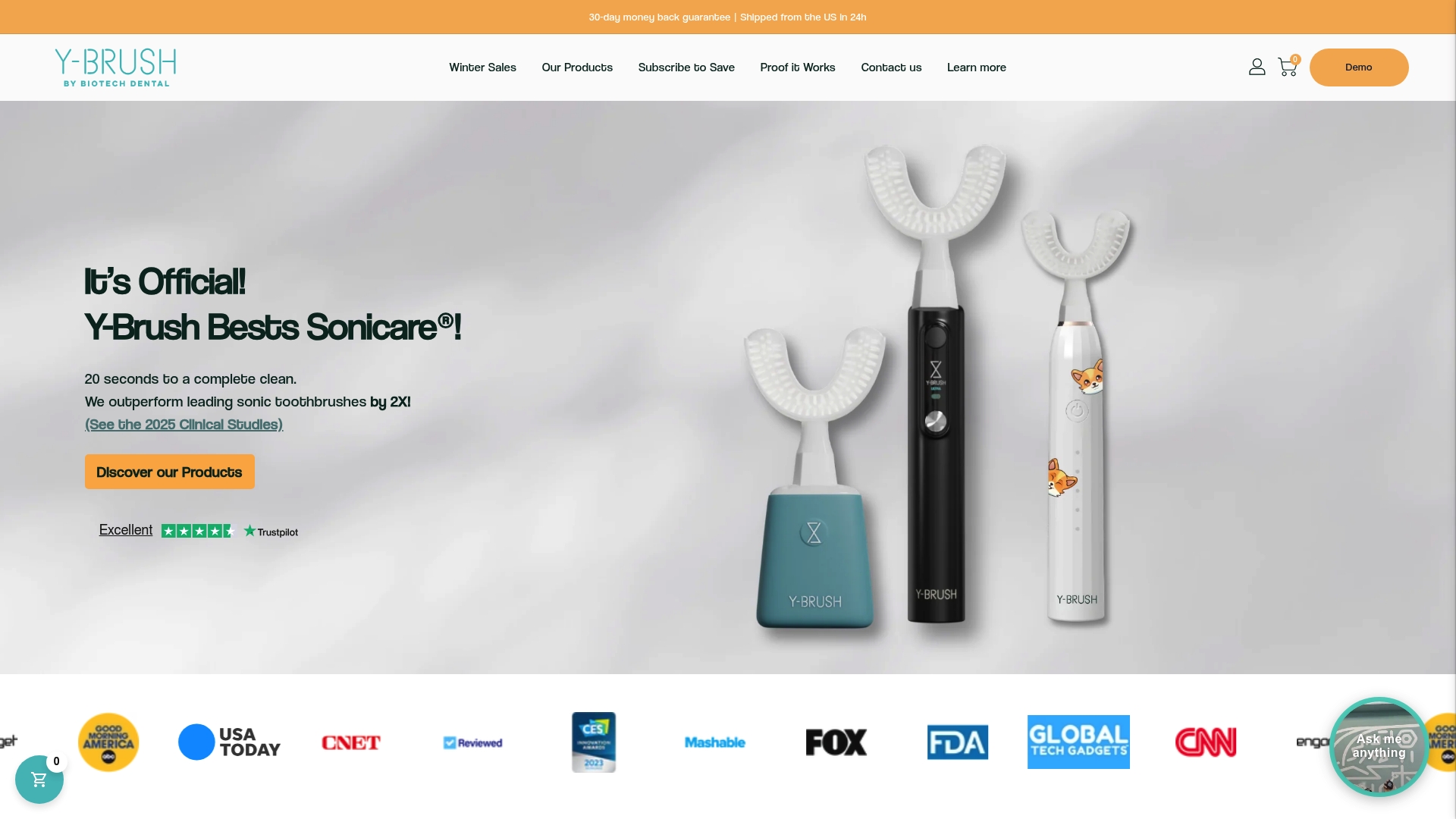
Our product range spans from the Essential Sonic Toothbrush to advanced models with multiple cleaning modes. Each option supports proper technique while respecting that your time matters. Membership plans ensure you always have fresh brush heads delivered on schedule, removing one more thing to remember.
Explore our guide to choosing the right electric toothbrush to find the perfect match for your oral care goals and daily routine. You deserve tools that work with your lifestyle, not against it.
FAQ
What is the correct brushing angle and motion?
The correct angle is 45 degrees toward the gum line, positioning bristles to reach slightly under gums where plaque accumulates first. Use gentle circular motions or short back-and-forth strokes that massage rather than scrub. Avoid horizontal scrubbing, which damages gums and wears enamel over time.
How long should I brush my teeth each time?
Brush for a full 2 minutes to remove up to 40% more plaque compared to shorter sessions. Most people underestimate time without a timer, brushing only 45 to 60 seconds. Using a timer or electric brush with built-in alerts helps you meet the recommended duration consistently.
Can electric toothbrushes clean better than manual ones?
Electric toothbrushes often remove plaque more effectively due to oscillating technology, consistent motion, and built-in timers that improve compliance. However, effectiveness depends largely on using proper technique and brushing for the full recommended duration. An electric brush with poor technique won’t outperform a manual brush used correctly.
How can I adapt brushing technique if I have limited time?
Innovative multi-surface brushes clean all tooth surfaces simultaneously, delivering effective plaque removal in just 20 seconds instead of 2 minutes. Devices with timers or guided brushing increase compliance by 30%, helping you maximize efficiency. Choose technology that removes time barriers while maintaining cleaning quality.


