


Maintaining a healthy smile shouldn’t feel like a time-consuming chore, yet many busy individuals struggle to fit proper oral care into packed schedules. The reality is stark: while dental professionals recommend two minutes of brushing, most people barely reach one minute, leaving plaque to accumulate and gums vulnerable to inflammation. The good news? Effective oral hygiene doesn’t demand lengthy routines or complicated rituals. This guide reveals expert-backed strategies and modern tools that deliver superior cleaning results in a fraction of the time, helping you achieve a plaque-free smile without sacrificing precious minutes from your day.
Table of Contents
- Key takeaways
- Preparing your tools and setting your routine
- Step-by-step efficient brushing technique for maximum plaque removal
- Quick and effective interdental cleaning methods
- Troubleshooting common mistakes and expected results
- Explore fast, effective oral care solutions with Y-Brush
- Frequently asked questions
Key Takeaways
| Point | Details |
|---|---|
| Two minute target | The recommended brushing duration is two minutes to thoroughly clean all tooth surfaces. |
| Electric toothbrush edge | Electric toothbrushes remove more plaque than manual brushing and include built in timers and pressure sensors to pace cleaning and protect enamel. |
| Water flossers advantage | Water flossers clean interdental spaces faster and more effectively than traditional floss, helping reduce bleeding and gingivitis with less effort. |
| Quadrant pacing | Dividing the mouth into four quadrants and spending about 30 seconds on each section ensures full coverage within the two minute brushing time. |
Preparing your tools and setting your routine
The right equipment transforms oral care from a time-consuming task into a streamlined process. Electric toothbrushes remove 21% more plaque than manual brushing over time, making them essential for busy individuals seeking maximum efficiency. Modern electric brushes include built-in timers that pace your cleaning and pressure sensors that prevent aggressive brushing, eliminating guesswork while protecting enamel.
Water flossers represent another game-changing tool for time-pressed schedules. Research confirms that water flossers clean interdental spaces faster and more effectively than traditional string floss or interdental brushes, reducing bleeding and gingivitis with less effort. For individuals who previously skipped flossing due to time constraints, this technology offers a practical solution that actually improves compliance.
Organizing your brushing station eliminates wasted seconds searching for supplies. Keep your electric toothbrush charged and accessible, position your water flosser with a full reservoir, and store fluoride toothpaste within arm’s reach. This preparation creates a frictionless routine that removes barriers to consistent oral care.
Pro Tip: Set up a dedicated charging station near your bathroom mirror where your electric toothbrush remains ready for immediate use, and refill your water flosser reservoir each evening so morning routines flow without interruption.
Essential tools for efficient cleaning:
- Electric toothbrush with quadrant timer and pressure sensor
- Water flosser with adjustable pressure settings
- Fluoride toothpaste for enamel protection
- Small mirror for checking hard-to-reach areas
- Timer app or built-in brush timer for consistency
| Method | Plaque Removal | Time Required | Ease of Use |
|---|---|---|---|
| Electric toothbrush | 21% better than manual | 2 minutes | High (automated motion) |
| Manual toothbrush | Baseline effectiveness | 2-3 minutes | Medium (requires technique) |
| Water flosser | Superior interdental cleaning | 60 seconds | High (simple operation) |
| String floss | Moderate interdental cleaning | 2-3 minutes | Low (requires dexterity) |
Investing in quality tools pays dividends in both time savings and oral health outcomes. The benefits of electric toothbrushes extend beyond speed, delivering consistent results that manual brushing struggles to match. When you optimize dental hygiene essentials for your specific lifestyle, maintaining oral health becomes sustainable rather than aspirational.
Step-by-step efficient brushing technique for maximum plaque removal
Technique determines whether your two minutes deliver genuine cleaning or merely go through the motions. Studies demonstrate that brushing for 2 minutes removes 41% of plaque, while shorter durations significantly reduce effectiveness. The key lies in systematic coverage using proper angles and motions that target both tooth surfaces and the gumline where plaque accumulates.
Follow this systematic approach for complete coverage:
- Position your brush at a 45-degree angle where teeth meet gums, allowing bristles to reach slightly beneath the gumline where bacteria hide.
- Use small circular motions rather than aggressive back-and-forth scrubbing, letting the brush do the work while you guide it methodically.
- Divide your mouth into four quadrants (upper right, upper left, lower right, lower left) and spend exactly 30 seconds on each section.
- Brush outer surfaces first, then inner surfaces, followed by chewing surfaces of molars where food particles collect.
- Gently brush your tongue from back to front to remove bacteria that cause bad breath and contribute to plaque formation.
- Spit out excess toothpaste but resist rinsing with water, allowing fluoride to remain on teeth for continued protection.
The proper 45-degree angle technique combined with circular motions ensures bristles reach into spaces where plaque forms colonies. Many people brush horizontally across tooth surfaces, missing the critical junction between teeth and gums where gingivitis begins. Adjusting your angle takes seconds to learn but dramatically improves cleaning effectiveness.
Electric toothbrush timers eliminate the need to watch a clock, pulsing every 30 seconds to signal quadrant changes. This built-in pacing ensures you distribute cleaning time evenly rather than spending 90 seconds on front teeth while neglecting molars. For those using manual brushes, smartphone timer apps provide similar guidance, though upgrading to electric technology offers superior results with less conscious effort.
Pro Tip: Use your electric toothbrush’s timer pulses as meditation cues, taking a deep breath each time it signals a new quadrant to create a mindful routine that reduces morning stress while improving oral health.
Mastering this brushing techniques guide transforms your routine from rushed guesswork into a precise system. The importance of 2-minute brushing cannot be overstated, as cutting corners literally cuts your plaque removal effectiveness by more than a third. Two minutes represents the minimum threshold for meaningful cleaning, not an aspirational goal.
Quick and effective interdental cleaning methods
Brushing alone misses approximately 40% of tooth surfaces, the spaces between teeth where traditional bristles cannot reach. Interdental cleaning completes your oral care routine, yet traditional string floss demands time and dexterity that busy schedules rarely accommodate. Modern alternatives offer superior results with dramatically reduced effort and time investment.
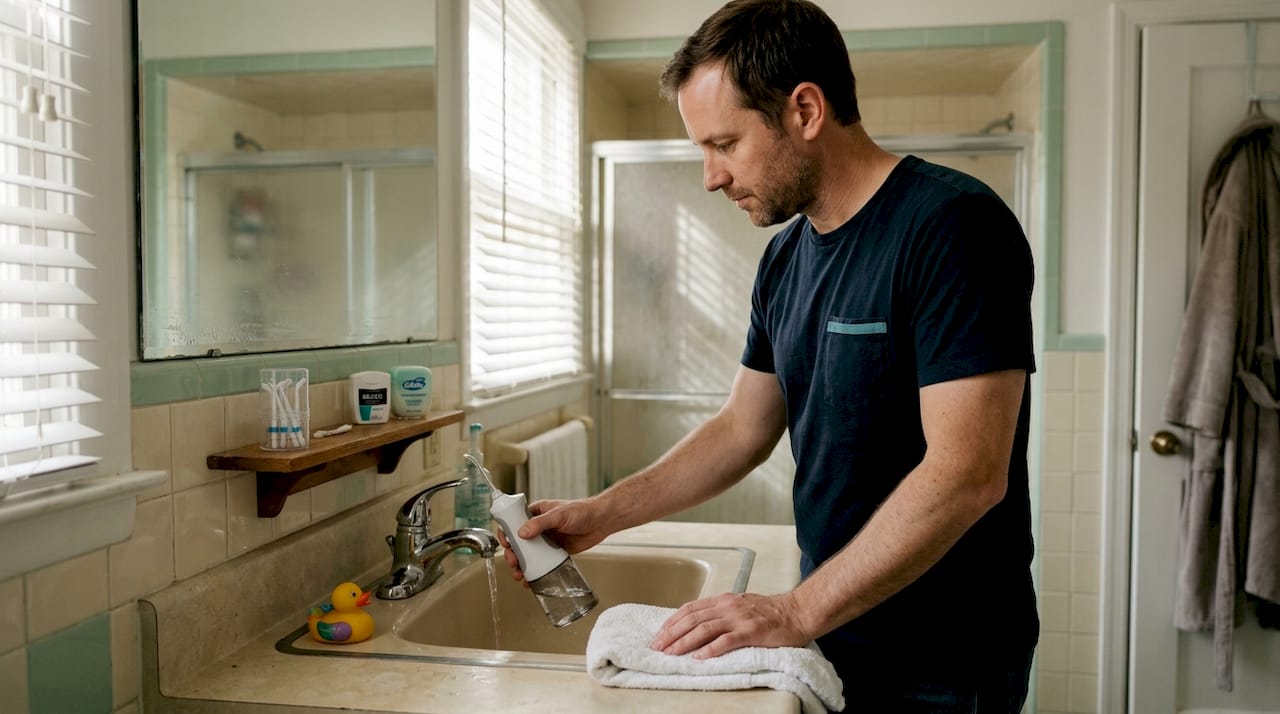
Water flossers revolutionize interdental cleaning by delivering pulsating streams that flush debris and bacteria from between teeth in roughly 60 seconds. Research shows water flossers reduce gingivitis and bleeding more effectively than string floss or interdental brushes, making them ideal for individuals who previously skipped this critical step. The pressurized water reaches areas that manual methods struggle to access, particularly around dental work and tight contacts.
Interdental cleaning options compared:
- Water flossers: Fast operation, superior gum health outcomes, minimal technique required, ongoing equipment cost
- String floss: Inexpensive, portable, requires significant dexterity and time, often skipped due to inconvenience
- Interdental brushes: Effective for wide spaces, reusable, cannot fit tight contacts, requires multiple brush sizes
| Method | Time Required | Effectiveness | Ease of Use | Best For |
|---|---|---|---|---|
| Water flosser | 60 seconds | Excellent for gum health | Very easy | Busy schedules, braces, implants |
| String floss | 2-3 minutes | Good for plaque removal | Difficult | Travel, tight budgets |
| Interdental brushes | 2-3 minutes | Good for wide spaces | Moderate | Specific gap sizes |
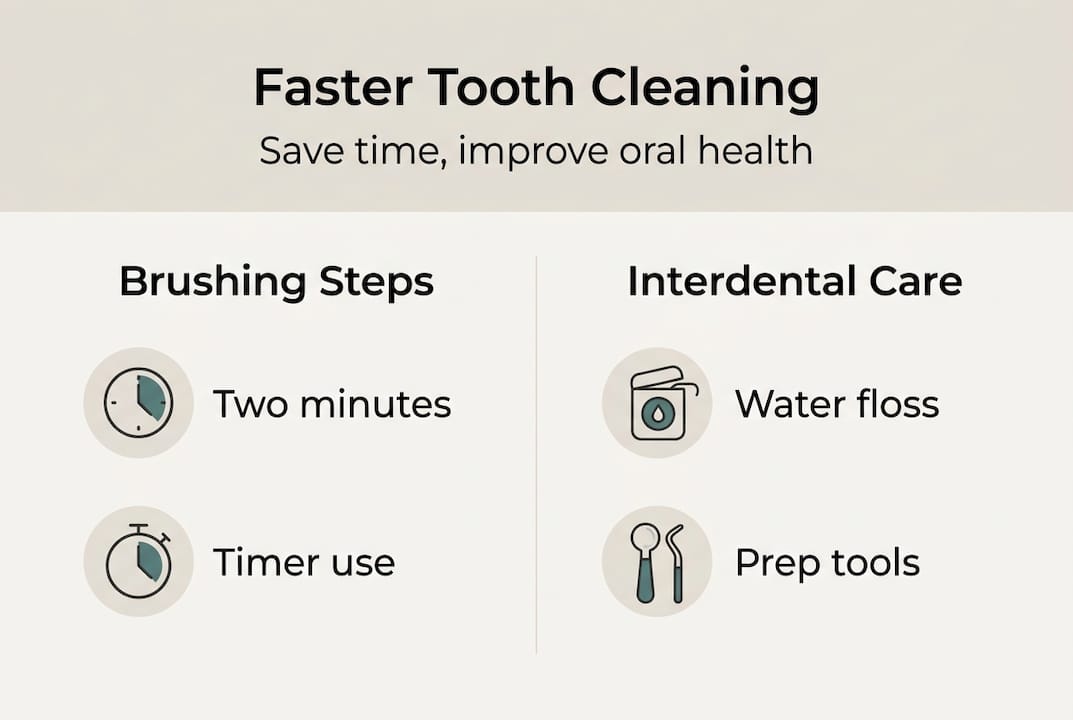
Despite limited plaque removal by string floss, interdental cleaning remains essential for preventing gum disease and maintaining overall oral health. The question becomes which method you’ll actually use consistently rather than which seems theoretically superior. Water flossers win on compliance because they require less coordination and deliver immediate gratification through visible debris removal.
Incorporating interdental cleaning into your fast oral care routine adds just one minute when using a water flosser, bringing total daily oral care to approximately three minutes. This modest investment prevents costly dental problems while maintaining the confidence of fresh breath and healthy gums. Building effective oral care habits depends on choosing methods that align with your lifestyle rather than fighting against it.
Pro Tip: Keep your water flosser filled and ready on the bathroom counter so you can complete interdental cleaning immediately after brushing without the friction of setup time that often leads to skipping this crucial step.
Troubleshooting common mistakes and expected results
Even with optimal tools and knowledge, rushed routines invite errors that undermine cleaning effectiveness. The most prevalent mistake involves brushing too quickly, spending perhaps 45 seconds total while believing you’ve completed adequate cleaning. This abbreviated approach reduces plaque removal from 41% to approximately 27%, leaving substantial bacterial colonies to mature into tartar and trigger gum inflammation.
Another common pitfall involves uneven coverage, where visible front teeth receive thorough attention while molars and inner surfaces get cursory treatment. Your tongue cannot accurately assess cleanliness, so systematic quadrant timing proves essential for comprehensive cleaning. Skipping areas today creates plaque accumulation that hardens into tartar within 24 to 72 hours, requiring professional removal.
Rinsing immediately after brushing washes away fluoride before it can strengthen enamel and remineralize early decay spots. This seemingly hygienic habit actually reduces toothpaste effectiveness by 50% or more. Simply spitting out excess foam and allowing residual fluoride to remain on teeth provides continued protection throughout the morning or evening.
Avoid these efficiency-killing mistakes:
- Rushing through brushing in under 90 seconds, missing the proven 2-minute threshold for effective plaque removal
- Focusing only on front teeth while neglecting molars and inner surfaces where decay often begins
- Rinsing with water after brushing, eliminating fluoride’s protective benefits
- Applying excessive pressure that damages gums without improving cleaning results
- Skipping interdental cleaning due to time pressure, leaving 40% of surfaces untouched
- Using worn brush heads with splayed bristles that cannot effectively clean tooth surfaces
Setting realistic expectations helps maintain motivation when results take time to manifest. With proper technique and consistent two-minute brushing, you’ll remove approximately 41% of plaque during each session. This percentage might seem modest, but daily removal prevents accumulation and allows your immune system to manage remaining bacteria effectively. Gum health improvements typically appear within two to four weeks of consistent care.
“Brushing beyond three minutes provides minimal additional plaque removal while increasing the risk of enamel wear and gum recession from excessive mechanical action. The sweet spot for oral health lies between two and three minutes of proper technique, not indefinite scrubbing.”
Understanding that overbrushing beyond 3 minutes risks enamel damage without added benefit helps busy individuals feel confident in their efficient routine. More time doesn’t equal better results once you’ve reached the evidence-based threshold. This knowledge liberates you from guilt about not spending five minutes brushing, allowing you to focus energy on consistency rather than duration.
The importance of 2-minute brushing represents a scientifically validated minimum, not marketing hype. When comparing manual vs sonic toothbrush options, remember that technique and duration matter more than equipment alone, though superior tools make proper technique easier to maintain consistently.
Explore fast, effective oral care solutions with Y-Brush
If you’re ready to transform your oral care routine from a time-consuming obligation into a streamlined habit that actually fits your lifestyle, Y-Brush offers innovative solutions designed specifically for busy individuals. Our sonic electric toothbrushes combine powerful cleaning technology with intuitive design, helping you achieve professional-level results without extending your morning or evening routine.
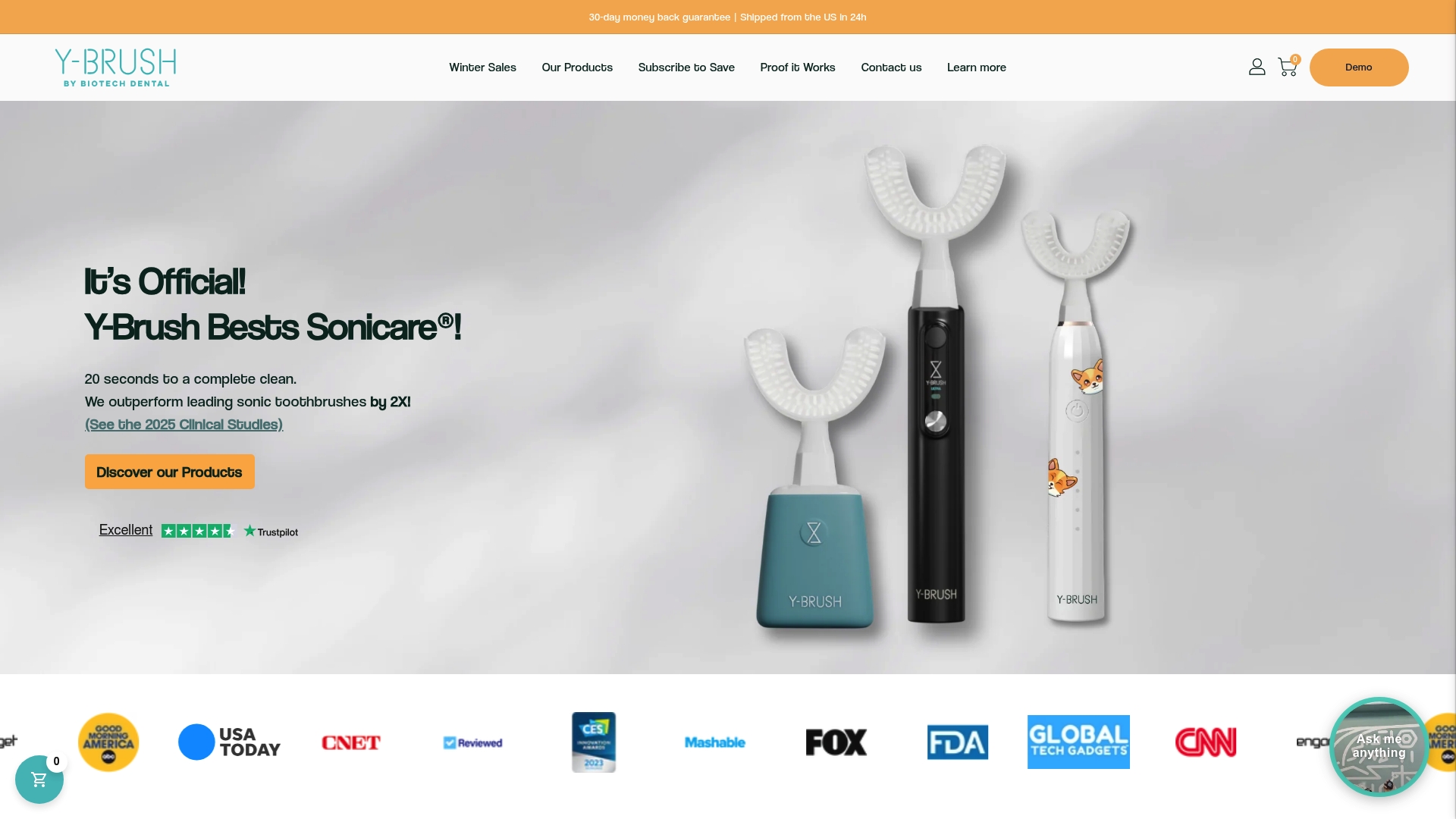
The Y-Brush Essential Sonic Toothbrush delivers 31,000 brush strokes per minute, providing thorough plaque removal with less manual effort than traditional brushing. Built-in timers ensure you meet the recommended two-minute duration, while multiple intensity settings accommodate sensitive gums or preference for stronger cleaning. For families, the Y-Brush KidsBrush electric toothbrush makes pediatric oral care engaging and effective, establishing healthy habits early.
Our philosophy centers on helping you brush smarter not longer, recognizing that sustainable oral health comes from consistent routines that respect your time constraints. When cleaning your teeth takes three efficient minutes rather than a rushed 45 seconds, you achieve superior results while maintaining the flexibility your schedule demands. Explore our complete range of products designed to simplify oral care without compromising on the healthy smile you deserve.
Frequently asked questions
How long does it take to clean teeth effectively?
Effective tooth cleaning requires a minimum of two minutes for brushing to remove approximately 41% of plaque, plus about one minute for interdental cleaning with a water flosser. This three-minute total represents the evidence-based threshold for maintaining oral health without excessive time investment. Using electric toothbrushes with built-in timers helps ensure you consistently meet this duration, while water flossers dramatically reduce the time needed for interdental cleaning compared to traditional string floss that can take three minutes or more.
Can I clean my teeth properly in less than 2 minutes?
Brushing for less than two minutes significantly reduces plaque removal effectiveness, dropping from 41% removal at two minutes to approximately 27% at shorter durations. While you might feel your teeth are clean, inadequate brushing time leaves substantial bacterial colonies that mature into tartar and trigger gum inflammation. Electric toothbrushes with quadrant timers help you reach the necessary duration by pacing your cleaning and ensuring even coverage across all tooth surfaces.
Are water flossers better than string floss for quick oral care?
Water flossers complete interdental cleaning in roughly 60 seconds while delivering superior gum health outcomes compared to string floss or interdental brushes. Research demonstrates they reduce bleeding and gingivitis more effectively than traditional methods, making them ideal for busy individuals who need efficient cleaning without sacrificing results. The ease of use also improves compliance, as water flossers require less dexterity and coordination than manipulating string floss around each tooth.
What common mistakes should I avoid to save time without losing effectiveness?
The most critical mistake involves rushing through brushing in under two minutes, which substantially reduces plaque removal and leaves your mouth vulnerable to decay and gum disease. Avoid rinsing with water immediately after brushing, as this washes away protective fluoride before it can strengthen enamel. Focus on systematic coverage using quadrant timing rather than spending excessive time on visible front teeth while neglecting molars and inner surfaces where problems often develop unnoticed.


