


Most people focus on how long they brush, but when you brush can be just as important for protecting your teeth and gums. Timing your brushing sessions strategically around meals and daily routines significantly impacts plaque removal, enamel protection, and even cardiovascular health. For busy individuals juggling packed schedules, understanding optimal brushing timing means you can achieve better oral health outcomes without adding extra time to your day. This guide explains the science behind brushing timing and provides practical strategies to fit effective oral care seamlessly into your lifestyle.
Table of Contents
- Why Brushing Timing Matters For Oral Health
- Morning Versus Evening Brushing: Which Matters More?
- How Brushing Duration And Technique Optimize Timing Benefits
- Practical Tips For Managing Brushing Timing In A Busy Lifestyle
- Discover Advanced Brushing Solutions At Y-Brush
- Frequently Asked Questions About Timing In Brushing
Key takeaways
| Point | Details |
|---|---|
| Brush twice daily | Morning and evening sessions provide optimal plaque control and reduce heart disease risk compared to once daily brushing. |
| Timing protects enamel | Brushing before breakfast or waiting 30 to 60 minutes after acidic foods prevents enamel erosion from softened tooth surfaces. |
| Two minutes minimum | Spending at least two minutes per session removes significantly more plaque than shorter durations. |
| Evening is critical | Nighttime brushing prevents plaque buildup during sleep when bacteria multiply most actively. |
| Use smart tools | Electric toothbrushes with timers ensure consistent duration and proper technique for busy schedules. |
Why brushing timing matters for oral health
Your mouth undergoes distinct biological changes throughout the day that make certain brushing times more effective than others. During sleep, saliva production decreases dramatically, allowing bacteria to multiply rapidly and form plaque on tooth surfaces. This overnight bacterial accumulation can damage teeth and gums if not removed promptly in the morning. Brushing before breakfast removes overnight bacteria and applies protective fluoride before you consume acidic foods that could erode enamel.
The interaction between brushing and eating creates a critical timing consideration. Many breakfast foods and beverages contain acids that temporarily soften tooth enamel. Brushing immediately after consuming acidic items like orange juice, coffee, or fruit can actually wear away this softened enamel layer. Waiting 30 to 60 minutes allows saliva to neutralize acids and reharden enamel, or you can brush beforehand to avoid this issue entirely.
Evening brushing serves a different but equally vital function. Nighttime is when plaque buildup accelerates most dramatically due to reduced saliva flow and longer periods without mechanical cleaning. Bacteria feed on food particles and sugars left in your mouth, producing acids that attack tooth enamel throughout the night. Removing this debris before bed prevents hours of bacterial activity. Research shows that brushing twice daily significantly lowers cardiovascular disease risks compared to once daily brushing, highlighting systemic health benefits beyond just oral care.
Understanding why brush for 2 minutes becomes even more important when you consider timing. A rushed 30 second brush before breakfast provides minimal benefit compared to a thorough two minute session. The biological vulnerabilities created by overnight bacteria and mealtime acids require adequate brushing duration to address effectively.
Key timing considerations include:
- Morning brushing removes 8 to 12 hours of accumulated bacteria
- Pre meal brushing protects enamel from dietary acids
- Post acidic food brushing requires 30 to 60 minute wait periods
- Evening brushing prevents overnight plaque formation
- Twice daily brushing reduces cardiovascular disease risk
Morning versus evening brushing: which matters more?
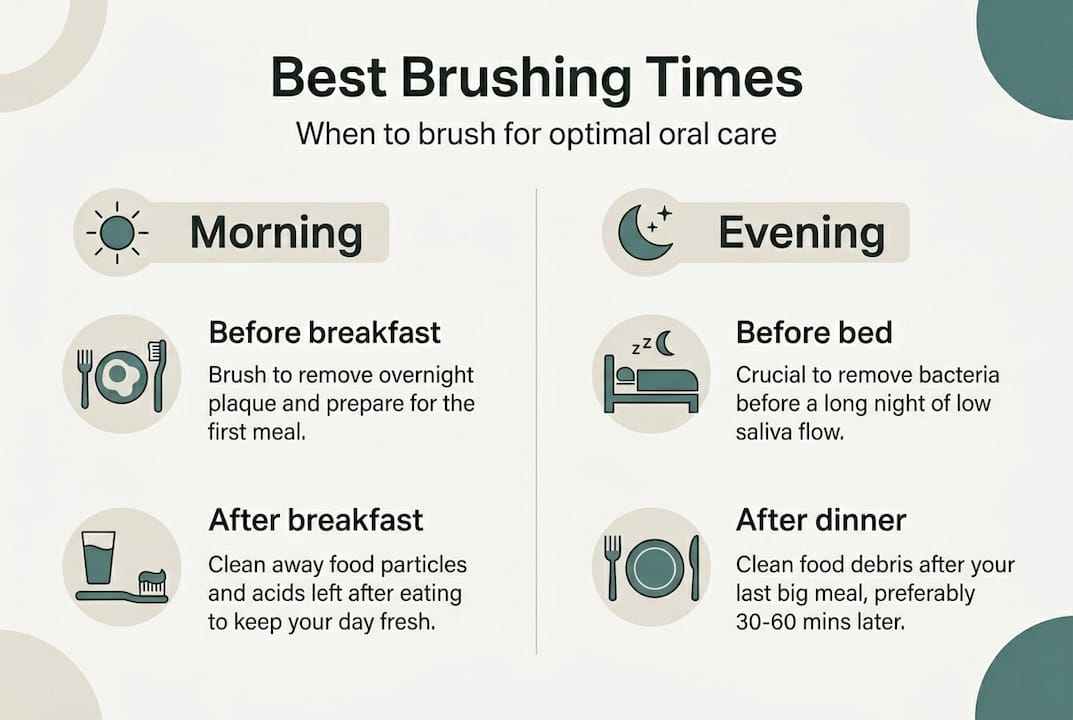
While both morning and evening brushing contribute to oral health, they serve distinct purposes that make timing strategy essential. Morning brushing addresses overnight bacterial buildup, but the timing relative to breakfast determines its effectiveness. Brushing before your first meal removes accumulated plaque and coats teeth with protective fluoride. This approach prevents acids in breakfast foods from attacking vulnerable enamel surfaces. However, if you prefer brushing after breakfast, you must wait at least 30 to 60 minutes to avoid damaging acid softened enamel.
Evening brushing before bed ranks as slightly more important than morning brushing for plaque control and cardiovascular risk reduction. Nighttime provides the longest uninterrupted period for bacterial growth, making thorough plaque removal before sleep crucial. Studies demonstrate that once daily brushing increases cardiovascular risks compared to twice daily routines, emphasizing the cumulative health impact of consistent evening brushing.
The comparison between morning and evening sessions reveals different priorities:
| Timing | Primary Benefits | Key Considerations |
|---|---|---|
| Before breakfast | Removes overnight bacteria, protects enamel from food acids, applies fluoride barrier | Must brush before eating acidic foods for maximum protection |
| After breakfast | Removes food particles, freshens breath | Requires 30 to 60 minute wait after acidic items to prevent enamel damage |
| Before bed | Prevents overnight plaque buildup, reduces cardiovascular disease risk, maximizes fluoride exposure time | Most critical session for long term oral and systemic health |
For busy individuals struggling to fit in two full brushing sessions, prioritization becomes necessary. A complete two minute evening brush provides more protective value than a rushed morning session. If time constraints force you to choose, focus your effort on the nighttime routine and do a quick pre breakfast brush when possible.
Pro Tip: Set a phone reminder 30 minutes before your typical bedtime to ensure you never skip your evening brush, even on hectic days. This simple habit protects both your oral health and cardiovascular system.
Integrating effective oral care habits into your schedule becomes easier when you understand these timing priorities. Rather than viewing brushing as a generic twice daily task, you can strategically place sessions for maximum benefit. Morning brushing fits naturally into pre breakfast routines, while evening brushing becomes the non negotiable cornerstone of your oral care. This approach aligns with dental hygiene essentials for busy lifestyles by focusing effort where it matters most.
How brushing duration and technique optimize timing benefits
Choosing the right time to brush only delivers results when combined with adequate duration and proper technique. Brushing for at least two minutes removes significantly more plaque than shorter sessions, with durations up to 3 minutes showing further linear improvements. A 30 second rush before breakfast, even at the optimal time, fails to address overnight bacterial accumulation effectively. The mechanical action of bristles against tooth surfaces requires sufficient time to dislodge plaque from all areas.
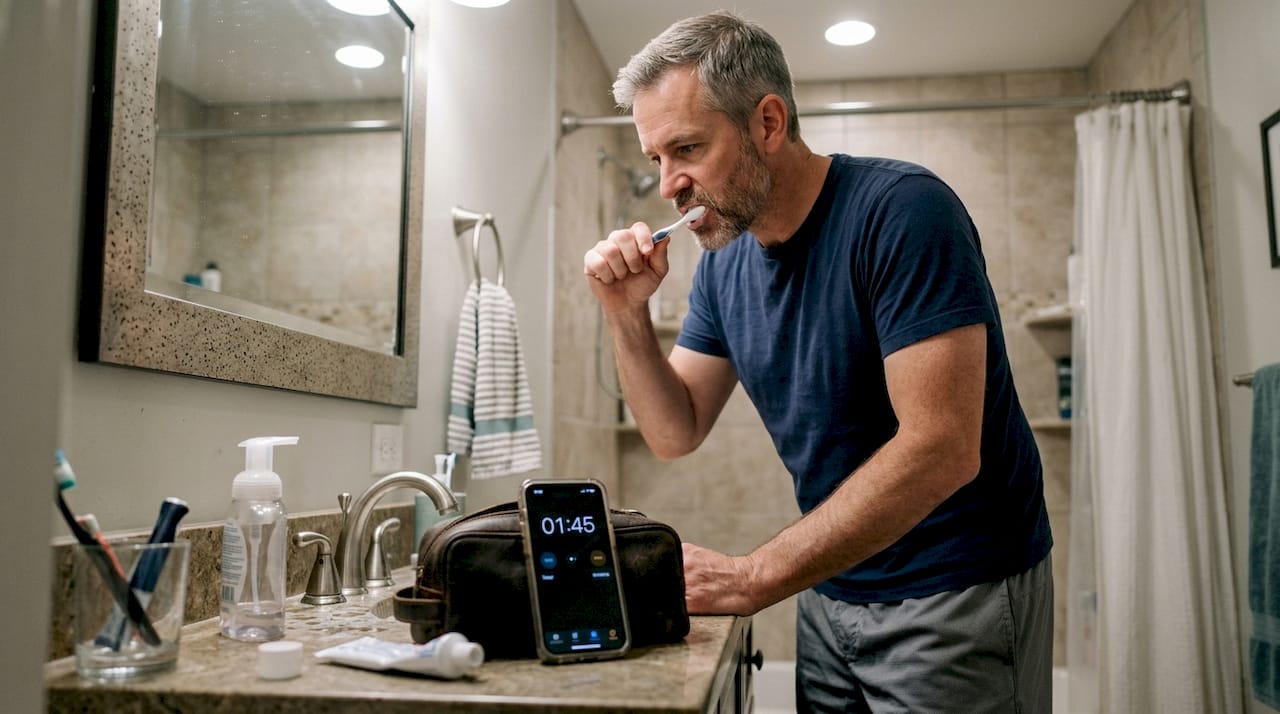
Brushing force plays an equally important role in maximizing timing benefits. Applying approximately 2 to 3 newtons of pressure provides optimal cleaning without damaging gum tissue or wearing enamel. Excessive force causes gum recession and enamel abrasion regardless of when you brush, undermining the protective benefits of strategic timing. Many people unconsciously apply too much pressure, especially when rushing through morning routines.
Electric toothbrushes address both duration and force challenges simultaneously. Built in timers ensure you reach the minimum two minute threshold, while pressure sensors prevent excessive force application. These features prove particularly valuable for busy users who might otherwise cut sessions short or brush too aggressively when stressed for time. Smart toothbrushes with app connectivity provide additional accountability through brushing history tracking and personalized reminders.
Proper technique elements include:
- Gentle circular motions rather than aggressive back and forth scrubbing
- Systematic coverage of all tooth surfaces including backs and chewing surfaces
- Angling bristles toward the gumline to clean the junction where plaque accumulates
- Avoiding overbrushing any single area which can cause localized wear
Pro Tip: Use a sonic toothbrush with quadrant timing that vibrates every 30 seconds, prompting you to move to the next section of your mouth. This ensures even coverage across all four quadrants during your two minute session.
The relationship between timing and technique becomes clear when you consider real world scenarios. Brushing before breakfast at the optimal time provides minimal benefit if you only spend 45 seconds rushing through the process. Similarly, waiting the recommended 30 minutes after acidic foods means nothing if you then brush with excessive force that damages already vulnerable enamel. Understanding the lasting oral health impact of 2 minute brushing helps you appreciate why duration cannot be sacrificed for convenience.
Mastering brushing technique for plaque removal transforms strategic timing from theoretical knowledge into practical results. The combination of optimal timing, adequate duration, and proper technique creates a comprehensive approach that busy individuals can sustain long term. Each element reinforces the others, building habits that protect oral health without requiring significant additional time investment.
Practical tips for managing brushing timing in a busy lifestyle
Translating optimal brushing timing from theory into daily practice requires realistic strategies that accommodate unpredictable schedules. These actionable approaches help you maintain effective oral care even during your busiest periods:
- Prioritize a full two minute evening brush as your non negotiable daily minimum, ensuring overnight plaque prevention regardless of morning chaos.
- Brush before breakfast whenever possible to avoid the 30 to 60 minute post acidic food waiting period that complicates morning schedules.
- If you must brush after consuming acidic items, set a phone timer for 30 minutes to remind you when enamel has rehardened sufficiently.
- Keep sugarless gum or antibacterial mouthwash available for situations when you cannot wait the recommended time after acidic meals.
- Use a smart toothbrush with app integration that tracks your brushing duration and sends reminders, eliminating the mental load of remembering optimal times.
Smart electric toothbrushes with timers improve brushing duration and frequency, ensuring you consistently reach the two minute minimum coverage. App connected models provide data on your brushing patterns, revealing whether you tend to skip evening sessions or rush through morning routines. This awareness helps you identify specific timing challenges and adjust your schedule accordingly.
Rinsing your mouth with water or chewing sugarless gum immediately after meals provides a helpful compromise when timing constraints prevent optimal brushing. While these methods cannot replace mechanical plaque removal, they reduce oral acidity and remove loose food particles. This interim step proves especially valuable after midday meals when brushing may be impractical in work or social settings.
Pro Tip: Keep a travel toothbrush and mini toothpaste in your car, desk drawer, or bag so you can brush during unexpected breaks in your schedule. These spontaneous sessions supplement your core morning and evening routine.
Implementing efficient brushing steps streamlines your routine without sacrificing effectiveness. Establishing a consistent sequence, such as starting with upper right teeth and moving systematically around your mouth, ensures complete coverage within two minutes. This systematic approach becomes automatic over time, reducing the cognitive effort required even when you are rushed or distracted.
Developing a fast oral care routine for busy professionals means identifying your personal timing obstacles and creating workarounds. If morning meetings frequently derail your pre breakfast brush, consider brushing immediately upon waking before checking email or news. If evening fatigue causes you to skip nighttime sessions, brush right after dinner rather than waiting until you are ready for bed. Adapting timing recommendations to your specific lifestyle patterns increases long term adherence.
The key to sustainable timing habits lies in building systems rather than relying on willpower. Placing your toothbrush in a visible location, coupling brushing with existing habits like showering, and using technology reminders all reduce friction. When optimal timing becomes the path of least resistance, you maintain it effortlessly even during stressful periods.
Discover advanced brushing solutions at Y-Brush
Optimal brushing timing delivers maximum benefits when paired with tools designed for efficiency and effectiveness. Y-Brush offers innovative solutions that ensure you achieve thorough cleaning within the recommended two minute duration, even on your busiest days.
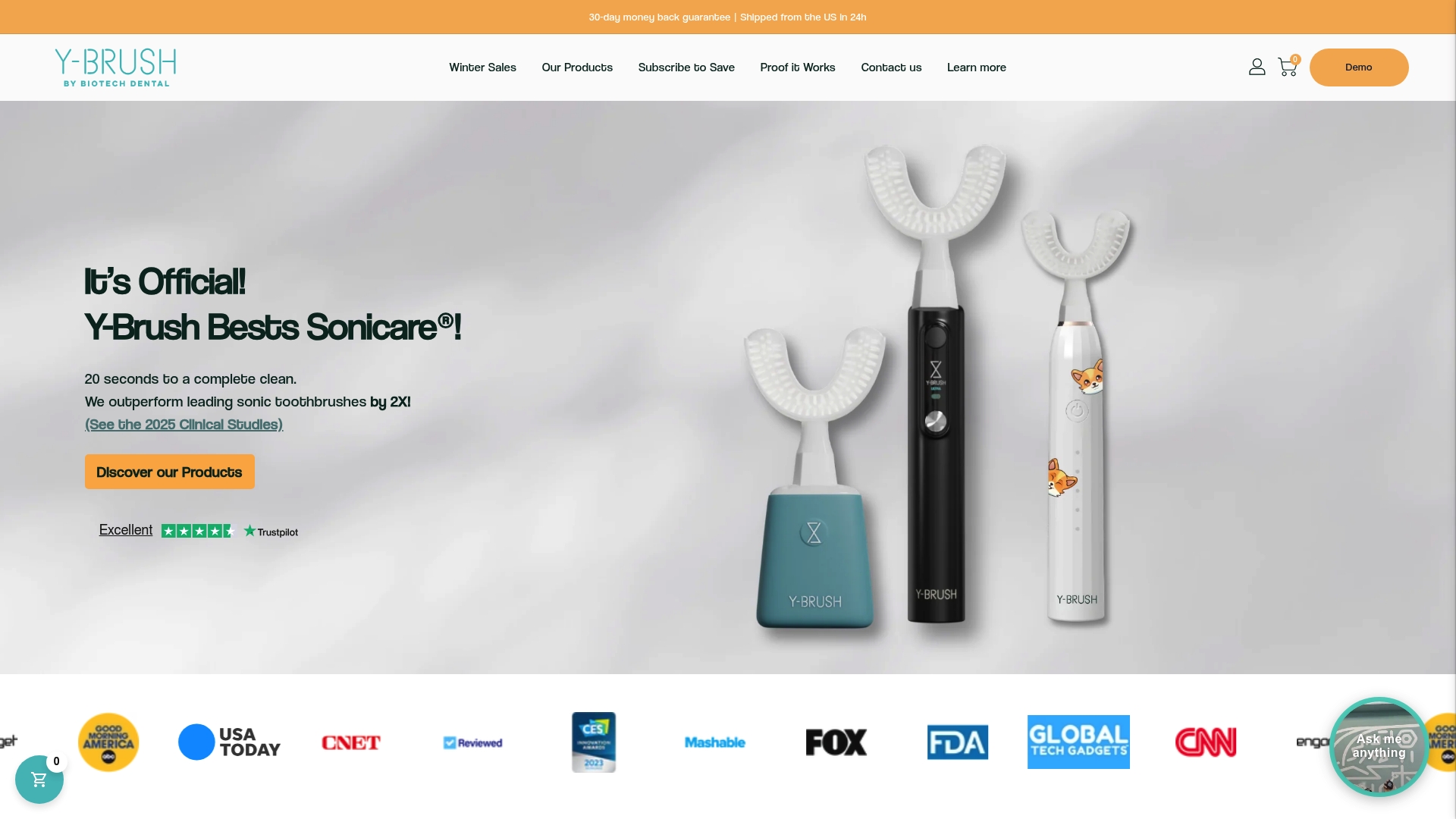
The Y-Brush Essential Sonic Toothbrush features built in timers that guide you through complete two minute sessions, eliminating guesswork about adequate duration. This technology proves invaluable for maintaining consistent morning and evening routines regardless of schedule pressures. Sonic vibration technology enhances plaque removal efficiency, maximizing the impact of strategically timed brushing sessions.
Explore membership plans that deliver replacement brush heads on a regular schedule, ensuring optimal bristle effectiveness for superior cleaning. Members gain early access to new product innovations that continue advancing efficient oral care. Discover the future of toothbrushing with Y-Brush solutions designed specifically for individuals who value both effectiveness and time efficiency in their daily routines.
Frequently asked questions about timing in brushing
What happens if I brush immediately after drinking coffee?
Brushing right after acidic beverages like coffee can erode temporarily softened enamel, causing permanent damage over time. Wait 30 to 60 minutes to allow saliva to neutralize acids and reharden enamel before brushing. Alternatively, brush before consuming coffee to apply protective fluoride beforehand. Rinsing your mouth with water or chewing sugarless gum immediately after drinking provides interim acid reduction. Understanding why brush after meals helps you time sessions appropriately around acidic foods and drinks.
How can I maintain oral hygiene if I only have time to brush once a day?
Prioritize a thorough two minute evening brushing session to reduce overnight plaque accumulation and associated cardiovascular risks. Nighttime brushing provides the greatest protective value when you must choose only one daily session. Consider supplementing with antibacterial mouthwash or sugarless gum during the day to reduce bacterial levels between brushing sessions. However, aim to add a quick morning brush as soon as your schedule allows, since twice daily brushing significantly improves outcomes compared to once daily routines.
Are electric toothbrushes really better for timing and technique?
Electric toothbrushes with built in timers help ensure you consistently reach the recommended two minute duration, eliminating the tendency to cut sessions short when rushed. They also promote correct brushing force through pressure sensors that alert you when you are applying excessive pressure that could damage gums or enamel. Sonic and oscillating brush heads provide superior plaque removal compared to manual brushing, maximizing the effectiveness of optimally timed sessions. Learn more about electric toothbrush timers and their impact on daily routines.
How important is brushing force compared to timing?
Proper brushing force of approximately 2 to 3 newtons proves crucial for preventing gum recession and enamel wear while achieving effective cleaning. Excessive force damages oral tissues regardless of when you brush, undermining the benefits of strategic timing. The combination of optimal timing and appropriate force delivers superior results compared to either factor alone. Proper brushing technique encompasses both elements, ensuring you protect enamel while removing plaque effectively during morning and evening sessions.
Can chewing gum substitute for brushing after meals?
Chewing sugarless gum after meals helps reduce oral acidity and removes loose food particles, but it cannot replace the mechanical plaque removal that brushing provides. Gum serves as a useful supplemental habit when brushing immediately after acidic foods is not advisable or when you lack access to a toothbrush during midday meals. The chewing action stimulates saliva production, which naturally neutralizes acids and begins the enamel rehardening process. However, you still need your core morning and evening brushing sessions for comprehensive oral health maintenance.


