


TL;DR:
- Oral care is a rapidly growing wellness category driven by social media and aesthetic focus.
- Science links oral health to systemic wellness, emphasizing prevention over reactive treatment.
- Innovative tools and holistic products are transforming daily routines, but safety and professional advice remain essential.
Oral care has quietly become one of the fastest-growing wellness categories in the U.S., rivaling the multi-step skincare routines that dominated the last decade. What was once a simple two-minute habit is now a curated ritual, complete with smart devices, probiotics, and ingredient-conscious products. Social media, particularly TikTok, has popularized elaborate multi-step oral care routines that go far beyond brushing and flossing. This shift is not just cosmetic. It reflects a deeper cultural awakening around what a healthy smile actually means and why it matters for your body, not just your appearance.
Table of Contents
- The rise of oral care: Culture, social media, and aesthetics
- The science behind the trend: Oral-systemic health explained
- Tech and innovation: Tools transforming oral care in 2026
- Holistic oral care: Natural ingredients, probiotics, and conscious choices
- A closer look: The truth behind the oral care trend
- How to get started with efficient oral care
- Frequently asked questions
Key Takeaways
| Point | Details |
|---|---|
| Social media’s impact | Platforms like TikTok make oral care routines more popular and visible. |
| Holistic health connection | Oral hygiene is key to preventing chronic diseases, not just appearances. |
| Rise of smart devices | Innovative tech and tools make effective oral care easy and efficient. |
| Natural product demand | Consumers are choosing gentle, probiotic, and conscious formulas. |
| Expert-approved routines | Safe, preventive practices beat viral hacks for long-term results. |
The rise of oral care: Culture, social media, and aesthetics
Social media has reshaped how millions of Americans think about their teeth. Platforms like TikTok and Instagram have turned oral hygiene into a visible, shareable wellness practice, much like skincare. High-definition cameras and selfie culture mean that teeth are front and center in every photo and video, creating real demand for whiter teeth, fresher breath, and healthier gums.
The digital marketing impact on dental trends has been significant, with influencers and brand partnerships accelerating product adoption at a pace dentists have never seen before. Viral challenges, unboxing videos, and before-and-after transformation content have made oral care aspirational rather than clinical. Consumers are not just buying toothpaste anymore. They are investing in routines.
A typical modern oral care routine now includes several steps beyond basic brushing:
- Electric toothbrush for superior plaque removal
- Water flosser (Waterpik) to clean between teeth and along the gumline
- Tongue scraper to reduce bacteria and improve breath
- Probiotic supplements or rinses to support a healthy oral microbiome
- Whitening treatments ranging from strips to LED devices
- Alcohol-free mouthwash to protect enamel and maintain moisture balance
Building efficient oral hygiene routines is increasingly recognized as a cornerstone of overall wellness, not just cosmetic maintenance.
However, not every trend is worth following. Dentists have raised concerns about viral DIY hacks that promise dramatic results but can cause lasting harm. Filing teeth with nail files, using activated charcoal excessively, or applying hydrogen peroxide at high concentrations are practices that erode enamel and damage soft tissue. Enamel does not regenerate. Once it is gone, it is gone.
“The popularity of oral care on social media is exciting, but it comes with responsibility. Consumers need to distinguish between evidence-based practices and viral entertainment.” — Dental professionals cited in Dental Hygiene and Aesthetics Trends 2026
| Trend | Benefit | Risk level |
|---|---|---|
| Electric toothbrush | Better plaque removal | Low |
| Tongue scraping | Reduces bacteria | Low |
| DIY teeth filing | None | Very high |
| Probiotic rinses | Microbiome support | Low |
| High-concentration peroxide | Whitening | Moderate to high |
The cultural shift is real and largely positive. Clean, healthy smiles are now as valued as clear skin, and that awareness is pushing more Americans to take preventive oral care seriously.
The science behind the trend: Oral-systemic health explained
Aesthetics may be driving the trend on social media, but science is what gives it staying power. Researchers and clinicians have built a strong body of evidence connecting oral health to systemic wellness, meaning what happens in your mouth does not stay in your mouth.
Inflammation caused by gum disease (periodontitis) has been linked to cardiovascular disease, type 2 diabetes, respiratory conditions, and even cognitive decline. Bacteria from infected gum tissue can enter the bloodstream and trigger inflammatory responses throughout the body. This is not a fringe theory. 93% of dentists associate oral health with systemic health, and preventive care can mitigate chronic diseases.
This connection is reshaping how dentists and patients approach oral care. The focus is shifting from reactive treatment to proactive prevention. Here is what that looks like in practice:
- Consistent brushing and flossing to prevent biofilm (plaque) buildup
- Regular professional cleanings to catch issues before they escalate
- Enamel-focused products to protect against acid erosion from diet and reflux
- Gum care routines especially important for adults over 40, who face higher periodontitis risk
- Hydration and diet choices that reduce acidity and support saliva production
For aging adults, gum health has become a particular priority. Receding gums, dry mouth caused by medications, and increased sensitivity are common challenges. Gentle, alcohol-free formulas and low-abrasion toothpastes are now specifically formulated to address these needs without causing further irritation.
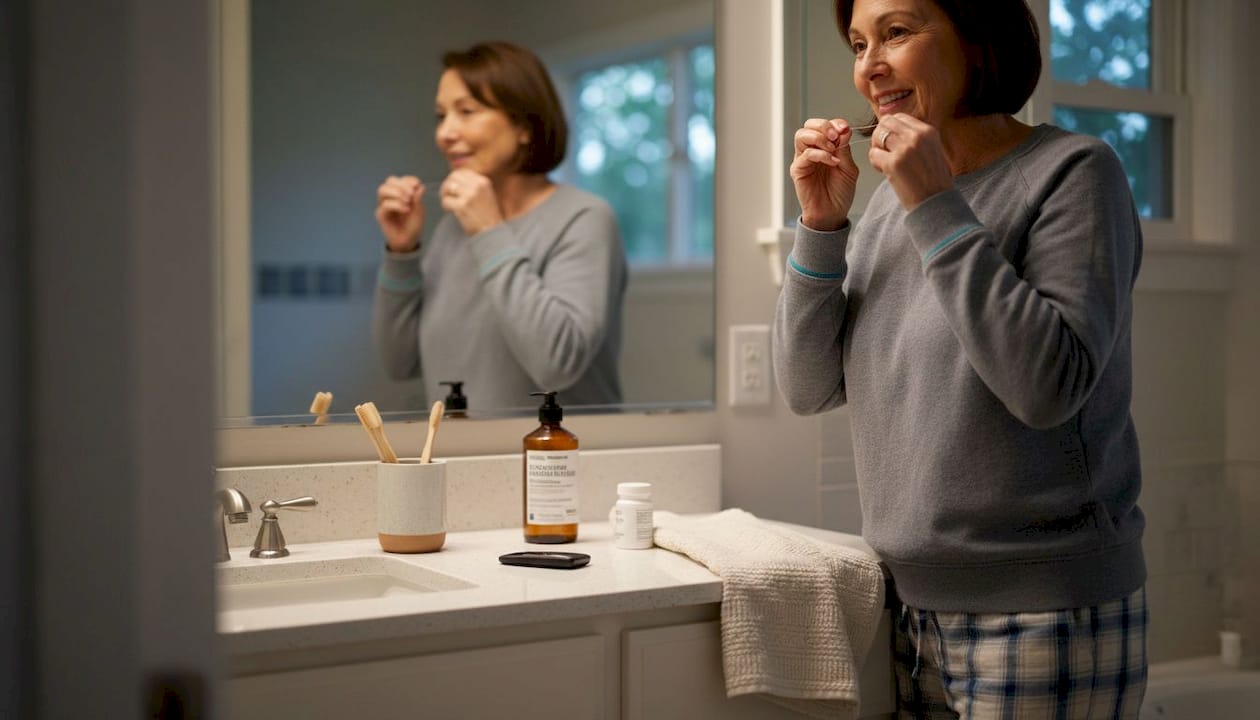
Building strong oral care habits is not just about a brighter smile. It is a meaningful investment in long-term health outcomes.
Pro Tip: If you have been diagnosed with a chronic condition like diabetes or heart disease, ask your dentist specifically about the oral-systemic connection. A coordinated care approach between your physician and dentist can meaningfully improve your health management.
Tech and innovation: Tools transforming oral care in 2026
The oral care market is not just growing. It is accelerating. The U.S. oral care market is expected to grow to $20.6 billion by 2034, driven by consumer demand for smarter, more effective tools. That growth is fueled by innovation that makes it easier than ever to maintain a clinically effective routine.
Smart devices, AI smile mapping, and electric toothbrushes are rising rapidly, moving oral care from the bathroom counter into the broader health tech ecosystem. Connected toothbrushes can now track brushing pressure, coverage, and duration, sending real-time feedback to your smartphone. AI-powered apps can analyze photos of your teeth to flag potential issues before your next dental visit.
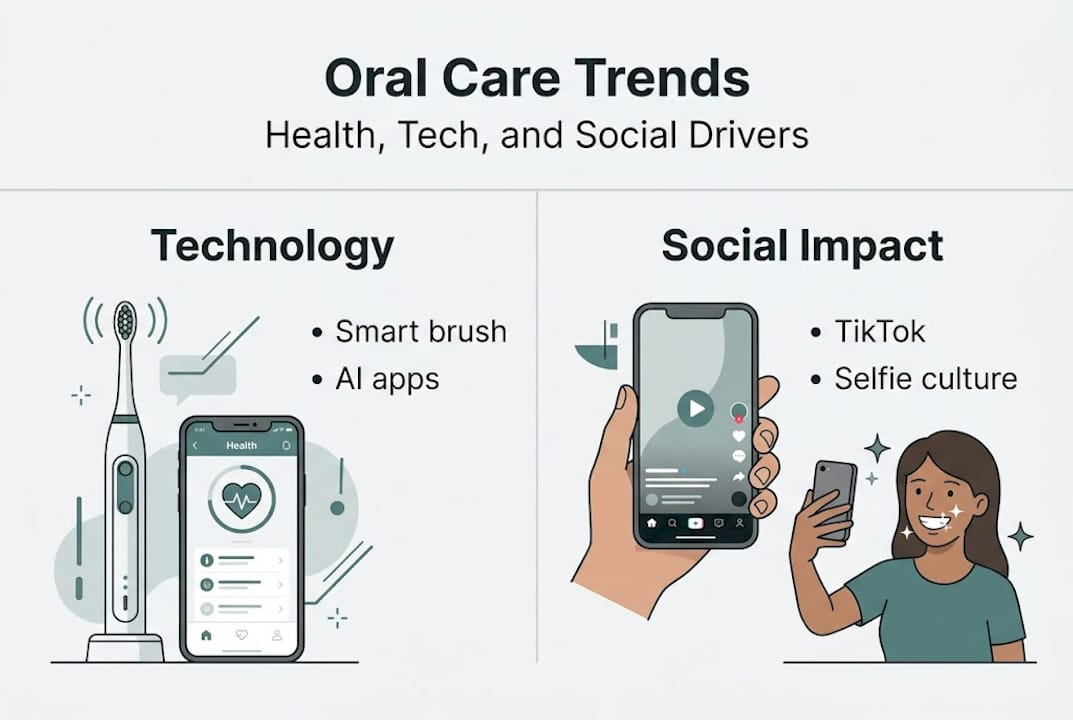
Understanding technology in oral care helps consumers make smarter purchasing decisions rather than simply chasing the newest gadget.
Here is how traditional tools compare to newer devices:
| Tool | Effectiveness | Ease of use | Cost range |
|---|---|---|---|
| Manual toothbrush | Moderate | High | $1 to $5 |
| Electric toothbrush | High | High | $30 to $250 |
| Water flosser | High (gum health) | Moderate | $40 to $100 |
| AI-connected brush | Very high | Moderate | $100 to $300 |
| Mouthwash tray | Moderate | High | $10 to $30 |
The most effective tools on the market right now include:
- Sonic electric toothbrushes that use high-frequency vibrations to break up plaque
- Water irrigators that flush debris and bacteria from below the gumline
- UV sanitizers for toothbrush heads to reduce bacterial buildup between uses
- Smart timers and pressure sensors built into premium brush handles
Exploring future oral care innovation reveals that the next wave of products will be even more personalized, with devices tailored to individual gum health profiles and enamel conditions.
Pro Tip: When evaluating new dental products, look for ADA (American Dental Association) acceptance seals. This confirms the product has been independently tested for safety and effectiveness.
Holistic oral care: Natural ingredients, probiotics, and conscious choices
Technology is one side of the oral care evolution. The other is a growing preference for holistic, ingredient-conscious products that align with broader wellness values. Consumers are reading labels, asking questions, and choosing products that feel as good for their bodies as they do for their teeth.
Consumers are seeking natural, gentle oral care products and probiotics with a focus on enamel repair. This shift is being driven by several converging forces: awareness of the gut-oral health connection, an aging population with more sensitive needs, and a general move toward cleaner, more transparent ingredient lists.
Key trends in holistic oral care include:
- Alcohol-free mouthwashes that do not dry out oral tissue or disrupt the microbiome
- Fluoride-alternative toothpastes using hydroxyapatite (a naturally occurring mineral) for enamel remineralization
- Probiotic oral supplements and lozenges to support beneficial bacteria in the mouth
- Biodegradable floss and bamboo toothbrushes for environmentally conscious consumers
- Free-from formulas that exclude artificial dyes, sulfates, and synthetic preservatives
The gut-oral health link is particularly compelling. Research suggests that the oral microbiome, the community of bacteria living in your mouth, plays a direct role in digestive health and immune function. Disrupting it with harsh antiseptic products may do more harm than good over time.
“The next generation of oral care is not about killing everything in your mouth. It is about nurturing the right balance of bacteria to support whole-body health.” — Holistic dental practitioners, 2026
For consumers who want to align their oral care with sustainable oral care tips, the good news is that gentle and effective are no longer mutually exclusive. Many of today’s top-rated products are both clinically sound and consciously formulated.
A closer look: The truth behind the oral care trend
The oral care boom is genuinely exciting. Greater awareness, better tools, and smarter products are real wins for public health. But there is an uncomfortable truth that most trend coverage glosses over: popularity does not equal safety or effectiveness.
Viral routines can create pressure to adopt practices that are untested, unnecessary, or outright harmful. Filing teeth, using unregulated whitening kits, or layering too many active ingredients can cause permanent damage that no product can reverse. Experts advocate for preventive care and expert-validated practices over risky DIY trends, and that message gets lost in the noise of social media.
What dentists actually recommend is far less dramatic than what goes viral. Consistent brushing, proper flossing technique, and regular professional cleanings remain the gold standard. The tools may evolve, but the fundamentals do not.
We believe the best oral care routine is one you will actually follow every day. Building safe daily routines grounded in evidence matters far more than chasing the latest trend. Before making any significant change to your routine, consult your dentist. That one step protects you from the downside of a well-meaning but poorly informed decision.
How to get started with efficient oral care
Making your oral care routine more effective does not have to be complicated or time-consuming. The right tools make consistency easy, even on your busiest days.
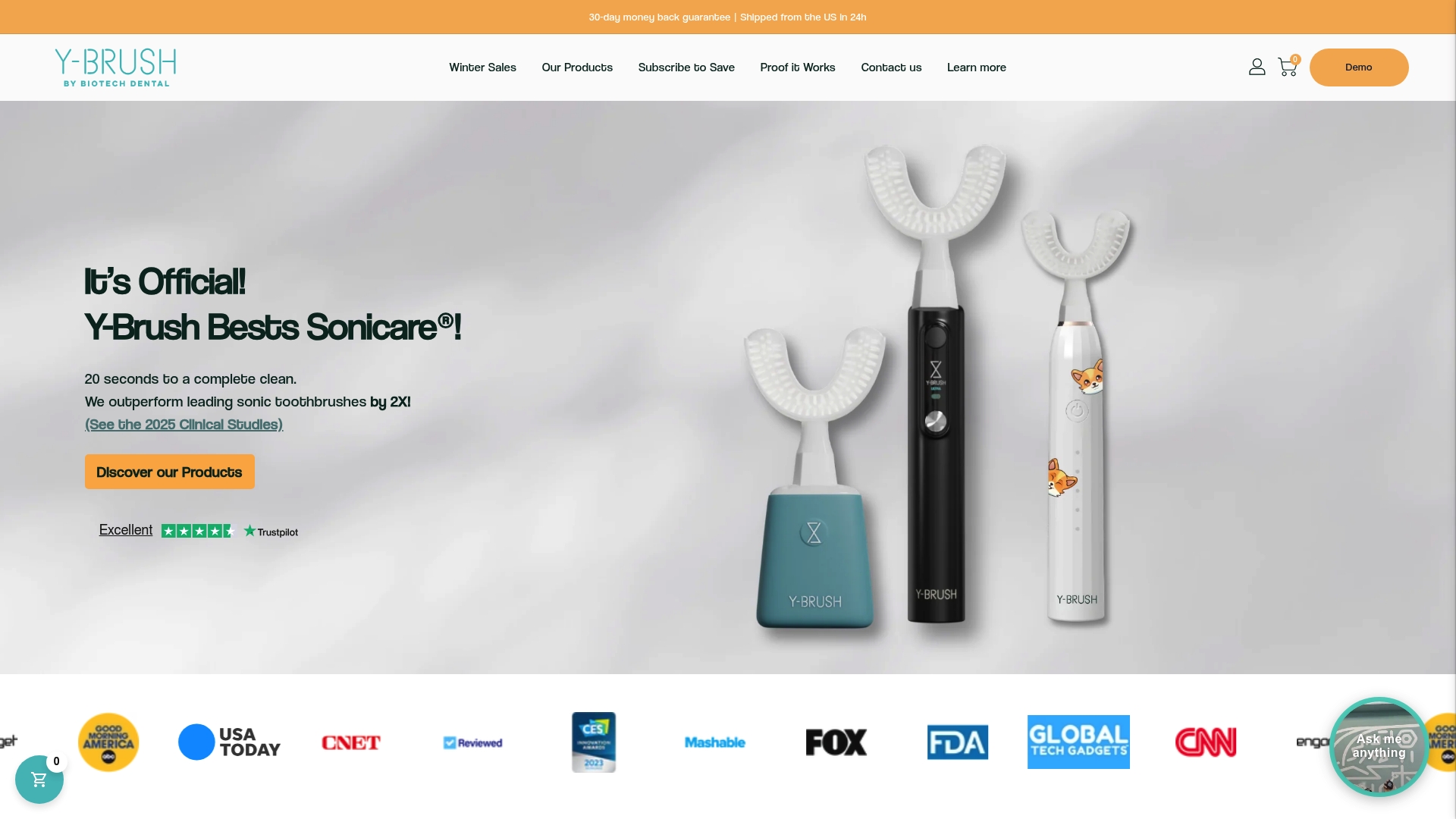
Y-Brush was built for exactly this reality. While 90% of people brush for under a minute, Y-Brush delivers a clinically effective clean in just 20 seconds, fitting seamlessly into any lifestyle. Whether you are building a routine from scratch or upgrading what you already have, the Y-Brush toothbrush collection offers options designed around how real people actually live. Start with the Essential Sonic Toothbrush for a fast, thorough clean that removes plaque efficiently without the guesswork.
Frequently asked questions
Why is oral care suddenly so popular?
Multi-step oral care routines have gone mainstream thanks to TikTok, high-definition selfie culture, and growing awareness of how oral health connects to overall wellness. The trend reflects both aesthetic and health-driven motivations.
Does oral hygiene really affect overall health?
Yes. 93% of dentists link oral health to systemic conditions including heart disease, diabetes, and inflammation, making preventive oral care a meaningful part of whole-body health management.
What are the most effective trending oral care products?
Electric toothbrushes, water irrigators, probiotics, and enamel-repair toothpastes lead the field. The U.S. oral care market is projected to grow from $11.1 billion in 2025 to $20.6 billion by 2034, driven by demand for these premium, preventive products.
Are all viral TikTok oral care hacks safe?
No. DIY hacks like filing teeth or applying superglue veneers can cause permanent enamel and structural damage. Always verify any new practice with a licensed dental professional before trying it.
How do I start a simple, modern oral care routine?
Begin with an electric toothbrush and proper flossing, then layer in a water irrigator and probiotic rinse as your routine matures. Common steps like tongue scraping and probiotics can add meaningful benefit once the basics are consistent.
Recommended
- How technology is revolutionizing oral care: 21% better results – Y-Brush USA
- How Innovation Is Shaping the Future of Oral Care – Y-Brush USA
- Why sustainable oral care matters for health-conscious consumers – Y-Brush USA
- Advanced Toothbrush Tech: Transforming Oral Care – Y-Brush USA
- 7 beneficios del marketing digital para clínicas dentales - YellowRock Marketing: Posicionamiento Local TOP 3 en Google


