


TL;DR:
- Many older Americans face preventable dental issues due to limited access, coverage gaps, and awareness.
- Effective daily routines and adaptive tools, like electric toothbrushes, can significantly improve senior oral health.
- Interdisciplinary care and policy changes are essential for addressing systemic barriers and improving overall senior dental care.
One in six older Americans lives with untreated tooth decay, and among low-income seniors, that number climbs to one in three. These are not inevitable outcomes of aging. They are the result of preventable gaps in care, access, and awareness. The good news is that most oral health problems affecting seniors respond well to consistent, targeted strategies. This guide walks through the real numbers, the barriers, and the practical steps you can take right now to protect your smile and your overall health well into your later years.
Table of Contents
- The state of senior dental health in the United States
- Accessibility, coverage, and barriers to care
- Best practices for daily oral care in seniors
- Customizing care for seniors with cognitive or physical challenges
- Comprehensive treatment planning: The role of interdisciplinary teams
- A fresh perspective: What most senior dental care guides get wrong
- Better oral care tools for seniors: Solutions to make life easier
- Frequently asked questions
Key Takeaways
| Point | Details |
|---|---|
| Seniors face unique dental risks | Age, chronic conditions, and limited coverage increase oral health challenges for older adults. |
| Insurance gaps impact care | Medicare’s exclusion of routine dental services leaves many seniors without affordable options. |
| Prevention is essential | Daily care adaptations and regular professional visits can prevent up to 90% of progression in dental disease. |
| Caregiver support matters | Family and professional caregivers play a key role in oral hygiene for seniors with physical or cognitive limitations. |
| Teamwork improves results | Interdisciplinary care ensures treatment plans address the full range of senior health and lifestyle needs. |
The state of senior dental health in the United States
Oral health challenges become more common as we age, but the scale of the problem in the U.S. is striking. Root caries (cavities that form at the gum line), untreated decay, and tooth loss affect millions of older adults, with consequences that go far beyond the mouth. Poor oral health is linked to heart disease, diabetes complications, and even cognitive decline.
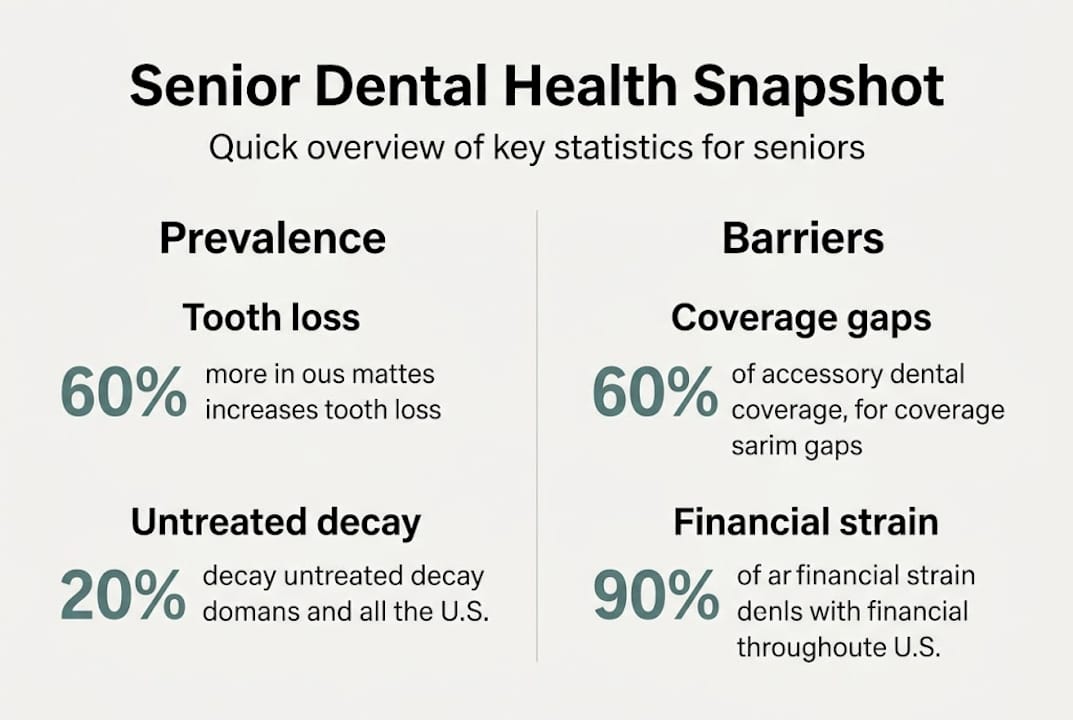
The numbers tell a clear story. Tooth loss doubles in adults aged 75 and older, reaching 26%, compared to 13% in the 65 to 74 age group. That gap reflects years of compounding neglect, reduced access to care, and the physical changes that come with aging, including dry mouth from medications and receding gum tissue.
| Age group | Tooth loss prevalence | Untreated decay rate |
|---|---|---|
| Ages 65 to 74 | 13% | Moderate |
| Ages 75 and older | 26% | Higher |
| Low-income seniors | Higher across all | Up to 33% |
Financial barriers play a major role. Adults who cannot afford dental care are 3.27 times more likely to have untreated decay. For seniors on fixed incomes, the cost of even a routine cleaning can feel out of reach, which leads to postponed care and worsening conditions.
Institutionalized seniors face additional hurdles. Residents of nursing homes and long-term care facilities often lack regular access to dental professionals, and staff are rarely trained to provide adequate oral hygiene support. The result is a population with some of the worst oral health outcomes in the country.
Key risk factors for seniors include:
- Dry mouth caused by common medications, which accelerates decay
- Reduced dexterity that makes thorough brushing and flossing harder
- Gum recession that exposes root surfaces to bacteria
- Cognitive decline that disrupts consistent hygiene routines
- Fixed incomes that limit access to professional care
Understanding relieving dental pain in seniors and understanding dental aging are important starting points for anyone navigating these challenges. For those who have already experienced significant tooth loss, learning about dental implants and quality of life can open new possibilities.
Accessibility, coverage, and barriers to care
Understanding how common oral health issues are, it’s vital to examine why so many older adults struggle to access dental care. The answer often comes down to one word: coverage.
Medicare excludes routine dental care, leaving 67.6 million enrollees without dental coverage. This is not a minor gap. It means that cleanings, fillings, extractions, and dentures are almost entirely out of pocket for most seniors on traditional Medicare.
| Coverage type | What it includes | What it excludes |
|---|---|---|
| Traditional Medicare | Emergency dental tied to hospitalization | Routine cleanings, fillings, dentures |
| Medicare Advantage | Varies by plan; some dental included | Often limited to basic services |
| Medicaid | Varies by state; some adult dental | Many states offer minimal or no adult dental |
| Private dental insurance | Preventive and restorative care | Cosmetic procedures, high annual caps |
Medicaid coverage for adult dental care varies dramatically by state. Some states offer comprehensive benefits, while others provide only emergency extractions. This patchwork system leaves millions of low-income seniors in a coverage gap with no affordable path to routine care.
The consequences are serious:
- Delayed treatment turns minor cavities into complex, expensive problems
- Untreated gum disease increases systemic inflammation
- Tooth loss from neglect affects nutrition, speech, and confidence
- Emergency dental visits, often the most expensive option, become the default
Advocacy organizations and dental professionals are pushing for change. The ADA’s current policies support expanding access to dental care for underserved populations, including seniors. Legislative efforts to add dental benefits to Medicare have gained momentum, though no comprehensive federal solution has passed as of 2026.
For seniors navigating this landscape, electric toothbrushes for seniors represent one area where a modest investment in better tools can reduce the frequency of costly dental interventions over time.
“Access to dental care should not depend on your zip code or your income. For seniors, oral health is inseparable from overall health, and the coverage gaps in our current system have real, measurable consequences.”
Best practices for daily oral care in seniors
Coverage gaps and costs make prevention even more important; here’s how seniors can take charge of their daily dental routine. The foundation of good oral health at any age is consistent, effective daily care, and for seniors, that routine often needs to be adapted.
Research on geriatric oral hygiene shows that preventive benchmarks for seniors include three-month recall appointments, fluoride applications two to four times per year, and the use of electric toothbrushes, which can reduce plaque progression by 85 to 90% compared to manual brushing.
Here is a practical daily routine framework for seniors:
- Brush twice daily using a soft-bristled electric toothbrush for at least two minutes, or use a full-arch device for a faster, thorough clean
- Use fluoride toothpaste with at least 1,000 ppm fluoride to strengthen enamel and protect root surfaces
- Floss or use interdental brushes once daily to remove plaque from between teeth where brushes cannot reach
- Rinse with an antibacterial mouthwash to reduce bacterial load, especially for those prone to gum disease
- Stay hydrated to counteract dry mouth, and ask your doctor about saliva substitutes if needed
- Schedule professional cleanings at least every six months, or every three months if you are high risk
Electric toothbrushes are particularly valuable for seniors with reduced grip strength or limited wrist mobility. They do the mechanical work more efficiently, requiring less physical effort while delivering a more thorough clean. For seniors who find two-minute brushing sessions difficult to sustain, newer full-arch designs can deliver a complete clean in a fraction of the time.
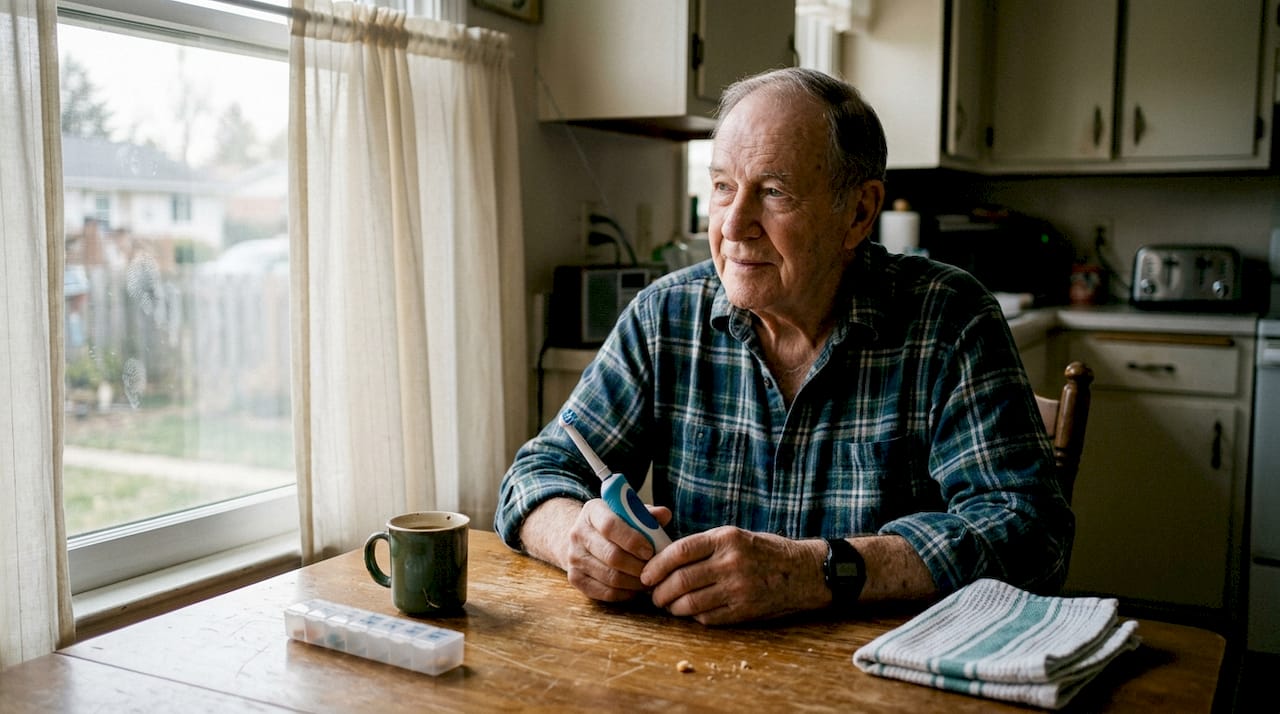
Pro Tip: If arthritis or reduced grip makes holding a toothbrush difficult, try wrapping the handle with a foam grip or rubber band for better control. An electric toothbrush with a wider handle is also easier to hold securely.
For more on reducing gum disease risk, explore these tips to reduce gingivitis risk tailored specifically for older adults.
Customizing care for seniors with cognitive or physical challenges
But what if chronic conditions or memory problems make standard routines difficult or impossible? Adaptation is key. For seniors living with dementia, Parkinson’s disease, arthritis, or stroke-related limitations, standard oral hygiene routines may need significant modification.
Cognitive decline creates specific challenges. Seniors with dementia may resist brushing, forget to complete the task, or lose the ability to follow multi-step instructions. Caregivers often feel unprepared to handle these situations, which leads to inconsistent care and worsening oral health.
Staff training on oral hygiene significantly improves outcomes for care home residents with dementia. Training programs that include hands-on practice, communication strategies, and adaptive techniques help caregivers feel more confident and effective.
Strategies that work for cognitively or physically challenged seniors:
- Use simple, one-step cues rather than complex instructions (“open your mouth” before “now brush”)
- Establish a consistent routine at the same time each day to build familiarity and reduce resistance
- Choose adaptive tools such as electric toothbrushes with large handles, floss holders, or mouth props
- Position the senior comfortably and maintain eye contact to build trust during care
- Keep sessions short and praise cooperation to reduce anxiety around oral care
- Document the routine so all caregivers follow the same approach consistently
Pro Tip: For seniors who resist brushing, try flavored toothpaste in a preferred taste, or use a damp cloth to wipe the gums if a toothbrush is refused. Consistency and patience matter more than perfection.
Families and caregivers can use structured tools like an efficient oral care checklist and a senior dental health checklist to stay organized. For a broader view of how care needs evolve, oral care at every age provides helpful context.
Comprehensive treatment planning: The role of interdisciplinary teams
Customizing home care is vital, but teamwork across disciplines drives the best results for complex health needs. For seniors managing multiple chronic conditions, oral health cannot be treated in isolation.
A comprehensive geriatric assessment (CGA) is a structured evaluation that examines a senior’s medical, functional, cognitive, and social status to guide personalized care planning. When applied to dental care, the CGA framework ensures that treatment decisions account for the whole person, not just the teeth.
An effective interdisciplinary team for senior dental care typically includes:
- Dentist or geriatric dentist for clinical assessment and treatment
- Primary care physician to coordinate medication reviews and manage systemic conditions
- Pharmacist to identify medications causing dry mouth or bleeding risk
- Occupational therapist to recommend adaptive tools and techniques
- Nurse or care aide to support daily hygiene routines
- Family members or designated caregivers for consistency and advocacy
| Team member | Role in oral care |
|---|---|
| Geriatric dentist | Clinical treatment and prevention planning |
| Primary care physician | Manages systemic conditions affecting oral health |
| Pharmacist | Reviews medications for dry mouth or bleeding risk |
| Occupational therapist | Recommends adaptive hygiene tools |
| Caregiver or family | Provides daily support and monitors changes |
Research on interdisciplinary geriatric care consistently shows better outcomes when teams communicate and coordinate. Seniors who receive coordinated care experience fewer emergency dental visits, better plaque control, and improved quality of life. A family oral care guide can help families understand their role in supporting this process.
A fresh perspective: What most senior dental care guides get wrong
After all these strategies, it’s worth stepping back to examine why progress has been slow and what needs to shift in how we approach senior dental care. Most guides focus exclusively on brushing technique and diet. That is useful, but it misses the bigger picture.
Dental decline in older adults is not inevitable. It is largely the result of systemic failures: inadequate insurance coverage, undertrained caregivers, and a healthcare culture that treats oral health as separate from general health. When we frame tooth loss as a natural part of aging, we stop looking for solutions.
The ADA supports sustainable financing for senior dental care, yet most guides overlook the importance of system-level advocacy. Individual habits matter, but they cannot compensate for structural barriers. Seniors and their families deserve to know that pushing for policy change is just as important as flossing daily.
A prevention-first mindset, combined with team-based care and better tools, can genuinely change outcomes. Understanding dental aging as a manageable process rather than an unavoidable fate is the shift that makes everything else possible.
Better oral care tools for seniors: Solutions to make life easier
For those who want to make daily oral care easier and more effective, smart tools can make a real difference. Seniors and caregivers alike benefit from oral hygiene tools designed with accessibility in mind, and the right toothbrush can be a genuine game-changer for consistency and results.
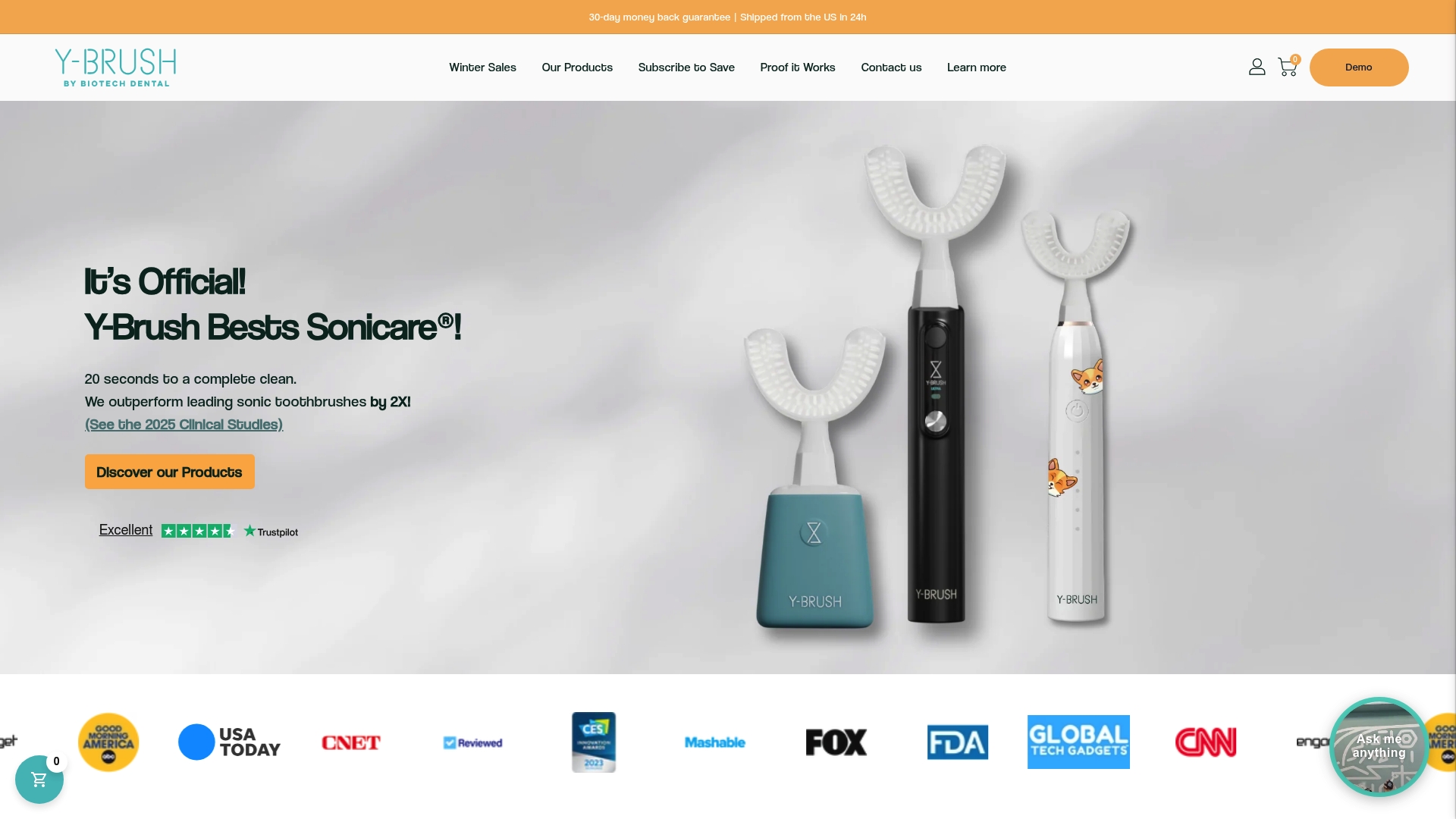
Y-Brush was built for exactly this kind of challenge. The Y-Brush Essential Sonic Toothbrush delivers a thorough clean in just 20 seconds, making it ideal for seniors who struggle with prolonged brushing sessions. For those who want even more power and precision, the Y-Brush Ultra Sonic Toothbrush offers advanced sonic technology in a design that fits naturally into any daily routine. When consistency is the goal, a tool that removes the effort barrier is one of the smartest investments you can make.
Frequently asked questions
Why do seniors have a higher risk of tooth decay and gum disease?
Aging brings physical changes like gum recession, dry mouth from medications, and reduced dexterity that make thorough cleaning harder. Decay, root caries, and tooth loss all increase in prevalence as adults move through their later decades.
Does Medicare cover preventive dental care for seniors?
No. Medicare excludes routine dental, leaving 67.6 million enrollees without coverage for cleanings, fillings, or dentures. Seniors must rely on Medicare Advantage plans, Medicaid (where available), or out-of-pocket payment.
How often should seniors get professional dental cleanings?
For high-risk seniors, dental experts recommend three-month recall appointments along with fluoride varnish applications two to four times per year to prevent decay and monitor gum health.
What can caregivers do to help seniors with dementia maintain oral hygiene?
Staff training and multicomponent support improve plaque control in seniors with dementia. Caregivers should use simple cues, consistent routines, and adaptive tools, and seek formal training when possible to build confidence and effectiveness.
Recommended
- Oral care for busy lifestyles: Fast solutions for healthy smiles – Y-Brush USA
- Dental health checklist 2026: essential steps for healthier smiles – Y-Brush USA
- Understanding Dental Aging - Causes, Effects, and Solutions – Y-Brush USA
- Optimize your dental hygiene essentials for busy lifestyles – Y-Brush USA


