


Maintaining excellent oral health feels overwhelming when you’re bombarded with conflicting advice and endless product choices. This evidence-backed dental health checklist cuts through the noise, giving you a streamlined roadmap to better oral hygiene in 2026. Based on current expert recommendations and research relevant to U.S. adults, this guide helps you build sustainable habits that protect your smile and overall wellness without the confusion.
Table of Contents
- Establish Your Dental Health Criteria: What Matters Most?
- Master Effective Brushing Techniques For Thorough Plaque Removal
- Incorporate Flossing And Perfect Your Daily Brushing Timing
- Schedule Regular Dental Visits And Maintain Your Oral Care Tools
- Dental Health Checklist Comparison Table
- Improve Your Oral Care With Y-Brush Products
- FAQ
Key takeaways
| Point | Details |
|---|---|
| Oral health impacts overall wellness | More than 9 in 10 adults recognize oral health as integral to total health. |
| Proper brushing technique matters | The Bass method at 45 degrees with fluoride toothpaste prevents plaque and gum disease effectively. |
| Timing and sequence optimize results | Floss before brushing and wait 30-60 minutes after acidic foods to protect enamel. |
| Regular professional care is essential | Biannual dental visits catch problems early and maintain long-term oral health. |
| Tool maintenance ensures effectiveness | Replace toothbrushes every 3-4 months for optimal cleaning power. |
Establish your dental health criteria: what matters most?
Your oral health directly shapes your physical and mental well-being in ways you might not realize. More than 9 in 10 adults believe oral health is integral to overall health, yet adults rate their oral health below both mental and physical health. This disconnect reveals a critical gap between knowing what matters and actually prioritizing it.
Accurate self-assessment helps you focus your dental care efforts where they’ll make the biggest difference. Key factors include brushing techniques, frequency of care, and professional support. Insurance coverage correlates strongly with better health outcomes and cost savings over time, making access to care a crucial consideration.
Building habits around scientifically supported criteria transforms dental care from a chore into a sustainable routine. Consider these priorities:
- Brushing technique quality over speed or force
- Consistent timing that fits your daily schedule
- Professional preventive care tailored to your risk level
- Tool maintenance that preserves cleaning effectiveness
- Evidence-based product choices that deliver measurable results
An oral hygiene checklist daily clean approach keeps you accountable without requiring constant decision-making. When you establish clear criteria upfront, every subsequent choice becomes simpler and more effective.
Now that you understand what matters most in dental health, let’s dive into the first major checklist item: mastering your brushing technique.
Master effective brushing techniques for thorough plaque removal
The Bass technique revolutionizes how you approach brushing by targeting the gum line where plaque accumulates most. Position your brush at a 45-degree angle against your gums and use gentle, vibratory strokes rather than aggressive scrubbing. This method removes plaque effectively while preventing gum damage that harsh brushing causes.
Brush all tooth surfaces for about 2 minutes, twice daily, using fluoride toothpaste with at least 1350ppm fluoride concentration. Many people rush through brushing in under a minute, missing significant plaque deposits. Set a timer or use an electric toothbrush with a built-in timer to ensure you’re giving each quadrant of your mouth adequate attention.
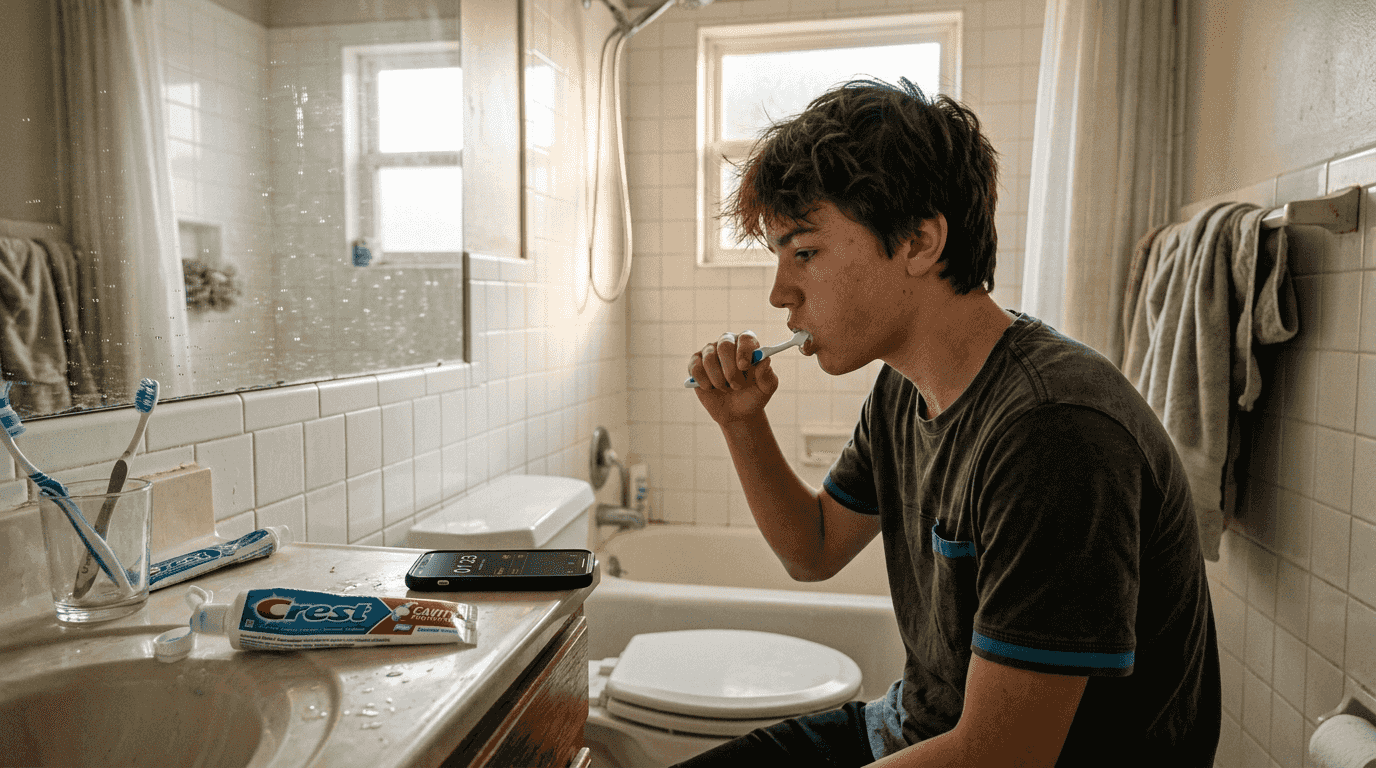
Avoid rinsing your mouth immediately after brushing to maximize fluoride benefits. Simply spit out excess toothpaste and let the fluoride continue working on your enamel. This simple change significantly boosts cavity prevention without any extra effort.
Choose a soft-bristled brush to prevent gum recession and enamel wear. Medium or hard bristles feel more thorough but actually damage delicate tissues over time. Your gums should never bleed from normal brushing; if they do, you’re applying too much pressure or using bristles that are too firm.
Consistency in frequency and technique prevents plaque buildup before it hardens into tartar that only professional cleaning can remove. Master brushing techniques by practicing the correct angle and motion until it becomes automatic.
Pro Tip: Place your toothbrush in a visible spot near your bathroom mirror as a visual reminder. The easier you make it to start your routine, the more likely you’ll maintain consistency even on rushed mornings.
With brushing mastered, the next checklist item focuses on complementary habits to protect your oral health further: flossing and timing your brushing.
Incorporate flossing and perfect your daily brushing timing
Flossing before brushing removes plaque between teeth where bristles can’t reach, reducing gum disease and cavity risk significantly. This sequence allows fluoride from your toothpaste to reach interdental surfaces that flossing just cleared. Most people skip flossing entirely or do it after brushing, missing this synergistic benefit.
After eating acidic or sugary foods or drinks, wait 30-60 minutes before brushing to prevent enamel erosion. Acid temporarily softens enamel, and immediate brushing scrubs away this weakened layer. Coffee, citrus fruits, soda, and wine all create this acidic environment in your mouth.
Rinse your mouth with water immediately after eating to neutralize acid and wash away food particles. This simple step protects enamel during that waiting period and reduces bacteria fuel. Swishing plain water takes seconds but delivers measurable protective benefits.
Follow these timing steps for optimal results:
- Eat or drink acidic/sugary items
- Rinse mouth thoroughly with water
- Wait 30-60 minutes for saliva to remineralize enamel
- Floss to remove interdental plaque
- Brush using proper technique for 2 minutes
- Spit out excess toothpaste without rinsing
Avoid rinsing after brushing to keep fluoride on teeth longer. This counterintuitive step feels strange initially but dramatically improves fluoride’s protective effect. Your saliva will gradually dilute the toothpaste naturally without washing it away completely.
Pro Tip: Keep floss picks in your car, desk, and bag so you can floss anywhere. Convenience eliminates the main barrier to consistent flossing, especially after lunch when you’re away from home.
Besides daily habits, regular dental visits and proper tool maintenance complete your checklist essentials.
Schedule regular dental visits and maintain your oral care tools
Aim for dental checkups at least twice per year, though individual health needs and age may require adjustments to this baseline. Professional cleanings prevent oral diseases and detect problems while they’re still minor and inexpensive to fix. Yet only 65% of US adults had a dental exam or cleaning in the past year, leaving millions at risk for preventable conditions.
Dental X-rays provide crucial diagnostic information but should be ordered only when clinically necessary to minimize radiation exposure. Modern techniques and equipment have dramatically reduced radiation levels, making necessary X-rays extremely safe. Your dentist evaluates your individual risk factors to determine appropriate X-ray frequency, which might range from every six months to every few years.
Replace your toothbrush every 3-4 months or sooner if bristles are frayed for best cleaning effectiveness. Worn bristles lose their shape and can’t reach into crevices properly, leaving plaque behind even with perfect technique. Set a recurring calendar reminder or subscribe to automatic replacement deliveries to eliminate the guesswork.
Regular professional cleanings remove tartar buildup that home care can’t address. Even with excellent daily hygiene, some areas are nearly impossible to clean thoroughly on your own. Hygienists use specialized tools to reach below the gum line and polish away stains.
Good tool maintenance complements daily oral hygiene practices by ensuring your equipment performs as designed. Store your toothbrush upright in an open container where it can air dry between uses. Bacteria thrive in moist, enclosed environments, so avoid covering wet brushes or storing them in drawers.
| Tool/Practice | Replacement/Frequency | Primary Benefit | Cost Factor |
|---|---|---|---|
| Manual toothbrush | Every 3-4 months | Effective plaque removal | $2-5 per brush |
| Electric brush head | Every 3 months | Superior cleaning power | $5-10 per head |
| Dental floss | Daily use, replace when empty | Interdental plaque removal | $3-5 per container |
| Professional cleaning | Every 6 months | Tartar removal, early detection | $75-200 per visit |
| Dental X-rays | As clinically needed | Diagnostic imaging | $25-750 depending on type |
Now that you’ve seen the core checklist items, let’s compare these key practices in a summary table to help you decide which to prioritize.
Dental health checklist comparison table
Understanding how different oral care practices compare helps you allocate time and resources effectively. Each component serves a distinct purpose, and together they create comprehensive protection for your smile. This comparison clarifies which practices deliver the highest impact and how to sequence them for maximum benefit.
| Practice | Frequency | Time Required | Primary Benefit | Implementation Tip |
|---|---|---|---|---|
| Brushing with fluoride | Twice daily | 2 minutes per session | Plaque removal, cavity prevention | Use Bass technique at 45-degree angle |
| Flossing | Once daily | 2-3 minutes | Interdental cleaning, gum health | Floss before brushing for better fluoride penetration |
| Professional checkup | Every 6 months | 30-60 minutes | Early problem detection, tartar removal | Schedule next appointment before leaving office |
| Toothbrush replacement | Every 3-4 months | 1 minute | Maintain cleaning effectiveness | Set calendar reminders or use subscription service |
| Post-meal water rinse | After each meal | 30 seconds | Acid neutralization, debris removal | Keep water bottle accessible throughout day |
| Delayed brushing after acids | 30-60 minute wait | No active time | Enamel protection | Rinse immediately, then set phone timer |
This framework shows that daily habits require minimal time investment but deliver compounding benefits over months and years. Professional care catches what home care misses, making both essential rather than interchangeable. The most effective routine combines consistent daily practices with strategic professional support.
With this overview in hand, you can now confidently integrate these practices into your daily routine. For specialized tools that make dental care easier, consider the options we offer.
Improve your oral care with Y-Brush products
Implementing this dental health checklist becomes significantly easier with tools designed for real life. The Y-Brush essential sonic toothbrush delivers a superior clean in just 20 seconds, perfect for those rushed mornings when 2 minutes feels impossible. Its innovative design ensures you hit all tooth surfaces effectively, even when you’re short on time.
For families, the Y-Brush KidsBrush sonic toothbrush makes children’s oral care simple and engaging. Age-appropriate features help kids develop proper habits early without the battles that traditional brushing often creates.
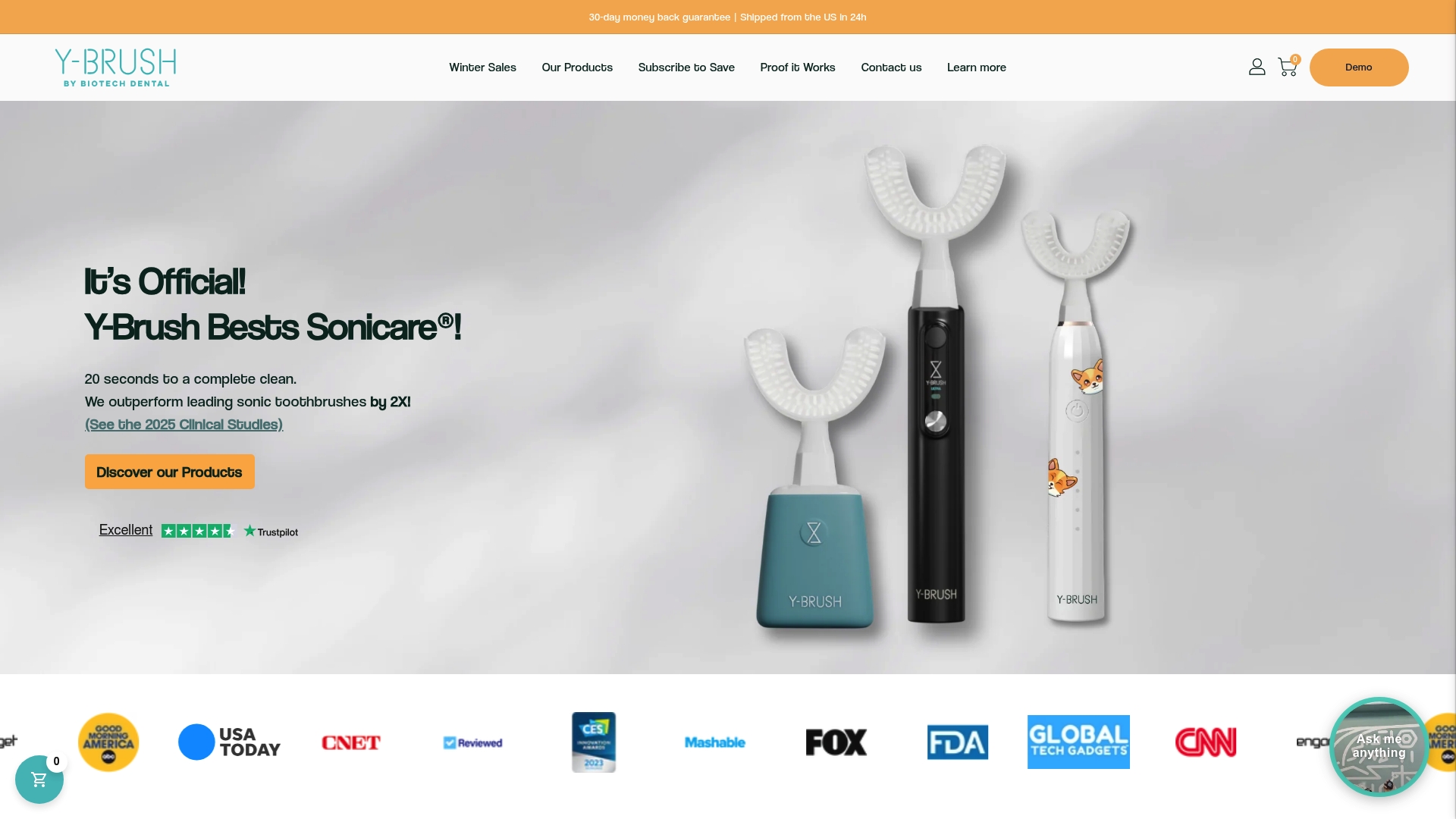
Y-Brush products support the proper techniques outlined in this checklist while streamlining your daily routine. Membership plans and replacement heads maintain oral hygiene standards without requiring you to remember when it’s time for new equipment. Upgrade your oral care to experience how the right tools transform dental health from a chore into an effortless habit.
To wrap up, let’s answer frequently asked questions about maintaining an effective dental health checklist in 2026.
FAQ
What is the ideal frequency for dental checkups?
Biannual visits work well for most adults, providing early detection and prevention of common dental issues. Your individual risk factors might require more or less frequent appointments. Older adults often need more frequent visits due to increased risk of gum disease and other age-related conditions.
How long should I brush my teeth each time?
Two minutes per session ensures thorough plaque removal from all tooth surfaces. Shorter brushing times reduce fluoride contact and leave plaque deposits that harden into tartar. Use a timer or electric toothbrush with built-in pacing to hit this target consistently.
When should I floss for the best effect?
Floss before brushing to remove plaque between teeth, then let fluoride toothpaste reach those newly cleaned surfaces. This sequence enhances removal of debris and bacteria while maximizing fluoride’s protective benefits. Evening flossing works best since you have more time and can be thorough.
What toothpaste should children use and how much?
Children under 3 need just a smear of toothpaste with at least 1000ppm fluoride, while ages 3-6 use a pea-sized amount. These smaller quantities prevent swallowing hazards while still delivering cavity protection. Supervise young children to ensure they spit out toothpaste rather than swallowing it.


