


Keeping up with effective dental cleaning can feel overwhelming when you’re juggling work, family, and daily responsibilities. You know brushing twice a day matters, but are you covering all the essential steps to protect your teeth and gums? A structured dental cleaning checklist takes the guesswork out of your routine, ensuring you never skip critical steps that prevent cavities and gum disease. This guide walks you through building a personalized checklist that fits your lifestyle, introduces innovative tools that save time without sacrificing results, and helps you maintain confidence in your oral health every single day.
Table of Contents
- Key takeaways
- How to evaluate your dental cleaning needs
- Essential daily dental cleaning checklist items
- Advanced tools and techniques to upgrade your dental cleaning
- Comparing popular dental cleaning checklists and choosing what fits you
- Discover smarter dental cleaning with Y-Brush
- FAQ
Key Takeaways
| Point | Details |
|---|---|
| Daily brushing and flossing | Brushing for two minutes twice daily and flossing reduces plaque and protects gums. |
| Electric brushing benefits | Electric or sonic brushes remove more plaque with less effort than manual brushing. |
| Personalized cleaning checklist | A tailored daily routine helps you cover every essential step and stay consistent. |
| Regular six month cleanings | Professional cleanings remove tartar and catch issues your home routine may miss. |
How to evaluate your dental cleaning needs
Before you build your checklist, assess where you stand. Your lifestyle dictates how much time you realistically have for oral care each day. A busy professional rushing between meetings needs a different approach than someone with a flexible schedule. Look at your current oral health status too. Do you have sensitive teeth, existing cavities, or gum inflammation? These factors shape which products and techniques belong on your list.
Start by identifying your non-negotiables. Effective oral care habits depend on establishing consistent, comprehensive practices that address every aspect of dental hygiene. Your baseline should include brushing twice daily for two minutes, flossing once, and rinsing with mouthwash. Beyond that, consider your tools. Manual toothbrushes work, but electric and sonic options deliver superior plaque removal with less effort.
Evaluate these key criteria when building your checklist:
- Time available for morning and evening routines
- Current oral health challenges like sensitivity, bleeding gums, or bad breath
- Budget for dental products and professional cleanings
- Physical dexterity and comfort with different tools
- Family needs if you’re managing kids’ oral care alongside your own
Pro Tip: Schedule a dental checkup before finalizing your checklist. Your dentist can identify specific problem areas and recommend targeted solutions you might otherwise miss.
Regular professional cleanings every six months remain essential, even with a perfect home routine. Dental hygienists remove tartar buildup that brushing alone cannot eliminate. Factor these appointments into your annual health calendar just like any other preventive care visit.
Essential daily dental cleaning checklist items
Your daily routine forms the foundation of oral health. Daily brushing and flossing remove plaque and prevent tooth decay when performed correctly and consistently. Start with the basics, then refine your technique to maximize results.
Brushing requires proper timing and method. Set a timer for two full minutes, dividing your mouth into quadrants and spending 30 seconds on each section. Hold your brush at a 45-degree angle to your gums and use gentle circular motions. Aggressive scrubbing damages enamel and irritates gum tissue, creating more problems than it solves. Cover all tooth surfaces including the backs of your molars and along the gum line where plaque accumulates fastest.
Flossing reaches the 40% of tooth surfaces your brush cannot touch. Slide the floss gently between teeth, curve it around each tooth in a C-shape, and move it up and down beneath the gum line. Many people skip this step because it feels tedious, but skipping flossing allows bacteria to thrive in those tight spaces, leading to cavities and gum disease.
Your complete daily checklist should include:
- Brush teeth for two minutes twice daily using fluoride toothpaste
- Floss between all teeth once per day, preferably before bedtime
- Rinse with antimicrobial mouthwash to reduce bacteria and freshen breath
- Clean your tongue with a scraper or your toothbrush to remove odor-causing bacteria
- Replace your toothbrush every three to four months or when bristles fray
Pro Tip: Keep your toothbrush in an upright position after use and let it air dry completely. Storing it in a closed container creates a breeding ground for bacteria.
Mouthwash serves as your final defense against bacteria. Choose an alcohol-free formula if you have dry mouth or sensitive tissues. Swish for 30 seconds to allow the active ingredients to work effectively. Some therapeutic mouthwashes require a prescription for specific conditions, so discuss options with your dentist if you’re dealing with persistent issues.
Advanced tools and techniques to upgrade your dental cleaning
Technology has transformed oral care, offering solutions that deliver better results in less time. Sonic toothbrushes improve plaque removal by over 20%, making cleaning faster and more thorough than manual brushing. These innovations matter especially if you struggle to maintain consistency or proper technique with traditional tools.
Sonic toothbrushes generate thousands of brush strokes per minute through high-frequency vibrations. This motion creates fluid dynamics that sweep plaque away from teeth and gums more effectively than manual scrubbing. The built-in timers ensure you brush for the recommended two minutes, and many models include pressure sensors that alert you when you’re brushing too hard. The Y-Brush takes this concept further, delivering a complete clean in just 20 seconds by simultaneously cleaning all tooth surfaces.
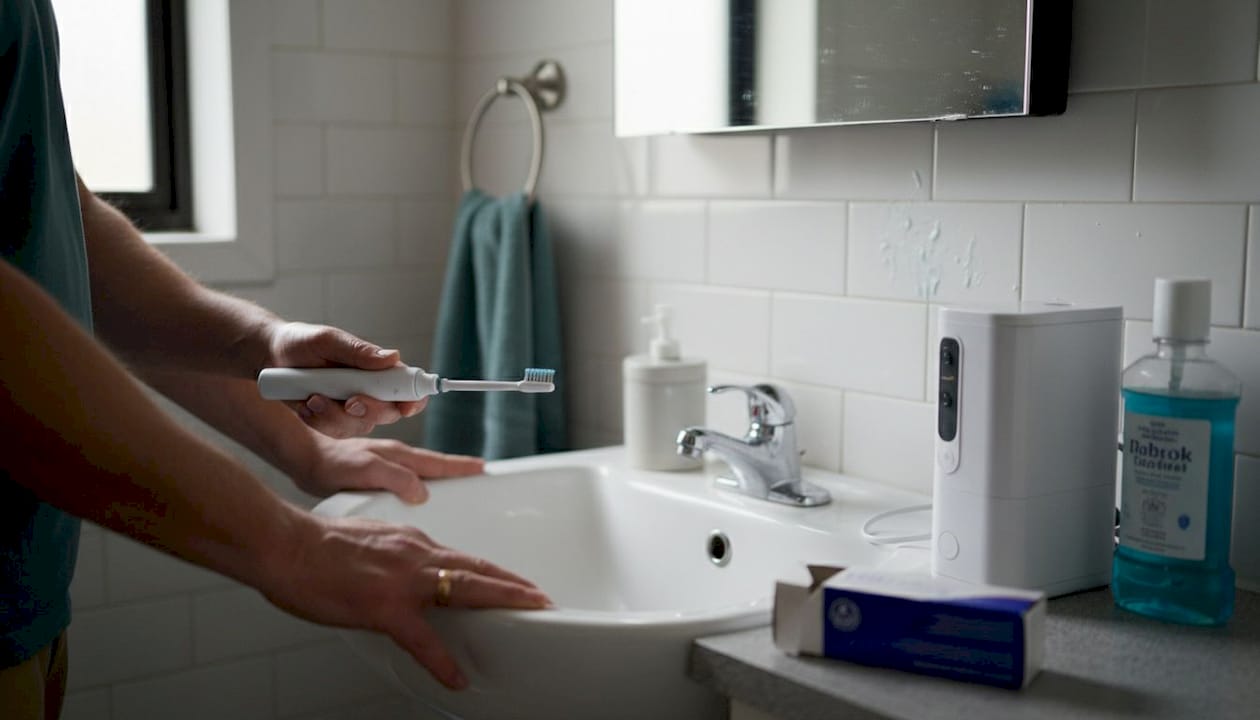
Water flossers provide an alternative for people who find traditional floss difficult to use. These devices shoot a pressurized stream of water between teeth and below the gum line, dislodging food particles and bacteria. They work particularly well for people with braces, implants, or bridges where string floss struggles to navigate.
Compare your options:
| Tool Type | Cleaning Time | Effectiveness | Best For |
|---|---|---|---|
| Manual toothbrush | 2+ minutes | Good with proper technique | Budget-conscious users, travel |
| Sonic toothbrush | 2 minutes | Excellent plaque removal | Daily home use, thorough cleaning |
| Y-Brush system | 20 seconds | Superior efficiency | Busy schedules, consistency challenges |
| Water flosser | 1-2 minutes | Excellent for tight spaces | Braces, implants, sensitive gums |
Pro Tip: Combine a sonic toothbrush with traditional floss or a water flosser for comprehensive cleaning. No single tool addresses every oral health need perfectly.
Interdental brushes offer another option for cleaning between teeth. These tiny brushes come in various sizes to fit different gaps. Insert them gently between teeth and move back and forth to remove debris. They work well for people with wider spaces or receding gums where floss might not make adequate contact.
Comparing popular dental cleaning checklists and choosing what fits you
Different approaches to dental cleaning checklists serve different needs. Choosing the right routine depends on individual lifestyle, oral health requirements, and preferences. Understanding the trade-offs helps you select a system you’ll actually follow long-term.
The minimalist checklist focuses on essential steps only: brush, floss, rinse. This approach takes about five minutes total per day and works for people with healthy teeth and gums who need a straightforward routine. It requires basic tools and minimal investment, making it accessible for anyone. However, it may not address specific issues like sensitivity, staining, or orthodontic appliances.
The comprehensive checklist adds tongue cleaning, mouthwash, interdental brushes, and specialized treatments like whitening or remineralizing products. This routine takes 10 to 15 minutes daily and delivers maximum protection against oral health problems. It suits people with existing dental issues, those prone to cavities, or anyone wanting to optimize their oral health. The downside is the time commitment and higher product costs.
Here’s how different checklists compare:
| Checklist Type | Time Required | Tools Needed | Best For | Limitations |
|---|---|---|---|---|
| Basic routine | 5 minutes | Manual brush, floss, paste | Healthy teeth, tight schedules | May miss problem areas |
| Standard care | 7-8 minutes | Electric brush, floss, mouthwash | Most adults | Requires consistency |
| Comprehensive | 10-15 minutes | Multiple tools, specialty products | Dental issues, optimal health | Time-intensive, costly |
| Family-friendly | 5-10 minutes | Age-appropriate tools | Households with kids | Needs supervision |
Busy professionals benefit from efficiency-focused checklists that use time-saving tools like sonic toothbrushes or 20-second cleaning systems. Families with children need age-appropriate versions that make oral care engaging rather than a chore. Kids’ brushes with fun designs and flavored toothpaste encourage cooperation. People with sensitive teeth require gentle tools and specialized toothpaste formulated to reduce discomfort.
Adapt your checklist for special circumstances:
- Braces or aligners: Add orthodontic flossers and rinse after every meal
- Dry mouth: Use alcohol-free products and increase water intake
- Gum disease: Incorporate antimicrobial rinses and more frequent professional cleanings
- Pregnancy: Maintain consistent care as hormonal changes increase gum sensitivity
The right checklist balances thoroughness with sustainability. A complex routine you abandon after two weeks helps nobody. Start with core essentials, build consistency, then add advanced steps as habits solidify. Track your progress for the first month to identify patterns and adjust accordingly.
Discover smarter dental cleaning with Y-Brush
If your dental cleaning checklist feels like a burden rather than a benefit, it’s time to explore solutions designed for real life. Most people know they should brush for two full minutes, yet 90% fall short because traditional methods don’t fit busy schedules. Y-Brush addresses this gap by delivering a superior clean in just 20 seconds, making it effortless to maintain excellent oral health no matter how hectic your day becomes.
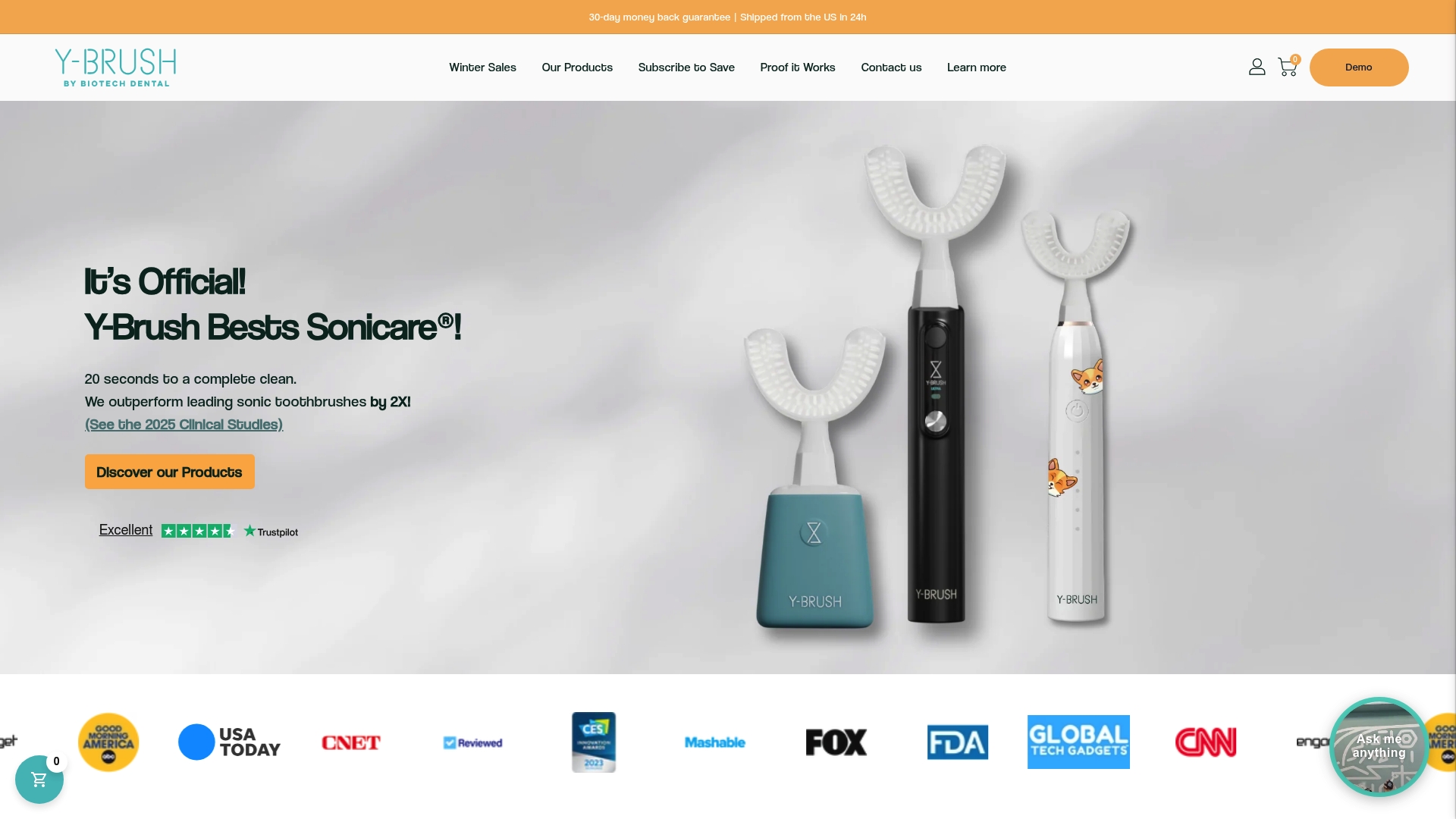
The Y-Brush Essential uses sonic technology to clean all your teeth simultaneously, eliminating the time barrier that prevents consistent care. For families, the DuoBrush offers versatility for different ages and preferences. Parents can set up their children for lifelong oral health habits with the KidsBrush, designed specifically for ages 4 to 12. These innovations transform your checklist from a tedious obligation into a quick, effective routine that actually fits your life.
FAQ
What is the most important step in a dental cleaning checklist?
Brushing your teeth properly twice daily forms the cornerstone of oral health, removing plaque before it hardens into tartar. Combine this with daily flossing to clean the spaces your brush cannot reach, and you’ll prevent most common dental problems. Regular professional cleanings every six months complement your home routine by addressing buildup that even excellent brushing cannot eliminate.
How often should I replace my toothbrush according to the checklist?
Replace your toothbrush every three to four months to maintain optimal cleaning effectiveness. Frayed or worn bristles lose their ability to remove plaque efficiently and can harbor bacteria. Electric toothbrush heads require the same replacement schedule, and you should replace any brush immediately after recovering from an illness to avoid reinfecting yourself.
Can sonic toothbrushes really improve dental cleaning results?
Sonic toothbrushes use high-frequency vibrations that create fluid dynamics to sweep plaque away from teeth and gums more effectively than manual brushing. Studies show they reduce cavities by improving plaque removal by over 20% compared to manual brushes. The built-in timers and pressure sensors help you brush correctly, addressing the two most common mistakes people make with manual brushes.
What should I do if I have sensitive teeth but want to follow a dental cleaning checklist?
Use a soft-bristled toothbrush and gentle circular motions rather than aggressive scrubbing, which worsens sensitivity by wearing down enamel. Switch to toothpaste specifically formulated for sensitive teeth, which contains compounds that block pain signals from reaching the nerve. Consult your dentist to rule out underlying issues like cavities or gum recession that require professional treatment beyond product changes.


