


Every year, Americans toss over one billion plastic toothbrushes into landfills, adding to the 130 million tons of global plastic pollution threatening our planet and health. Most people assume switching to sustainable oral care means compromising on cleaning power or convenience, but recent clinical research proves otherwise. Sustainable options now deliver superior plaque removal while fitting seamlessly into busy routines. This guide reveals why sustainable oral care protects both your smile and the environment, offering practical solutions that health-conscious consumers can adopt today without sacrificing effectiveness or time.
Table of Contents
- Key takeaways
- The environmental impact of conventional oral care products
- How sustainable oral care maintains cleaning effectiveness
- Health implications and benefits of sustainable oral care products
- Practical sustainable oral care solutions for busy lifestyles
- Explore sustainable oral care solutions at Y-Brush
- Frequently asked questions about sustainable oral care
Key Takeaways
| Point | Details |
|---|---|
| Plastic waste impact | Americans discard billions of plastic toothbrushes annually and each can take up to 500 years to decompose, fueling pollution in landfills and oceans. |
| Sustainable cleaning efficacy | Clinical studies show bamboo and other sustainable brushes remove plaque as effectively as plastic brushes, with equal or better gum health. |
| Bristle design matters | Bristle architecture drives cleaning power and nylon bristles perform like traditional plastic brushes, with some premium options offering antimicrobial benefits. |
| Refillable toothpaste options | Refillable toothpaste systems and bamboo handles reduce packaging waste and plastic tube use while fitting into busy routines. |
The environmental impact of conventional oral care products
Plastic toothbrushes represent one of the most pervasive yet overlooked sources of environmental pollution in American households. The numbers tell a sobering story: US consumers alone discard billions of plastic toothbrushes every year, each taking up to 500 years to decompose in landfills or oceans. These seemingly small items accumulate into mountains of waste that poison ecosystems, harm marine life, and contaminate food chains.
The scale becomes even more alarming when you examine global trends. Current data shows plastic pollution from all sources reached 130 million tons in 2025, with oral care products comprising a significant portion. Without meaningful intervention, projections indicate this figure will nearly double to 250 million tons by 2040. Dental care waste doesn’t just sit in landfills, it breaks down into microplastics that infiltrate water supplies, soil, and even the air we breathe.
“Plastic pollution from oral care products alone contributes millions of tons annually to the 130 Mt global total, with projections showing this waste stream doubling by 2040 without systemic change.”
The packaging surrounding conventional toothpaste, mouthwash, and floss adds another layer of waste. Plastic tubes, bottles, and containers rarely get recycled due to contamination from product residue. Even products marketed as recyclable often end up in landfills because municipal systems lack the infrastructure to process them properly. This creates a continuous cycle where purchasing basic oral hygiene products directly fuels environmental degradation.
| Year | Global Plastic Pollution (Million Tons) | Projected Oral Care Contribution |
|---|---|---|
| 2020 | 115 | 8.2 |
| 2025 | 130 | 9.8 |
| 2030 | 170 | 13.6 |
| 2040 | 250 | 22.5 |
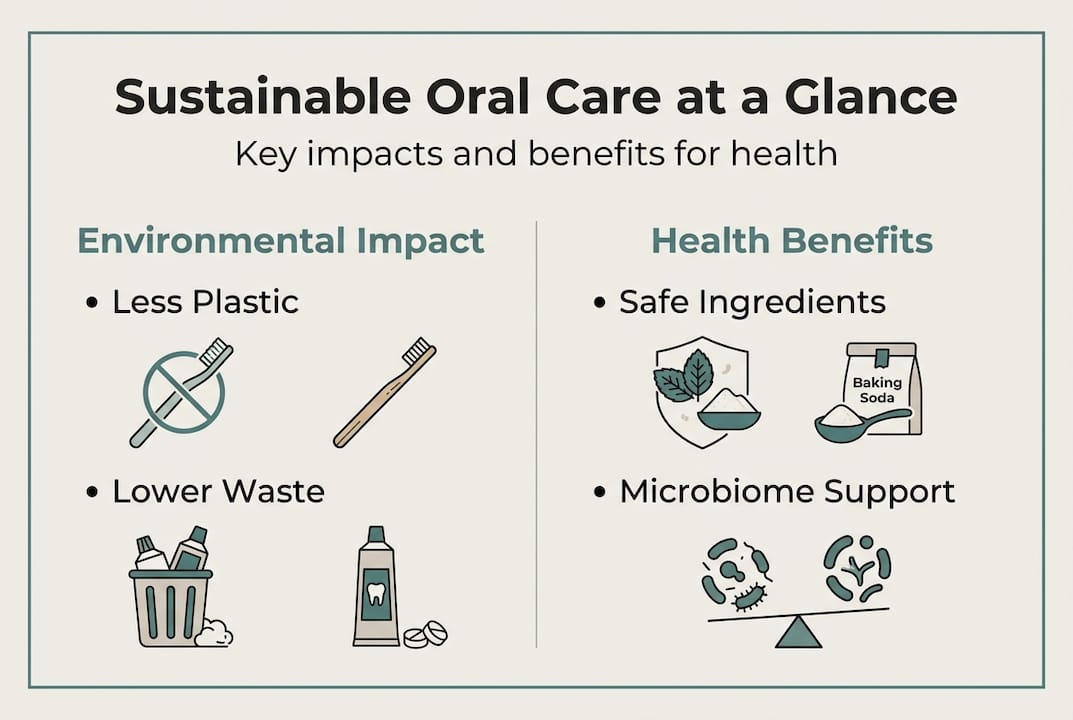
Making the switch to sustainable oral care addresses this crisis at its source. Bamboo toothbrushes biodegrade in months rather than centuries. Refillable toothpaste systems eliminate tube waste entirely. These alternatives prevent tons of plastic from entering waste streams while delivering the same cleaning performance consumers expect. The environmental case for sustainable oral care isn’t just compelling, it’s urgent.
How sustainable oral care maintains cleaning effectiveness
The biggest misconception stopping people from adopting sustainable oral care is the belief that eco-friendly means less effective. Clinical research definitively disproves this myth. A comprehensive study on plaque removal compared bamboo toothbrushes to conventional plastic models in randomized controlled trials. The results showed bamboo brushes achieved equivalent or superior plaque reduction, with some participants experiencing better gum health outcomes.
The secret lies in bristle design rather than handle material. Modern sustainable toothbrushes use nylon bristles identical to those on plastic brushes, ensuring the same mechanical cleaning action. Some premium models incorporate charcoal-infused or plant-based bristles that offer additional antimicrobial benefits. The bamboo handle itself provides natural antibacterial properties, reducing bacterial colonization between uses compared to plastic alternatives that can harbor pathogens in surface scratches.
| Toothbrush Type | Plaque Removal Rate | Gum Health Score | Sustainability Rating |
|---|---|---|---|
| Plastic manual | 68% | 7.2/10 | 2/10 |
| Bamboo manual | 71% | 7.8/10 | 9/10 |
| Electric sonic | 84% | 8.9/10 | 6/10 |
| Sustainable electric | 86% | 9.1/10 | 9/10 |
Beyond basic cleaning, sustainable options now include advanced technologies that rival or exceed traditional electric brushes. The Y-Brush toothbrush effectiveness demonstrates how sonic vibration combined with eco-conscious materials delivers professional-grade cleaning in seconds. These innovations prove sustainability and performance aren’t competing priorities but complementary goals.
Pro Tip: When composting bamboo toothbrushes, remove nylon bristles with pliers first. The bamboo handle breaks down completely in 6 months, while bristles require separate disposal to prevent microplastic contamination of compost.
For people with sensitive teeth or specific dental conditions, sustainable options offer equal or better compatibility. Soft bamboo bristles flex gently against enamel while maintaining cleaning power. Natural materials reduce chemical exposure that can irritate sensitive gums. The automatic toothbrush effectiveness research shows sustainable electric models provide customizable intensity settings that adapt to individual comfort levels without compromising plaque removal.
Consult your dentist about fluoride toothpaste if you choose natural alternatives. While sustainable toothpaste tablets and powders clean effectively, some formulations use hydroxyapatite or xylitol instead of fluoride. These ingredients remineralize enamel through different mechanisms that work well for many people but may not suit everyone’s dental health needs. Professional guidance ensures your sustainable choices support optimal oral health.
Health implications and benefits of sustainable oral care products
The health conversation around sustainable oral care extends far beyond cavity prevention. Recent research reveals conventional dental products release microplastics during normal use, introducing these particles directly into your mouth and body. Every time you brush with a plastic toothbrush, microscopic plastic fragments shed from bristles and handles. These microplastics get swallowed, absorbed through oral mucosa, and distributed throughout your system.

Scientific studies document concerning health effects linked to microplastic exposure. Laboratory research shows these particles trigger inflammatory responses in human tissues. Animal studies reveal microplastics cross the blood-brain barrier, raising neurotoxicity concerns. Perhaps most alarming, researchers have detected microplastics in human organs including liver, kidneys, and even placental tissue, demonstrating systemic distribution from seemingly minor exposure sources like dental care.
The American Dental Association maintains a cautious stance, noting more research is needed to establish definitive causation between dental microplastics and specific health outcomes. However, emerging evidence suggests a precautionary approach makes sense. Why expose yourself to potential risks when equally effective sustainable alternatives eliminate microplastic shedding entirely? Bamboo and other natural materials don’t fragment into harmful particles, offering a clear health advantage.
Sustainable oral care products minimize exposure to problematic substances beyond microplastics:
- Eliminate BPA and phthalates commonly found in plastic toothbrush handles and packaging
- Reduce synthetic dyes and artificial flavors that can trigger allergic reactions or sensitivities
- Avoid triclosan and other antimicrobial chemicals linked to hormone disruption
- Minimize exposure to sodium lauryl sulfate and other harsh detergents that irritate oral tissues
- Support oral microbiome health through gentler, naturally derived ingredients
The oral microbiome plays a crucial role in overall health, influencing everything from digestion to immune function. Harsh chemicals in conventional toothpaste can disrupt beneficial bacterial communities, potentially contributing to dysbiosis. Natural toothpaste formulations with ingredients like coconut oil, essential oils, and mineral compounds clean effectively while preserving microbiome balance. This holistic approach to the importance of good oral health recognizes that what you put in your mouth affects your entire body.
Ingredient transparency represents another significant health benefit of sustainable products. Eco-conscious brands typically disclose full ingredient lists and source materials responsibly. You know exactly what touches your teeth and gums, enabling informed choices based on personal health needs and values. This transparency contrasts sharply with conventional products that may contain undisclosed compounds or use vague terms like “natural flavors” that obscure actual ingredients.
Choosing sustainable oral care means optimizing dental hygiene essentials while protecting your body from unnecessary chemical and microplastic exposure. The health case complements environmental benefits, creating compelling reasons to make the switch regardless of which concern matters most to you personally.
Practical sustainable oral care solutions for busy lifestyles
Adopting sustainable oral care doesn’t require overhauling your entire routine or spending hours researching obscure products. Practical sustainable options now match the convenience of conventional products while delivering superior environmental and health outcomes. Here’s how to integrate eco-friendly dental care into even the busiest schedule:
-
Start with bamboo toothbrushes that cost the same as plastic versions but biodegrade completely. Keep one at home, one at work, and one in your gym bag for consistent brushing wherever your day takes you.
-
Switch to toothpaste tablets or powder that eliminate plastic tubes entirely. These concentrated formulations take up minimal space, never leak in luggage, and last longer than conventional paste.
-
Choose refillable systems for mouthwash and toothpaste where you purchase concentrate pods and reuse the same container indefinitely. This cuts packaging waste by 90% while simplifying restocking.
-
Invest in electric toothbrushes with replaceable heads rather than disposable models. Quality sustainable electric brushes last years, with only small brush heads requiring periodic replacement instead of entire units.
-
Opt for silk or plant-based dental floss in refillable glass containers. These products work identically to plastic floss but decompose naturally and reduce packaging waste.
Travel presents unique challenges for sustainable living, but modern oral care solutions address this perfectly. Toothpaste tablets shine for on-the-go use since TSA restrictions don’t apply to solids. Chewable tablets activate with saliva, creating foam identical to traditional paste without requiring water until rinsing. Compact bamboo toothbrushes fit easily in carry-on bags and weigh less than electric models, perfect for minimalist packing.
Pro Tip: Investing in a durable, modular electric toothbrush with replaceable heads costs more upfront but saves money long-term. You’ll spend less over five years compared to replacing disposable brushes every three months while generating 95% less waste.
These solutions align perfectly with broader wellness trends gaining momentum among health-conscious consumers. The same people prioritizing organic food, non-toxic cleaning products, and microbiome health naturally gravitate toward sustainable oral care. It represents a logical extension of values they already embrace rather than an additional burden. The dental hygiene essentials for busy lifestyles framework shows how sustainable choices integrate seamlessly with existing routines.
Ingredient transparency and clean formulations matter increasingly to consumers who read labels and research products before purchasing. Sustainable oral care brands typically lead in this area, providing detailed information about sourcing, manufacturing, and environmental impact. This openness builds trust and enables informed decision-making that conventional brands often avoid through vague marketing claims.
Gradual adoption works best for most people. You don’t need to replace everything immediately. Start by switching to sustainable oral care for one product, see how it performs, then expand from there. Try bamboo toothbrushes first since they require zero behavior change beyond grabbing a different brush. Once comfortable, experiment with toothpaste tablets or natural mouthwash. This incremental approach prevents overwhelm while building sustainable habits that stick.
Consult your dentist about specific products if you have particular dental health concerns. Most dental professionals now recognize quality sustainable options and can recommend formulations suited to your needs. They may suggest fluoride toothpaste tablets for cavity prevention or specific bristle types for gum sensitivity. Professional guidance ensures your sustainable choices support optimal oral health outcomes.
Explore sustainable oral care solutions at Y-Brush
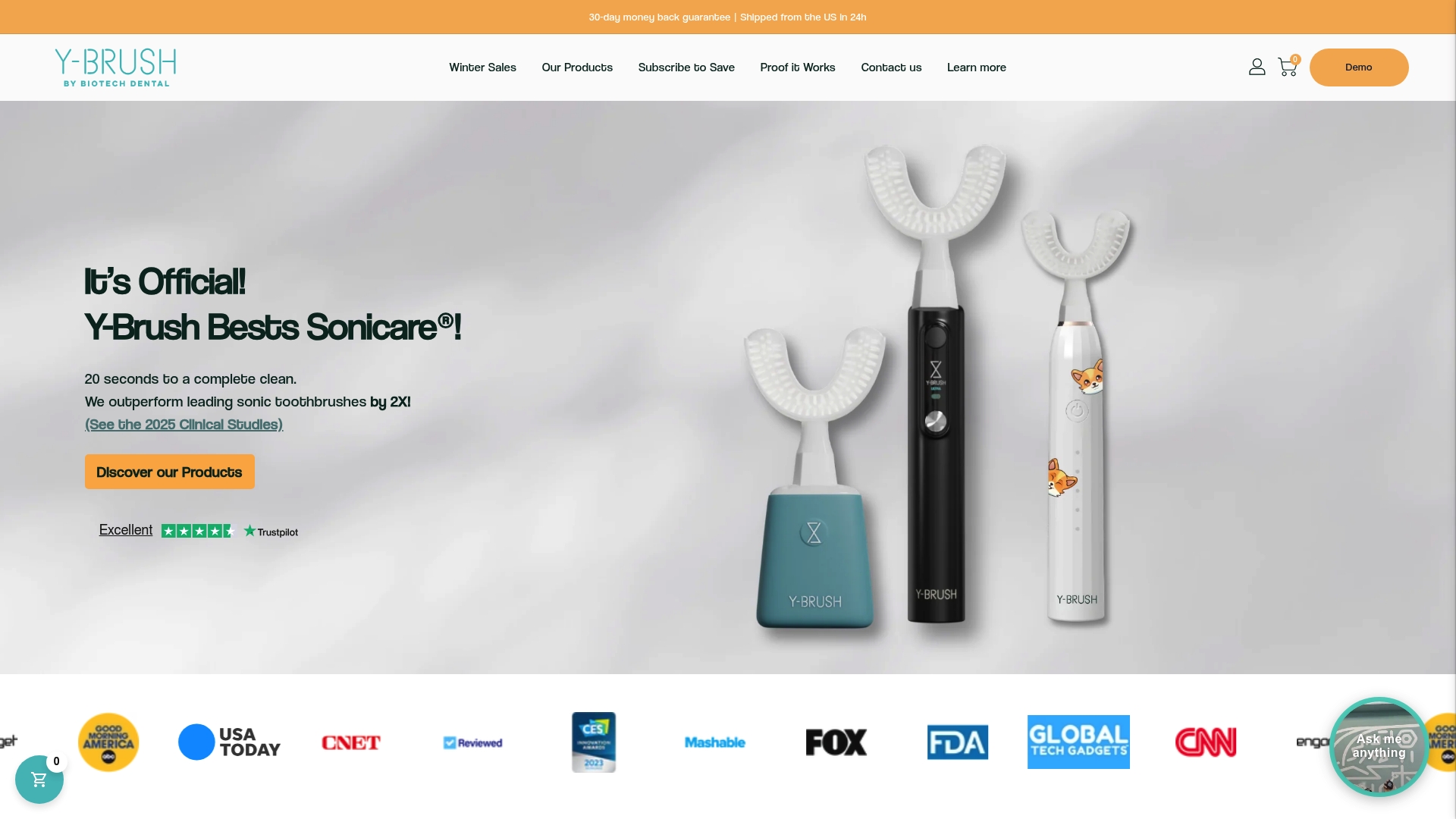
Y-Brush leads innovation in sustainable oral care by combining cutting-edge technology with eco-conscious design. Our products deliver the superior cleaning busy people need while minimizing environmental impact through thoughtful material choices and modular construction.
Discover how Y-Brush makes sustainable oral care effortless:
- The Y-Brush Essential Sonic Toothbrush provides 31,000 vibrations per minute for professional-grade cleaning in just 20 seconds, perfect for rushed mornings
- Eco-conscious materials and replaceable brush heads minimize waste while maintaining premium performance
- The Y-Brush KidsBrush Sonic Electric Toothbrush makes sustainable habits fun for children ages 4 to 12, building lifelong environmental awareness
- Replacement brush heads extend product life for years, eliminating the need to discard entire units
Pro Tip: Y-Brush’s modular design means you invest once in a quality handle and motor, then simply replace small brush heads every three months. This approach reduces plastic waste by 90% compared to disposable electric toothbrushes while delivering superior cleaning that fits your schedule.
Explore our complete range to find the sustainable oral care solution that matches your lifestyle and values. Every Y-Brush product reflects our commitment to making effective dental hygiene accessible, convenient, and environmentally responsible.
Frequently asked questions about sustainable oral care
What makes an oral care product truly sustainable?
True sustainability requires biodegradable or recyclable materials, minimal packaging, ethical sourcing, and a product lifespan that reduces replacement frequency. Look for bamboo handles, plant-based bristles, refillable systems, and brands transparent about manufacturing processes and environmental impact.
Are bamboo toothbrushes safe and effective for sensitive teeth?
Bamboo toothbrushes with soft bristles work excellently for sensitive teeth, often better than plastic versions. The natural antimicrobial properties of bamboo reduce bacterial growth, while soft nylon or plant-based bristles provide gentle yet thorough cleaning. Consult your dentist to confirm the best bristle type for your specific sensitivity level.
How do microplastics from dental products affect overall health?
Research shows microplastics from toothbrushes and packaging can trigger inflammation, cross biological barriers including the blood-brain barrier, and accumulate in organs. While long-term health effects require more study, sustainable products eliminate this exposure entirely by using natural materials that don’t shed harmful particles during use.
Can sustainable oral care products fit a busy daily routine easily?
Absolutely. Modern sustainable options like toothpaste tablets, bamboo brushes, and refillable systems match or exceed the convenience of conventional products. Many designs specifically target busy lifestyles with travel-friendly formats, quick-clean technologies, and time-saving features. Check out dental hygiene essentials for busy lifestyles for practical integration strategies.
Where can I find reliable sustainable oral care products?
Reputable brands like Y-Brush offer clinically proven sustainable products backed by research and customer reviews. Look for companies with transparent ingredient lists, third-party certifications, and clear environmental impact data. Reading guides on switching to sustainable oral care helps identify quality options that meet both performance and sustainability standards.
Recommended
- Switch to sustainable oral care without losing effectiveness – Y-Brush USA
- Optimize your dental hygiene essentials for busy lifestyles – Y-Brush USA
- Effective oral care habits for better dental hygiene – Y-Brush USA
- The importance of good oral health – Y-Brush USA
- The Link Between Oral and Overall Health: Why a Healthy Mouth Matters


