


TL;DR:
- Proper technique and tool choice significantly improve plaque removal effectiveness.
- Flossing is essential to clean interdental areas that brushing misses regularly.
- Consistent habits and professional cleanings are crucial for lasting oral health.
Plaque is a stubborn, sticky film of bacteria that forms on your teeth every single day, and regular brushing alone is not always enough to keep it fully under control. Even people who brush consistently can miss critical areas, especially along the gumline and between teeth, where plaque thrives and eventually hardens into tartar. The good news is that a few targeted adjustments to your technique, tools, and daily habits can dramatically improve your results. This guide walks you through clinically supported strategies for effective plaque removal, from brushing mechanics and flossing methods to diet choices and professional care.
Table of Contents
- Master brushing technique and tool choice
- Flossing for hard-to-reach plaque
- Enhancing removal with mouthwash and diet
- Professional care and avoiding risky shortcuts
- Quick comparison: Which plaque removal tips work best?
- The surprising truth about lasting plaque control
- Upgrade your oral care routine with innovative solutions
- Frequently asked questions
Key Takeaways
| Point | Details |
|---|---|
| Technique matters most | Perfecting your brushing and flossing technique removes more plaque than any single new product. |
| Electric brushes lead | Oscillating-rotating electric brushes remove up to 21% more plaque compared to manual toothbrushes. |
| Diet and mouthwash help | Crunchy fruits and antimicrobial mouthwashes are easy additions that boost plaque removal results. |
| See a dentist for tartar | Only a professional can safely remove tough tartar for long-term oral health. |
| ADA Seal matters | Use only ADA Seal-approved floss, brushes, and interdental cleaners to avoid damage and ensure effectiveness. |
Master brushing technique and tool choice
The foundation of any effective plaque removal routine is brushing, but technique and tool selection matter far more than most people realize. Simply moving a brush across your teeth for 30 seconds does very little to disrupt the bacterial film that clings to enamel and settles along the gumline. To maximize results, hold your brush at a 45-degree angle toward the gumline, use gentle circular or short back-and-forth strokes, and make sure you cover every surface: the outer faces, inner faces, and chewing surfaces of all teeth.
When it comes to tool choice, the evidence is clear. The different toothbrush types on the market vary significantly in performance. A Cochrane review confirmed that oscillating-rotating electrics remove 11 to 21% more plaque and reduce gingivitis by 6 to 11% compared to manual brushes. That is a meaningful clinical difference, especially for people who struggle with consistent technique.
| Feature | Manual toothbrush | Electric (oscillating-rotating) |
|---|---|---|
| Plaque removal | Baseline | Up to 21% more effective |
| Technique dependency | High | Lower |
| Gumline access | User-dependent | Consistent |
| Cost | Low | Moderate to high |
| ADA approval | Yes (many) | Yes (many) |
The electric toothbrush benefits are especially relevant for anyone who tends to rush through brushing or apply too much pressure. Electric brushes do much of the mechanical work for you, reducing the margin for error. That said, a soft-bristled, ADA-approved manual brush used with proper technique still outperforms a powered brush used carelessly.
Key tips for better brushing results:
- Use a soft-bristled brush to avoid enamel abrasion
- Brush for a full two minutes, covering all quadrants equally
- Replace your brush head every three months or sooner if bristles fray
- Do not scrub hard; gentle pressure is more effective and safer
- Brush before bed to remove the day’s plaque buildup
For a detailed breakdown of how manual vs sonic toothbrushes compare across different user needs, it is worth reviewing the specific performance data before making a switch.
Pro Tip: Set a two-minute timer or use a brush with a built-in timer. Most people significantly underestimate how long they brush, and the difference in plaque removal is measurable.
Once you know why technique and tools matter, let’s look at cleaning between teeth.
Flossing for hard-to-reach plaque
Brushing, even with the best electric toothbrush, cannot reach the spaces between your teeth. These interdental zones are prime locations for plaque accumulation, and skipping floss leaves roughly 35% of each tooth’s surface uncleaned. Daily flossing is not optional if thorough plaque removal is the goal.
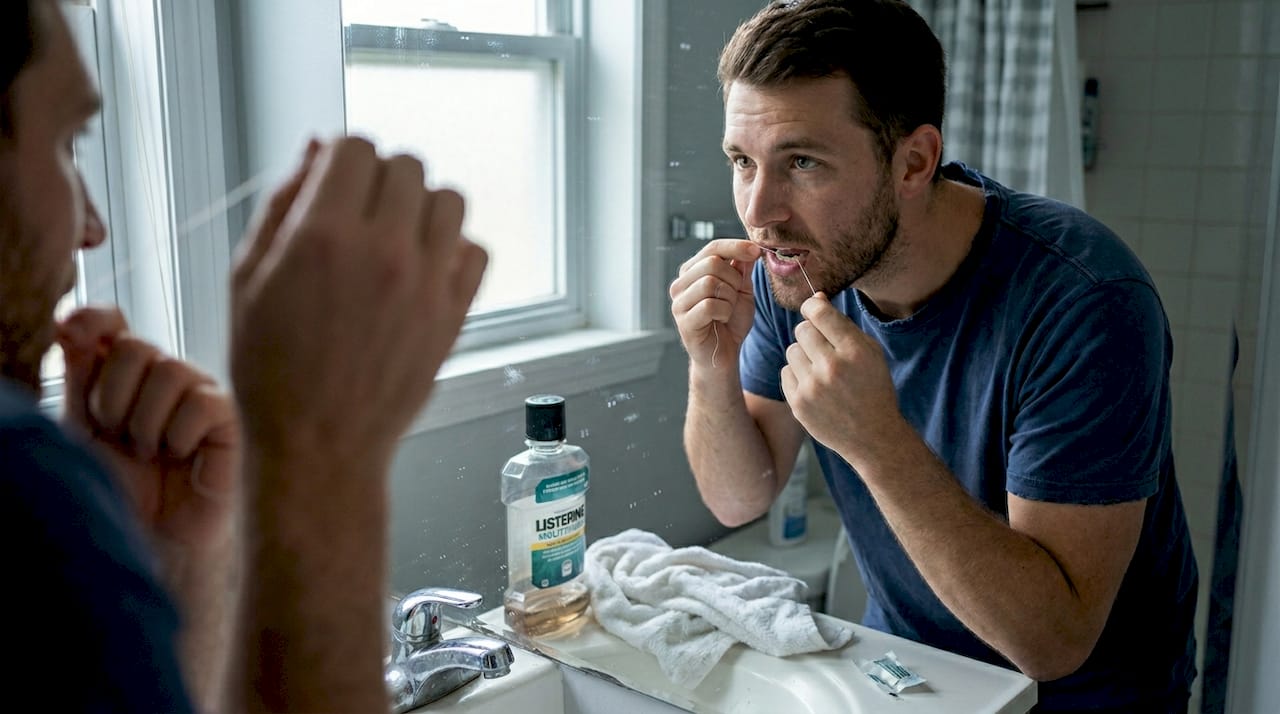
The most effective method is the C-shape technique. According to Cleveland Clinic advice, you should floss daily using proper C-shape technique to clean between teeth and under the gumline, with string floss preferred over water flossers alone. Here is how to do it correctly:
- Cut about 18 inches of floss and wind most of it around your middle fingers, leaving a clean section to work with.
- Slide the floss gently between two teeth, then curve it into a C-shape around one tooth and slide it up and down beneath the gumline.
- Move to a fresh section of floss for each tooth pair to avoid redistributing bacteria.
String floss is the gold standard because it physically hugs the curved surface of each tooth, disrupting and lifting the plaque film. Water flossers are useful tools, especially for people with braces or dental bridges, but they work best as a supplement to string floss rather than a replacement. When choosing a water flosser, look for ADA Seal-approved models that deliver consistent water pressure.
| Method | Plaque removal | Best for | Limitation |
|---|---|---|---|
| String floss | Excellent | All users | Requires technique |
| Water flosser | Good | Braces, bridges | Supplementary only |
| Interdental brushes | Very good | Wide gaps | Not for tight contacts |
Pro Tip: Floss before brushing rather than after. This loosens plaque and food debris between teeth so your toothbrush and fluoride toothpaste can reach those areas more effectively during the brushing step.
For a step-by-step breakdown of the full process, the guide on removing dental plaque covers each stage in practical detail.
After cleaning between teeth, mouthwash can boost your efforts even further.
Enhancing removal with mouthwash and diet
Mouthwash and dietary choices are two often underestimated levers in plaque control. They do not replace mechanical cleaning, but they add a meaningful layer of protection that compounds over time.
Antimicrobial mouthwashes containing chlorhexidine or cetylpyridinium chloride target the bacteria that form plaque, while fluoride mouthwashes strengthen enamel against acid attacks. WebMD on mouthwash recommends using antimicrobial or fluoride mouthwash daily to kill bacteria and reduce plaque. Rinse for 30 to 60 seconds after brushing and flossing to maximize contact time with tooth surfaces.
Diet plays an equally important role. The foods you eat either feed plaque bacteria or help fight them. Diet and dental plaque research supports limiting sugary and starchy foods while eating crunchy fruits and vegetables like apples and carrots to mechanically scrub plaque, and chewing sugarless gum to increase saliva flow.
| Food category | Effect on plaque | Examples |
|---|---|---|
| Crunchy vegetables | Helps scrub teeth | Carrots, celery, cucumbers |
| Crunchy fruits | Mechanically removes plaque | Apples, pears |
| Sugarless gum | Boosts saliva, cleans teeth | Xylitol gum |
| Sugary snacks | Feeds plaque bacteria | Candy, cookies, soda |
| Starchy foods | Converts to sugar quickly | White bread, chips |
Saliva is actually one of your mouth’s most powerful natural defenses. It neutralizes acids, washes away food particles, and contains enzymes that break down bacteria. Staying hydrated and choosing foods that stimulate saliva production directly supports your oral health and plaque management efforts.
Pro Tip: Rinse your mouth with water immediately after consuming sugary or acidic foods. This simple habit reduces the time bacteria have to feed on sugar and produce the acids that accelerate plaque formation.
Even with the best at-home care, some plaque inevitably hardens into tartar.
Professional care and avoiding risky shortcuts
When plaque is not removed within 24 to 72 hours, it mineralizes into tartar, also called calculus, a hard deposit that bonds firmly to tooth enamel. Once tartar forms, no amount of brushing or flossing can remove it. This is where professional dental care becomes non-negotiable.
Dental cleanings every six months allow a hygienist to perform scaling, a process that uses specialized instruments to safely remove tartar above and below the gumline. Understanding tartar buildup and its progression helps explain why consistent professional care is so important. Left untreated, tartar leads to gingivitis and, eventually, periodontitis, a serious gum disease linked to systemic health conditions.
“No home remedy can safely remove tartar. Seek a dental professional for scaling to protect your gums and enamel.”
Some people turn to at-home dental scrapers sold online, hoping to replicate professional scaling. This is a genuinely risky practice. WebMD on tartar risks warns that home scrapers are not recommended due to the risk of enamel damage and gum injury. Without proper training and visibility, it is easy to scratch enamel permanently or push bacteria deeper under the gumline.
Key guidelines for safe plaque and tartar management:
- Schedule professional cleanings every six months, or more frequently if recommended
- Never use unapproved at-home scraping tools
- Use only ADA Seal-approved products for interdental cleaning
- Ask your dentist about prescription-strength fluoride if you are cavity-prone
- Removing tartar safely is always a job for a trained professional
With these steps in mind, let’s compare approaches for best results.
Quick comparison: Which plaque removal tips work best?
With so many strategies available, it helps to see them side by side. Here is a summary of the major plaque removal methods, ranked by effectiveness and practical accessibility.
| Method | Effectiveness | Frequency | Accessibility |
|---|---|---|---|
| Electric toothbrush | Very high | Twice daily | Easy |
| Manual toothbrush (proper technique) | High | Twice daily | Easy |
| String flossing | High | Once daily | Moderate |
| Antimicrobial mouthwash | Moderate | Once daily | Easy |
| Water flosser | Moderate | Once daily | Easy |
| Crunchy diet choices | Low to moderate | With meals | Easy |
| Professional scaling | Highest (tartar) | Every 6 months | Requires appointment |
The Cochrane review data reinforces that consistent mechanical removal through brushing and flossing is the primary defense, with electric brushes offering a measurable edge, particularly for users who struggle with technique. Diet and professional care prevent the progression to gingivitis and periodontitis.
Key takeaways by strategy:
- Brushing: Non-negotiable twice daily; electric brushes reduce technique errors significantly
- Flossing: Reaches 35% of tooth surfaces that brushing misses; string floss is the most effective option
- Mouthwash: Adds antibacterial protection; best used after brushing and flossing
- Diet: Reduces bacterial fuel and mechanically assists cleaning throughout the day
- Professional care: The only way to address tartar; protects long-term gum and bone health
For a focused look at practical, time-efficient strategies, the guide on fast plaque removal offers additional actionable steps.
Now, here’s what most people miss about plaque removal and what really works.
The surprising truth about lasting plaque control
Here is something most oral care guides will not tell you directly: the product you use matters far less than the consistency and intention behind how you use it. We see this pattern repeatedly. Someone invests in a premium electric toothbrush, uses it enthusiastically for two weeks, then drifts back to a 40-second brush because life gets busy.
The real driver of long-term plaque control is not the brush or the mouthwash. It is the habit. A clinically proven tool used inconsistently will always underperform a basic tool used faithfully twice a day. That is not an argument against upgrading your equipment. High-quality brushes like fast sonic toothbrushes genuinely help, especially when they reduce the time and effort required to get a thorough clean. But the brush cannot compensate for skipped sessions or poor gumline access.
Chasing the latest dental gadget without fixing foundational habits is where most people go wrong. Build the routine first. Then optimize the tools.
Upgrade your oral care routine with innovative solutions
Putting these plaque removal strategies into practice is easier when your tools are designed to support the habit, not fight against it. That is exactly the problem Y-Brush was built to solve. Most people know they should brush for two full minutes, yet 90% fall short because real life gets in the way.
The Y-Brush essential sonic toothbrush delivers a clinically effective clean in just 20 seconds, making it genuinely easier to stay consistent every day. If you are ready to take your oral health seriously without overhauling your entire schedule, explore how to upgrade your oral care with tools designed around how people actually live.
Frequently asked questions
How often should I brush and floss to remove plaque?
Brush at least twice daily and floss once daily for optimal plaque control. According to Cleveland Clinic advice, daily flossing using the C-shape technique is essential for cleaning between teeth and under the gumline.
Do electric toothbrushes really remove more plaque than manual brushes?
Yes. A Cochrane review confirms that oscillating-rotating electric brushes remove up to 21% more plaque than manual brushes over both short and long-term use.
Can I remove tartar at home?
No. Tartar requires professional removal by a dental hygienist using specialized scaling instruments. At-home scraping tools risk permanent enamel and gum damage.
Does eating certain foods help prevent plaque?
Yes. Crunchy fruits and vegetables like apples and carrots physically help scrub plaque from tooth surfaces, while limiting sugary and starchy foods reduces the bacterial fuel that drives plaque formation.
Is mouthwash necessary for plaque removal?
Mouthwash is not a replacement for brushing or flossing, but antimicrobial mouthwash adds meaningful bacteria-fighting benefits when used daily as part of a complete oral care routine.


