


TL;DR:
- Good oral hygiene enhances self-confidence by promoting a clean mouth and a ready smile.
- Consistent, gentle brushing for two minutes twice daily strengthens teeth and boosts social confidence.
- Modern tools like electric brushes support better habits, improving oral health and self-esteem over time.
Most people think brushing is about preventing cavities. It is, but that is only part of the story. Good oral hygiene does something deeper: it shapes how confident you feel when you walk into a room, start a conversation, or smile at a stranger. The connection between your brushing routine and your daily self-esteem is real, measurable, and often underestimated. This article breaks down the science behind that connection, identifies the mistakes that quietly erode your confidence, and gives you practical tools to build a routine that works for your life.
Table of Contents
- Why confidence starts with your smile
- How brushing routines fuel better confidence
- Common pitfalls: Brushing mistakes that can undermine confidence
- Smart solutions: Tools and habits that support confident brushing
- What most experts overlook about brushing and confidence
- Take the next step: Upgrading your brushing for daily confidence
- Frequently asked questions
Key Takeaways
| Point | Details |
|---|---|
| Confidence begins with oral care | A clean, healthy smile directly boosts how you feel and present yourself. |
| Consistent brushing matters most | Twice-daily brushing for two minutes builds the foundation for confidence. |
| Smart tools make routines easier | Electric and smart toothbrushes help you maintain excellent oral hygiene effortlessly. |
| Avoid common brushing mistakes | Focus on gentle technique and regularity to protect enamel and gums. |
| Self-acceptance boosts confidence | Confidence comes from sustainable habits and attitude, not just aesthetics. |
Why confidence starts with your smile
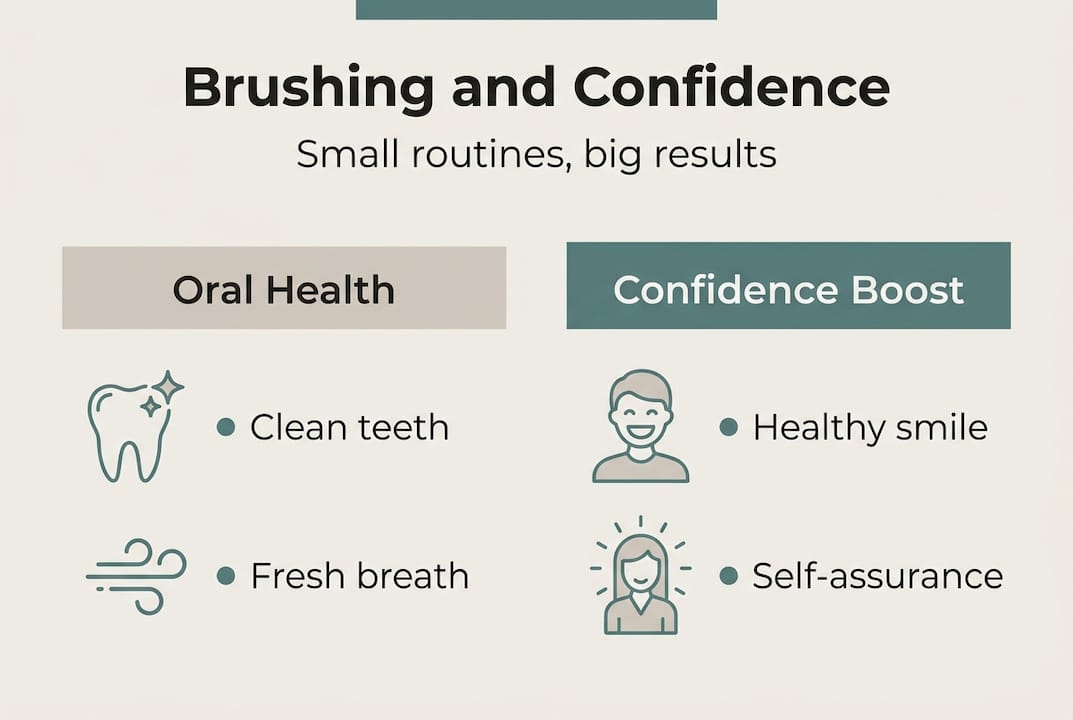
Your smile is one of the first things people notice about you. Research in oral health self-esteem research consistently shows that oral appearance plays a significant role in how others perceive us and, more importantly, how we perceive ourselves. When your teeth feel clean and your breath is fresh, you are more likely to smile openly, speak up in meetings, and engage socially without hesitation.
The numbers tell a clear story. 23% of adults avoid showing their teeth when smiling because of confidence issues directly linked to oral health. That is nearly one in four people holding back a natural expression because of something that is largely preventable with better daily habits.
“Oral health is not just a medical issue. It is a confidence issue. When people feel good about their teeth, they engage more fully in life.”
This effect ripples outward. Confidence in your oral health does not stay contained to dental appointments. It shows up at work during presentations, at family dinners, and on first dates. People who feel good about their smiles tend to be more socially active and report higher overall well-being. The reverse is also true: oral health concerns create a cycle of self-consciousness that can limit social participation and professional growth.
Here is what strong oral hygiene routines consistently support:
- Fresher breath throughout the day
- Reduced plaque buildup and visible staining
- Healthier gums that do not bleed or recede visibly
- Greater willingness to smile and engage in close conversation
- Lower levels of dental-related anxiety in social settings
The psychological impact of a clean mouth is not trivial. It is a foundational layer of everyday confidence that most people never fully credit to their toothbrush.
How brushing routines fuel better confidence
Knowing the link matters, but understanding exactly how brushing builds confidence is what turns awareness into action. The ADA recommends brushing twice daily for two minutes using fluoride toothpaste. That simple habit, done consistently, is enough to maintain the oral health that supports a confident smile.
What makes this even more compelling is the data behind it. Dental confidence mediates self-esteem and well-being with a beta value of 0.345, explaining 59.9% of the variance in self-esteem scores. In plain terms: how confident you feel about your teeth explains a substantial portion of how confident you feel about yourself overall.
Here is a step-by-step approach to brushing that maximizes both oral health and confidence:
- Brush twice daily. Morning and night, no exceptions. Morning brushing removes overnight bacteria; evening brushing clears the day’s plaque before it hardens.
- Use fluoride toothpaste. Fluoride strengthens enamel and actively fights decay. It is the most evidence-backed ingredient in toothpaste.
- Brush for a full two minutes. Most people stop well before this. Use a timer or a brush with a built-in timer to stay on track.
- Cover all surfaces. Outer, inner, and chewing surfaces of every tooth, plus the gumline. Missing the gumline is one of the most common oversights.
- Follow with flossing. Brushing alone misses roughly 35% of tooth surfaces. Flossing completes the clean.
For guidance on avoiding brushing mistakes that undercut your results, small adjustments to your brushing technique guide can make a measurable difference. Also, ADA brushing recommendations offer additional context on frequency and method.
Pro Tip: Consistency matters far more than intensity. Brushing gently twice a day produces better long-term results than brushing aggressively once. Small daily actions compound into lasting oral health and lasting confidence.
Common pitfalls: Brushing mistakes that can undermine confidence
Good intentions do not always translate into good technique. Many people brush regularly but still experience confidence-eroding issues like staining, gum sensitivity, or persistent bad breath. Often, the culprit is a correctable mistake.
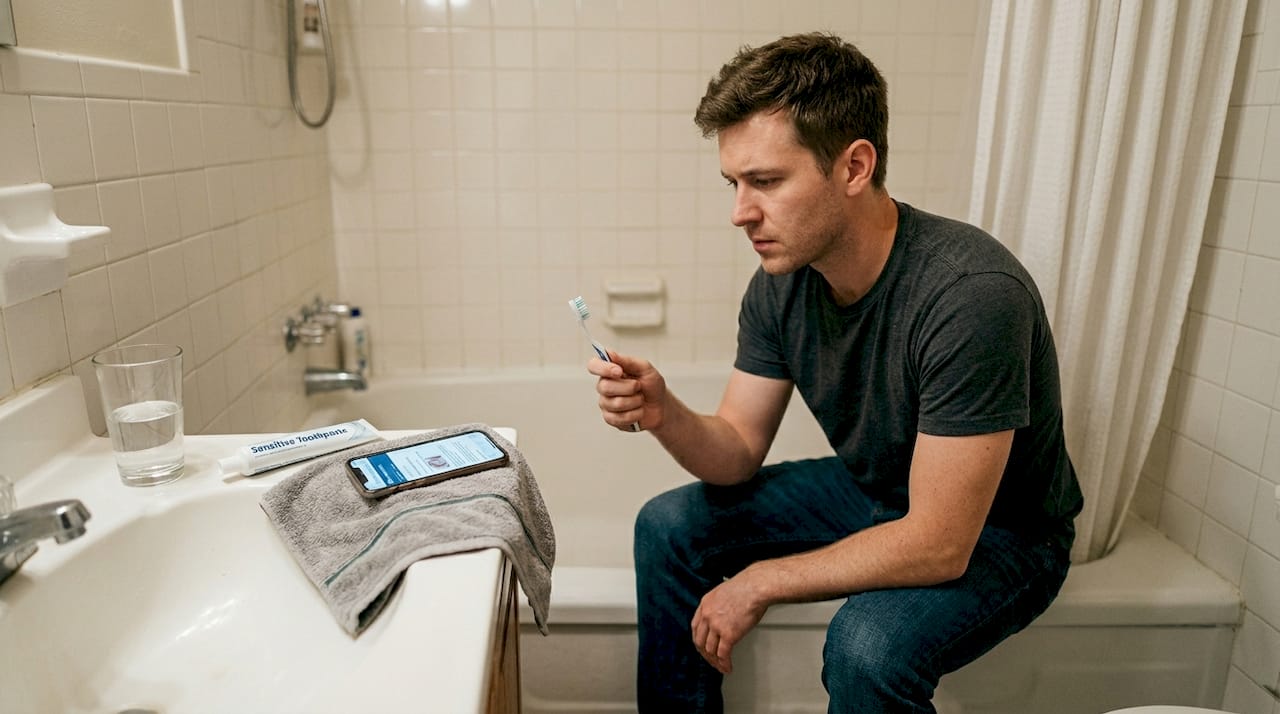
Overbrushing damages enamel and causes gum recession, two outcomes that can make teeth look worse over time, not better. Brushing harder does not mean brushing better. Enamel does not grow back once it wears away, and receding gums expose sensitive root surfaces that increase discomfort and visibility of dental issues.
Children face a different challenge. Kids brush less than twice daily on 48.2% of days, which sets up early patterns of inconsistency that can persist into adulthood. Building good habits early, with the right tools and guidance from the kids brushing guide, pays dividends for a lifetime.
| Mistake | What it causes | How to fix it |
|---|---|---|
| Overbrushing | Enamel wear, gum recession | Use a soft-bristle brush, gentle pressure |
| Brushing too fast | Missed plaque, poor coverage | Use a two-minute timer |
| Skipping the gumline | Gum disease, inflammation | Angle brush 45 degrees at gumline |
| Infrequent brushing | Plaque buildup, bad breath | Commit to twice-daily routine |
| Using a worn brush | Reduced cleaning effectiveness | Replace brush every three months |
Here are the most common brushing errors and what they silently cost you:
- Brushing too hard strips enamel and irritates gums, leading to sensitivity and visible recession
- Rushing through brushing leaves plaque on surfaces that later cause staining and decay
- Skipping nighttime brushing allows bacteria to work undisturbed for eight or more hours
- Ignoring tongue cleaning leaves odor-causing bacteria that no amount of tooth brushing can address
Pro Tip: Focus on duration, not pressure. A soft-bristle brush used for a full two minutes is more effective and safer than a hard-bristle brush used aggressively for thirty seconds. Check brushing frequency facts to understand why timing is everything.
Smart solutions: Tools and habits that support confident brushing
Modern oral care tools have made it significantly easier to build and maintain the kind of consistent routine that drives real confidence. Smart and electric brushes improve coverage and consistency, making them ideal for busy lifestyles where manual brushing often falls short.
Electric toothbrushes remove plaque more efficiently than manual brushes, particularly along the gumline and between teeth. Many models include built-in timers, pressure sensors, and app connectivity that guide users toward better technique without requiring dental expertise. The result is a cleaner mouth with less effort and less risk of damage from improper pressure.
| Feature | Manual brush | Electric brush | Smart brush |
|---|---|---|---|
| Plaque removal | Baseline | Clinically superior | Clinically superior |
| Built-in timer | No | Often yes | Yes |
| Pressure sensor | No | Some models | Yes |
| Technique feedback | No | No | Yes |
| Ease of use | Requires skill | Easier | Easiest |
| Best for | Budget-focused | Most users | Busy lifestyles |
Beyond the brush itself, habits and reminders make a real difference. Consider these approaches:
- Set a phone reminder for your evening brush, the session most people skip
- Keep your brush visible on the counter rather than stored away, out of sight often means out of mind
- Pair brushing with an existing habit like washing your face to make it automatic
- Use a brush with a timer so you never guess whether you have hit two minutes
For a closer look at why electric toothbrush benefits translate directly to better results, or to explore what the future of toothbrushing looks like for modern households, the evidence strongly supports making the switch. The ADA guides also offer reliable benchmarks for evaluating your current routine against clinical recommendations.
What most experts overlook about brushing and confidence
Most oral health advice focuses on the physical: brush twice, floss daily, see your dentist. That is all correct. But the conversation rarely addresses the psychological dimension of confidence, and that gap matters.
Here is something worth sitting with: no strong association between dental aesthetics and self-esteem was found in most students studied. Perfect teeth do not guarantee high self-esteem. Plenty of people with flawless smiles struggle with confidence, while others with imperfect teeth radiate it.
What actually builds lasting confidence is a sustainable, forgiving routine. Not perfection. Not the whitest teeth or the most expensive brush. Showing up consistently, being kind to yourself when you miss a session, and building habits you can maintain for decades: that is the real foundation. Oral care upgrades can support that foundation, but they cannot replace the mindset behind it.
The most effective brushing routine is the one you will actually do. Simple, consistent, and realistic beats elaborate and abandoned every time. Confidence follows sustained effort, not a single perfect session.
Take the next step: Upgrading your brushing for daily confidence
Building a brushing routine that genuinely supports your confidence does not have to be complicated. The right tools make consistency easier and results more reliable.
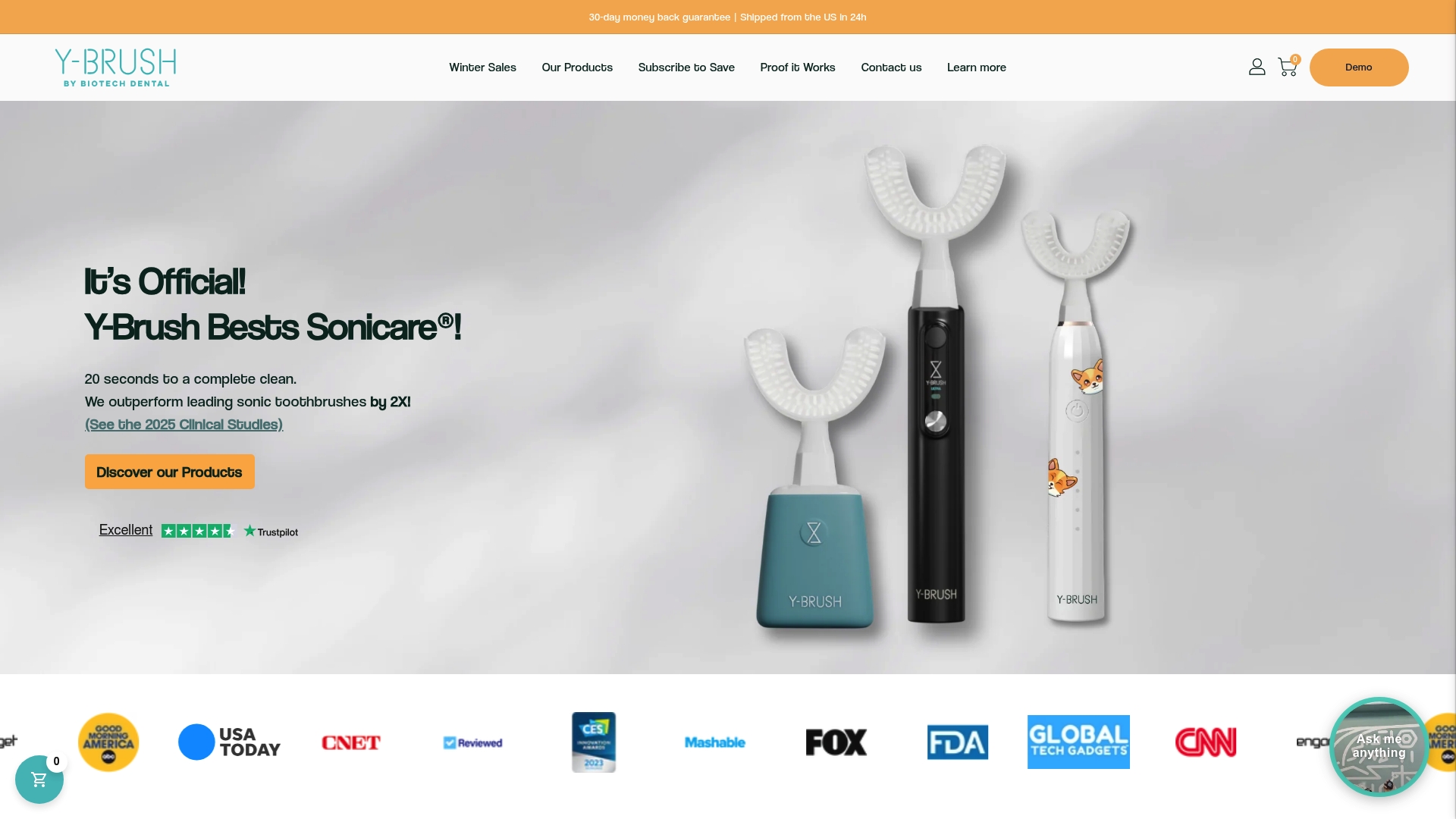
Y-Brush was built for exactly this: delivering a superior clean in just 20 seconds, so that a complete, effective brushing session fits into even the busiest morning. Whether you are looking for the Y-Brush Essential Sonic Toothbrush for your own routine, the Ultra Sonic Toothbrush for maximum performance, or the Kids Sonic Toothbrush to set your children up with great habits early, there is a solution designed for your life. Explore the full range and take the first step toward brushing that actually fits how you live.
Frequently asked questions
How often should I brush to feel more confident about my smile?
Brush at least twice daily for two minutes each session to maintain a healthy, confident smile. Morning and evening brushing together address the bacteria cycles that cause bad breath and plaque buildup.
Can overbrushing hurt my confidence?
Yes. Overbrushing causes enamel wear and gum recession, which can make teeth look and feel worse over time, ultimately harming both dental health and self-esteem. A soft-bristle brush with gentle pressure is always the safer choice.
Do electric toothbrushes really help boost confidence?
Electric brushes improve consistency and cleaning coverage compared to manual brushing, which leads to better dental health outcomes and a more confident smile over time.
Is a perfect smile necessary for self-confidence?
Not always. Studies show no strong link between dental aesthetics and self-esteem, meaning self-acceptance and consistent habits matter just as much as appearance for genuine, lasting confidence.
How can kids build brushing confidence early?
Engaging kids in regular, fun routines with age-appropriate brushes helps them develop positive habits early. Children brush inconsistently on nearly half of all days, so building structure and making brushing enjoyable sets a strong foundation for lifelong oral health and self-esteem.


