


Most people assume a quick once-over with a toothbrush each morning is enough to keep their teeth healthy. It isn’t. Plaque, the sticky film of bacteria that coats your teeth, begins reforming within hours of brushing. When it isn’t removed consistently and thoroughly, it hardens, irritates your gums, and quietly sets the stage for cavities and gum disease. The good news is that the right combination of tools and techniques can dramatically improve your results, even if you’re short on time. This guide breaks down exactly what plaque removal involves, which methods work best, and how to build a routine that actually fits your life.
Table of Contents
- Why plaque removal matters for your health
- Most effective plaque removal methods: Evidence-based guide
- Beyond the brush: Interdental cleaning and its impact
- The role of professional cleanings in your routine
- What most people get wrong about plaque removal
- Upgrade your routine with advanced solutions
- Frequently asked questions
Key Takeaways
| Point | Details |
|---|---|
| Prompt plaque removal is crucial | Removing dental plaque daily prevents tartar and serious oral health risks. |
| Powered toothbrushes outperform manuals | Electric models clean more efficiently, making oral care routines faster and more effective. |
| Interdental tools boost results | Using brushes or irrigators between teeth removes plaque that brushing alone can miss. |
| Blend self-care and professional cleanings | Daily home routines and regular dentist visits work best together for a healthy smile. |
Why plaque removal matters for your health
Dental plaque is a soft, colorless biofilm made up of bacteria, food particles, and saliva proteins. It sticks to the surfaces of your teeth and along the gumline, and it starts forming again almost immediately after you brush. Left undisturbed, plaque produces acids that eat away at tooth enamel and trigger inflammation in the gum tissue.
The consequences of ignoring plaque build up fast. Within 24 to 72 hours, plaque that isn’t removed begins to mineralize and harden into tartar (also called calculus). Once tartar forms, no amount of brushing at home will remove it. Only a dental professional can scale it away. Plaque removal prevents hardening into tartar, reducing risks of gingivitis, periodontitis, cavities, and tooth loss.
Here’s what persistent plaque can lead to:
- Cavities: Acid from plaque bacteria dissolves enamel, creating holes in the tooth.
- Gingivitis: Early-stage gum inflammation caused by plaque irritating the gum tissue.
- Periodontitis: Advanced gum disease that damages the bone supporting your teeth.
- Tooth loss: The end result of untreated gum disease and severe decay.
- Systemic health links: Research continues to connect poor oral health to cardiovascular disease and diabetes.
“The mouth is a gateway to the rest of the body. What happens to your teeth and gums doesn’t stay local.”
A common misconception is that brushing for even 30 seconds covers the basics. In reality, most people brush for under a minute, which leaves significant plaque behind. Effective dental plaque removal requires both the right tools and the right technique. Understanding the ‘why’ behind plaque removal motivates better habits, because when you see the stakes clearly, skipping your routine stops feeling like a minor lapse.
For those who want to understand removing dental plaque quickly without sacrificing effectiveness, the answer lies in choosing smarter methods rather than simply brushing longer.
Having established the importance of plaque removal, we now examine the specific methods available for keeping your smile healthy.
Most effective plaque removal methods: Evidence-based guide
Not all brushing is created equal. The tool you use, the technique you apply, and the adjuncts you add all determine how much plaque actually gets removed each session.
Manual vs. powered toothbrushes
Powered toothbrushes reduce plaque by 11 to 21% and gingivitis by 6 to 11% more than manual brushes in both the short and long term. That’s a clinically meaningful difference. The oscillating or sonic action of powered brushes disrupts plaque more efficiently than manual scrubbing, especially in hard-to-reach areas. The benefits of electric toothbrushes are well documented, making the switch one of the highest-impact changes you can make.
Brushing technique matters too
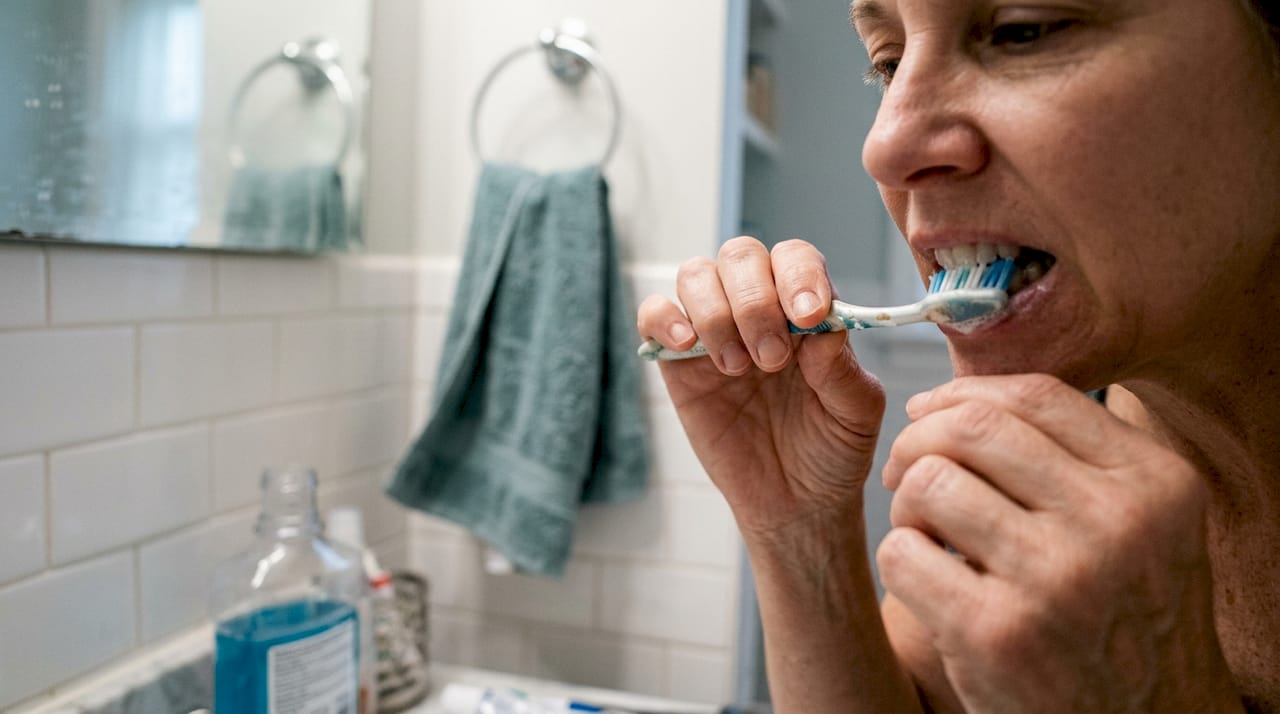
The Modified Bass technique is the most effective toothbrushing method for plaque control. It involves angling the brush at 45 degrees toward the gumline and using short, gentle back-and-forth strokes. Simple scrubbing misses the gumline and can damage enamel over time. Learning effective brushing techniques is a low-effort upgrade with high returns.
| Method | Plaque removal | Ease of use | Time required |
|---|---|---|---|
| Manual brush | Baseline | High | 2 minutes |
| Powered brush | 11 to 21% better | High | 2 minutes |
| Y-Brush sonic | Comparable to powered | Very high | 20 seconds |
| Floss alone | Partial (interproximal) | Moderate | 1 to 2 minutes |
| Interdental brush | Superior to floss | High | 1 to 2 minutes |
A clear daily routine for maximum results
- Use a powered toothbrush with fluoride toothpaste for at least 2 minutes (or 20 seconds with Y-Brush).
- Angle the brush at 45 degrees toward the gumline.
- Clean all surfaces: outer, inner, and chewing.
- Follow with interdental cleaning (floss, interdental brush, or irrigator).
- Rinse with an antibacterial mouthwash if recommended by your dentist.
Pro Tip: Set a timer or use a powered brush with a built-in timer to ensure you’re hitting every zone. Most people underestimate how quickly they rush through brushing.
For those exploring efficient brushing methods, the key insight is that consistency and technique outperform duration alone.
With these methods in mind, let’s clarify how different interdental cleaning tools stack up, especially for those short on time.
Beyond the brush: Interdental cleaning and its impact
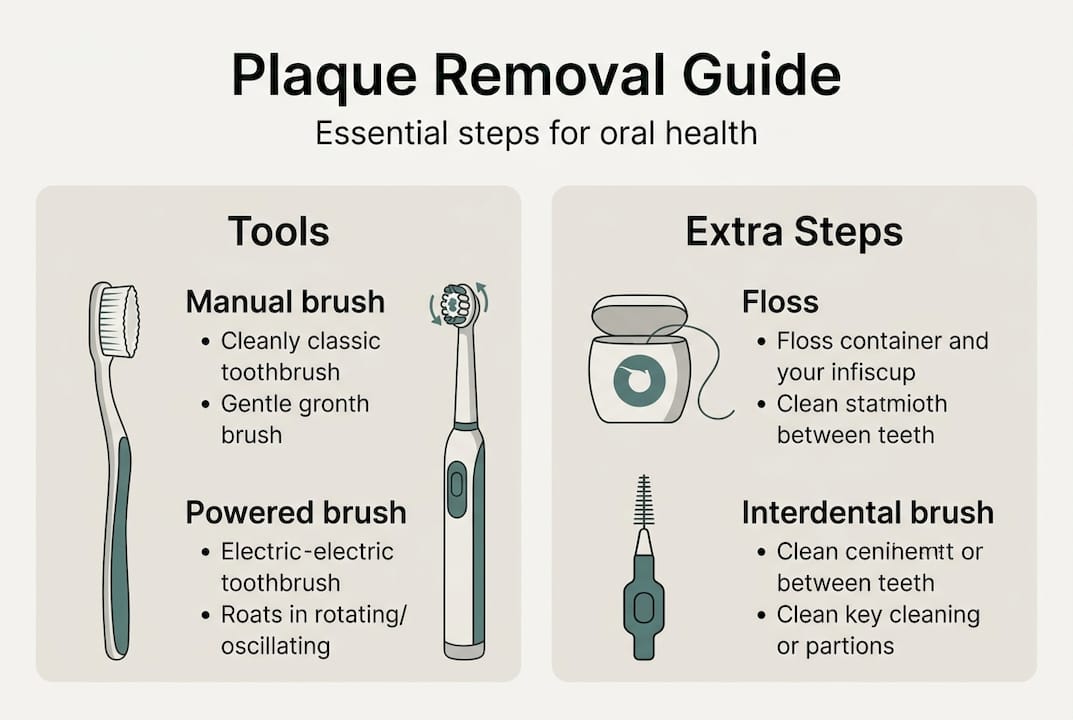
Your toothbrush, no matter how advanced, cannot reach the spaces between your teeth. Those tight gaps account for a significant portion of your total tooth surface, and they’re prime territory for plaque to hide and thrive.
Why between-teeth cleaning is non-negotiable
Skipping interdental cleaning means leaving plaque in areas that are almost guaranteed to develop cavities and gum disease over time. The types of toothbrushes and tools you pair with your brush determine whether you’re getting a complete clean or just a partial one.
| Tool | Best for | Ease | Effectiveness |
|---|---|---|---|
| Dental floss | Tight contacts | Moderate | Moderate |
| Interdental brush | Wider spaces, braces | High | High |
| Oral irrigator | Sensitive gums, implants | High | High |
Interdental brushes are superior to floss for plaque removal, especially in enlarged spaces. And research confirms that flossing is technique-sensitive with limited plaque removal even when done properly, making interdental brushes or irrigators better adjuncts for most people.
Common mistakes with flossing
- Snapping the floss down hard against the gum, causing bleeding and damage.
- Not curving the floss around each tooth in a C-shape.
- Using the same section of floss for multiple teeth.
- Skipping back teeth because they’re harder to reach.
- Flossing too infrequently to make a real difference.
Pro Tip: If you find flossing difficult or uncomfortable, switch to an interdental brush sized for your gaps. Your dentist can recommend the right size at your next visit.
Choosing the right tool depends on your situation. Tight contacts between teeth respond better to floss or thin interdental brushes. Wider spaces, common after gum recession or orthodontic treatment, benefit most from interdental brushes. Oral irrigators are excellent for people with implants, bridges, or sensitive gums. Explore your options through a review of teeth cleaning methods to find what fits your anatomy and lifestyle.
Now that you know how to remove plaque at home, let’s discuss the value of professional cleanings and how they fit into an efficient oral care routine.
The role of professional cleanings in your routine
No matter how diligent your home care is, professional cleanings serve a purpose that self-care simply cannot replicate. A dental hygienist uses specialized instruments to remove tartar that has already hardened onto tooth surfaces, and they can access areas that are nearly impossible to clean at home.
Professional mechanical plaque removal plus oral hygiene instruction is better than no treatment for reducing plaque and bleeding. However, repeated and consistent self-care can achieve results that rival some of the benefits of professional cleanings for healthy adults.
When professional cleanings are essential
- You have visible tartar buildup that brushing cannot remove.
- Your gums bleed regularly or show signs of recession.
- You’ve been diagnosed with gingivitis or periodontitis.
- You wear braces, have implants, or have complex dental work.
- You haven’t had a cleaning in more than 12 months.
For most healthy adults, twice-yearly cleanings are the standard recommendation. But those with active gum disease or high cavity risk may need visits every 3 to 4 months. Your dentist is the best judge of your individual schedule.
Pro Tip: In the days before your dental appointment, be especially thorough with your interdental cleaning. This reduces inflammation and makes the cleaning process faster and more comfortable.
The smartest approach combines both worlds. Strong at-home plaque removal steps reduce the amount of work your hygienist needs to do, and professional cleanings catch what home care misses. Together, they create a complete system for long-term oral health.
After looking at professional and self-care strategies, it’s time for an honest perspective on what really works for time-pressed oral hygiene seekers.
What most people get wrong about plaque removal
Here’s a truth that doesn’t get said enough: the ‘floss every day’ mantra, while well-intentioned, has failed most people. Compliance rates for daily flossing are notoriously low, and the technique required to do it effectively is harder than it looks. Telling people to do something they consistently skip isn’t good advice. It’s just repeated advice.
What actually moves the needle is switching to tools that deliver better results with less effort. Powered toothbrushes and interdental brushes are genuine game-changers for efficiency. They require less technique and produce more consistent outcomes than manual brushing and traditional floss.
The other mistake people make is treating infrequent dental visits as a substitute for daily habits. A cleaning every six months cannot undo 180 days of inadequate brushing. Consistent daily care, even if imperfect, outperforms sporadic perfect sessions every time.
Choice overload is also real. The oral care aisle is overwhelming, and many people end up doing nothing because they can’t decide what’s best. Our honest recommendation: start with a powered brush and one interdental tool. That’s it. Master those before adding anything else. Explore efficient oral care routines that simplify the process without cutting corners on results.
Upgrade your routine with advanced solutions
If the research in this article has made one thing clear, it’s that efficiency and effectiveness are not opposites. You don’t have to spend more time brushing to get better results. You need smarter tools.
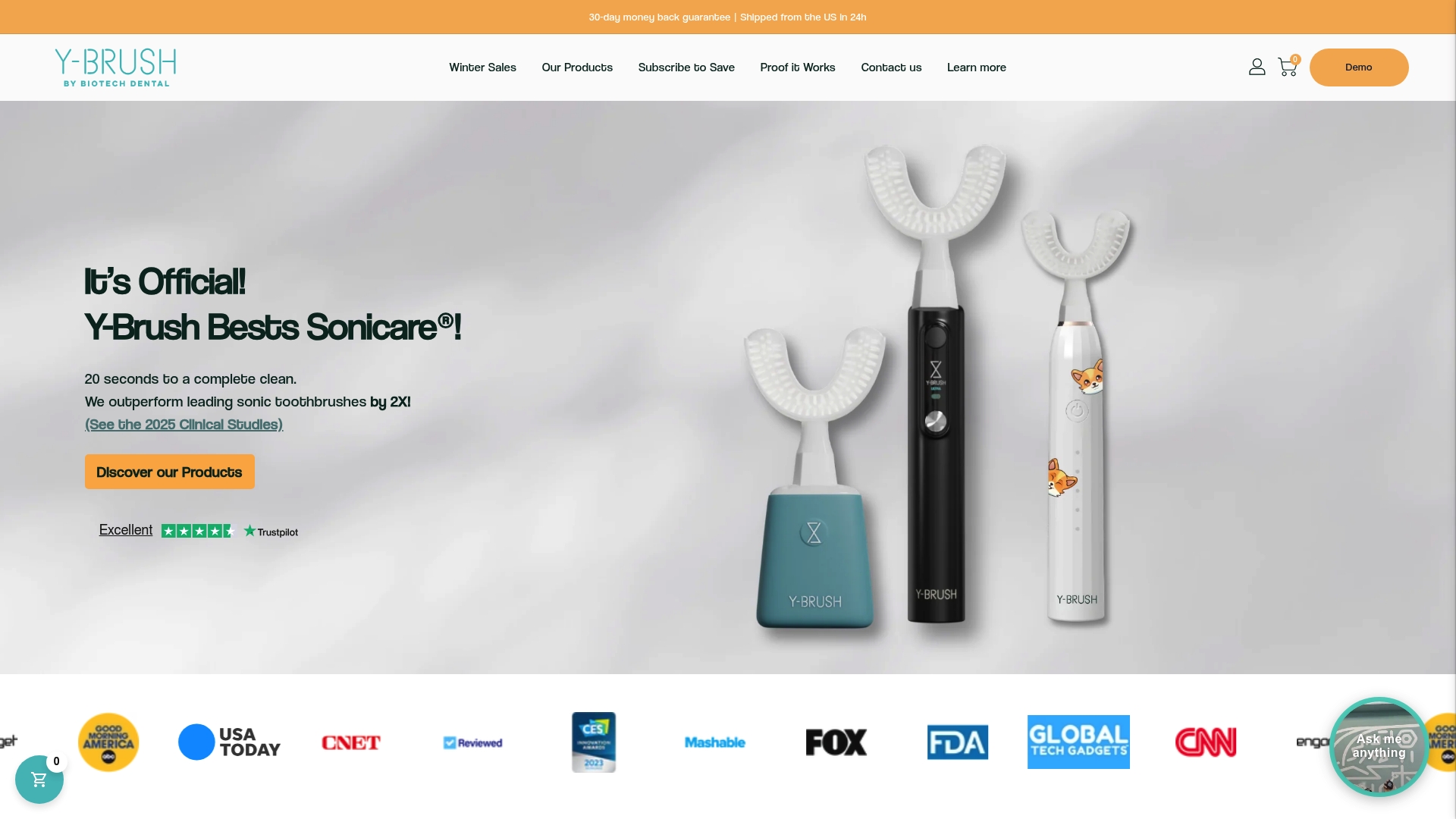
The Y-Brush Essential Sonic Toothbrush is built around exactly this principle. Its full-arch design cleans all tooth surfaces simultaneously in just 20 seconds, delivering the kind of thorough plaque removal that most people never achieve with a standard brush. It’s part of a broader vision for the future of toothbrushing: faster, smarter, and designed around how real people actually live. Browse the full range of Y-Brush solutions and find the option that fits your routine.
Frequently asked questions
What happens if I don’t remove dental plaque regularly?
Plaque hardens into tartar, which can only be removed professionally, and leads to cavities, gum disease, and eventual tooth loss if left untreated.
Are powered toothbrushes really better than manual for plaque removal?
Yes. Powered brushes remove 11 to 21% more plaque and reduce gingivitis more effectively than manual brushes over both short and long-term use.
How often should I have professional dental cleanings?
Most adults benefit from twice-yearly cleanings, though those with gum disease or high cavity risk may need them every 3 to 4 months based on professional plaque removal guidelines.
Is flossing enough to remove all plaque between teeth?
Flossing alone is often insufficient. Interdental brushes outperform floss for plaque removal in most spaces, and oral irrigators are a strong alternative for sensitive gums or complex dental work.


