


TL;DR:
- Many common dental hygiene mistakes, such as brushing too hard or not brushing long enough, cause long-term oral health problems. Proper technique involves gentle, two-minute brushing with interdental cleaning and avoiding habits like rinsing immediately after brushing or using teeth as tools. Consistent daily habits, professional cleanings, and understanding misconceptions are key to maintaining healthy teeth and gums over time.
Dental hygiene mistakes are common errors in daily oral care that directly cause cavities, gum disease, and enamel erosion. Most people believe they brush and floss correctly, yet only about 50% of Americans brush twice daily, and a large share of those still use poor technique. The gap between intention and execution is where real damage happens. This article identifies the most frequent oral care mistakes, explains why each one harms your teeth, and gives you the corrections that actually work.
1. Most common dental hygiene mistakes and their effects
The most damaging dental hygiene mistakes are not dramatic. They are small, repeated errors that compound over months and years into serious problems.
Brushing too hard. Aggressive brushing damages enamel and causes gum recession. The optimal brushing pressure is approximately 2.5 to 3 newtons. That is roughly the pressure of a light handshake. More force does not mean more clean. It means more erosion.
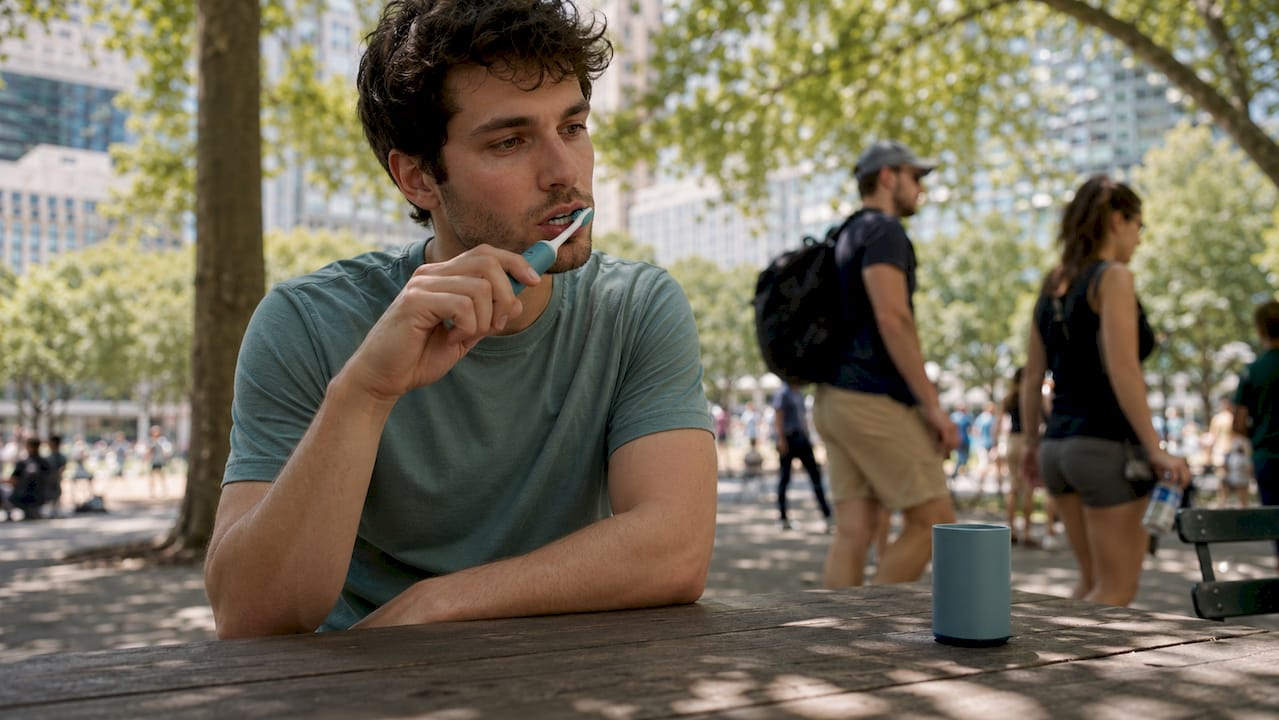
Not brushing long enough. The average person brushes under one minute, well below the recommended two minutes twice daily. Cutting brushing short leaves plaque on the surfaces most prone to decay, including the back molars and the gumline.
Skipping flossing entirely. Brushing cleans about 60% of tooth surfaces. The remaining 40% sits between your teeth where a toothbrush cannot reach. Skipping flossing means nearly half your mouth goes uncleaned every single day.
Using the wrong toothbrush. Hard-bristled brushes accelerate enamel wear. A worn toothbrush with frayed bristles loses its ability to remove plaque effectively. Dentists recommend replacing your toothbrush every three months.
Pro Tip: If your toothbrush bristles splay outward before the three-month mark, you are pressing too hard. Switch to a soft-bristled brush and lighten your grip.
2. How to brush correctly to avoid bad brushing habits
Correct brushing technique removes more plaque than brushing longer with poor form. The angle, motion, and timing all matter.
- Angle the brush at 45 degrees toward the gumline. This position lets the bristles reach just beneath the gum where plaque accumulates first.
- Use gentle circular or short back-and-forth strokes. Avoid long horizontal scrubbing, which wears enamel unevenly.
- Brush for a full two minutes. Divide your mouth into four quadrants and spend 30 seconds on each. A brushing frequency guide from Y-brush explains how consistent timing improves plaque removal outcomes.
- Do not rinse with water immediately after brushing. Rinsing right after brushing washes away fluoride, reducing its enamel-protecting benefit. Spit out the excess toothpaste and leave the residue on your teeth.
- Wait 20–30 minutes after acidic food or drink before brushing. Acids temporarily soften enamel. Brushing too soon causes accelerated enamel erosion from mechanical abrasion on softened surfaces.
Pro Tip: Use a timer or a toothbrush with a built-in two-minute timer. Most people dramatically underestimate how long two minutes actually feels.
Electric toothbrushes outperform manual ones by maintaining consistent pressure and providing better access to the gumline. They remove the guesswork from technique. For a deeper look at brushing techniques for optimal oral health, Y-brush has published expert-backed guidance worth reviewing.
3. Why skipping interdental cleaning is a serious flossing mistake
Brushing alone is not a complete oral care routine. It never has been.
Brushing covers roughly 60% of tooth surfaces. The spaces between teeth and just below the gumline account for the other 40%. That is where cavities and gum inflammation most often begin. Skipping interdental cleaning means you are leaving the highest-risk zones untouched.
Proper interdental cleaning includes:
- Dental floss for tight spaces between teeth. Use a clean section of floss for each gap and curve it around each tooth in a C-shape rather than snapping it straight down.
- Interdental brushes (such as those from GUM or TePe) for wider gaps or people with braces or dental work. These small brushes clean surfaces floss cannot reach.
- Tongue scraping or brushing. The tongue harbors bacteria that cause bad breath and reintroduce microbes to freshly cleaned teeth. A tongue scraper removes far more bacteria than brushing the tongue with a toothbrush.
For a full breakdown of why flossing matters for long-term gum health, Y-brush covers the clinical reasoning in detail. The short version: gum inflammation caused by skipped flossing is one of the leading drivers of tooth loss in adults.
4. Daily habits that damage your teeth beyond brushing
Some of the most destructive dental care pitfalls have nothing to do with your toothbrush. They are habits most people do not even recognize as harmful.
“Using your teeth as tools is one of the most preventable causes of serious dental damage. A single incident can create a fracture that requires a crown or root canal.” — Real Simple, citing dentist interviews
Using teeth to open packages or bottles. This habit causes micro-fractures in enamel that worsen over time. Those fractures can eventually require crowns or root canals. Scissors and bottle openers exist for a reason.
Overusing whitening toothpaste. Whitening toothpastes contain abrasives that brighten teeth by polishing the surface. Daily use of high-abrasion formulas increases tooth sensitivity and wears enamel over time. Use whitening toothpaste two to three times per week at most, not as your daily paste.
Misusing mouthwash. Mouthwash is an adjunct to brushing and flossing, not a substitute. Using it immediately after brushing also removes the fluoride you just applied to your teeth. Use mouthwash at a separate time, such as after lunch, to get the antibacterial benefit without sacrificing fluoride protection.
Brushing right after coffee or citrus. Acidic drinks lower the pH in your mouth and temporarily soften enamel. Brushing within 20–30 minutes of drinking coffee, orange juice, or soda grinds that softened enamel away. Rinse with water first, then wait before brushing.
A daily oral hygiene routine that accounts for these timing and habit factors produces measurably better outcomes than brushing alone.
5. Misconceptions about oral health that keep mistakes in place
Many oral care mistakes persist because of widely held misconceptions that sound reasonable but are simply wrong.
“Bleeding gums mean I’m brushing too hard.” Bleeding gums are usually a sign of gum inflammation caused by plaque buildup, not excessive pressure. The fix is better flossing and interdental cleaning, not softer brushing.
“Mouthwash replaces flossing.” Mouthwash reaches surfaces floss cannot, but it cannot physically remove the plaque film between teeth. Liquid cannot dislodge biofilm the way mechanical cleaning does.
“Whiter teeth mean healthier teeth.” Tooth color is largely genetic and influenced by diet. White teeth can still have cavities or gum disease. Enamel health and color are not the same thing.
“I only need to see a dentist when something hurts.” Ignoring regular dental visits is one of the most costly oral care mistakes a person can make. Cavities and gum disease are often painless until they become serious. Professional cleanings remove tartar that no toothbrush or floss can address. Dental cleanings prevent disease and catch problems before they require expensive intervention.
“Children’s teeth don’t matter because they fall out.” Baby teeth hold space for permanent teeth and affect speech development. Cavities in baby teeth cause pain and can affect the development of adult teeth beneath them.
6. How to improve dental hygiene with consistent daily habits
Improving your oral health does not require a complete overhaul. It requires fixing a few specific behaviors and sticking with them.
Start with timing. Brush for two full minutes, twice a day, using a soft-bristled brush or an electric toothbrush. The two-minute brushing standard exists because research shows it takes that long to adequately cover all tooth surfaces. Floss once daily, ideally before your evening brush so loosened debris gets cleared away.
Replace your toothbrush every three months. Use fluoride toothpaste and do not rinse immediately after brushing. Add tongue cleaning to your morning routine. These changes take less than five minutes total and address the majority of common dental errors that lead to decay and gum disease.
Schedule professional cleanings twice a year. No home routine fully replaces what a dental hygienist can do. Tartar buildup requires professional tools to remove, and early-stage cavities are only detectable with clinical examination. Consistent professional care is the safety net that catches what daily habits miss.
Key takeaways
Correcting dental hygiene mistakes requires fixing brushing technique, adding interdental cleaning, and eliminating damaging daily habits before they compound into serious dental problems.
| Point | Details |
|---|---|
| Brush for two full minutes | The average person brushes under one minute, leaving plaque on high-risk surfaces. |
| Add interdental cleaning daily | Brushing covers only 60% of tooth surfaces; flossing addresses the remaining 40%. |
| Avoid brushing after acidic intake | Wait 20–30 minutes after acidic food or drink to prevent enamel erosion. |
| Do not rinse after brushing | Rinsing removes fluoride before it can protect and remineralize enamel. |
| See a dentist twice a year | Professional cleanings remove tartar and catch decay before it becomes costly. |
My honest take on why these mistakes are so hard to break
I have spent years paying attention to how people actually approach oral care, and the pattern is consistent. Most people know the rules. They know two minutes is the standard. They know flossing matters. They do it anyway for about 45 seconds and skip the floss three nights out of five.
The problem is not knowledge. It is friction. Brushing feels done before the two minutes are up. Flossing feels optional when you are tired. These habits are hard to change not because they are complicated but because the consequences are invisible for years. You do not feel a cavity forming. You do not notice gum recession until it is significant.
What actually works, in my experience, is reducing the friction rather than adding willpower. An electric toothbrush with a built-in timer removes the guesswork. Keeping floss on the bathroom counter instead of in a drawer removes the barrier. Scheduling dental appointments in advance removes the tendency to delay.
The other thing worth saying directly: the habits covered in this article are not obscure. Brushing at 45 degrees, waiting after acidic drinks, not rinsing after brushing. These are small adjustments. But most people have never been told them clearly. Once you know them, there is no reason not to apply them. The payoff is real and it compounds over time, just like the damage does when you ignore them.
— Joris
How Y-brush helps you brush right every time
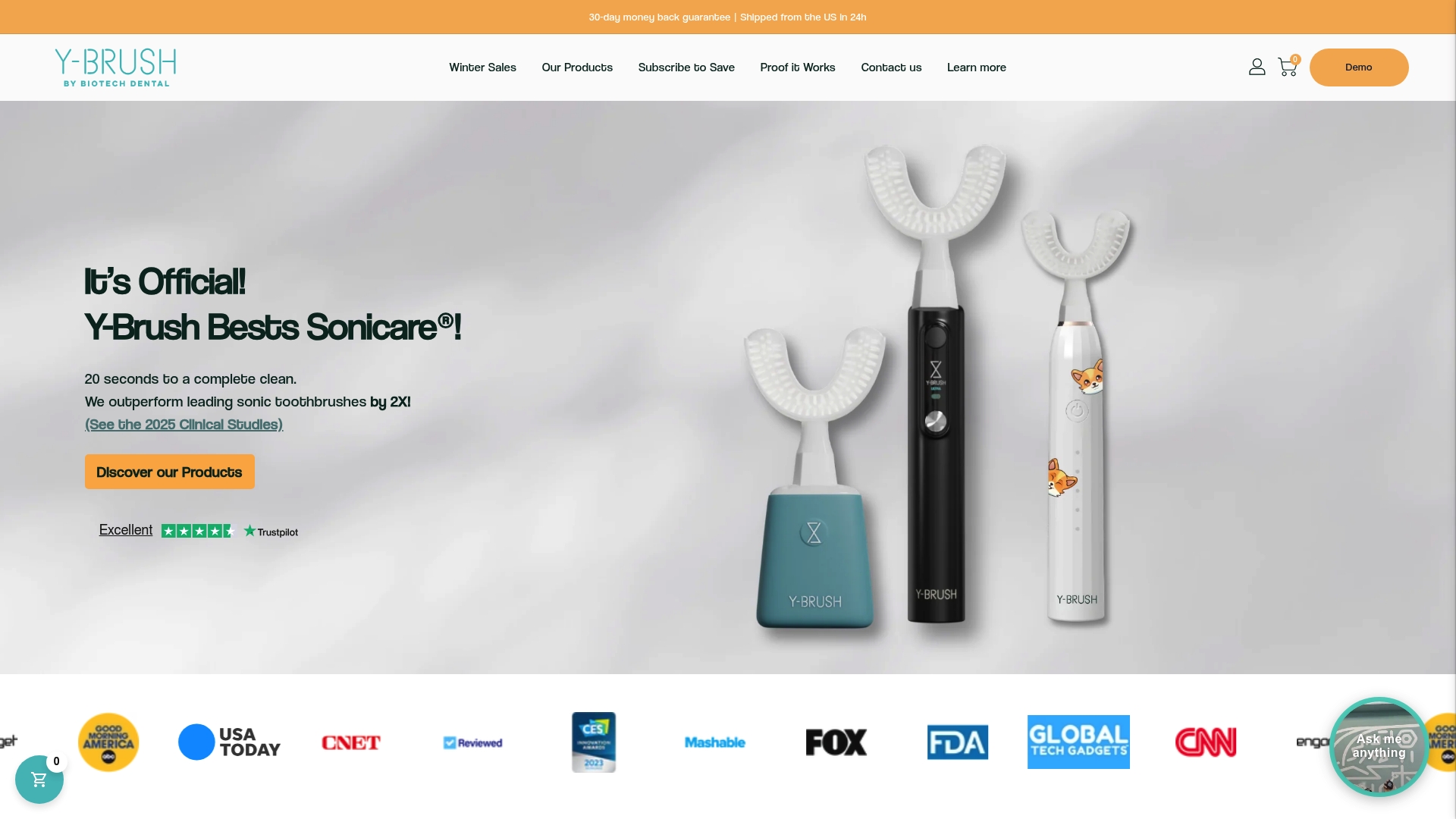
Knowing the correct technique is one thing. Executing it consistently every day is another. Y-brush was built specifically for that gap. The Y-brush Essential Sonic Toothbrush delivers a thorough clean in just 20 seconds, using a full-arch design that covers all tooth surfaces simultaneously with gentle sonic vibration. For those who want more, the Y-brush Ultra Sonic Toothbrush adds advanced sonic frequency for deeper plaque removal. Both models take the pressure off perfect technique and make consistent, effective brushing something you can actually maintain every day.
FAQ
How long should you brush your teeth?
The recommended brushing duration is two minutes, twice daily. Most people brush for under one minute, which leaves plaque on back teeth and the gumline.
Is it bad to rinse after brushing?
Yes. Rinsing with water immediately after brushing removes fluoride before it can protect your enamel. Spit out excess toothpaste and leave the residue on your teeth.
Why do my gums bleed when I floss?
Bleeding gums during flossing usually indicate gum inflammation caused by plaque buildup between teeth, not flossing too hard. Consistent daily flossing typically resolves the bleeding within one to two weeks.
Can mouthwash replace flossing?
No. Mouthwash cannot physically remove the plaque film between teeth. It works as a complement to brushing and flossing, not as a replacement for either.
How often should you replace your toothbrush?
Replace your toothbrush every three months, or sooner if the bristles are frayed. Worn bristles lose their ability to remove plaque effectively from tooth surfaces and the gumline.


