


TL;DR:
- Proper oral health care in children includes early intervention, consistent routines, and professional guidance to prevent common issues like tooth decay and misalignment. Establishing good habits from infancy through childhood promotes lifelong healthy teeth, gums, and overall systemic health. Parental involvement, fluoride use, and regular dental visits are essential for maintaining optimal oral hygiene and avoiding costly future treatments.
Oral health for kids is defined as the condition of a child’s teeth, gums, and oral tissues working together to support chewing, speech, and overall physical development. Dental caries, the clinical term for tooth decay, is the most common chronic childhood disease in the U.S., affecting 23% of children aged 2–5 and over 50% by age 8. Those numbers mean more than half of school-age children carry untreated decay into their early years. The American Academy of Pediatrics (AAP) and the American Academy of Pediatric Dentistry (AAPD) both treat early intervention as the standard of care, not an optional extra.
What is oral health for kids and why does it matter?
Children’s dental health covers far more than clean teeth. It includes the health of gums, soft tissues, jaw development, and the habits that protect all of those structures over time. A child’s mouth is the entry point for nutrition, the tool for forming sounds, and a direct window into systemic health.
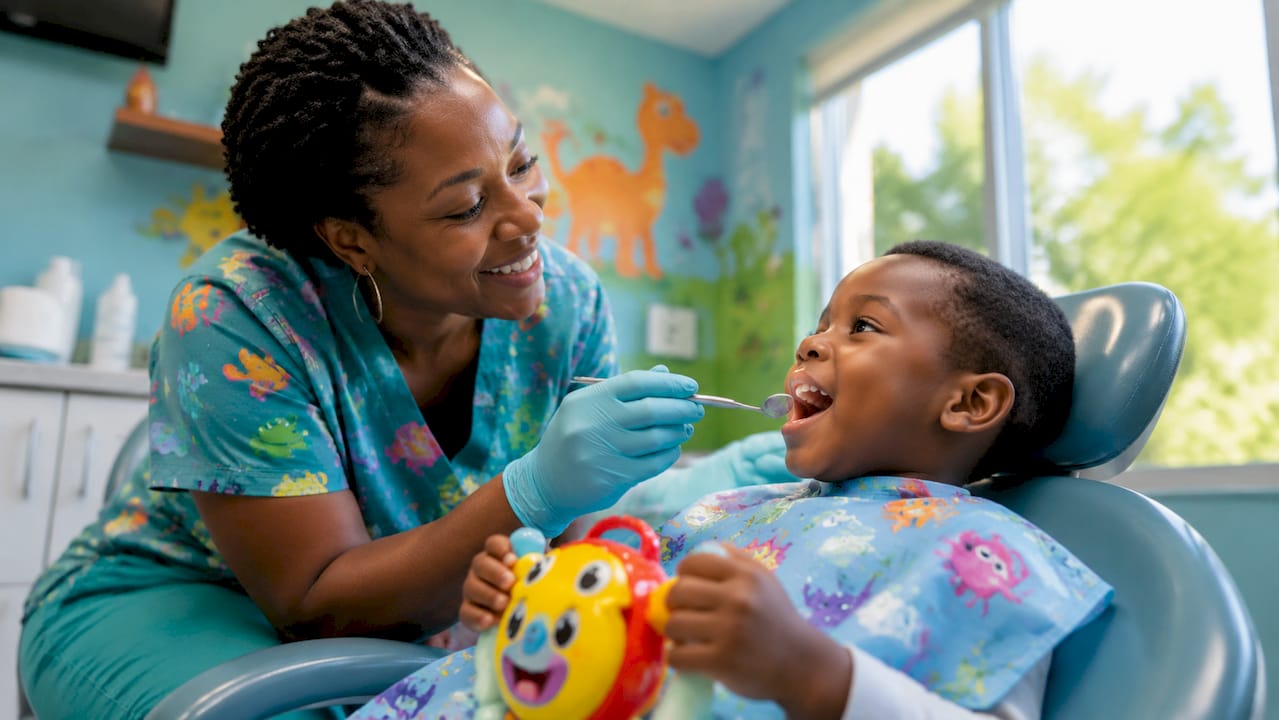
Baby teeth serve as space-holders for permanent teeth and are essential for proper speech and chewing. Losing them too early through decay or infection disrupts the alignment of adult teeth and can create costly orthodontic problems later. This is the core reason the importance of oral hygiene for kids starts well before the first permanent tooth appears.
Untreated decay also carries risks beyond the mouth. Early childhood caries link to growth delays, systemic inflammation, and nutritional deficiencies. A child in pain from a toothache eats less, sleeps poorly, and misses school. The mouth and the body are not separate systems.
What contributes to good oral health in children?
Strong children’s dental health rests on four pillars: daily brushing, flossing, fluoride use, and routine professional care. Each one addresses a different vulnerability in a child’s developing mouth.
Daily brushing: frequency, duration, and technique
- Brush twice daily, morning and before bed, for a full 2 minutes each session.
- Children aged 3 and older should use a pea-sized amount of fluoride toothpaste containing 1,350–1,500 ppm fluoride.
- Use a soft-bristled toothbrush sized for the child’s mouth. Replace it every 3 months.
- Parents should assist with brushing until around age 8, when children develop the fine motor control to brush effectively on their own.
- For children under 3, use a smear of fluoride toothpaste the size of a grain of rice.
Pro Tip: Set a two-minute timer or play a short song during brushing. Children who associate brushing with a familiar routine are far more likely to maintain it without resistance.
Flossing, fluoride, and the dental home
Flossing should begin as soon as two teeth touch, regardless of the child’s age. Toothbrush bristles cannot reach the tight spaces between teeth, and that is exactly where early decay starts. Floss picks designed for small hands make this step manageable for parents of toddlers.
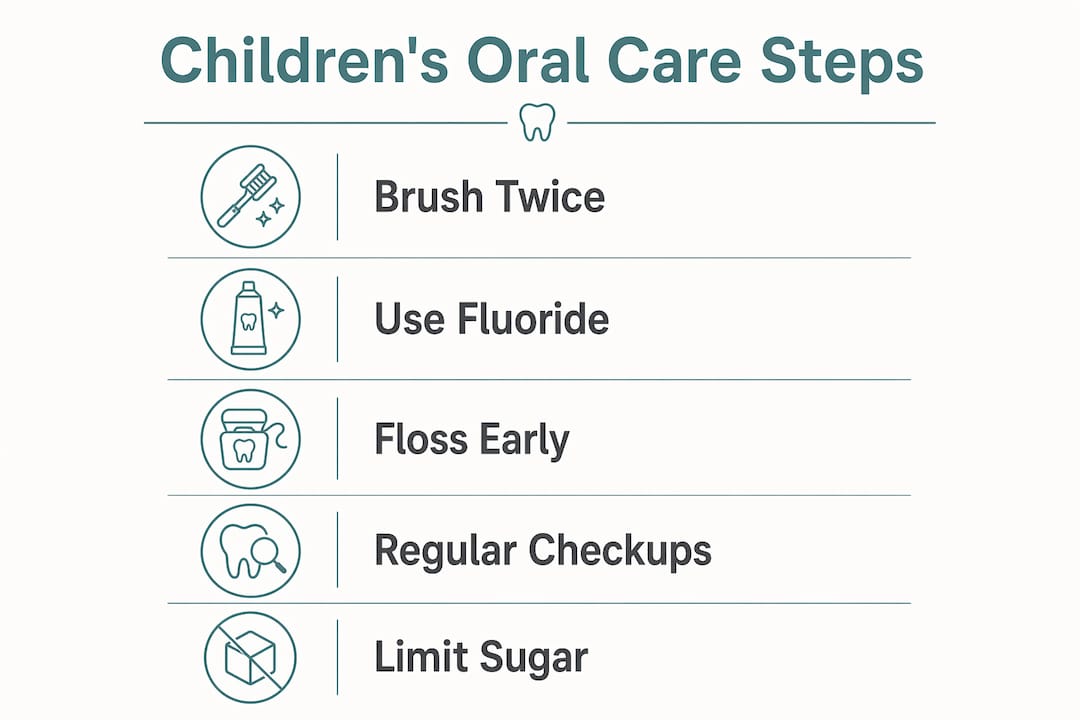
Fluoride varnish applied by a dental professional adds another layer of protection. The AAP recommends fluoride varnish every 6 months for most children and every 3 months for those at high cavity risk, continuing until age 5. This is especially valuable when access to regular dental care is limited.
Establishing a dental home by the child’s first birthday is the standard recommendation from both the AAP and AAPD. That first visit is not about drilling or filling. It is about building a relationship, assessing development, and giving parents personalized guidance on diet and habits.
What are common oral health challenges kids face?
The most common challenge in children’s dental health is dental caries, but it is far from the only one. Understanding the full range of risks helps parents act before problems become serious.
| Challenge | Age Group Most Affected | Key Prevention Strategy |
|---|---|---|
| Dental caries (tooth decay) | Ages 2–8 | Fluoride toothpaste, fluoride varnish, diet control |
| Early childhood caries (baby bottle decay) | Ages 0–3 | Avoid sugary drinks in bottles, wipe gums after feeding |
| Gum inflammation (gingivitis) | Ages 6–12 | Consistent brushing and flossing technique |
| Misalignment from habits | Ages 2–5 | Limit pacifier use and thumb sucking after age 3 |
| Increased decay risk in special needs children | All ages | Adapted routines, more frequent dental visits |
Dental caries affects over 50% of children by age 8. That statistic reflects a preventable crisis, not an inevitable one. The primary drivers are frequent sugar exposure, inadequate brushing, and delayed dental visits.
The myth that baby teeth do not require care because they fall out anyway is one of the most damaging misconceptions in pediatric oral health. Untreated decay in primary teeth causes pain, spreads infection, and disrupts the path of incoming permanent teeth. Untreated caries can cause systemic effects including growth delays and nutritional deficits when a child avoids eating due to pain.
Pro Tip: Limit juice to 4 ounces per day for children aged 1–3 and 4–6 ounces for ages 4–6. The American Academy of Pediatrics recommends no juice at all for infants under 12 months. Sugary drinks are one of the top contributors to early childhood caries.
For more detail on managing childhood cavities, the Y-brush guide on early childhood tooth decay covers prevention and treatment options clearly.
At what ages should parents guide kids through oral hygiene?
Age-specific guidance removes the guesswork from children’s dental health routines. Here is a practical timeline every parent can follow:
- Birth to first tooth: Wipe the gums with a clean, damp cloth after feedings. This removes bacteria and gets the baby used to mouth cleaning before teeth arrive.
- First tooth eruption: Begin brushing immediately with a soft infant toothbrush and a rice-grain smear of fluoride toothpaste. Schedule the first dental visit by age 1 or within 6 months of the first tooth.
- Ages 2–3: Transition to a pea-sized amount of fluoride toothpaste. Begin flossing as soon as any two teeth are touching. Parents should do the brushing at this stage, not supervise from a distance.
- Ages 3–6: Teach children to spit after brushing, not swallow. Let them hold the toothbrush and practice, but always finish with a thorough parent-led brush. Dental visits every 6 months are the standard schedule.
- Ages 6–8: Children can begin brushing more independently, but parental oversight remains important. Parental assistance is recommended until around age 8 to ensure technique is effective. This is also when the first permanent molars arrive and need immediate attention.
- Ages 8–12: Children should brush and floss independently, but parents should check in regularly. School-age children face new risks from sports injuries, orthodontic appliances, and increased snacking.
Early dental visits for infants are designed to be low-stress and focus on parental education, covering habits like thumb sucking and pacifier use that directly affect oral development. These visits set the tone for a child’s long-term relationship with dental care.
Children with sensory processing differences or special needs may require adapted routines. Food pouching, a behavior where food is held in the cheeks rather than swallowed, significantly increases cavity risk and requires extra vigilance. Pediatric dentists experienced with special needs patients can tailor care plans accordingly.
How do you build lifelong healthy oral habits in kids?
The habits children form before age 10 tend to stick. Making oral care a positive, consistent part of daily life is the most reliable way to protect their teeth long term.
- Model the behavior. Children who see parents brush and floss regularly are significantly more likely to do the same. Brush together as a family whenever possible.
- Use positive reinforcement. Sticker charts, small rewards, and verbal praise after brushing sessions build positive associations without creating pressure or fear.
- Choose the right tools. Kid-friendly toothbrushes with soft bristles, appealing colors, and comfortable handles reduce resistance. Electric toothbrushes designed for children can improve plaque removal and make brushing feel less like a chore. The Y-brush guide to electric toothbrushes for kids explains how to choose the right option by age.
- Address pacifier and thumb-sucking habits. Both are normal in infancy but should be phased out by age 3. Prolonged use affects jaw shape and tooth alignment. Dentists can offer strategies to help children stop without stress.
- Keep sugar exposure limited and predictable. Frequent small doses of sugar throughout the day are more damaging than a single larger serving. Structured snack times reduce the number of acid attacks on enamel each day.
- Avoid negative dental framing. Never use dental visits as a threat or describe procedures as painful. Children who develop dental anxiety early often avoid care as adults, compounding problems over decades.
For parents building a complete routine, the Y-brush resource on dental hygiene routines for kids offers practical structure from infancy through the preteen years.
Key takeaways
Children’s dental health depends on consistent daily habits, early professional care, and fluoride protection starting from the very first tooth.
| Point | Details |
|---|---|
| Start care at the first tooth | Begin brushing with fluoride toothpaste at first eruption and schedule a dental visit by age 1. |
| Floss earlier than most parents think | Start flossing as soon as any two teeth touch, even in toddlers. |
| Baby teeth require full care | Primary teeth guide speech, nutrition, and permanent tooth alignment. Decay in them has real consequences. |
| Fluoride varnish is a proven preventive tool | Apply every 6 months, or every 3 months for high-risk children, until age 5. |
| Parental involvement matters through age 8 | Children lack the motor skills for effective independent brushing until around age 8. |
What i’ve learned after years of watching parents underestimate baby teeth
The single most common mistake I see is parents treating baby teeth as temporary and therefore unimportant. The logic sounds reasonable: they fall out anyway, so why invest heavily in caring for them? The reality is the opposite of that reasoning.
A child who loses a primary molar to decay at age 4 loses the space-holder for the permanent tooth that will not arrive for another 6 or 7 years. The neighboring teeth drift. The permanent tooth erupts crooked. Orthodontic treatment follows. What started as a “temporary” baby tooth problem becomes a multi-year, expensive correction.
The other pattern I find genuinely underappreciated is how much the first dental visit matters, not for the child’s teeth, but for the parent’s education. Dentists who see infants are not looking for cavities. They are assessing feeding habits, pacifier use, and fluoride exposure, and they are giving parents a personalized roadmap. Parents who skip that first visit often spend the next few years making preventable mistakes.
My honest recommendation: treat oral care for children with the same seriousness you give nutrition and sleep. The mouth is not a separate system. What happens there affects growth, learning, and long-term health in ways that are well documented and still underestimated by most families.
— Joris
Give your child a head start with Y-brush
Building strong oral health habits is easier when children actually enjoy brushing. Y-brush designed the KidsBrush Sonic Electric Toothbrush specifically for children aged 4–12, delivering thorough plaque removal in a format kids find engaging and parents find practical. Its full-mouth design means no missed spots and no battles over brushing time.
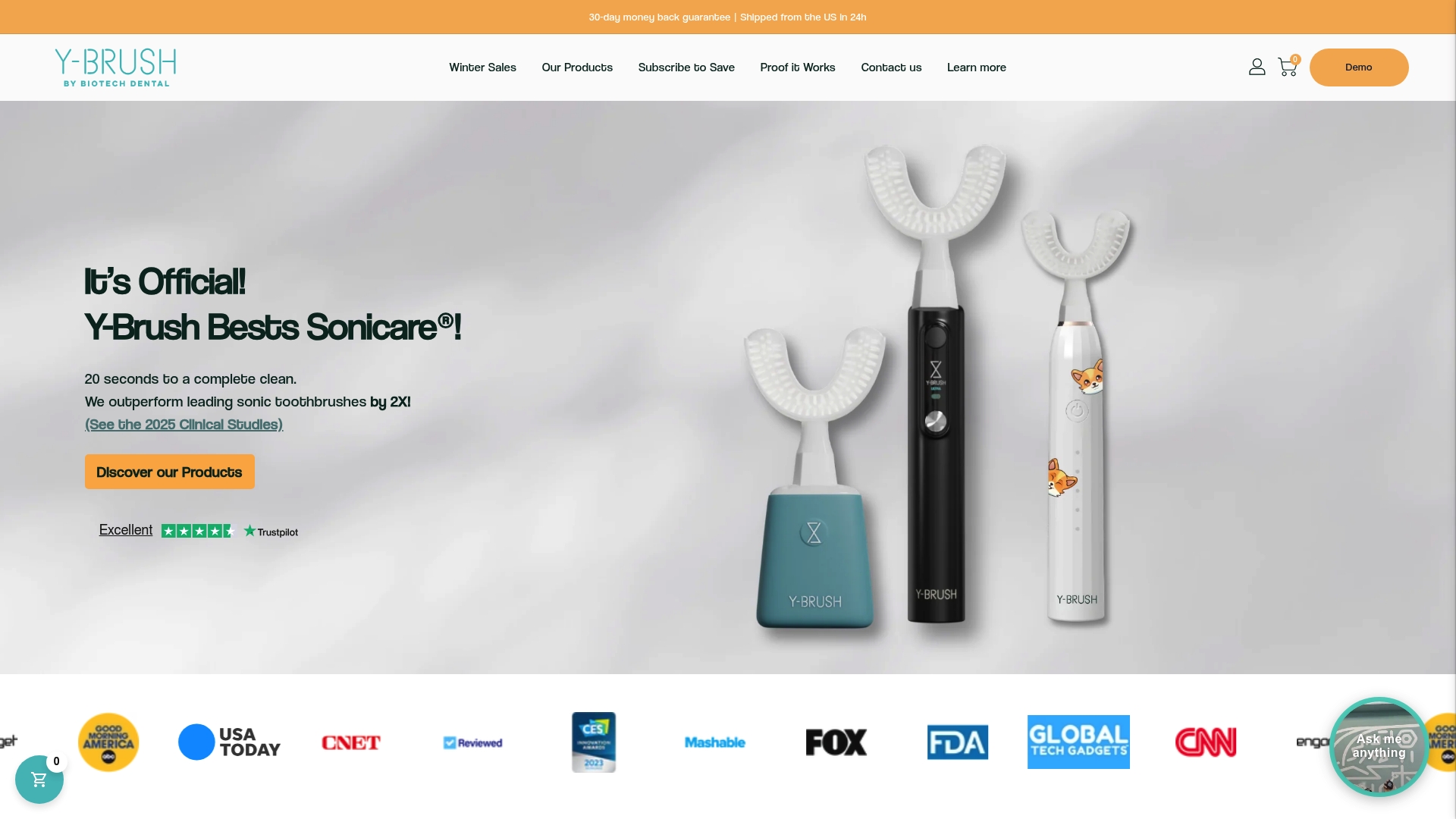
For families who want to build consistent, effective routines from the start, Y-brush makes it straightforward. Pair the KidsBrush with the fluoride toothpaste guidance and age-specific tips in this article, and you have a complete daily system. You can also explore the full range of Y-brush oral care products to find the right fit for every member of the family.
FAQ
When should a child have their first dental visit?
The AAP and AAPD recommend the first dental visit by age 1 or within 6 months of the first tooth erupting. Early visits focus on parental education, not treatment.
How much toothpaste should kids use?
Children under 3 should use a rice-grain smear of fluoride toothpaste. Children aged 3 and older should use a pea-sized amount containing 1,350–1,500 ppm fluoride.
Are baby teeth really worth protecting?
Yes. Baby teeth hold space for permanent teeth, support proper speech, and enable healthy chewing. Decay in primary teeth can cause pain, infection, and misalignment of adult teeth.
When should kids start flossing?
Flossing should begin as soon as any two teeth touch, regardless of the child’s age. Toothbrush bristles cannot clean between teeth, making flossing a necessary addition to brushing.
What are the signs of dental issues in kids?
Watch for white spots or brown discoloration on teeth, complaints of tooth pain or sensitivity, swollen gums, bad breath that persists after brushing, and visible holes or pits in tooth surfaces. Any of these warrants a prompt dental visit.


