


TL;DR:
- Maintaining a healthy smile requires consistent daily habits like proper brushing, flossing, and professional cleanings. Regular dental visits and mindful nutrition help prevent gum disease, cavities, and systemic health issues. Building a routine based on proven techniques supports long-term oral and overall health.
A healthy smile checklist is a set of proven daily and periodic habits designed to keep your teeth and gums clean, protected, and functioning at their best. Think of it as your personal oral health checklist, covering everything from brushing technique to professional dental visits. The Cleveland Clinic, dental experts, and 2026 preventive care guidelines all confirm the same core pillars: consistent brushing, daily flossing, smart dietary choices, and regular professional cleanings. Follow these steps and you protect not just your teeth, but your overall health.
1. brush twice daily with the right technique
Brushing twice daily with a soft-bristled toothbrush prevents enamel damage and gum recession. The technique matters as much as the frequency. Divide your mouth into four quadrants and spend 30 seconds on each, reaching every surface of every tooth.

Angling the brush at 45 degrees targets the gum sulcus, the narrow groove where bacteria accumulate and cause gum disease. Brushing flat against the teeth misses this critical zone entirely. Most people skip it without realizing it.
Two full minutes is the clinical standard, yet research shows 90% of people brush for under one minute. That gap is where plaque survives and problems start.
Pro Tip: Use an electric toothbrush with a built-in two-minute timer. The timer removes guesswork and keeps you consistent, especially during rushed mornings.
2. floss once daily, before bed
Flossing daily removes about 40% of plaque that brushing misses entirely. That is nearly half the bacteria in your mouth going untouched if you skip this step. Bedtime is the best time because saliva flow decreases overnight, leaving teeth more vulnerable to acid.
Use approximately 18 inches of floss so you have a clean section for each gap. Wind the excess around your middle fingers and guide the floss with your index fingers for control.
Pro Tip: Wrap the floss in a C-shape around each tooth and slide it gently under the gumline. Avoid a sawing motion, which can damage gum tissue. The C-shape technique maximizes plaque removal while protecting the gums.
3. clean your tongue and use mouthwash strategically
The tongue harbors bacteria that cause bad breath and contribute to plaque formation. Scraping or brushing the tongue after brushing your teeth removes this bacterial layer. A dedicated tongue scraper works more effectively than a toothbrush for this purpose.
Mouthwash adds a layer of antimicrobial protection, but timing matters. Using mouthwash separately from brushing preserves the fluoride coating left by toothpaste. Rinsing immediately after brushing washes that fluoride away before it can strengthen enamel.
Use an alcohol-free, fluoride mouthwash at a different time of day, such as after lunch, for the best results.
4. schedule professional cleanings every six months
Professional dental cleanings every six months remove tartar that brushing and flossing cannot reach. Tartar is hardened plaque that bonds to enamel and can only be removed with professional tools. Leaving it in place accelerates gum disease.
Some patients with rapid plaque buildup or existing gum disease need visits every 3–4 months. Your dentist determines the right frequency based on your individual risk profile. Accepting that schedule is one of the most direct investments in long-term oral health.
Pro Tip: Book your next appointment before leaving the dental office. Most practices allow scheduling six months out, and having a confirmed date removes the friction of remembering to call.
5. get routine dental exams for early detection
Routine dental exams detect early signs of gum disease, cavities, and oral cancer before they become serious. Early-stage cavities require simple fillings. Untreated, they progress to root canals or extractions. The cost difference is significant.
Exams also monitor changes in bone density, bite alignment, and soft tissue health. Your dentist sees patterns over time that you cannot observe at home. That professional oversight is what separates a reactive approach from a truly preventive one.
Preventive care is not just for children. Adults require lifelong professional dental oversight because oral health changes with age, medications, and systemic conditions.
6. limit sugar frequency, not just quantity
Acid attacks from sugar last 20 minutes after each exposure. Eating one large dessert creates one 20-minute acid attack. Sipping a sugary drink over two hours creates a near-continuous acid environment. Frequency is the real enemy of enamel.
Rinsing with water immediately after eating or drinking something sugary neutralizes pH and shortens the acid window. This single habit reduces enamel erosion risk without requiring you to eliminate sugar entirely.
Limiting sugar to mealtimes rather than snacking throughout the day is one of the most effective and underused daily dental care tips available.
7. eat foods that support oral health
- Crunchy fruits and vegetables like apples, celery, and carrots mechanically scrub plaque and stimulate saliva flow, which naturally neutralizes acids.
- Dairy products such as cheese and plain yogurt provide calcium and phosphate that remineralize enamel.
- Water is the best beverage for teeth. Fluoridated tap water delivers trace fluoride with every sip.
- Leafy greens like spinach and kale supply calcium and folic acid, both of which support gum tissue health.
Saliva is the mouth’s natural defense system. Foods that stimulate its production actively protect your teeth between brushing sessions.
8. recognize what healthy gums look like
Healthy gums are firm and pink and do not bleed during normal brushing or flossing. Bleeding gums signal gingivitis, the earliest stage of gum disease. Gingivitis is reversible with improved technique and professional care, but only if caught early.
Swelling, redness, or persistent bad breath are also warning signs. These symptoms indicate bacterial activity below the gumline that daily brushing cannot address alone. A healthy gums checklist includes checking for these signs monthly.
The mouth functions as a gateway to systemic health. Oral bacteria linked to gum disease have been associated with cardiovascular disease and cognitive decline. Protecting your gums protects far more than your smile.
9. avoid habits that damage teeth
Several common behaviors accelerate tooth wear and increase fracture risk:
- Nail biting transfers bacteria from fingers to mouth and chips enamel edges over time.
- Chewing ice creates micro-fractures in enamel that worsen with each episode.
- Using teeth as tools to open packages or bottles applies lateral force that teeth are not designed to handle.
- Grinding or clenching at night wears enamel flat. A custom night guard from your dentist prevents this damage.
- Smoking or vaping reduces blood flow to gum tissue, slowing healing and masking signs of disease.
Eliminating even one or two of these habits produces measurable improvements in tooth longevity.
10. compare your home care tools
Not all oral care tools deliver the same results. This comparison covers the most common options:
| Tool | Best Use | Limitation |
|---|---|---|
| Manual toothbrush | Budget-friendly daily brushing | Requires precise technique for full coverage |
| Electric toothbrush | Consistent two-minute brushing with timer | Higher upfront cost |
| String floss | Disrupting plaque biofilm between teeth | Requires proper C-shape technique |
| Water flosser | Rinsing debris and supporting gum health | Does not replace string floss for plaque removal |
| Tongue scraper | Removing bacteria from tongue surface | Single-purpose tool |
String floss remains the gold standard for disrupting plaque biofilm. Water flossers are a useful supplement, particularly for people with braces or bridges, but the mechanical friction of string floss cannot be replicated by water pressure alone.
Pro Tip: If you struggle with traditional flossing, try floss picks or interdental brushes as a bridge to building the habit. Once the habit is established, transition to string floss for maximum effectiveness.
Key takeaways
A complete oral health checklist built on daily brushing, flossing, smart nutrition, and professional care is the most reliable path to long-term dental and systemic health.
| Point | Details |
|---|---|
| Brush with technique, not just frequency | Use a 45-degree angle and two full minutes to reach the gumline where bacteria hide. |
| Floss before bed, every night | Daily flossing removes 40% of plaque that brushing misses, especially critical overnight. |
| Professional cleanings are non-negotiable | Every six months removes tartar and catches early disease before it becomes costly. |
| Sugar frequency beats sugar quantity | Limit exposures throughout the day, not just total intake, to protect enamel from acid attacks. |
| Healthy gums signal systemic health | Firm, pink, non-bleeding gums indicate low bacterial load and reduced cardiovascular risk. |
Why i think most people underestimate the checklist approach
After years of studying oral health research and working alongside dental professionals, the pattern is clear: most people treat their oral care routine as a box to check rather than a system to maintain. They brush. Sometimes they floss. They show up to the dentist when something hurts. That reactive approach is exactly how small problems become expensive ones.
Preventive cleanings cost a fraction of what root canals or crowns cost. The math is not complicated. What is complicated is building the consistency to show up for your teeth before they demand attention.
The detail that surprises most people is the systemic connection. The mouth is not isolated from the rest of the body. Gum disease bacteria have been linked to heart disease and cognitive decline. A dental health checklist is not just about a bright smile. It is about protecting your long-term health from a source most people ignore.
The other thing I have observed: people who partner with their dentist, not just visit them, get dramatically better outcomes. They ask questions, follow personalized schedules, and adjust their home care based on professional feedback. That relationship is the difference between managing your oral health and truly owning it.
— Joris
Make your daily routine work harder with Y-brush
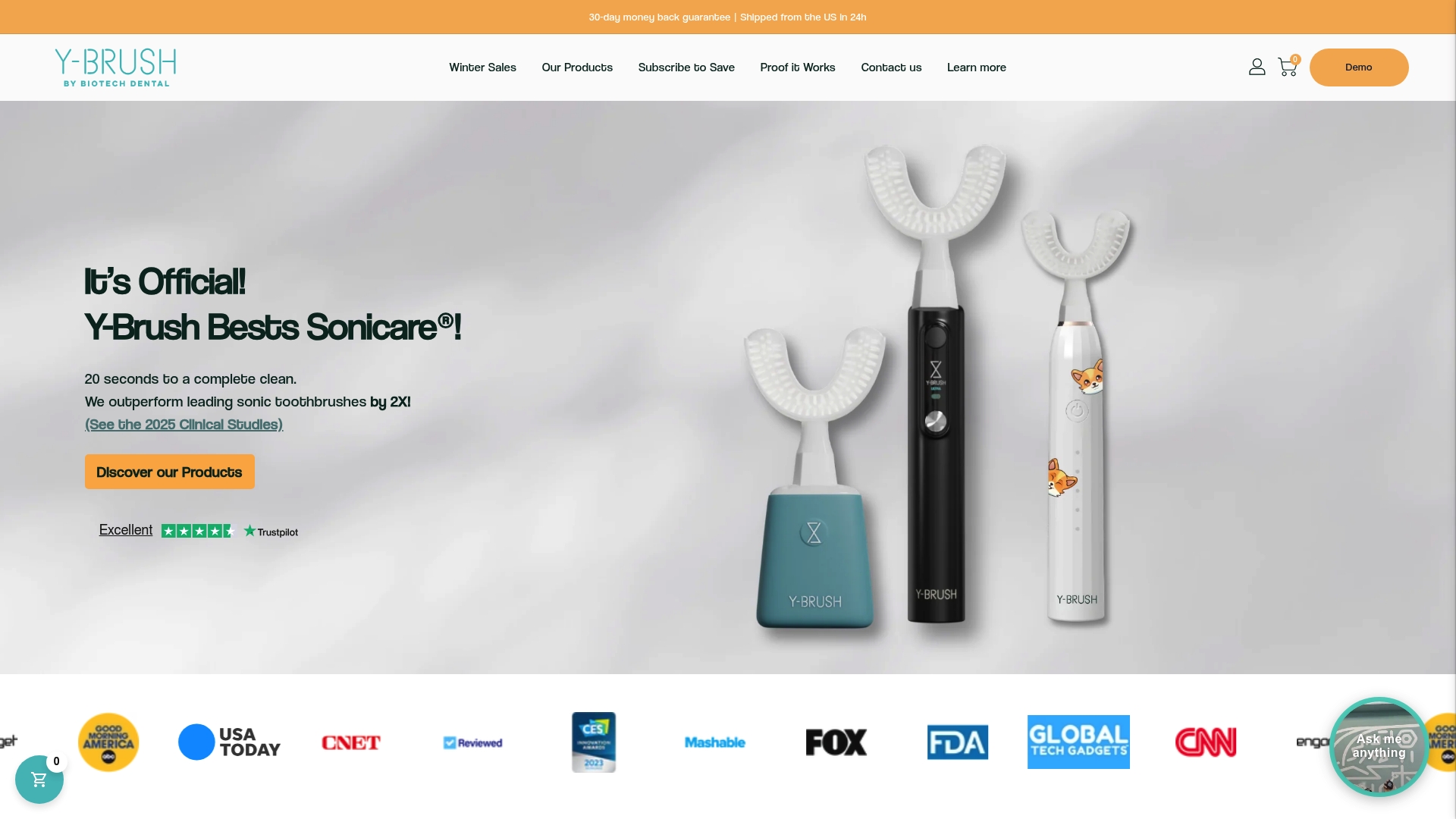
The biggest gap in most oral care routines is not knowledge. It is execution. You know you should brush for two full minutes. Most people still do not. Y-brush solves that problem directly. The Y-brush Essential Sonic Toothbrush delivers a thorough, effective clean that fits into real life, not an idealized version of it. For families, the Y-brush KidsBrush brings the same consistent clean to children aged 4–12, building good habits early. If you want to see the full range of options, explore Y-brush’s newest products and find the right fit for your routine.
FAQ
How often should you brush and floss?
Brush twice daily for two full minutes and floss once daily, ideally before bed. This combination removes the plaque and bacteria that cause cavities and gum disease.
What does a healthy gum look like?
Healthy gums are firm, pink, and do not bleed when you brush or floss. Bleeding or swollen gums signal gingivitis and require improved technique or a dental visit.
Can diet really affect your teeth?
Diet directly affects enamel strength and plaque levels. Crunchy vegetables stimulate saliva and scrub plaque, while frequent sugar exposure creates acid attacks that erode enamel over time.
Is a water flosser good enough to replace string floss?
A water flosser supports gum health but does not replace string floss. Only the mechanical friction of string floss disrupts plaque biofilm effectively between teeth.
How do you know if your oral care routine is working?
Firm, non-bleeding gums, no persistent bad breath, and clean teeth at your six-month checkup are the clearest signs your daily oral hygiene routine is working.


