


TL;DR:
- Eating nutrient-rich whole foods like aged cheeses, leafy greens, and fermented products supports strong enamel, healthy gums, and a balanced oral microbiome. Combining key minerals such as calcium, phosphorus, vitamin D, and K2 through food sources provides systemic protection that supplements cannot replicate alone. Proper meal timing and hydration further enhance dental health, making a food-first approach essential for long-term oral wellness.
The best foods for healthy teeth are nutrient-rich whole foods that deliver calcium, phosphorus, vitamins A, D, C, and K2, magnesium, protein, and fiber in combinations that strengthen enamel, protect gums, and support a balanced oral microbiome. No single supplement replicates what a well-chosen meal does. Aged hard cheeses, dark leafy greens, fatty fish, and fermented foods like kefir and kimchi each contribute specific nutrients that work together to keep teeth strong and gums resilient. The foods that promote dental health most effectively are the ones that address multiple biological needs at once, not just one mineral in isolation.
Which nutrients actually strengthen teeth?
Dental health depends on a multi-mineral approach rather than isolated supplementation. Seven nutrients stand out as the foundation of strong enamel and healthy gums.
- Calcium and phosphorus form the mineral backbone of enamel. Enamel requires a precise molar ratio of calcium to phosphorus of approximately 1.67:1. Foods that supply both simultaneously, such as aged cheese and sardines with bones, support enamel more effectively than calcium supplements alone.
- Vitamin D regulates calcium absorption in the gut. Vitamin D deficiency correlates with increased cavities and gum disease risk. Without adequate vitamin D, calcium from food never reaches your teeth.
- Magnesium and vitamin K2 assist vitamin D in depositing calcium correctly into teeth and bone rather than soft tissue. Magnesium also activates vitamin D at the cellular level.
- Vitamin A maintains the mucous membranes lining the mouth and supports saliva production. A 6-year study found that higher intake of dark green and yellow vegetables reduces periodontal disease incidence. That finding points directly to vitamin A as a gum protector.
- Vitamin C builds collagen in gum tissue. Without it, gums become fragile and bleed easily.
- Protein supports gum tissue repair and jawbone density. This role extends well beyond muscle building into periodontal support.
Pro Tip: Whole foods deliver these nutrients in ratios your body recognizes. A calcium supplement without co-factors like magnesium and vitamin K2 may not reach your enamel at all.
1. aged hard cheeses
Aged hard cheeses like cheddar, Parmesan, and Gruyère are among the best snacks for oral health. They supply calcium and phosphorus in the natural 1.67:1 ratio enamel requires. Cheese also stimulates saliva and neutralizes mouth pH after meals. That pH shift matters because acid is the primary driver of enamel erosion.

Pro Tip: Eat a small cube of aged cheese after citrus fruit or wine. It neutralizes the acid before it contacts enamel.
2. dark leafy greens
Kale, spinach, Swiss chard, and collard greens provide calcium, magnesium, vitamin A, vitamin C, and vitamin K2 in a single serving. The fiber content also stimulates saliva flow during chewing. Saliva is your mouth’s built-in defense system. It washes away food particles and buffers acid continuously throughout the day.
3. fatty fish
Salmon, sardines, mackerel, and tuna deliver vitamin D and omega-3 fatty acids. Vitamin D is the nutrient most people lack, and its absence directly undermines calcium absorption. Sardines eaten with their bones add a meaningful dose of calcium and phosphorus together, making them one of the most complete foods for enamel support.
4. crunchy fruits and vegetables
Apples, carrots, celery, and cucumbers act as natural mechanical cleaners for tooth surfaces. The chewing action scrubs plaque and increases saliva flow, which neutralizes odor-causing compounds and acid. Apples in particular are frequently cited by dentists as a practical between-meal option. They do not replace brushing, but they reduce the bacterial load between meals.
5. plain yogurt
Plain, unsweetened yogurt provides calcium, phosphorus, and beneficial bacteria in one food. The probiotics in yogurt contribute to oral microbiome balance, which reduces the populations of decay-causing bacteria like Streptococcus mutans. Choose plain varieties without added sugar. Flavored yogurts often contain enough sugar to cancel out their dental benefits.
6. fermented foods
Kefir, kimchi, sauerkraut, and miso restore oral microbiome balance by introducing beneficial bacteria that compete with decay-causing strains. Functional dentistry increasingly recognizes the oral microbiome as a key factor in long-term gum health. A diverse microbiome reduces both decay risk and gum inflammation. These foods are particularly useful for families who have recently completed a course of antibiotics, which can disrupt oral bacterial balance.
7. eggs
Eggs supply vitamin D, vitamin K2, phosphorus, and protein in a compact, affordable package. The yolk is where most of the fat-soluble vitamins concentrate. Eggs from pasture-raised hens contain higher levels of vitamin D and K2 than conventional eggs. For families looking for nutrients for strong teeth without a large food budget, eggs are one of the most efficient choices available.
8. nuts and seeds
Almonds, Brazil nuts, sesame seeds, and sunflower seeds provide calcium, magnesium, phosphorus, and healthy fats. Almonds are particularly high in calcium without the sugar load of many dairy alternatives. Sesame seeds, often consumed as tahini, deliver calcium in a highly bioavailable form. The chewing action from nuts also stimulates saliva production, adding a mechanical cleaning benefit similar to crunchy vegetables.
9. whole grains
Whole grains like oats, brown rice, and quinoa supply magnesium and B vitamins that support tissue repair and reduce gum inflammation. Refined grains break down quickly into simple sugars that feed acid-producing bacteria. Whole grains digest more slowly, which means less sugar available in the mouth at any given time. For meals for healthy gums, replacing white bread and white rice with whole grain alternatives is a practical, low-effort change.
10. water
Water, particularly fluoridated water, is the most underrated food for dental health. Fluoride remineralizes enamel by incorporating into the crystal structure of teeth, making them more resistant to acid. Water also rinses food particles and dilutes acids after meals. The American Dental Association recommends drinking fluoridated tap water throughout the day as a foundational oral health habit.
How these foods compare: a practical guide
The table below summarizes the key nutrients, dental benefits, and practical tips for each food category covered in this article.
| Food Category | Key Nutrients | Dental Benefits | Best Consumption Tips |
|---|---|---|---|
| Aged hard cheeses | Calcium, phosphorus | Enamel remineralization, pH neutralization | Eat after acidic foods or drinks |
| Dark leafy greens | Calcium, magnesium, vitamins A, C, K2 | Gum health, saliva stimulation | Add to smoothies or salads daily |
| Fatty fish | Vitamin D, omega-3s, calcium | Calcium absorption, anti-inflammation | Aim for 2 servings per week |
| Crunchy fruits and vegetables | Fiber, water, vitamins | Mechanical cleaning, saliva boost | Use as between-meal snacks |
| Fermented foods | Probiotics, B vitamins | Oral microbiome balance | Include a small serving with meals |
| Eggs | Vitamin D, K2, phosphorus, protein | Enamel support, tissue repair | Prioritize pasture-raised for higher D and K2 |
| Nuts and seeds | Calcium, magnesium, healthy fats | Enamel strength, saliva stimulation | Choose unsalted, unflavored varieties |
| Whole grains | Magnesium, B vitamins | Gum tissue support, reduced sugar load | Replace refined grains at main meals |
| Plain yogurt | Calcium, probiotics | Microbiome balance, enamel minerals | Choose unsweetened; add fruit yourself |
| Water | Fluoride, hydration | Remineralization, acid dilution | Drink fluoridated tap water throughout the day |
Pro Tip: Pair cheese or plain yogurt with acidic foods like berries or citrus. The minerals in dairy buffer the acid before it contacts enamel, giving you the antioxidant benefits of fruit without the enamel risk.
Daily habits that maximize what you eat
Choosing the right foods is only part of the equation. How and when you eat them shapes how much protection they actually provide.
Eating foods as part of meals rather than snacking frequently releases more saliva, which neutralizes acids and washes away food particles. Every time you eat, your mouth becomes more acidic for about 20 minutes. Frequent snacking means your enamel spends more time under acid attack. Three structured meals protect enamel far better than six small snacks spread across the day.
Here are practical habits for families and busy adults:
- Drink water between meals instead of juice or soda to keep mouth pH neutral.
- End meals with a small piece of aged cheese or a few almonds to trigger saliva and neutralize acid.
- Add a fermented food, such as kefir in a smoothie or kimchi as a side dish, at least once daily.
- Replace sugary breakfast cereals with oatmeal topped with almonds and berries for a meal that supports both enamel and gums.
- Limit sticky, sugary snacks to mealtimes only, when saliva production is highest.
- Choose foods that strengthen teeth and avoid processed snacks with hidden sugars that feed acid-producing bacteria.
Hydration with fluoridated water ties all of these habits together. Water rinses, remineralizes, and dilutes acid continuously. It is the simplest and most consistent tool you have between meals.
Key takeaways
The most effective approach to dental nutrition is combining calcium, phosphorus, vitamin D, and K2 through whole foods that deliver these nutrients together, not separately.
| Point | Details |
|---|---|
| Nutrient synergy matters most | Calcium works only when paired with vitamin D, K2, and phosphorus from whole foods. |
| Cheese is a top post-meal choice | Aged hard cheese neutralizes mouth pH and remineralizes enamel after acidic foods. |
| Fermented foods protect gums | Kefir, kimchi, and yogurt restore oral microbiome balance and reduce decay risk. |
| Meal timing reduces acid attacks | Eating during structured meals boosts saliva and limits the time enamel spends under acid. |
| Water is a daily essential | Fluoridated tap water remineralizes enamel and dilutes acids throughout the day. |
What i’ve learned about eating for your teeth
Most people focus entirely on calcium when they think about dental nutrition. That is understandable, but it misses the bigger picture. Calcium without vitamin D stays in your gut. Vitamin D without magnesium never gets activated. Magnesium without K2 cannot direct calcium to the right tissues. The nutrients that build and protect teeth operate as a system, not as individual players.
What I find most encouraging is how accessible these foods are. You do not need an elaborate supplement stack. A diet built around aged cheese, leafy greens, fatty fish, eggs, and fermented foods covers the full spectrum of what teeth and gums need. Crunchy vegetables like carrots and celery add mechanical cleaning that no supplement can replicate.
The families I see making the most progress with oral health are not the ones taking the most supplements. They are the ones who have built simple food habits: cheese after fruit, water between meals, yogurt instead of flavored snacks. These small, consistent choices accumulate into real protection over months and years. A food-first approach to oral health is not a trend. It is the most evidence-backed strategy we have for keeping teeth strong across a lifetime.
— Joris
Complete your oral care routine with Y-brush
Diet builds the foundation, but brushing removes the plaque that food alone cannot. Y-brush makes that step faster and more consistent for the whole family. The Y-Brush Essential Sonic Toothbrush delivers a clinically effective clean in just 20 seconds, covering all surfaces simultaneously with its full-arch design. For kids aged 4 to 12, the Y-Brush KidsBrush brings the same technology in a size built for smaller mouths. When you pair the right foods with a brushing routine that actually gets done every day, you give your teeth the best possible defense.
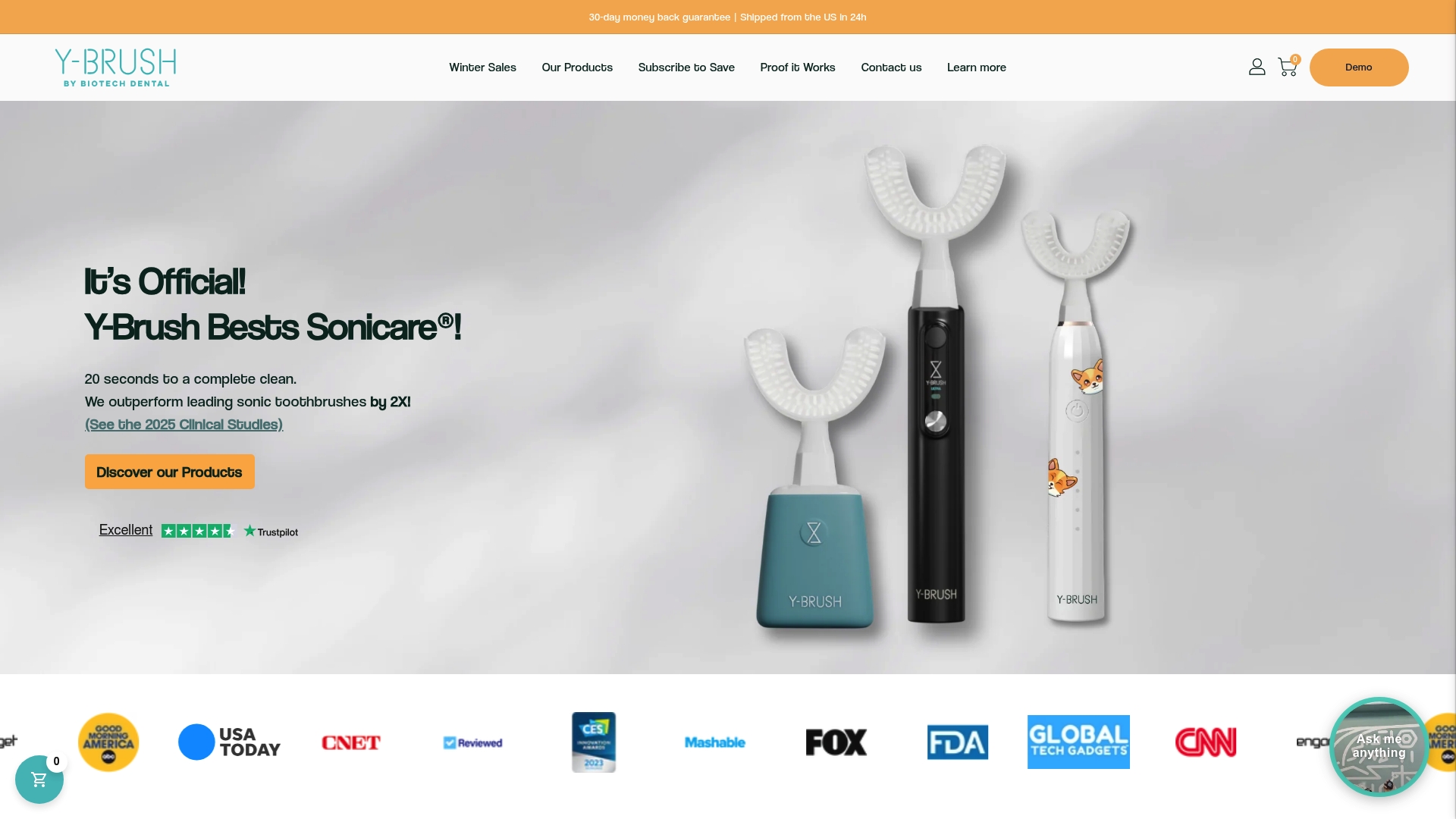
Explore the full Y-brush lineup and find the right fit for your family’s routine. Good food choices and consistent brushing are not competing priorities. They are the two pillars of lasting oral health.
FAQ
Which foods are the best snacks for oral health?
Aged hard cheese, raw carrots, celery, almonds, and plain yogurt are the top choices. They provide minerals, stimulate saliva, and avoid the sugar load that feeds decay-causing bacteria.
Does eating cheese really help your teeth?
Yes. Cheese stimulates saliva production and neutralizes mouth pH after meals, while delivering calcium and phosphorus in the ratio enamel needs for remineralization.
How do fermented foods support gum health?
Fermented foods like kefir, kimchi, and sauerkraut introduce beneficial bacteria that restore oral microbiome balance, reducing the populations of microbes linked to decay and gum disease.
Is it better to eat tooth-healthy foods at meals or as snacks?
Eating them as part of structured meals is more protective. Meals trigger higher saliva production, which neutralizes acid more effectively than the saliva generated by standalone snacking.
Can diet alone replace brushing for dental health?
No. Diet strengthens enamel and supports gum health from the inside, but brushing removes plaque biofilm that food cannot dislodge. Both are required for complete oral care.


