


TL;DR:
- Consistent, age-appropriate oral hygiene routines, including twice-daily fluoride brushing and professional visits starting at age one, are essential for family dental health. Motivation varies by age; children respond best to visual rewards and ownership, while teens prioritize confidence and social factors. Building shared routines and early familiarity with dental care foster lasting habits and reduce anxiety over time.
Oral care tips for families are the age-appropriate habits, tools, and professional strategies that protect every family member’s teeth and gums from infancy through adulthood. The foundation is consistent: brush twice daily with fluoride toothpaste, floss regularly, and schedule professional dental visits at least twice a year. What separates families with strong dental health from those who struggle is not knowledge of these basics. It is the ability to build routines that actually stick across different ages, motivations, and schedules. This guide gives you the specific, proven steps to make that happen.
1. Essential daily oral care practices for families
The non-negotiable starting point for any family dental hygiene plan is twice-daily brushing with fluoride toothpaste. Fluoride does more than clean. It strengthens enamel and repairs early microscopic damage before it becomes a cavity, which means skipping it is never a neutral choice.
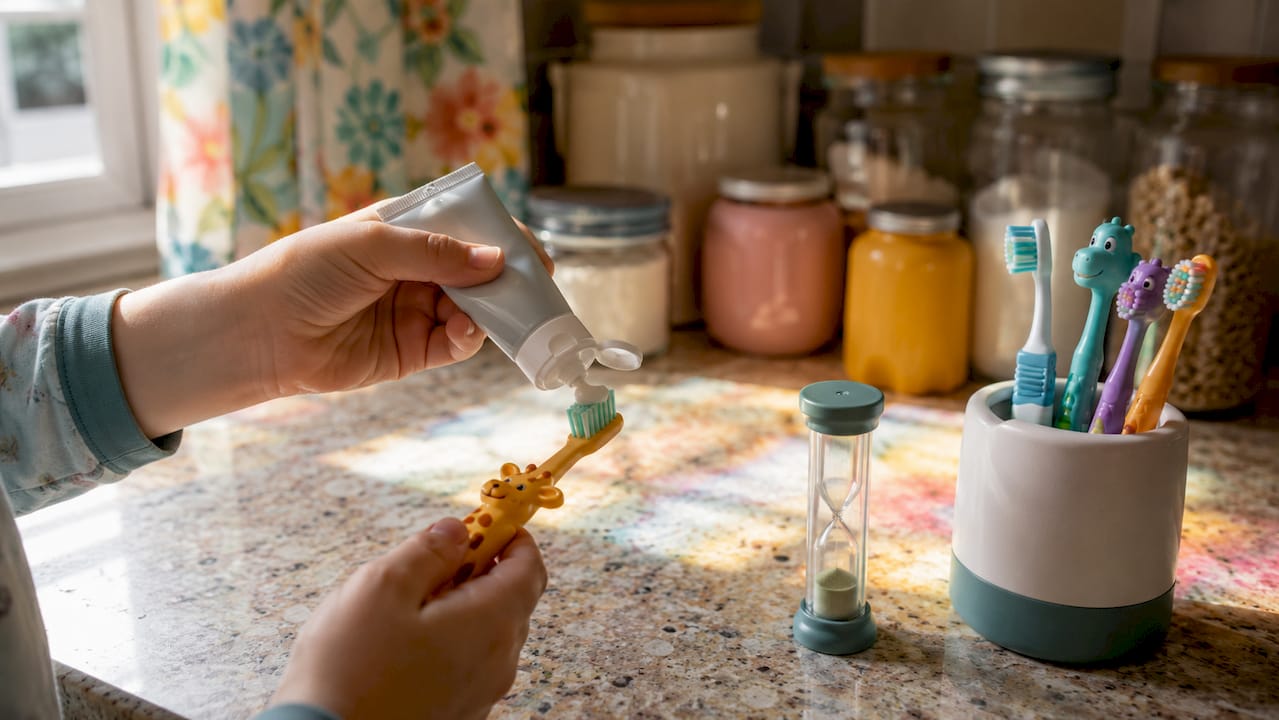
Age-appropriate fluoride amounts matter significantly. The American Academy of Pediatrics specifies that children under 3 need a rice-sized smear of fluoride toothpaste, while children over 3 should use a pea-sized amount. Using too much increases fluoride ingestion risk; using too little reduces protection. For guidance on safe fluoride use across age groups, the Y-brush resource on children’s fluoride toothpaste is worth bookmarking.
Here are the core daily practices every family should follow:
- Brush for two full minutes, twice daily. Use a soft-bristled brush and gentle circular motions. Electric and sonic toothbrushes make this easier and more consistent for both kids and adults.
- Do not rinse with water immediately after brushing. Leaving fluoride on teeth after brushing extends its contact time and increases enamel protection. This single habit change costs nothing and delivers measurable benefit.
- Floss once daily. For younger children, floss picks simplify the process. Water flossers like those from Waterpik work well for teens and adults who find string floss difficult to manage consistently.
- Supervise children’s brushing until around age 7 to 10. Manual dexterity develops gradually, and most children cannot brush thoroughly on their own before this age. Supervision is not micromanaging. It is quality control.
Pro Tip: Place a two-minute sand timer or use a brushing app like Brush DJ next to the sink. Visual timers reduce the most common brushing failure: stopping too early.
2. How to build consistent brushing routines for kids and teens
Motivation is the variable that determines whether children’s oral health tips translate into real habits. Rules alone do not work long-term. Structure and personal relevance do.
For younger children, the following sequence builds lasting habits:
- Let them choose their toothbrush and toothpaste. Children who select their own tools, whether a character-themed brush or a bubblegum-flavored toothpaste, show higher daily compliance. The sense of ownership matters.
- Brush as a family. When parents brush alongside their children, oral care becomes a shared activity rather than a chore assigned to kids. This models the behavior and removes the “why do I have to?” friction.
- Use a brushing chart. A simple sticker chart on the bathroom mirror creates visible progress. For children aged 4 to 8, visual rewards outperform verbal praise in habit formation.
- Anchor brushing to existing routines. Brushing after breakfast and before bed works because it attaches to activities that already happen. Standalone reminders are easier to skip.
- Use a timer or a song. Two minutes feels abstract to a six-year-old. A timer makes it concrete. For motivating kids to brush daily, Y-brush has compiled ten creative approaches worth exploring.
For teenagers, the motivation strategy shifts. Teens respond better when oral care is connected to confidence, social appearance, and breath freshness rather than health rules. Framing brushing as part of a morning grooming routine, alongside skincare or hair care, integrates it into identity rather than obligation. That framing change alone improves adherence significantly.
Pro Tip: For teens with busy schedules, keep a travel toothbrush and toothpaste in their school bag. Brushing after lunch is not always possible, but having the option available increases the chance it happens.
3. What professional dental care adds to your family’s routine
Home care handles daily maintenance. Professional dental care handles what home care cannot: early detection, targeted prevention, and personalized guidance that adjusts as your children grow.
The timeline for professional visits is specific. Infants should see a dentist by their first birthday or within six months of the first tooth appearing. Starting early builds familiarity with the dental environment, which reduces anxiety for years to come. Scheduling visits when a child is well-rested and using positive, calm language before appointments builds comfort and reduces dental fear over time.
| Preventive treatment | Who benefits | Frequency |
|---|---|---|
| Routine exam and cleaning | All family members | Twice yearly |
| Fluoride varnish application | Children under 5 (standard risk) | Every 6 months |
| Fluoride varnish application | Children under 5 (high risk) | Every 3 months |
| Dental sealants | Children and teens | Once, on permanent molars |
| Orthodontic assessment | Children aged 7 and up | As recommended |
Dental sealants are one of the most cost-effective cavity prevention tools available for children and teens. They coat the chewing surfaces of back teeth where most cavities form, and they require no drilling or anesthesia. The investment is low; the protection is significant.
For families looking for a trusted dental practice to support these visits, Lance Timmerman, DMD in the Seattle area provides family-focused care with an emphasis on building positive dental experiences for children.
4. How diet and hydration affect your family’s teeth
What your family eats between brushing sessions directly determines how much work those brushing sessions have to do. Sugar feeds the bacteria that produce acid, and that acid erodes enamel. Frequency of sugar exposure matters as much as quantity. A child who sips juice throughout the afternoon creates a longer acid attack than one who drinks it once with a meal.
Fluoridated tap water is the best drink for dental health at any age. It rinses food particles, supports saliva production, and delivers low-level fluoride protection throughout the day. Replacing even one sugary drink per day with water produces measurable reductions in cavity risk over time.
Teeth-friendly foods to prioritize include:
- Cheese and plain yogurt. Both are high in calcium and casein, which neutralize mouth acid and strengthen enamel.
- Crunchy vegetables like carrots and celery. Their texture stimulates saliva flow, which is the mouth’s natural cleaning mechanism.
- Nuts and seeds. These provide phosphorus and calcium without the sugar load of most snack foods.
- Plain water after every snack. This simple habit reduces acid exposure between meals without requiring any dietary restriction.
Limiting natural fruit juice is worth emphasizing separately. Many parents treat juice as a healthy alternative to soda, but the acid and sugar content in apple or orange juice creates similar cavity risk. The American Academy of Pediatrics recommends no juice for children under 12 months and limited amounts for older children.
5. Common family oral care challenges and how to solve them
Even well-intentioned families run into specific obstacles. Knowing the most common ones in advance makes them easier to address without conflict.
- Bacterial transmission to infants. Sharing utensils or cleaning pacifiers with a parent’s mouth transfers cavity-causing bacteria to babies before their teeth even appear. Use a separate rinse cup for pacifiers and avoid sharing spoons with infants.
- Children resisting brushing supervision. Frame supervision as helping, not checking. Stand beside them rather than behind them. Let them brush first, then you “finish up.” This preserves their sense of independence while maintaining quality.
- Teens with braces or aligners. For children with aligners, brushing immediately before reinserting trays prevents trapping food particles against teeth. For braces, interdental brushes like those from GUM or Oral-B reach between brackets where standard floss cannot.
- Inconsistent brushing across the household. Place toothbrushes in multiple locations if your home has more than one bathroom. Visibility drives behavior. A toothbrush left in a travel bag gets used more than one stored under a cabinet.
- Dental injuries. A knocked-out permanent tooth requires immediate action. Place it in milk or a saline solution and get to a dentist within 30 minutes. Speed is the primary factor in successful reimplantation.
Pro Tip: For families building brushing independence in children, the transition from supervised to independent brushing works best when introduced gradually around age 7, with spot checks continuing until age 9 or 10.
Key takeaways
Consistent, age-appropriate oral care routines combined with regular professional dental visits and a low-sugar diet form the most effective family dental hygiene plan available.
| Point | Details |
|---|---|
| Fluoride is non-negotiable | Use age-appropriate amounts twice daily and avoid rinsing after brushing to maximize enamel protection. |
| Supervision matters until age 10 | Children lack the dexterity for thorough brushing on their own until around age 7 to 10. |
| Professional visits start at age 1 | Schedule the first dental visit by the first birthday and maintain twice-yearly exams for all family members. |
| Diet shapes cavity risk | Fluoridated water and low-sugar snacks reduce acid exposure between brushing sessions significantly. |
| Motivation must match the age | Young children respond to visual rewards and choice; teens respond to confidence and social relevance. |
What I’ve learned about building family dental habits that actually last
The most common mistake I see families make is treating oral care as a set of rules to enforce rather than a set of habits to build together. Rules create resistance. Shared routines create identity.
The families with the strongest dental health outcomes are not the ones with the strictest parents. They are the ones where brushing is simply what everyone does, at the same time, without negotiation. That normalization happens early or it takes years to establish later.
Teens are the hardest group to reach with standard oral care messaging. Telling a fifteen-year-old that brushing prevents cavities in thirty years lands with zero impact. Telling them that fresh breath and a clean smile matter in every social interaction they care about today lands differently. The information is the same. The framing changes everything.
Professional dental visits deserve a reframe too. Many families treat them as a necessary inconvenience or, worse, something to dread. The most productive way to think about them is as personalized coaching sessions. A dentist who sees your child twice a year can catch early issues, adjust fluoride recommendations based on actual risk, and give you specific feedback that no article can replicate. That relationship is worth protecting.
One practical insight I would add: do not wait for a problem to establish that relationship. Families who start dental visits by age one report significantly less anxiety in children during later appointments. Early familiarity is the single best investment in long-term dental comfort.
— Joris
How Y-brush makes family brushing faster and more effective
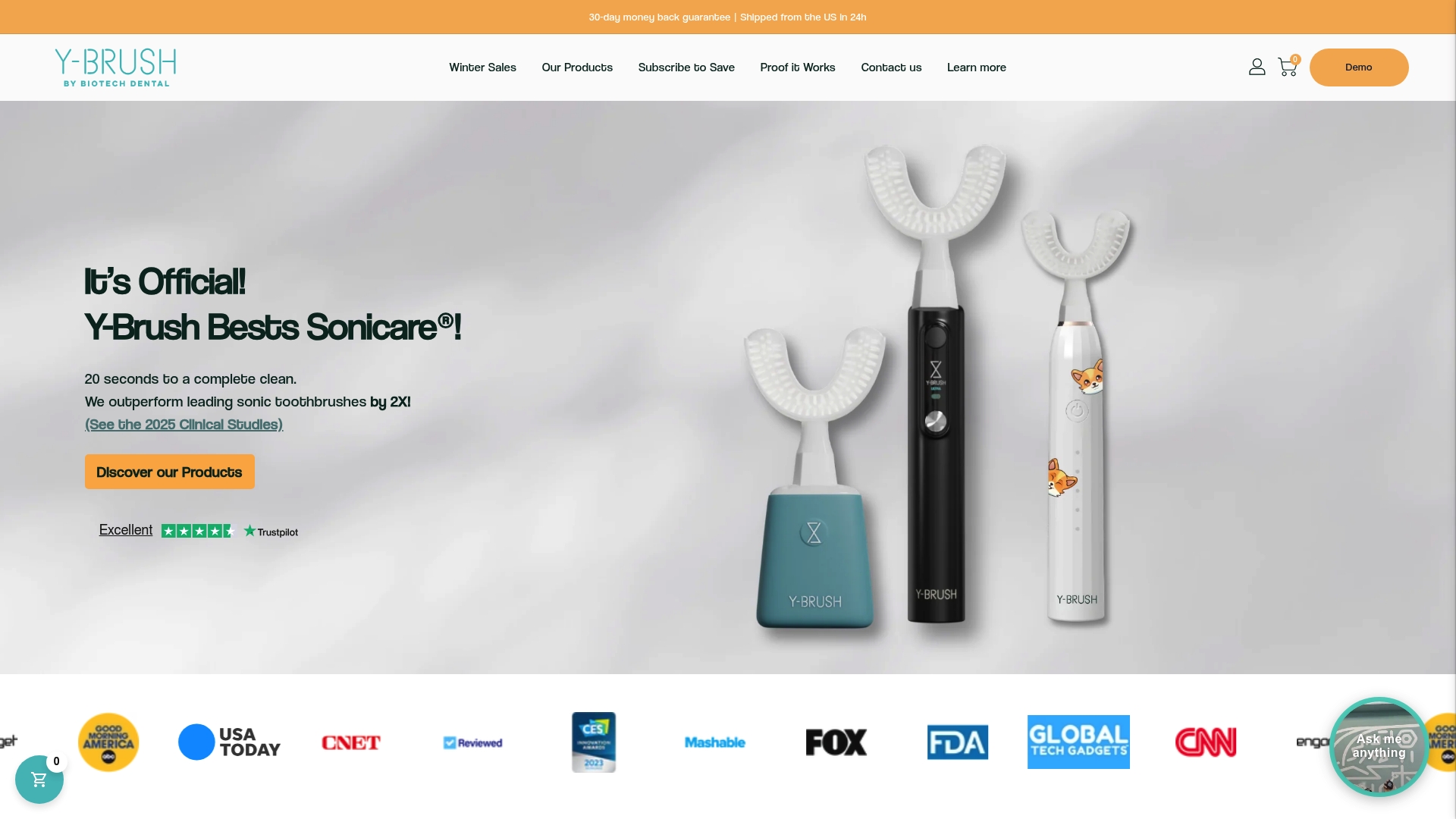
The biggest barrier to consistent family oral care is not motivation. It is time. Y-brush was built specifically for this reality. The Y-brush Essential Sonic Toothbrush delivers a thorough clean for adults in just 20 seconds, making it realistic for even the busiest mornings. For children aged 4 to 12, the Y-brush KidsBrush Sonic Electric Toothbrush combines effective plaque removal with a design that makes brushing genuinely engaging. Both products are built around the insight that the best toothbrush is the one your family actually uses, every day, without skipping. Explore the full range and find the right fit for every member of your household.
FAQ
How much fluoride toothpaste should my child use?
Children under 3 should use a rice-sized smear of fluoride toothpaste; children over 3 should use a pea-sized amount. The AAP recommends these amounts to balance cavity protection with safe fluoride ingestion levels.
When should my child first visit the dentist?
The first dental visit should happen by the child’s first birthday or within six months of the first tooth appearing. Early visits build familiarity and allow the dentist to assess cavity risk and fluoride needs.
Should kids rinse after brushing?
Rinsing with water immediately after brushing washes away fluoride before it can strengthen enamel. Spitting out excess toothpaste without rinsing extends fluoride contact time and improves protection.
What are dental sealants and does my child need them?
Dental sealants are thin protective coatings applied to the chewing surfaces of back teeth, where most cavities form in children and teens. They are a cost-effective, pain-free preventive treatment recommended for most children once permanent molars appear.
How do I get my teenager to brush consistently?
Connect oral care to outcomes teens already care about, specifically fresh breath, a clean smile, and social confidence, rather than long-term health consequences. Integrating brushing into an existing morning or evening grooming routine also improves consistency significantly.


