


TL;DR:
- Consistent daily habits like proper brushing, flossing, and dietary adjustments are essential for a naturally brighter smile. Natural methods such as baking soda and hydrogen peroxide gradually remove surface stains, while protecting enamel ensures long-term whiteness. Combining these habits with professional whitening for intrinsic discoloration yields the best, safest cosmetic results.
Habits for a whiter smile are consistent daily behaviors that remove surface stains, prevent new discoloration, and protect enamel, producing a visibly brighter smile over weeks without requiring expensive procedures. The most effective approach combines proper brushing technique, mindful dietary choices, and safe natural whitening methods. Baking soda, hydrogen peroxide, and professional cleaning each play a defined role in this process, but none of them work in isolation. Realistic expectations matter here: natural brightening is gradual, and enamel health is the foundation that makes brightness possible in the first place.
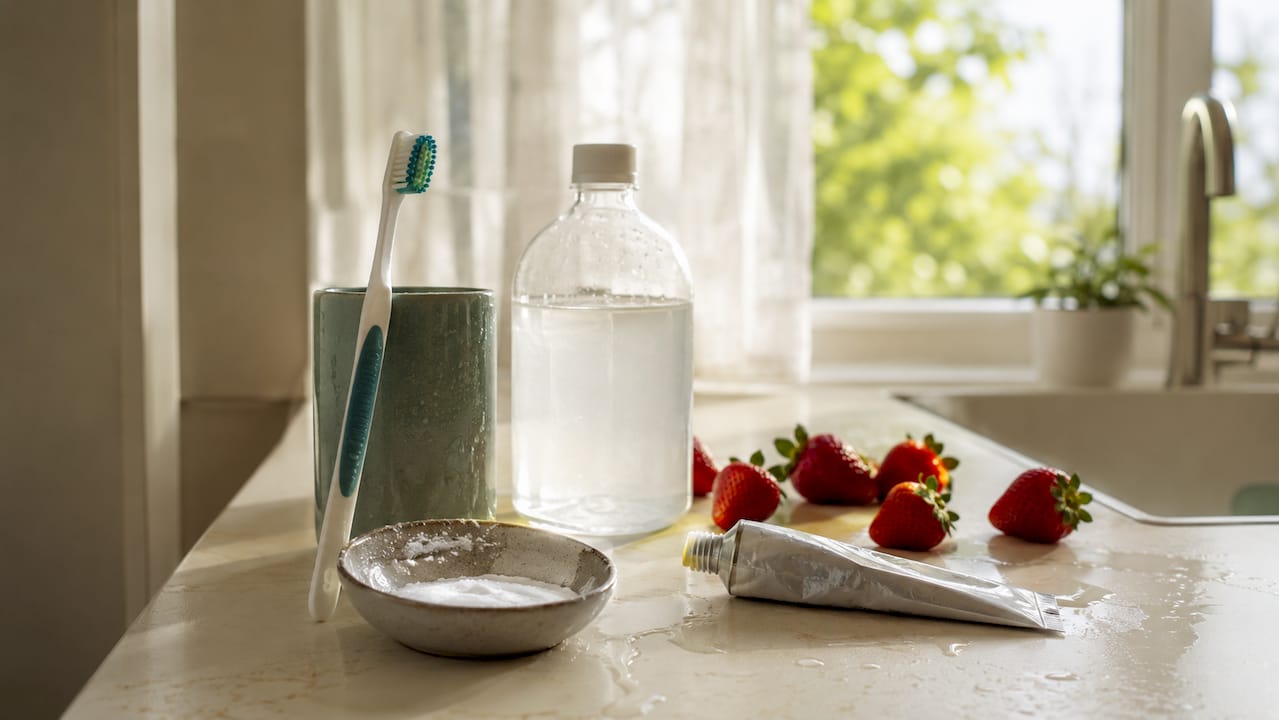
1. Brush twice daily with the right technique
The single most effective daily oral care habit for whiter teeth is brushing twice daily for two full minutes with a soft-bristled toothbrush. This routine prevents plaque and tartar from accumulating in the spaces where stains anchor. Most people underestimate how much technique matters compared to product choice.
Pressure is the variable most people get wrong. Excessive brushing pressure causes enamel loss and increased sensitivity, which actually dulls the appearance of teeth over time. Smooth enamel reflects light and looks bright; thinned enamel exposes the yellow dentin underneath. Gentle, circular strokes with a soft brush accomplish more than aggressive scrubbing.
Fluoride toothpaste remains the clinical standard for enamel protection. Whitening toothpastes with mild abrasives or low-concentration peroxide add a surface-stain removal benefit on top of that baseline. Using them consistently is more effective than switching between products. For a deeper look at effective oral care habits, the mechanics of each step matter as much as the frequency.
Pro Tip: Set a two-minute timer or use a toothbrush with a built-in timer. Most people who think they brush for two minutes actually stop at 45 seconds.
2. Floss daily to eliminate hidden stain traps
Flossing once daily removes plaque from interdental spaces where toothbrush bristles cannot reach. Plaque left in those spaces hardens into tartar, which traps pigment from food and drink. No whitening product can compensate for skipping this step.
The technique is straightforward: use 18 inches of floss, wrap it around your fingers, and slide it gently between each tooth in a C-shape against the tooth surface. Water flossers like Waterpik are a clinically accepted alternative for people who find traditional floss difficult to manage. Either method, done consistently, reduces the stain-trapping biofilm that undermines brightening routines.
3. Use baking soda paste two to three times weekly
Baking soda-based toothpaste is 0.7 to 2.9 times more effective at stain removal than non-baking-soda formulas. That is a meaningful difference for surface stain removal, and it explains why baking soda appears in so many dentist-recommended whitening products. The key constraint is frequency: two to three times per week is the safe upper limit to avoid enamel wear.
You can use a commercial baking soda toothpaste or mix a small amount of pure baking soda with water to form a paste. Apply it for two minutes, then rinse thoroughly. Visible results from this method typically appear within 10 to 14 days of consistent use. For detailed guidance on safe application, the Y-brush guide on baking soda for teeth covers the clinical evidence and usage limits clearly.
Pro Tip: Do not use straight baking soda every day. Its mild abrasiveness is an asset at the right frequency and a liability at the wrong one.
4. Try hydrogen peroxide rinses at the right concentration
Hydrogen peroxide at 3% concentration is safe for home whitening when diluted properly, producing gradual but real results. Swishing a diluted solution for one to two minutes several times per week removes surface stains and provides mild bleaching action. This is one of the few natural ways to whiten teeth that has direct clinical support.
The practical approach is to dilute 3% hydrogen peroxide with an equal part of water, swish for 60 to 90 seconds, and spit. Do not swallow it. Prolonged or undiluted use causes gum irritation and increased sensitivity, so consistency at the right concentration beats intensity at the wrong one. Whitening mouthwash options that contain low-concentration peroxide follow the same principle and are a convenient ready-made alternative.
5. Rinse with water after staining foods and drinks
Rinsing your mouth with water immediately after consuming coffee, tea, red wine, or dark sodas is one of the simplest teeth brightening routines available. It dilutes pigment before it bonds to enamel and reduces the acid load that softens enamel surface. This habit costs nothing and takes ten seconds.
One important nuance: wait 30 minutes after acidic food or drink before brushing. Acidic environments temporarily soften enamel, making it prone to abrasion if you brush too soon. Rinsing with water first neutralizes the acid, and waiting gives saliva time to remineralize the enamel surface. This is the “acid window” principle, and respecting it protects long-term whiteness.
6. Eat foods that support natural stain removal
Crunchy fruits and vegetables act as natural abrasives and stimulate saliva production, both of which support surface stain removal. Apples, celery, and carrots are the most practical examples. Saliva is the mouth’s natural cleaning agent, and foods that increase its flow actively work against stain buildup.
Strawberries contain malic acid, which lightens surface stains when applied briefly. Rubbing a halved strawberry on teeth for one minute before rinsing is a legitimate natural whitening method, though its effect is mild. The best foods for teeth combine mechanical cleaning action with saliva stimulation, making them a useful daily complement to brushing and flossing.
7. Reduce or modify your intake of staining beverages
Coffee, tea, and red wine are the three biggest dietary contributors to tooth discoloration. Eliminating them entirely is unrealistic for most people, but modifying how you consume them makes a measurable difference. Drinking through a straw reduces direct contact between pigment and enamel. Limiting consumption to specific times rather than sipping throughout the day reduces cumulative exposure.
Rinsing with water after each serving and brushing within the appropriate window (not immediately after acidic drinks) keeps staining manageable. Dark sodas and sports drinks add both pigment and acid to the equation, making them doubly problematic for tooth color. Small, consistent adjustments to these habits support whitening progress more reliably than occasional intensive treatments.
8. Quit smoking to protect whitening progress
Tobacco use is among the biggest contributors to tough-to-remove stains, and it reverses whitening progress faster than almost any other lifestyle factor. Nicotine and tar penetrate enamel deeply, creating intrinsic discoloration that surface whitening habits cannot address. Quitting is the single most impactful lifestyle change for anyone serious about a brighter smile.
The oral health benefits of cessation extend well beyond cosmetics. Reduced gum disease risk, lower oral cancer risk, and improved saliva quality all follow from quitting. From a purely cosmetic standpoint, no whitening routine reaches its potential while tobacco use continues.
9. Consider professional whitening for intrinsic discoloration
Surface whitening habits and natural methods remove extrinsic stains, the ones sitting on top of enamel. Intrinsic discoloration, the yellowing that comes from inside the tooth, requires peroxide-based bleaching to change. Whitening toothpastes and natural remedies remove surface stains but do not bleach intrinsic tooth color. That distinction matters when setting expectations.
Professional in-office whitening provides a 6 to 10 shade improvement in a single session at a cost of $300 to $800. Drugstore peroxide strips typically offer 2 to 5 shade improvement over 2 to 4 weeks at a fraction of the cost. Both are legitimate options depending on your goals and budget. The Y-brush resource on dental bleaching risks provides a clear breakdown of what each professional option involves and how to use them safely.
A hybrid approach using natural daily habits for stain prevention combined with controlled professional bleaching yields the best cosmetic outcome with enamel safety. Professional treatment addresses the baseline color; daily habits maintain it. Neither works as well without the other.
Pro Tip: Before any professional whitening treatment, complete a full dental cleaning. Whitening agents work on clean enamel, not on plaque or tartar. Skipping the cleaning reduces results significantly.
10. Track your progress with consistent photos
Monitoring whitening progress requires consistent photographic documentation under stable lighting to avoid misleading perceptions caused by ambient bathroom lights. Bathroom mirrors under warm lighting make teeth look yellower; daylight makes them look whiter. Neither gives you an accurate baseline.
Take a photo in natural daylight, same time of day, same distance, once per week. This removes the subjective perception problem and gives you real data on whether your routine is working. Most people who feel their whitening routine is failing are actually making progress they cannot see because they are comparing inconsistent conditions.
Key takeaways
The most effective habits for a whiter smile combine consistent daily brushing and flossing with safe natural methods and strategic dietary adjustments, preserving enamel while gradually removing surface stains.
| Point | Details |
|---|---|
| Daily brushing technique | Brush twice daily for two minutes with soft pressure to protect enamel and prevent stain buildup. |
| Baking soda frequency | Use baking soda paste two to three times weekly for measurable stain removal without enamel damage. |
| Acid window rule | Wait 30 minutes after acidic food or drink before brushing to prevent enamel abrasion. |
| Surface vs. intrinsic stains | Natural methods remove surface stains only; peroxide-based bleaching is required for intrinsic color change. |
| Hybrid approach wins | Combining daily stain prevention habits with occasional professional bleaching produces the best long-term results. |
What I have learned about building a durable white smile
After years of observing how people approach teeth whitening, the most common mistake is treating it as a product problem rather than a habit problem. People invest in whitening strips, professional treatments, and specialty toothpastes, then continue drinking coffee without rinsing, brushing too hard, and skipping floss. The product does its job; the habits undo it within weeks.
The real secret to lasting brightness is enamel preservation. Smooth, intact enamel reflects light and looks naturally white. Thinned enamel from over-brushing or acidic erosion looks dull regardless of what whitening product you use. I have seen people achieve noticeably brighter smiles in six weeks through nothing more than correcting their brushing technique, adding a water rinse after coffee, and introducing baking soda paste twice a week.
Patience is non-negotiable with natural methods. Two weeks of consistent habits will show more progress than one intensive whitening session followed by a return to old behaviors. Track your results with photos under consistent lighting, set a realistic six-week timeline, and resist the urge to add more products when you do not see overnight results. The routine is the treatment.
— Joris
Upgrade your brushing routine with Y-brush
If the two-minute brushing standard is the foundation of every whitening habit, the honest challenge is that 90% of people brush for under a minute in practice. Y-brush was built specifically for that gap. The Y-brush Essential Sonic Toothbrush delivers a complete, plaque-free clean in 20 seconds, making it realistic to maintain the brushing consistency that whitening habits depend on.
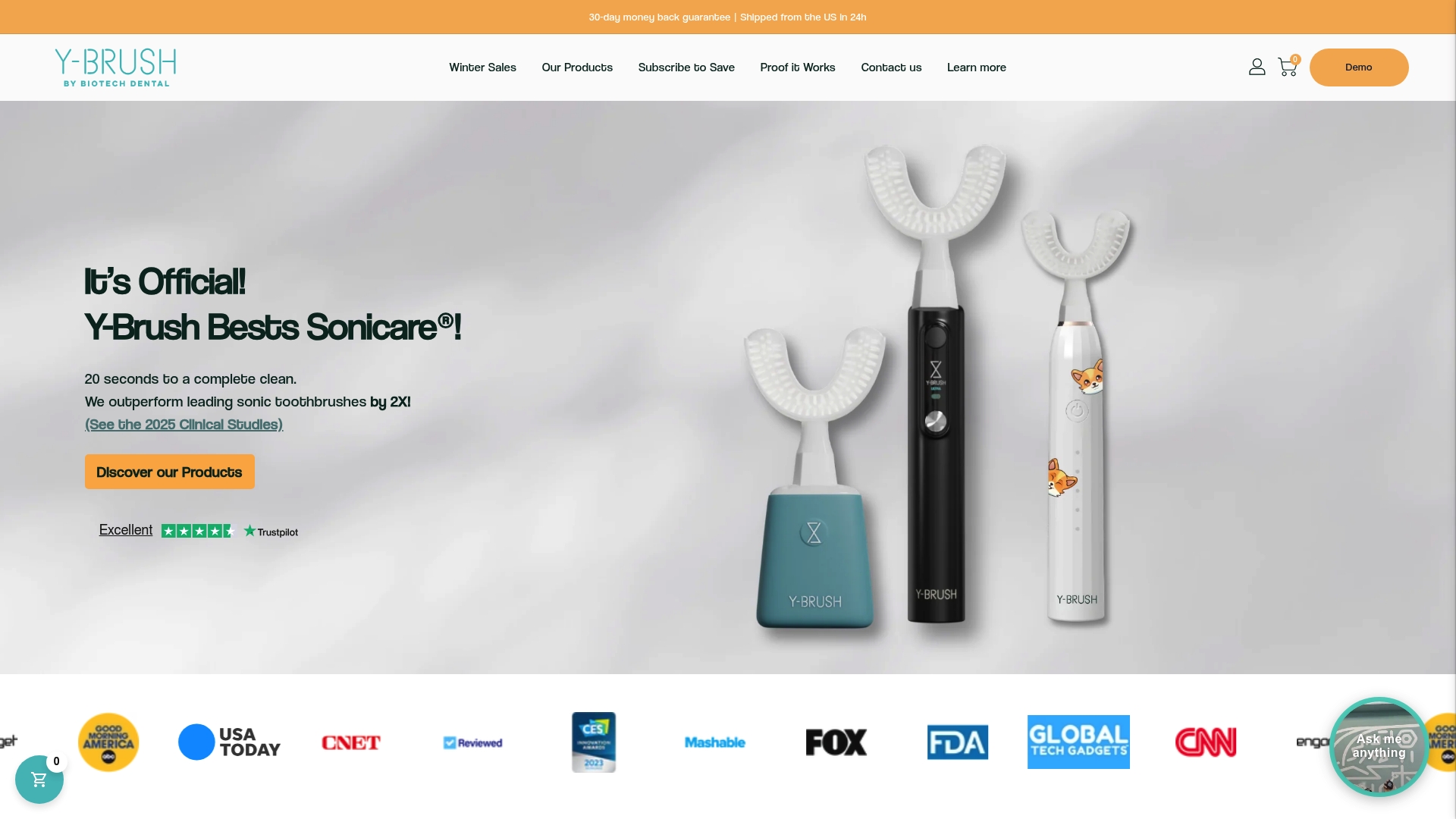
Whether you are building a new teeth brightening routine from scratch or reinforcing an existing one, Y-brush fits into your day without friction. The Y-brush Essential Sonic Toothbrush is the practical starting point for anyone serious about daily oral care that actually gets done.
FAQ
What are the best daily habits for whiter teeth?
Brushing twice daily for two minutes with a soft-bristled toothbrush, flossing once daily, and rinsing with water after staining beverages are the three most effective daily habits. Consistent execution of these basics outperforms any single whitening product used inconsistently.
How long does it take to see results from natural whitening methods?
Baking soda paste used two to three times weekly produces visible results in 10 to 14 days. Oil pulling requires four to six weeks of daily use before noticeable improvement. Natural methods improve tooth color by 1 to 3 shades over weeks, not days.
Can whitening toothpaste change the natural color of my teeth?
Whitening toothpaste removes surface stains but does not bleach intrinsic tooth color. Only peroxide-based bleaching agents can alter the underlying shade of enamel. Whitening toothpaste is most effective as a maintenance tool after professional treatment.
Is hydrogen peroxide safe to use at home for whitening?
Hydrogen peroxide at 3% concentration, diluted with equal parts water, is safe for home use when swished for one to two minutes several times per week. Prolonged use or undiluted application causes gum irritation and sensitivity, so following concentration guidelines is critical.
How does diet affect tooth whiteness?
Coffee, tea, red wine, and tobacco are the primary dietary and lifestyle contributors to tooth staining. Drinking through a straw, rinsing with water after consumption, and limiting sipping frequency throughout the day all reduce cumulative stain exposure and support whitening progress.


