


TL;DR:
- Natural teeth whitening mainly targets surface stains and can improve brightness by 1-3 shades over several weeks with consistent, gentle routines.
- It is essential to protect enamel, avoid harmful DIY methods like lemon juice or charcoal, and set realistic expectations aligned with scientific evidence.
You want a brighter smile without a dentist’s bill or a shelf full of chemical strips. Learning how to whiten teeth naturally is a reasonable goal, and the good news is that several methods genuinely work. The key is knowing which ones are safe, which ones are overhyped, and how to build a routine that delivers real results without quietly destroying your enamel in the process. This guide covers all of it.
Table of Contents
- Key takeaways
- What natural whitening can actually do
- Preparation: what you need before you start
- Step-by-step guide to natural whitening methods
- Tracking progress and keeping results
- My honest take on natural teeth whitening
- The right tools make every method work better
- FAQ
Key takeaways
| Point | Details |
|---|---|
| Surface stains only | Natural methods work on extrinsic stains; intrinsic discoloration requires professional treatment. |
| Frequency matters | Use baking soda 1-2 times per week maximum to avoid enamel damage from over-abrasion. |
| Hygiene beats quick fixes | Consistent brushing, flossing, and rinsing prevents new stains better than any single remedy. |
| Expect modest results | Natural whitening typically delivers a 1-3 shade improvement, not the dramatic shift of professional bleaching. |
| Consult your dentist first | Cavities or gum disease must be addressed before starting any whitening routine. |
What natural whitening can actually do
Before you mix anything in a bowl, you need a clear picture of what natural whitening methods can and cannot deliver. This understanding will save you frustration and protect your teeth.
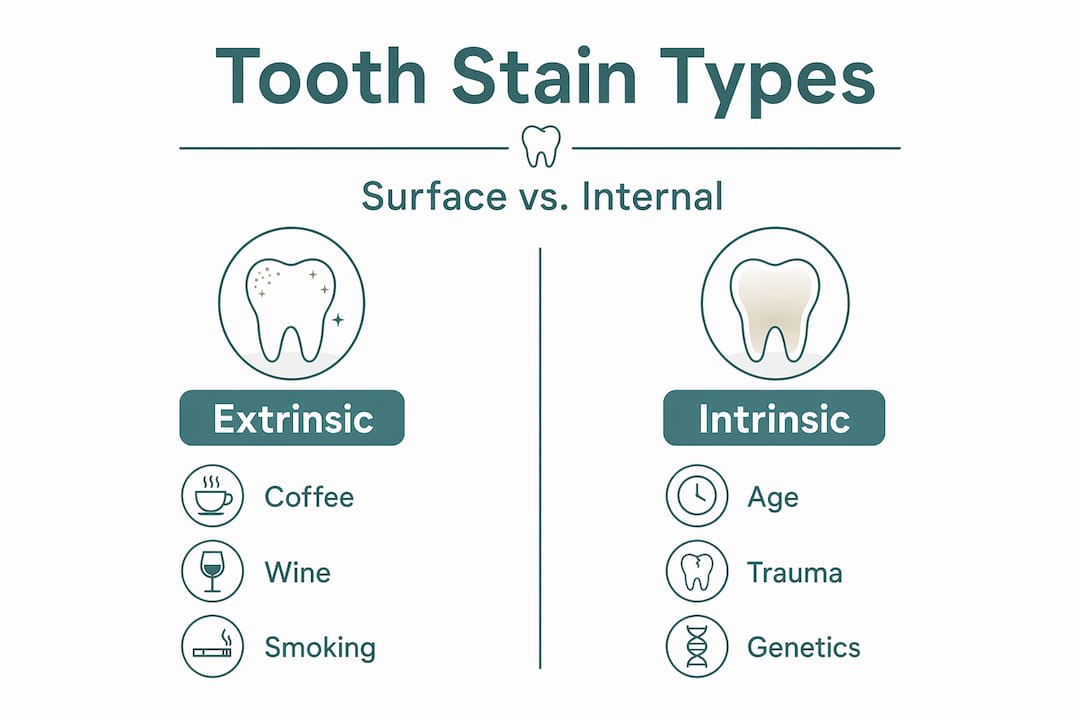
Tooth stains fall into two categories. Extrinsic stains sit on the outer surface of your enamel. They come from coffee, tea, red wine, tobacco, and dark-pigmented foods. These are the stains that natural methods target. Intrinsic stains live deeper inside the tooth structure, in the dentin layer. They develop from aging, certain medications like tetracycline, trauma, or excessive fluoride exposure during childhood. No amount of baking soda or oil pulling will touch intrinsic discoloration. That requires professional bleaching or veneers.
The structure of your teeth also matters. Enamel is the hard, translucent outer shell. Dentin, the layer underneath, is naturally yellowish. When enamel thins, your teeth look more yellow, not because they are stained, but because the dentin beneath shows through more strongly. This is why protecting enamel is not optional. It is the foundation of a bright smile.
Here is what you need to be realistic about:
- Natural whitening methods typically achieve a 1-3 shade improvement; professional bleaching can reach 6-8 shades
- Results take time. Baking soda shows visible change in 10-14 days; oil pulling takes 4-6 weeks
- Overuse of abrasive agents can thin enamel and actually worsen yellowing over time
- People with gum disease, cracked teeth, or large cavities should consult a dentist before starting any whitening routine
Setting the right expectations is not pessimism. It is how you avoid wasting time on methods that cannot help your specific situation, and how you avoid harming teeth in the pursuit of a whiter smile.
Preparation: what you need before you start
Getting ready properly takes about five minutes and protects you from the most common mistakes people make when trying natural whitening.
| Item | Purpose | Safe frequency |
|---|---|---|
| Baking soda | Mild abrasive; removes surface stains | 1-2 times per week |
| Coconut oil | Oil pulling; reduces plaque and surface staining | Daily, 10-20 minutes |
| Hydrogen peroxide (1.5-3%) | Mild bleaching rinse | 2-3 times per week |
| Soft-bristle toothbrush | Gentle cleaning without enamel abrasion | Twice daily |
| Dental floss | Removes plaque between teeth | Daily |
Start with a dental health check. If you have untreated cavities or gum disease, whitening agents can seep into sensitive areas and cause real pain. Oral health problems must be resolved before whitening to avoid worsening sensitivity or damaging exposed tooth roots.
Your toothbrush matters more than most people realize. A soft-bristle brush used correctly removes plaque without grinding away enamel. Pair that with daily flossing, and you are already removing the biofilm that causes most surface staining. This baseline hygiene work is not glamorous, but consistent brushing and flossing prevents new stains and smooths the enamel surface, making every other natural method more effective.
When purchasing hydrogen peroxide for rinsing, confirm the concentration on the label. Pharmacy-grade hydrogen peroxide is often sold at 3%. Use it diluted 1:1 with water to reach a safe 1.5% concentration. Never use higher concentrations at home.
Pro Tip: Take a photo of your smile in natural light before starting any whitening routine. Use this as your baseline. Progress in teeth whitening is subtle and gradual, and without a reference point, you may not notice real improvements over 4-6 weeks.
Step-by-step guide to natural whitening methods
This is where the practical work happens. Each method below is ordered from most evidence-backed to most supplementary.
1. Baking soda paste
Baking soda is one of the most studied natural whitening agents. Baking soda toothpastes remove stains 0.7 to 2.9 times more effectively than non-baking-soda options. Its mild abrasive texture scrubs surface stains, and its alkaline pH helps neutralize acids in the mouth. You can read more about safe application at this baking soda guide from Y-Brush.
How to use it:
- Mix a small amount of baking soda with enough water to form a thin paste.
- Apply the paste to your toothbrush.
- Brush gently in circular motions for 2 minutes.
- Rinse thoroughly.
- Repeat no more than twice per week.
The twice-per-week limit is not a suggestion. Daily baking soda use can thin enamel through over-abrasion and expose the yellow dentin layer underneath, making your teeth look worse over time.
2. Coconut oil pulling
Oil pulling has roots in traditional Ayurvedic medicine, but modern research backs its effectiveness for oral health. Daily oil pulling reduces plaque by 52% and gingivitis by 44% after 30 days. Less plaque on the enamel surface means fewer surface stains accumulating over time.
The protocol is straightforward. Swish one tablespoon of coconut oil in your mouth for 10 to 20 minutes, then spit it into a trash can (not the sink, where it can clog pipes over time). Rinse with water, then brush normally. Do this in the morning before eating for best results.
3. Diluted hydrogen peroxide rinse
Hydrogen peroxide works as a mild bleaching agent. Use a 1.5-3% concentration two to three times per week as a pre-brush rinse. Swish for 60 seconds, spit, then brush with your regular toothpaste. Never swallow it. If you notice increased tooth sensitivity, reduce frequency or stop.
4. Dietary choices and stain-fighting foods
Some foods actively help reduce surface staining. Crunchy fruits and vegetables like apples, carrots, and celery act as natural scrubbers against the enamel surface. Strawberries contain malic acid, which some studies suggest may help remove surface stains, though the effect is mild.

The more impactful dietary strategy is reduction. Coffee, tea, red wine, and dark berries are the biggest contributors to extrinsic staining. You do not need to eliminate them. Rinsing your mouth with water immediately after consuming staining foods and drinks significantly reduces how much pigment settles into enamel.
Pro Tip: Use a straw when drinking coffee or iced tea. It sounds minor, but reducing direct contact between dark liquids and your front teeth noticeably slows stain accumulation over months.
What to avoid
Several popular DIY whitening hacks are genuinely harmful. Dentists advise against activated charcoal, lemon juice, and vinegar due to enamel erosion and gum irritation risks. Lemon juice and vinegar are highly acidic and dissolve enamel. Activated charcoal is too abrasive for regular use and has no peer-reviewed evidence supporting its whitening claims.
Viral trends like rubbing banana peel on teeth are harmless but not meaningfully effective. Treat them as a curiosity, not a whitening strategy.
Tracking progress and keeping results
Patience is not optional with natural whitening. Here is what a realistic progress timeline looks like:
- Baking soda paste: Visible surface stain reduction in 10-14 days with consistent twice-weekly use
- Oil pulling: Noticeable plaque reduction and subtle brightening after 4-6 weeks of daily use
- Hydrogen peroxide rinse: Gradual stain lightening over 2-4 weeks of regular use
- Dietary and hygiene improvements: Ongoing prevention of new stains, compounding benefits over months
Watch for two signs that tell you to slow down or stop. First, increased tooth sensitivity during or after whitening treatments signals enamel stress. Second, visible white spots or chalky patches on the enamel surface indicate demineralization. Both require a pause and a dentist consultation.
Brushing timing matters more than most people expect. Brushing immediately after acidic foods or drinks spreads the acid across your enamel and accelerates erosion. Wait at least 30 minutes after consuming anything acidic before brushing.
Long-term maintenance comes down to three habits. Rinse after staining foods, floss daily, and brush consistently for a full two minutes. Most people brush for under one minute, which leaves significant plaque and staining residue behind. The mechanics of stain prevention are simple. The challenge is doing them consistently every single day.
If you have followed natural methods for 8-10 weeks without meaningful improvement, that is a clear signal to consult a dentist. Some discoloration simply does not respond to at-home methods, and a professional cleaning or supervised whitening treatment may be the right next step.
My honest take on natural teeth whitening
I’ve spent a lot of time looking at what the evidence actually says here, and my honest perspective is this: most people who are frustrated by natural whitening results made one of two mistakes. They either tried methods that science does not support (charcoal, lemon juice, viral hacks), or they expected professional-level results from gentle home treatments.
What actually works is less exciting than the hacks. Baking soda used correctly, oil pulling done consistently, a diluted hydrogen peroxide rinse, and, above all, solid daily hygiene. These are not glamorous. They are reliable.
I’ve seen people get genuinely noticeable results in 6-8 weeks by doing nothing more than adding baking soda paste twice a week and committing to two full minutes of brushing daily. The brushing duration is the part most people underestimate. You can read more about effective whitening habits that dental professionals actually recommend.
The uncomfortable truth about natural whitening is that it requires patience and consistency, not a magic ingredient. Anyone promising 8-shade improvements from a kitchen remedy is not being honest with you. But 1-3 shades brighter over a couple of months? That is completely achievable without spending money on commercial strips or treatments. Protect your enamel, stay consistent, and set expectations grounded in what the research actually shows.
— Joris
The right tools make every method work better
Natural whitening methods only perform as well as your daily brushing routine supports them. If plaque and surface staining are not being thoroughly removed every day, even the best natural remedies have less to work with. Y-Brush was built for exactly this challenge.
The Y-Brush Essential Sonic Toothbrush delivers a complete, effective clean in just 20 seconds, removing plaque across all tooth surfaces simultaneously. For those who want advanced sonic performance, the Y-Brush Ultra brings premium technology to your daily routine. Both models support the consistent enamel care and plaque removal that make natural whitening methods more effective over time. When your baseline oral hygiene is strong, every natural method you add builds on a clean foundation.
FAQ
What is the fastest natural way to whiten teeth?
Baking soda paste produces visible stain reduction in as little as 10-14 days, making it the fastest-acting of the well-supported natural methods. Use it 1-2 times per week to avoid enamel damage.
Can I whiten teeth naturally every day?
Most natural whitening treatments should not be used daily. Abrasive treatments like baking soda should be limited to twice per week. Oil pulling is the one method safe for daily use.
Does oil pulling actually whiten teeth?
Oil pulling does not bleach teeth, but it reduces plaque by 52% after 30 days of daily use. Less plaque means fewer surface stains accumulate, resulting in a visibly brighter smile over time.
Are there natural whitening methods that damage teeth?
Yes. Lemon juice, vinegar, and activated charcoal are popular but genuinely harmful. Dentists advise against all three due to enamel erosion and increased sensitivity risks.
When should I see a dentist instead of using home remedies?
If your teeth are discolored from medication, aging, or trauma rather than surface staining, natural methods will not help. Intrinsic discoloration requires professional treatment. Also consult a dentist if sensitivity increases or results stall after 8-10 weeks.


