


TL;DR:
- Whitening toothpastes primarily remove surface stains using abrasives and sometimes peroxides.
- Results are modest, typically less than one shade brighter after several weeks of consistent use.
- Ingredients like hydroxyapatite support enamel health while providing mild whitening benefits.
Whitening toothpaste lines store shelves and fills social feeds with promises of a brighter, more confident smile. Yet many people who use these products daily notice only subtle changes, if any at all. The reality is that not all whitening toothpastes work the same way, and marketing claims often outpace actual results. Understanding what these products can and cannot do is the first step toward making genuinely informed oral health decisions. This guide breaks down the science, sets realistic expectations, compares key ingredients, and gives you a clear, practical path to a healthier, brighter smile.
Table of Contents
- How whitening toothpaste works
- What results can you really expect?
- Comparing key ingredients: What matters most?
- How to use whitening toothpaste effectively and safely
- A smarter path to a whiter smile: What most people miss
- Upgrade your whitening routine with Y-Brush
- Frequently asked questions
Key Takeaways
| Point | Details |
|---|---|
| Surface stains improved | Whitening toothpastes are most effective for removing and lightening recent, surface-level stains. |
| Modest results only | Expect a slight shade improvement—these toothpastes don’t replace professional treatments. |
| Ingredient awareness matters | Choosing the right formula helps maximize results while protecting enamel and oral health. |
| Consistency is crucial | Using whitening toothpaste as directed leads to the safest and best possible results. |
How whitening toothpaste works
With common misconceptions addressed, let’s clarify what whitening toothpaste actually does at the chemical and physical level. Most formulas rely on one or more core mechanisms to reduce the appearance of tooth stains.
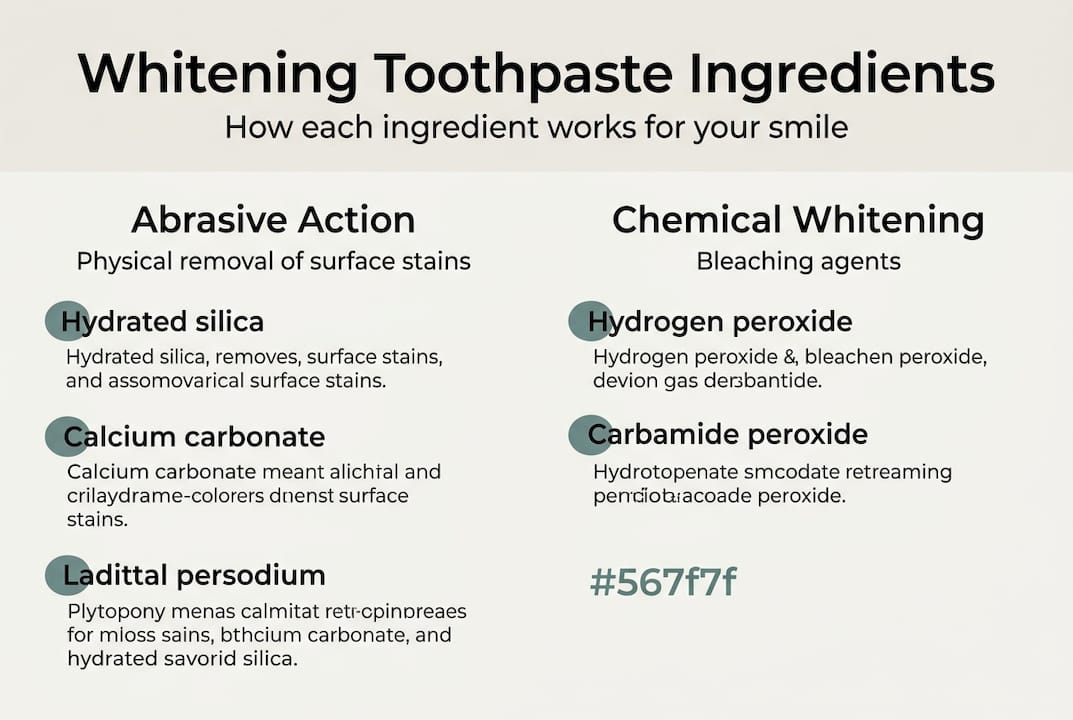
The most common approach uses abrasives. Ingredients like hydrated silica or calcium carbonate act like microscopic scrubbing particles, physically polishing away surface stains left by coffee, tea, red wine, and tobacco. This mechanical action is genuinely effective for extrinsic stains, which are the discolorations that sit on the outer surface of enamel.
Some formulas also include peroxides, such as hydrogen peroxide or carbamide peroxide, which aim to chemically bleach stains. However, whitening toothpastes remove surface stains using abrasives and sometimes peroxides, with limited bleaching effect due to minimal contact time. Because you rinse toothpaste out within two minutes, peroxides simply do not stay on the teeth long enough to produce the deeper whitening you would get from a tray or strip treatment.
A newer and increasingly popular ingredient is hydroxyapatite, a mineral that naturally makes up most of tooth enamel. Beyond mild stain reduction, it helps remineralize enamel, which supports long-term tooth strength alongside cosmetic improvement. You can learn more about choosing a whitening toothpaste that matches your specific needs.
It is equally important to know what whitening toothpaste cannot do:
- It cannot change the natural color of your teeth
- It does not treat intrinsic stains caused by aging, antibiotics, or trauma
- It will not replicate the results of professional whitening treatments
- It cannot reverse significant enamel discoloration from systemic causes
“Whitening toothpaste is a useful daily maintenance tool, but it works best when users understand its boundaries and choose formulas appropriate for their enamel health.”
Reviewing ADA guidelines on whitening toothpaste is always a smart starting point when evaluating which products meet verified safety and efficacy standards.
What results can you really expect?
Now that we know how whitening toothpastes work, let’s look at what you can actually expect to see in the mirror and what remains out of reach.
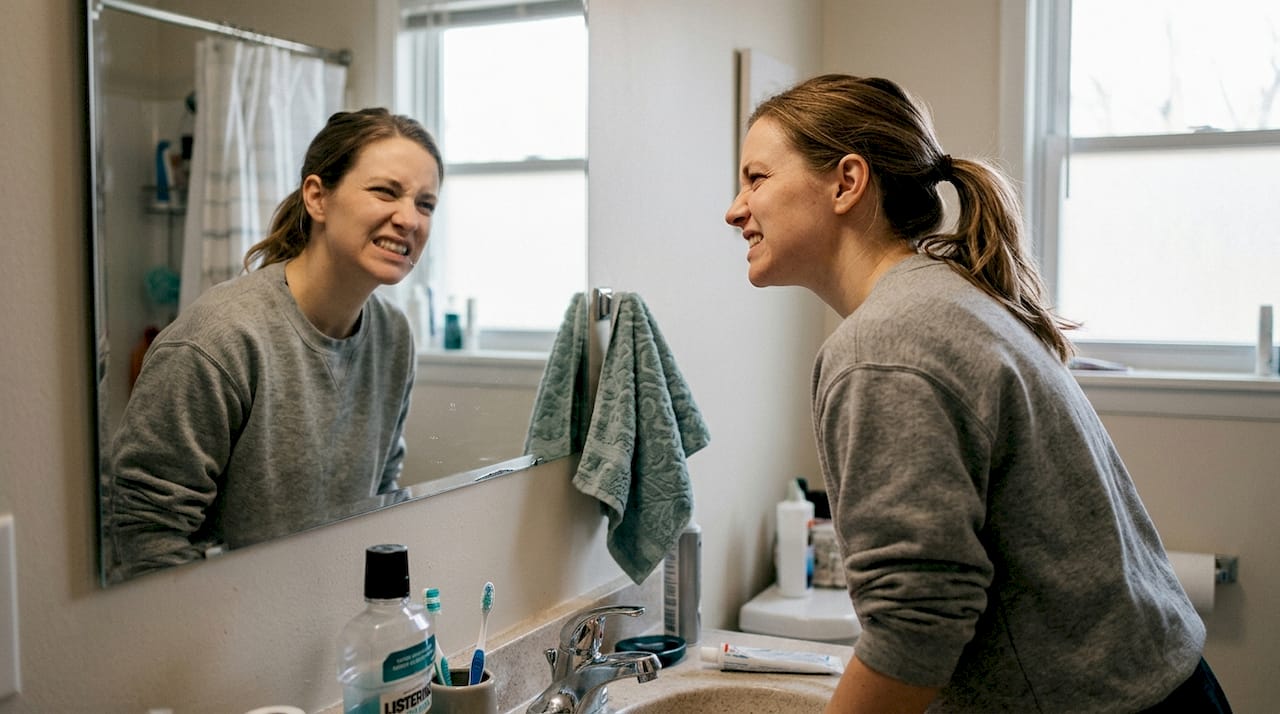
Visible whitening occurs within weeks for superficial stains, but results are modest compared to professional treatments, typically brightening by less than one shade. Most consistent users notice a difference in two to six weeks, primarily in the reduction of surface staining.
| Treatment type | Shade improvement | Timeframe |
|---|---|---|
| Whitening toothpaste | Less than 1 shade | 2 to 6 weeks |
| Whitening strips | 2 to 4 shades | 1 to 2 weeks |
| Professional in-office | 5 to 7 shades | 1 to 2 sessions |
The table above illustrates a key truth: whitening toothpaste occupies the maintenance end of the spectrum, not the transformation end. It is ideal for people who want to preserve a clean appearance between professional visits or prevent new staining from forming.
Statistic to note: Professional whitening can brighten teeth by five to seven shades, while whitening toothpaste typically delivers less than one shade of improvement under consistent daily use.
For those looking for broader strategies, exploring tips for whiter teeth can help you build a more complete approach. If you are considering faster options, reviewing fast and safe whitening methods provides a useful comparison of what is available in 2026.
Pro Tip: Look for the ADA Seal of Acceptance on any whitening toothpaste you buy. This seal confirms the product has been tested for both safety and effectiveness for whitening natural teeth, giving you a reliable baseline of quality.
Comparing key ingredients: What matters most?
Understanding potential results, it’s key to know what’s inside the tube and how those ingredients impact both whitening and oral health.
Abrasives and peroxides have different whitening actions, while hydroxyapatite offers additional remineralization alongside stain removal. Here is how the main ingredients compare:
| Ingredient | Whitening action | Key benefit | Consideration |
|---|---|---|---|
| Abrasives (silica) | Physical polishing | Effective on surface stains | Risk of enamel wear if overused |
| Hydrogen peroxide | Chemical bleaching | Targets stain pigments | Short contact time limits effect |
| Hydroxyapatite | Mild stain reduction | Remineralizes enamel | Newer; still accumulating long-term data |
| Baking soda | Gentle abrasion | Inexpensive, widely available | Less effective on heavy stains |
Each ingredient has a distinct role. Abrasives are the workhorses of most whitening formulas, but they come with a trade-off: excessive use or high-abrasivity formulas can gradually thin enamel. Peroxides sound powerful, but their real-world impact in toothpaste is constrained by how briefly they contact your teeth.
Hydroxyapatite stands out because it does double duty. It supports remineralizing toothpastes goals while also contributing to surface stain reduction. Baking soda remains a reliable, budget-friendly option, and research consistently shows it is gentler on enamel than many synthetic abrasives.
Key points to keep in mind when reading ingredient labels:
- RDA score (Relative Dentin Abrasivity) below 250 is considered safe by the ADA
- Formulas with fluoride alongside whitening agents support cavity prevention
- Peroxide-based toothpastes are not inherently superior to abrasive-only formulas for daily use
- Baking soda for whitening is a legitimate, low-risk option for sensitive users
Pro Tip: If you experience tooth sensitivity after switching to a whitening toothpaste, check the RDA score on the product. Formulas with lower abrasivity scores are gentler and better suited for daily long-term use.
How to use whitening toothpaste effectively and safely
After ingredient comparisons, here’s how you can put whitening toothpaste into your daily routine for optimal and safe results.
Consistent use of ADA Seal whitening toothpastes is safe for natural teeth and can help brighten by removing surface stains. The key word is consistent. Sporadic use will not deliver noticeable results.
Follow these steps to get the most from your whitening toothpaste:
- Brush twice daily using a pea-sized amount of whitening toothpaste, ideally morning and before bed
- Brush for the full recommended time to allow abrasives and active ingredients to work across all tooth surfaces
- Alternate with a standard fluoride toothpaste if you notice sensitivity developing, rather than stopping whitening toothpaste entirely
- Monitor your gums and enamel for signs of irritation, increased sensitivity, or roughness, and reduce frequency if these occur
- Floss daily to remove plaque from between teeth, where toothpaste cannot reach
- Schedule regular dental checkups so your dentist can assess enamel health and recommend adjustments
For guidance on selecting the best toothpaste for your specific oral health needs, it helps to evaluate fluoride content, abrasivity, and any sensitivity-related formulations together. Pairing whitening toothpaste with strong dental hygiene essentials ensures you are supporting overall oral health, not just cosmetic goals.
Pro Tip: Rinse your mouth with water after meals containing coffee, tea, or red wine before brushing. This reduces the staining load your whitening toothpaste has to address and helps protect enamel from brushing acidic residue directly into the surface.
A smarter path to a whiter smile: What most people miss
Having covered practical routines, it is worth stepping back to share the deeper truths behind effective whitening that many guides overlook.
Most whitening toothpastes offer cosmetic improvement, not dramatic transformation. That distinction matters because it shapes how you invest your time, money, and expectations. The oral health industry is skilled at packaging subtle results as revolutionary breakthroughs. Ingredient awareness is your best defense against that.
What we have seen consistently is that people who understand their ingredients make better choices and avoid the enamel damage that comes from chasing overpromised results. Hydroxyapatite, for example, is genuinely exciting not because it whitens dramatically, but because it supports enamel health while providing mild cosmetic benefit. That is a meaningful trade-off that aggressive peroxide marketing rarely acknowledges.
The most effective approach combines discipline, a smart diet that limits staining foods, and a solid daily hygiene routine. Whitening toothpaste plays a supporting role in that system. It is not the star. Exploring teeth whitening devices alongside toothpaste can give you a fuller picture of what a truly integrated whitening strategy looks like. And above all, regular professional dental input keeps you grounded in what your specific teeth actually need.
Upgrade your whitening routine with Y-Brush
Whitening toothpaste works best when paired with a brushing tool that ensures thorough, consistent coverage across every tooth surface. If your brush is not reaching all the right spots, even the best toothpaste formula will underperform.
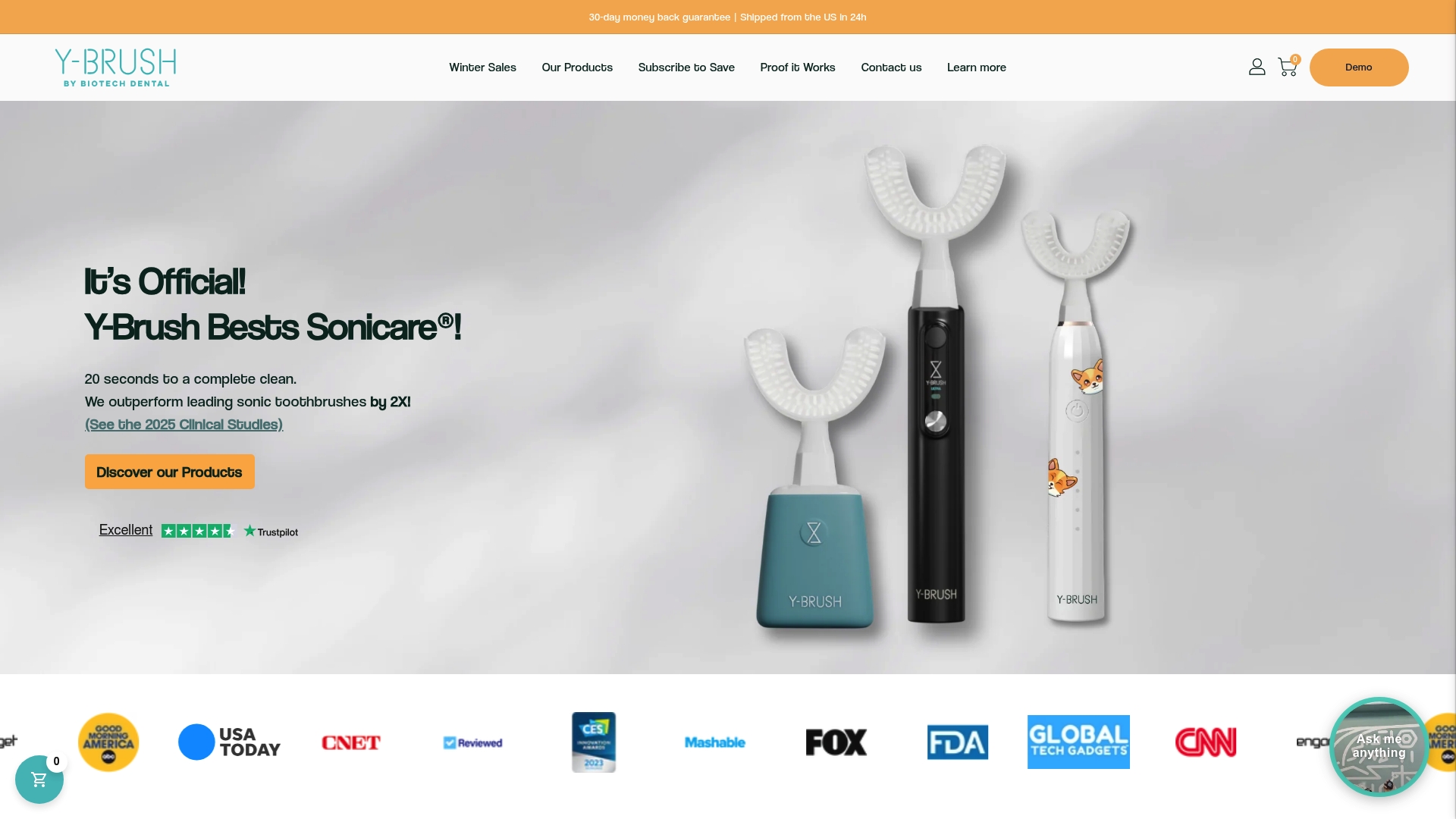
Y-Brush is built around exactly this problem. While 90% of people brush for under one minute, Y-Brush delivers a complete, gentle clean in just 20 seconds, ensuring your whitening toothpaste has the best possible contact with every surface. Explore the full range of Y-Brush toothbrushes designed to complement your whitening routine, or browse all Y-Brush brushes to find the model that fits your lifestyle. Better tools make every product in your routine work harder.
Frequently asked questions
Does whitening toothpaste damage enamel?
When used as directed, ADA-approved whitening toothpastes are safe for enamel, but abrasives can wear enamel if highly abrasive formulas are overused. Choosing a product with a low RDA score reduces this risk significantly.
How long does it take to see results from whitening toothpaste?
Visible whitening occurs within weeks for superficial stains, with most users noticing subtle stain reduction after two to six weeks of consistent twice-daily use.
Can whitening toothpaste replace professional whitening treatments?
No. Whitening toothpastes remove surface stains but do not alter deep or intrinsic tooth color. Professional treatments brighten by five to seven shades, far beyond what any toothpaste can achieve.
Is hydroxyapatite in toothpaste good for whitening?
Hydroxyapatite offers remineralization benefits alongside mild stain reduction, making it a strong option for users who want both cosmetic and structural enamel support in one formula.


