


TL;DR:
- Personalized oral care tailors dental routines to individual genetics, habits, and risk factors.
- Technologies like genetic screening, AI scoring, and smart toothbrushes improve outcomes by providing real-time feedback.
- Personalized routines benefit high-risk groups and busy individuals by enhancing effectiveness and adherence.
Most people follow the same dental routine they were taught as children: brush twice a day, floss occasionally, and see a dentist once a year. But traditional dentistry is often suboptimal for ignoring individual factors like genetics, lifestyle, and risk profile. The result? A routine that may feel adequate but leaves significant improvement on the table. Personalized oral care changes that equation entirely. By tailoring brushing habits, tools, and professional guidance to your specific biology and daily life, you can achieve results that generic advice simply cannot match. This article breaks down what personalized oral care is, how it works, and how you can start benefiting from it today.
Table of Contents
- What is personalized oral care?
- How personalized oral care works: The science and tools
- Who benefits most? Real-world impact and special cases
- Tools for personalized oral care at home
- Why convenience and personalization must go hand-in-hand
- Next steps: Smarter tools for your personalized oral care
- Frequently asked questions
Key Takeaways
| Point | Details |
|---|---|
| Tailored routines work best | Customizing oral care to your unique needs delivers much better results than generic advice. |
| Tech and science lead change | Innovations like AI, smart brushes, and genetic tests are making truly personalized oral care possible. |
| Biggest gains for high-risk groups | Older adults and people with specific risks benefit most from switching to personalized oral care. |
| Convenience drives consistency | Simple, easy-to-use tools help make helpful routines stick in busy daily life. |
What is personalized oral care?
Personalized oral care is an approach that adapts dental hygiene strategies to the individual rather than applying a single standard to everyone. Instead of universal recommendations, it factors in your genetic makeup, saliva composition, existing dental history, lifestyle habits, and even your anxiety levels around dental visits.
Traditional dental care, by contrast, operates on broad population averages. Your dentist recommends fluoride toothpaste and a two-minute brush because that works reasonably well for most people. But “most people” is not you specifically. Traditional dentistry often overlooks individual factors like anxiety and comorbidities, which means millions of people receive advice that is technically correct but practically incomplete for their situation.
Personalized oral care draws inspiration from broader trends in medicine, including personalized nutrition, where individual biology drives recommendations rather than population-wide guidelines. The parallel is direct: just as your diet should reflect your metabolism and health goals, your oral care routine should reflect your unique risk factors and habits.
The main components of personalized oral care include:
- Genetic screening: Identifying gene variants like IL-1 and TNF-α that signal elevated risk for gum disease or tooth decay
- AI-driven oral scoring: Digital tools that analyze brushing patterns, coverage, and pressure to generate personalized feedback
- Salivary biomarker testing: Measuring bacterial load and pH levels in saliva to assess real-time cavity or gum disease risk
- Personalized coaching: Tailored brushing instructions, flossing techniques, and product recommendations based on your profile
- Smart toothbrushes: App-connected devices that track your habits and adjust guidance in real time
Here is how personalized oral care compares to traditional approaches:
| Feature | Traditional oral care | Personalized oral care |
|---|---|---|
| Recommendation basis | Population averages | Individual biology and habits |
| Genetic risk assessment | No | Yes |
| Real-time feedback | Rarely | Yes, via smart tools |
| Routine adaptability | Static | Dynamic and evolving |
| Potential improvement | Baseline | Up to 20-50% better outcomes |
“Personalized care is not a luxury upgrade. It is a more accurate way to protect your health by treating you as an individual, not a statistic.”
This shift matters because oral health is deeply connected to systemic health. Gum disease has been linked to cardiovascular conditions, diabetes, and more. Getting your oral care right is not just about a clean smile. It is about protecting your overall wellbeing. Exploring oral care innovation helps clarify just how far this field has advanced in recent years.
How personalized oral care works: The science and tools
Understanding the concept is one thing. Knowing what actually powers personalized oral care is another. Several technologies and methodologies now make it possible to move beyond guesswork and into precision dental hygiene.
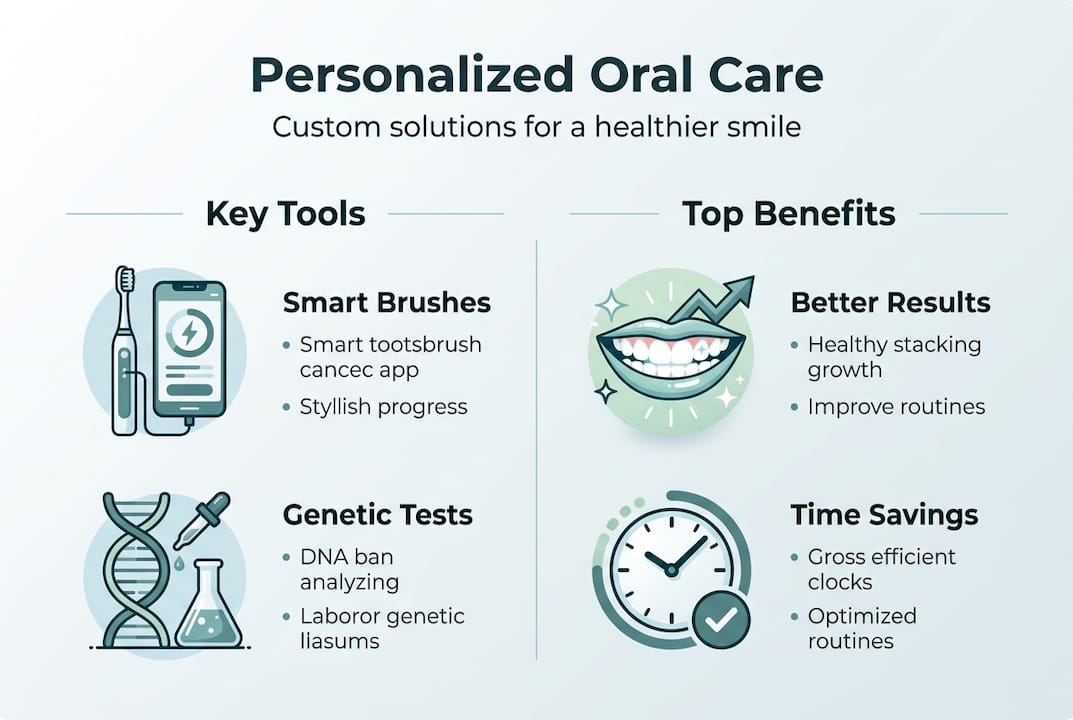
Personalized oral care methodologies include genetic screening for markers like IL-1 and TNF-α, biomarker analysis, AI-driven oral scoring, salivary testing, and smart toothbrushes that deliver real-time feedback. Each tool serves a distinct purpose in building a complete picture of your oral health.
Here is how each key tool works:
- Genetic screening identifies inherited susceptibility to conditions like periodontitis. Knowing your risk level allows you and your dentist to take preventive steps before problems develop.
- Salivary testing measures bacterial strains and pH balance in your mouth. High acid levels or harmful bacteria can be addressed with targeted rinses or dietary adjustments.
- AI oral scoring analyzes brushing data to identify weak spots in your technique, such as consistently missing the back molars or applying too much pressure on the gum line.
- Smart toothbrushes connect to apps that visualize your brushing coverage in real time, turning a mundane habit into a trackable health metric.
- Personalized coaching platforms synthesize all this data into actionable recommendations, from which toothpaste formula suits your enamel to how often you should schedule cleanings.
The research backing these tools is compelling. AI Oral Score Basic scoring is more precise, improving diagnostic accuracy over earlier indices. This means AI tools are not just convenient additions; they are clinically meaningful upgrades to how oral health is assessed.
Statistic callout: Personalized approaches to plaque and gingivitis management have shown up to 50% better reduction rates compared to standard care protocols in clinical settings.
| Tool | What it measures | Benefit |
|---|---|---|
| Genetic screening | IL-1, TNF-α gene variants | Identifies disease susceptibility early |
| Salivary testing | Bacterial load, pH | Targets cavity and gum disease risk |
| AI oral scoring | Brushing patterns and coverage | Improves technique accuracy |
| Smart toothbrushes | Pressure, duration, zones | Real-time habit correction |
| Coaching platforms | Aggregated health data | Holistic, evolving care plans |
The future of toothbrushing is being shaped by these tools right now, and advanced toothbrush tech is becoming more accessible to everyday users, not just clinical research participants.
Who benefits most? Real-world impact and special cases
The science is clear, but who actually sees the biggest gains from personalized oral care in practice? The answer spans a wider range of people than most expect.
Groups that benefit most include:
- Older adults and denture wearers: A randomized controlled trial found that personalized oral instruction reduced plaque index by over 20% and doubled denture cleanliness scores compared to standard care.
- People with genetic risk factors: Those carrying IL-1 or TNF-α variants face significantly higher risk of periodontitis and benefit from early, targeted intervention.
- Busy professionals: Personalized routines that account for time constraints and lifestyle patterns are more likely to be followed consistently, which is the real driver of long-term results.
- Smokers: Tobacco use alters oral microbiome composition and increases gum disease risk, making tailored protocols especially important.
- Institutionalized elderly and medically complex patients: Edge cases like elderly individuals in care facilities, high-risk genetic groups, and neutropenic patients gain the most from personalized approaches because standard care rarely addresses their compounded vulnerabilities.
“For older adults in particular, personalized oral care is not an optional enhancement. It is often the difference between maintaining oral function and losing it.”
For busy professionals, the key insight is that personalization does not require a clinical overhaul. Small, targeted adjustments to your existing routine, such as switching to a brush suited to your gum sensitivity or setting app-based reminders for consistent timing, can produce measurable improvements.
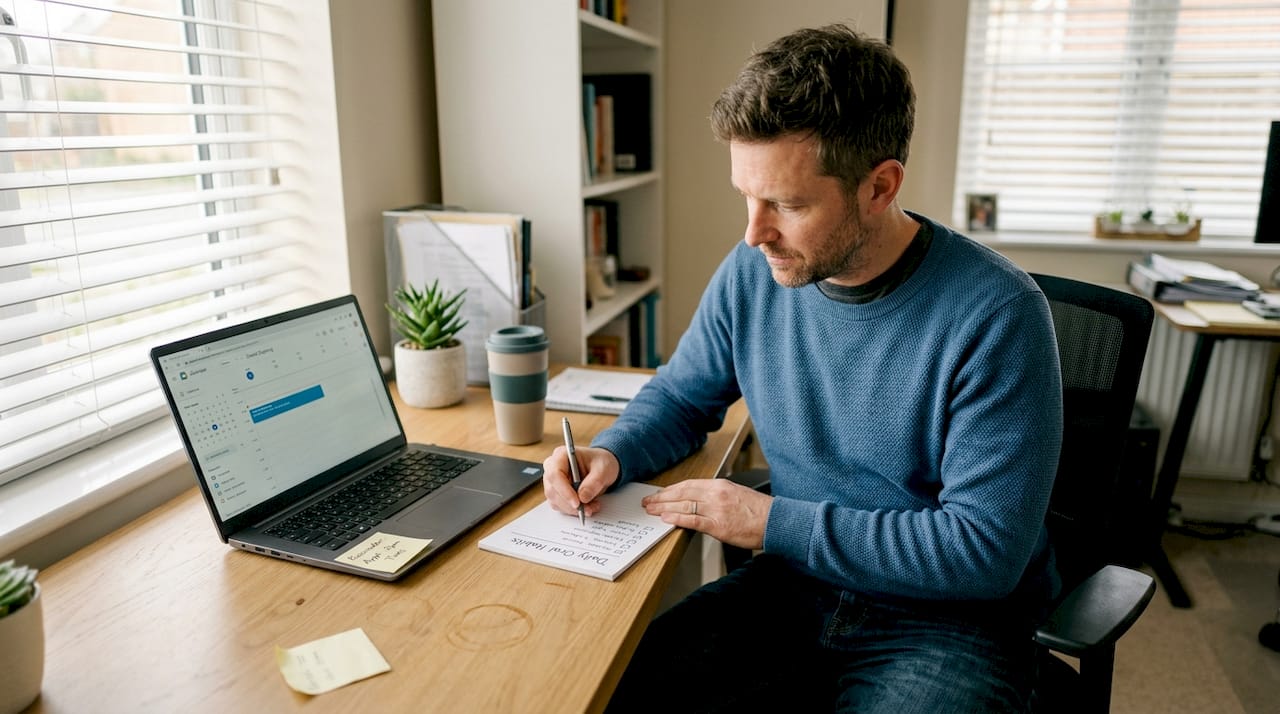
Pro Tip: Even without genetic testing, you can start personalizing your routine by tracking which areas of your mouth feel most sensitive or show the most buildup after brushing. Use that data to adjust your technique or product choices before your next dental visit.
For a closer look at how technology is making this practical for everyday Americans, oral care for busy Americans offers specific, actionable context.
Tools for personalized oral care at home
You do not need a laboratory or a specialist referral to start personalizing your oral care. A growing range of consumer tools makes it genuinely achievable at home, even with a packed schedule.
Smart toothbrushes and apps provide personalized feedback and instruction, adapting to your brushing style and flagging areas that need more attention. These tools are no longer niche products. They are practical, affordable, and increasingly effective.
How to get started with personalized oral care at home:
- Assess your current routine honestly. How long do you actually brush? Do you cover all four quadrants? Most people overestimate both duration and coverage.
- Choose a smart toothbrush or app-enabled device that tracks your brushing zones and pressure. Even basic models offer meaningful feedback.
- Note your dental history. If you have recurring cavities in specific areas or a history of gum sensitivity, use that information to guide your product choices and technique focus.
- Adjust your schedule to match your real life. If mornings are rushed, a 20-second full-coverage brush is far more effective than a two-minute brush you skip three days a week.
- Consult your dentist with your data. Bringing brushing reports from your app gives your dentist concrete information to work with, enabling more targeted professional recommendations.
Practical home tools to consider:
- App-connected electric toothbrushes with pressure sensors and zone mapping
- Brushing timer apps that track consistency over weeks and months
- Personalized reminder systems that align with your actual schedule
- Tailored toothpaste formulas based on sensitivity, enamel strength, or whitening needs
Pro Tip: If you have a complex dental history or high genetic risk, personalized home tools work best as a complement to professional care, not a replacement. Schedule a consultation to align your home routine with clinical guidance.
For practical guidance on getting the most from your brushing routine, effective brushing tips and smarter brushing are worth exploring as starting points.
Why convenience and personalization must go hand-in-hand
Here is something most guides on personalized oral care miss entirely: the most scientifically advanced routine in the world is worthless if you do not follow it. Compliance is the silent variable that determines whether personalized care actually delivers results.
We have seen this pattern repeatedly. People invest in genetic testing, download brushing apps, and purchase premium smart toothbrushes, then revert to their old habits within three weeks because the new routine feels like too much work. The technology was right. The timing was wrong.
True personalization means matching your oral care tools and habits to your actual life, not your ideal life. A 20-second full-coverage brush you do every single day outperforms a two-minute manual routine you skip when you are tired, rushed, or traveling. The best brushing tips are the ones you will realistically act on.
The uncomfortable truth is that simplicity drives consistency, and consistency drives outcomes. Personalized care should reduce friction, not add it. When you choose tools that fit your schedule and habits, the results follow naturally and sustainably.
Next steps: Smarter tools for your personalized oral care
Want to bring everything together? Discover tools that make healthy, personalized brushing truly achievable.
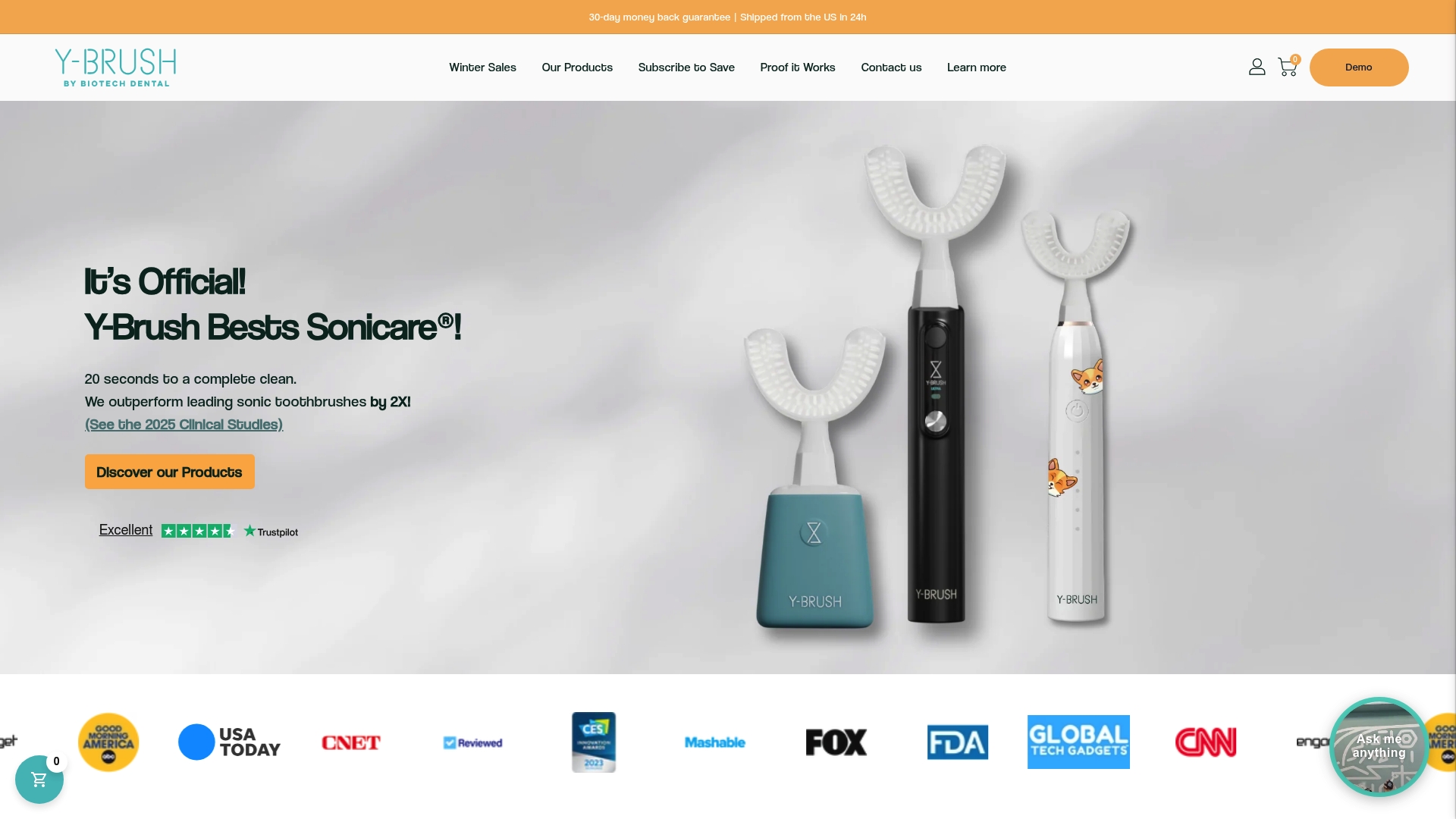
Y-Brush was built around one core insight: most people know they should brush better, but life gets in the way. Our solutions are designed to meet you where you are, delivering a superior clean that fits your schedule without compromise. Whether you are looking for an Essential Sonic Toothbrush for your daily routine, an Ultra Sonic Toothbrush for advanced performance, or a KidsBrush Sonic Electric Toothbrush to build great habits early, Y-Brush has a personalized option for every lifestyle and age.
Frequently asked questions
How does personalized oral care differ from regular dental routines?
Personalized oral care adapts to your genetics, habits, and risk factors, while regular routines apply the same general advice to everyone regardless of individual need.
Do smart electric toothbrushes really help personalize oral hygiene?
Yes. Smart brushes and apps use sensors to track coverage, pressure, and duration, then deliver feedback that adapts to your specific brushing style and weak spots.
Can personalized oral care save time for busy people?
Absolutely. Technology improves the speed and efficiency of brushing, allowing tailored routines to maximize results in less time than traditional approaches require.
Are there risks or downsides to personalized oral care?
Most approaches are safe and straightforward, but some methods like genetic testing can involve added cost, privacy considerations, or limited access depending on where you live.


