


TL;DR:
- Mouthpiece toothbrushes have advanced from novelty to a viable oral care option, but fit remains crucial for effectiveness. While they improve cleaning speed, current models still do not match the plaque removal efficiency of traditional electric or manual brushes. Supplementing mouthpiece brushing with flossing and regular replacement of the tray ensures optimal oral hygiene.
Mouthpiece toothbrushes have moved from novelty to a legitimate oral care category, yet plenty of confusion still surrounds the best mouthpiece toothbrush for daily use. The appeal is obvious: a U-shaped device that cleans all teeth simultaneously in seconds sounds too good to skip. But speed claims and actual plaque removal are two different conversations. This guide cuts through the marketing, examines clinical evidence, and gives you the specific criteria and model comparisons needed to make a genuinely informed choice.
Table of Contents
- Key takeaways
- How mouthpiece toothbrushes work
- Cleaning effectiveness: what the research shows
- Key features to evaluate before buying
- How to use a mouthpiece toothbrush for best results
- Top mouthpiece toothbrush models compared
- My honest take on mouthpiece toothbrushes
- Upgrade your routine with Y-Brush
- FAQ
Key takeaways
| Point | Details |
|---|---|
| Fit determines effectiveness | A mouthpiece that does not fit your jaw leaves critical areas under-cleaned, regardless of brush speed. |
| ADA recognition matters | Only Autobrush currently holds the ADA Seal among U-shaped toothbrushes, making clinical verification a key filter when comparing models. |
| Speed does not equal clean | Mouthpiece brushes clean well for a quick option, but tests confirm they still perform below traditional manual or electric toothbrushes. |
| Material quality affects longevity | Reinforced polymer mouthpieces outlast pure silicone versions in odor resistance and shape retention, lasting up to 6 months. |
| Supplement, do not replace | Combining mouthpiece brushing with conventional flossing or interdental cleaning produces the most thorough oral hygiene outcomes. |
How mouthpiece toothbrushes work
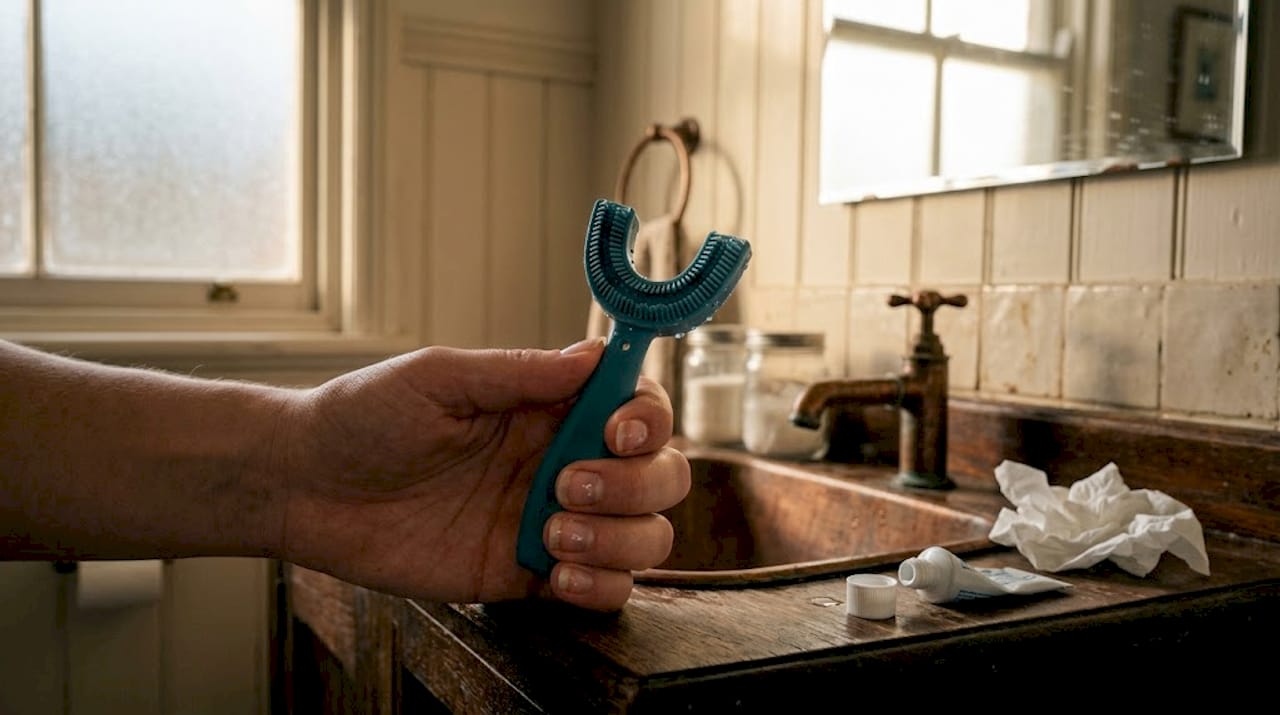
A mouthpiece toothbrush uses a U-shaped tray lined with bristles on both the inner and outer surfaces, along with a biting edge to contact the chewing surfaces. You bite down, activate the vibration or sonic motor, and the bristles move against all tooth surfaces at once. The full-arch contact is what separates this format from every other toothbrush design on the market.
Most traditional brushing sessions are meant to run two full minutes, yet 90% of people brush under one minute in real daily use. Mouthpiece devices attack that problem directly. Y-Brush, for instance, markets a cleaning cycle of around 20 seconds per arch, a figure that sounds dramatic until you consider the simultaneous multi-surface contact that makes it possible.
Key design elements to look for include:
- Bristle density and coverage: Denser bristle arrays improve contact with the gumline and tooth curves.
- Vibration mechanism: Sonic vibration moves bristles fast enough to disrupt plaque; simple battery-powered buzz does not always achieve the same frequency.
- Material of the tray: Silicone is flexible and comfortable; reinforced polymer holds shape better over extended daily use.
- Size options: Most brands offer adult and child sizes; some offer small, medium, and large adult variants.
- ADA recognition: ADA Seal holders have submitted clinical evidence of cleaning efficacy, which is a credible third-party filter.
Pro Tip: Before purchasing, measure the width of your dental arch. A mouthpiece that sits too loosely will allow bristles to lose contact with the gumline on every stroke, defeating the purpose of simultaneous cleaning.
Fit is not a cosmetic concern; it is a functional one. A device that wobbles in your mouth does not clean consistently, no matter how powerful its motor.
Cleaning effectiveness: what the research shows
This is where objective evidence gets critical, and where a lot of mouthpiece toothbrush marketing oversimplifies the story. Independent testing and dentist commentary both point to the same conclusion: mouthpiece brushes are better than skipping brushing, but they do not yet match a well-used manual or electric toothbrush.
| Brush Type | Plaque Removal | Gumline Coverage | Interdental Reach | ADA Accepted |
|---|---|---|---|---|
| Manual toothbrush | High (with technique) | Good | Poor | Yes |
| Electric toothbrush (oscillating/sonic) | Very High | Very Good | Moderate | Yes (select models) |
| Mouthpiece toothbrush (standard) | Moderate | Inconsistent | Poor | Limited (Autobrush) |
| Y-Brush (sonic mouthpiece) | Good | Moderate | Poor | Not listed |
The core problem most dentists raise is bristle contact. Inconsistent bristle contact at the gumline and between teeth is the primary reason even well-designed mouthpiece brushes show lower plaque scores than conventional options. Vibration without physical contact is simply not effective.
“Dentists question many U-shaped brushes for plaque removal, especially on the gum line and interdentally. Fit is often one-size-fits-all and potentially problematic.” — Do U-Shaped Toothbrushes Really Work? Dentists Weigh In
Research specifically on Y-Brush found that it cleans surprisingly well relative to other mouthpiece designs, while still falling below manual and electric toothbrushes in overall plaque removal scores. That finding is honest and actually useful. It positions Y-Brush as the standout in its category while acknowledging the category’s current ceiling.
One detail that often gets overlooked in mouthpiece toothbrush reviews is time. Increasing brushing time beyond the marketed duration for mouthpiece devices produces only around a 10% improvement in cleaning results. That means extended use does not compensate for coverage limitations.
Key features to evaluate before buying
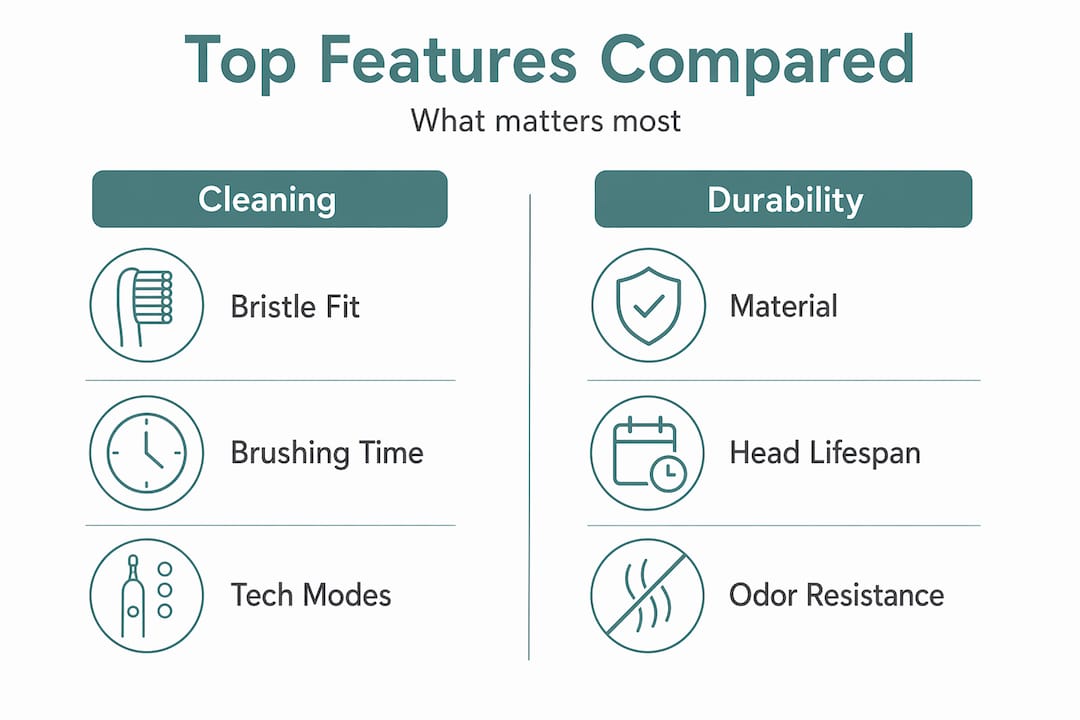
Choosing the best mouthpiece toothbrush comes down to evaluating a specific set of features, not just reading marketing copy. Here is what actually separates reliable devices from underperformers.
Fit and size options
A proper fit drives everything else. Multi-size or adjustable mouthpieces deliver meaningfully better cleaning outcomes than single-size trays because they maintain consistent bristle contact across different jaw widths and arch shapes. Look for brands that offer at least two adult sizes and a dedicated children’s version.
Material durability
Reinforced polymer mouthpieces maintain shape and resist odor for up to 3 to 6 months under daily use, while pure silicone trays tend to warp and develop odors within weeks of heavy use. Durability directly impacts hygiene. A deformed tray no longer fits correctly, and poor fit means poor cleaning.
Technology and cleaning modes
Some electric mouthpiece toothbrushes include app-connected timers, UV sanitization cases, or blue LED light therapy intended to reduce bacteria. These add-ons are convenient but secondary. The vibration frequency and bristle design carry far more weight for actual cleaning performance.
Pro Tip: When comparing models, check whether the replacement mouthpiece heads are sold separately at reasonable prices. A low-cost device with expensive or hard-to-find replacements ends up costing more over a year than a premium model with accessible parts.
Additional factors worth checking:
- Waterproofing rating for shower or sink use
- Battery life and charging method (USB versus proprietary charger)
- Warranty length and return policy
- Whether child sizes are available if you have kids using the device
Replacement schedules
Replacing mouthpiece toothbrush heads on schedule is not optional. Worn bristles lose their angle and density, reducing plaque removal to near zero. Most manufacturers recommend head replacement every 30 to 90 days depending on the material.
How to use a mouthpiece toothbrush for best results
Knowing how to use a mouthpiece toothbrush correctly changes the outcome dramatically. Most users either under-apply toothpaste or skip the follow-up steps that compensate for the device’s coverage limits.
- Apply toothpaste to the inner bristles. Use a pea-sized amount spread across the U-shaped tray rather than a thick glob. Excess paste reduces bristle movement against tooth surfaces.
- Insert the mouthpiece and bite down gently. You want firm contact, not a hard clench. A hard bite compresses the bristles and prevents them from flexing against the tooth curves.
- Activate vibration and hold position. Follow the manufacturer’s recommended duration. Moving the tray side to side slightly during the cycle can help reach posterior tooth surfaces.
- Rinse thoroughly. Remove the mouthpiece and rinse your mouth, then rinse the device itself under running water.
- Follow up with flossing or an interdental brush. This step is non-negotiable. Supplementing mouthpiece brushing with interdental cleaning compensates for the coverage gaps all mouthpiece designs currently show.
- Store the mouthpiece in a clean, ventilated case. Trapping moisture encourages bacterial growth and accelerates material degradation.
Common mistakes include using the device without toothpaste, replacing it less frequently than recommended, and treating it as a complete substitute for all other oral hygiene steps.
Top mouthpiece toothbrush models compared
Here is a practical comparison of leading models based on available evidence and top mouthpiece toothbrush reviews.
| Model | Cleaning Mechanism | ADA Recognized | Size Options | Price Range | Notable Feature |
|---|---|---|---|---|---|
| Y-Brush Essential Sonic | Sonic vibration | No | Adult, Kids | $$ | 20-second cycle, nylon bristles |
| Y-Brush Ultra Sonic | High-frequency sonic | No | Adult | $$$ | Advanced sonic power, durable tray |
| Autobrush | Vibration + LED | Yes (ADA Seal) | Adult, Kids | $$$ | Only ADA-accepted U-brush as of 2026 |
| Feno Smartbrush | AI-guided sonic | No | Adult | $$$$ | App connectivity, personalized modes |
Only Autobrush holds the ADA Seal among U-shaped toothbrush devices as of 2026. That distinction matters if clinical validation is your primary filter. However, ADA acceptance is not the only measure of a useful device.
What sets Y-Brush apart from the field:
- Nylon bristles rather than silicone deliver firmer contact against tooth enamel
- The 20-second cleaning cycle is the most realistic fit for daily use across all demographics
- A dedicated kids mouthpiece toothbrush option makes it practical for families
- The brand’s design philosophy prioritizes fitting brushing into real routines rather than demanding behavioral change from users
For users with dexterity challenges or disabilities, the sensory-friendly toothbrush options that fall within the mouthpiece category offer real functional advantages over traditional brushes. The absence of manual scrubbing technique reduces the demand on motor coordination significantly.
My honest take on mouthpiece toothbrushes
I’ve spent considerable time evaluating these devices, and my position is clear: mouthpiece toothbrushes are genuinely useful tools, but they are frequently positioned in a way that sets users up for disappointment.
The speed narrative is not wrong. Twenty seconds of real bristle contact across all tooth surfaces simultaneously is more than most people achieve in a rushed 45-second manual brush. But I’ve noticed that buyers often interpret “works in 20 seconds” as “better than your current toothbrush.” Those are not the same claim.
What I’ve learned from watching users engage with these devices is that the biggest predictor of satisfaction is fit. Users who get a well-fitting size report genuinely better gum health and consistent cleanliness. Users in a poorly-fitting tray give up within weeks, frustrated by a feeling that the device never fully cleaned their back teeth.
The maintenance side gets ignored far too often. I’ve seen people use the same mouthpiece tray for six months past its replacement date, then blame the device for poor cleaning performance. A worn tray is not an effective tool. Replacing it on schedule is as important as using it correctly in the first place.
My honest view on the future of this category is optimistic. As materials science improves and AI-guided adjustment features become more accessible, the fit problem will shrink. The devices that survive and earn genuine loyalty will be the ones built around actual oral health outcomes, not just convenience marketing.
— Joris
Upgrade your routine with Y-Brush
If you have been searching for an efficient, evidence-informed option in the mouthpiece toothbrush category, Y-Brush is worth a close look.
Y-Brush was built around one honest insight: most people are not going to brush for two full minutes twice a day, no matter how many times they are told to. Instead of demanding behavioral change, Y-Brush delivers a complete clean in 20 seconds with a sonic-powered U-shaped design engineered for real daily use. The nylon bristle system provides firmer tooth contact than silicone alternatives, and both adult and child sizes are available to fit the whole family. Explore the full Y-Brush toothbrush collection to find the model that fits your routine, or check out the Y-Brush Ultra Sonic for the most advanced cleaning performance in the lineup.
FAQ
What is the best mouthpiece toothbrush in 2026?
Y-Brush and Autobrush are the leading options based on cleaning performance and design quality. Autobrush is the only U-shaped toothbrush with an ADA Seal, while Y-Brush leads in sonic cleaning efficiency and real-world usability.
Are mouthpiece toothbrushes as effective as electric toothbrushes?
Not yet. Independent testing confirms that mouthpiece brushes clean well but still fall below traditional electric toothbrushes in overall plaque removal, particularly at the gumline and between teeth.
How often should you replace a mouthpiece toothbrush head?
Most manufacturers recommend replacing the brush head every 30 to 90 days. Reinforced polymer trays tend to last closer to 3 to 6 months before noticeable degradation, while pure silicone heads may need earlier replacement.
Can kids use a mouthpiece toothbrush?
Yes. Several brands, including Y-Brush, offer dedicated child-sized models for ages 4 to 12. A proper fit is especially important for children, as an oversized tray will not make consistent contact with smaller arches.
Do you still need to floss if you use a mouthpiece toothbrush?
Yes. Practitioners recommend combining mouthpiece brushing with flossing or interdental cleaning to compensate for the coverage gaps in gumline and interdental areas that mouthpiece devices currently cannot fully address.


