


TL;DR:
- Consistent, short oral hygiene routines outperform elaborate ones that get skipped frequently.
- Two-minute brushing, tongue scraping, and midday refresh kits protect teeth efficiently for busy professionals.
Effective oral hygiene for busy professionals is defined by consistency and efficiency, not complexity. Consistent short routines outperform elaborate ones that get skipped. The best tips for busy professionals oral care center on three pillars: a proper two-minute brushing technique, tongue scraping every morning, and a midday refresh kit at your desk. Add smart hydration habits and the right tools, and you have a complete, time-efficient dental routine that protects your teeth without disrupting your schedule.
1. Why two-minute brushing is the foundation of oral hygiene for busy professionals
Two-minute brushing twice daily is the single most important habit in any effective dental routine. Brushing for two full minutes removes significantly more plaque than brushing for one minute. That difference compounds over weeks and months into measurably better gum health and fewer cavities.
The technique matters as much as the time. Use a soft-bristled brush and a fluoride toothpaste with at least 1,350 ppm fluoride concentration. Divide your mouth into four quadrants and spend 30 seconds on each. This approach covers every surface without rushing or missing spots.
One counterintuitive rule most people ignore: do not rinse with water immediately after brushing. Leaving fluoride residue on your teeth for at least 30 minutes after brushing extends enamel protection throughout the day. Spit out the excess toothpaste and walk away.
- Brush morning and night, no exceptions
- Use a soft-bristled brush to protect gum tissue
- Apply fluoride toothpaste at 1,350+ ppm
- Divide your mouth into four zones, 30 seconds each
- Spit after brushing. Do not rinse with water.
Pro Tip: Set a recurring phone alarm labeled “2 min brush” for both morning and evening. The visual reminder builds the habit faster than willpower alone.
2. Tongue scraping: the most overlooked quick oral care tip
80–90% of bad breath originates on the tongue, not between the teeth. That single fact makes tongue scraping the highest-return, lowest-effort upgrade in any oral hygiene routine. Most professionals skip it entirely because no one told them it matters this much.
The practice takes 60–90 seconds. Use a stainless steel or copper tongue scraper each morning before brushing. Start at the back of the tongue and pull forward with light pressure. Rinse the scraper between strokes. Five to seven passes cover the surface completely.
Tongue scraping removes the bacterial film that causes odor, and it also clears the coating that dulls your sense of taste. For professionals in client-facing roles or frequent meetings, the confidence boost from fresher breath is immediate and real. Learn more about tongue cleaning benefits and how to build it into your morning routine.
- Choose stainless steel or copper over plastic scrapers for durability
- Scrape before brushing, not after
- Use light, consistent pressure to avoid irritating the tongue
- Clean the scraper under running water between each pass
- Replace plastic scrapers every 3–4 months
Pro Tip: Keep your tongue scraper next to your toothbrush so it becomes part of the same automatic sequence, not a separate decision.
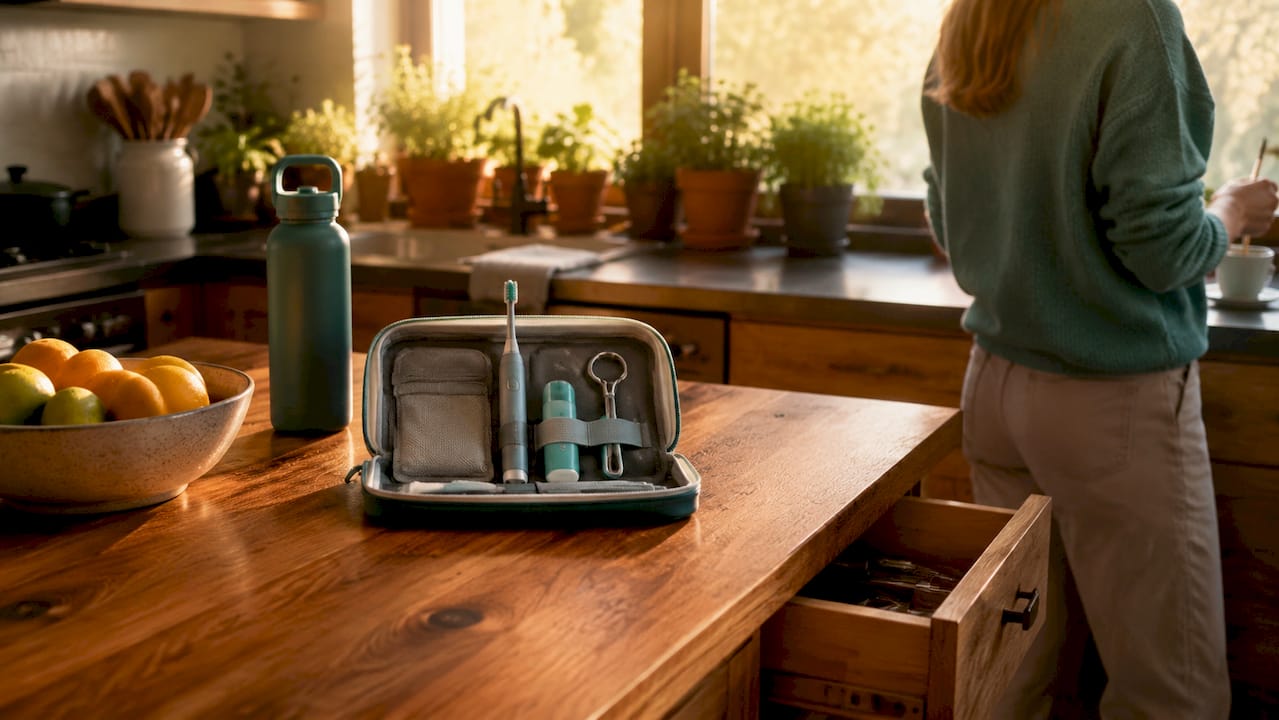
3. Build a compact midday dental kit for busy lifestyle dental care
Midday oral care is the habit that separates professionals who maintain fresh breath all day from those who don’t. A compact work dental kit breaks up the bacterial biofilm that forms within hours of your morning brush. Left unchecked, that biofilm hardens into tartar, which only a professional cleaning can remove.
Your kit does not need to be elaborate. A travel-sized toothbrush, a small tube of fluoride toothpaste, and a few floss picks fit in any desk drawer or bag pocket. After lunch is the ideal time to use it. Even a 90-second brush and a quick floss pick between two problem teeth makes a measurable difference.
If brushing at work feels impractical, rinsing with water after eating is a solid fallback. It clears food debris and dilutes acids before they attack enamel. Avoid mouthwash as a substitute for brushing. It does not remove plaque mechanically.
- Travel toothbrush (soft-bristled, capped)
- Travel-sized fluoride toothpaste
- Floss picks for quick interdental cleaning
- Alcohol-free mouthwash for a post-lunch rinse
- A small mirror for quick checks before meetings
4. Hydration, diet, and stress habits that protect your teeth
Saliva is your mouth’s natural defense system. It neutralizes acids, washes away food particles, and delivers minerals to enamel. Dehydration reduces saliva flow, which accelerates plaque buildup and bad breath. Drinking water consistently throughout the workday is one of the simplest best practices for oral hygiene that most professionals underuse.
Coffee is a daily staple for most professionals, but sipping it slowly over two hours repeatedly softens enamel. Consuming acidic drinks in one sitting and rinsing with water immediately after is far better for your teeth than nursing a cup all morning. The same rule applies to energy drinks and citrus juices.
Stress-induced bruxism, or teeth grinding, is common among professionals under pressure. Jaw soreness in the morning is the clearest warning sign. A custom night guard from your dentist prevents enamel damage and avoids the far more expensive restorative work that untreated bruxism causes.
| Habit | Oral health impact | Better alternative |
|---|---|---|
| Sipping coffee over 2+ hours | Repeated acid exposure softens enamel | Drink in one sitting, rinse with water after |
| Skipping water between meals | Reduced saliva, faster plaque buildup | Drink water consistently throughout the day |
| Ignoring jaw soreness | Untreated bruxism damages enamel | See a dentist for a custom night guard |
| Snacking on sugary foods | Feeds bacteria, raises acid levels | Choose cheese, nuts, or crunchy vegetables |
5. What are the best oral care products for a time-saving dental routine?
The right tools make a consistent routine far easier to maintain. Electric toothbrushes remove approximately 21% more plaque than manual brushes and improve gum health measurably. Built-in two-minute timers remove the guesswork and improve compliance for people who would otherwise cut brushing short.
Oral-B and Philips Sonicare are the two most widely recommended electric brush brands in clinical settings. Both offer models with pressure sensors, quadrant timers, and multiple cleaning modes. Y-brush takes a different approach entirely: its full-arch sonic brush cleans all teeth simultaneously and delivers a thorough clean in 20 seconds. For professionals who struggle to hit the two-minute mark with a standard brush, Y-brush removes the time barrier without sacrificing plaque removal.
Flossing options have expanded well beyond traditional string. Floss picks are the most practical choice for desk use. Water flossers, such as those made by Waterpik, are highly effective for people with braces, bridges, or tight contacts. For mouthwash, alcohol-free formulas are the correct choice for daily use. Alcohol-based mouthwash reduces saliva flow and worsens dry mouth, which is the opposite of what a busy professional needs.
| Product type | Top options | Key feature for busy professionals |
|---|---|---|
| Electric toothbrush | Oral-B, Sonicare, Y-brush | Built-in timer, superior plaque removal |
| Floss | Floss picks, Waterpik water flosser | Fast, portable, no technique required |
| Mouthwash | Alcohol-free formulas (e.g., ACT, Biotène) | Preserves saliva flow, safe for daily use |
| Tongue scraper | Stainless steel or copper | Durable, effective, reusable |
Explore fast oral care solutions designed specifically for professionals who need results without adding time to their morning.
6. Build sustainable oral hygiene habits that actually stick
The biggest mistake busy professionals make is treating oral care as an all-or-nothing effort. A two-minute routine done every day beats a ten-minute routine done twice a week. Consistency predicts oral health outcomes more reliably than the sophistication of the routine itself.
Habit stacking is the most practical method for building a sustainable dental routine. Attach each oral care step to something you already do. Brush immediately after your first coffee. Scrape your tongue while the shower warms up. Use a floss pick while reviewing your morning emails. These micro-habits require no extra time blocks in your calendar.
Scheduling a dental checkup every six months is non-negotiable, even for the busiest schedules. Professional cleanings remove tartar that no home routine can address. They also catch problems early, before they become expensive and time-consuming. Review effective oral care habits that dental professionals recommend for long-term results.
Pro Tip: Block your next two dental appointments at the start of each year, the same way you schedule performance reviews. Treat them as fixed commitments, not optional tasks.
Key takeaways
The most effective oral care routine for busy professionals combines two-minute brushing, daily tongue scraping, and a midday refresh kit to prevent plaque buildup and maintain fresh breath throughout the day.
| Point | Details |
|---|---|
| Two-minute brushing is non-negotiable | Use a soft-bristled brush, 1,350+ ppm fluoride toothpaste, and never rinse immediately after. |
| Tongue scraping addresses most bad breath | 80–90% of halitosis originates on the tongue; 60–90 seconds each morning resolves it. |
| A midday kit prevents tartar formation | Travel brush, floss picks, and alcohol-free mouthwash break up biofilm before it hardens. |
| Alcohol-free mouthwash protects saliva flow | Alcohol-based formulas reduce saliva and worsen dry mouth during long workdays. |
| Consistency beats complexity | A brief daily routine completed every day outperforms an elaborate one done occasionally. |
My take on oral care for demanding professional lives
Most oral care advice assumes you have time. You don’t. That’s the reality for anyone running a full professional schedule, and it’s why most dental routines fall apart by week two.
What I’ve found actually works is ruthless simplicity. The professionals I know who have the best oral health don’t have elaborate routines. They have short ones they never skip. Two minutes of brushing, 90 seconds of tongue scraping, and a floss pick after lunch. That’s it. Those three habits, done daily, produce results that a complicated weekend routine cannot match.
The tongue scraping insight is the one that surprises people most. I’ve spoken with professionals who spent years masking bad breath with mints and gum, never knowing that the source was sitting on their tongue the whole time. Once they added a scraper to their morning routine, the difference was immediate.
The other underrated factor is stress management. Bruxism is quietly destroying the teeth of a significant number of high-performing professionals who have no idea it’s happening. If you wake up with jaw tension or headaches, talk to your dentist before the damage becomes visible. A night guard is a small investment compared to the alternative.
The tools matter, but they matter less than the decision to show up every day. Pick a brush you like, a toothpaste that tastes good to you, and a scraper that lives next to your sink. Remove every possible friction point. Then do it again tomorrow.
— Joris
How Y-brush helps busy professionals protect their smile
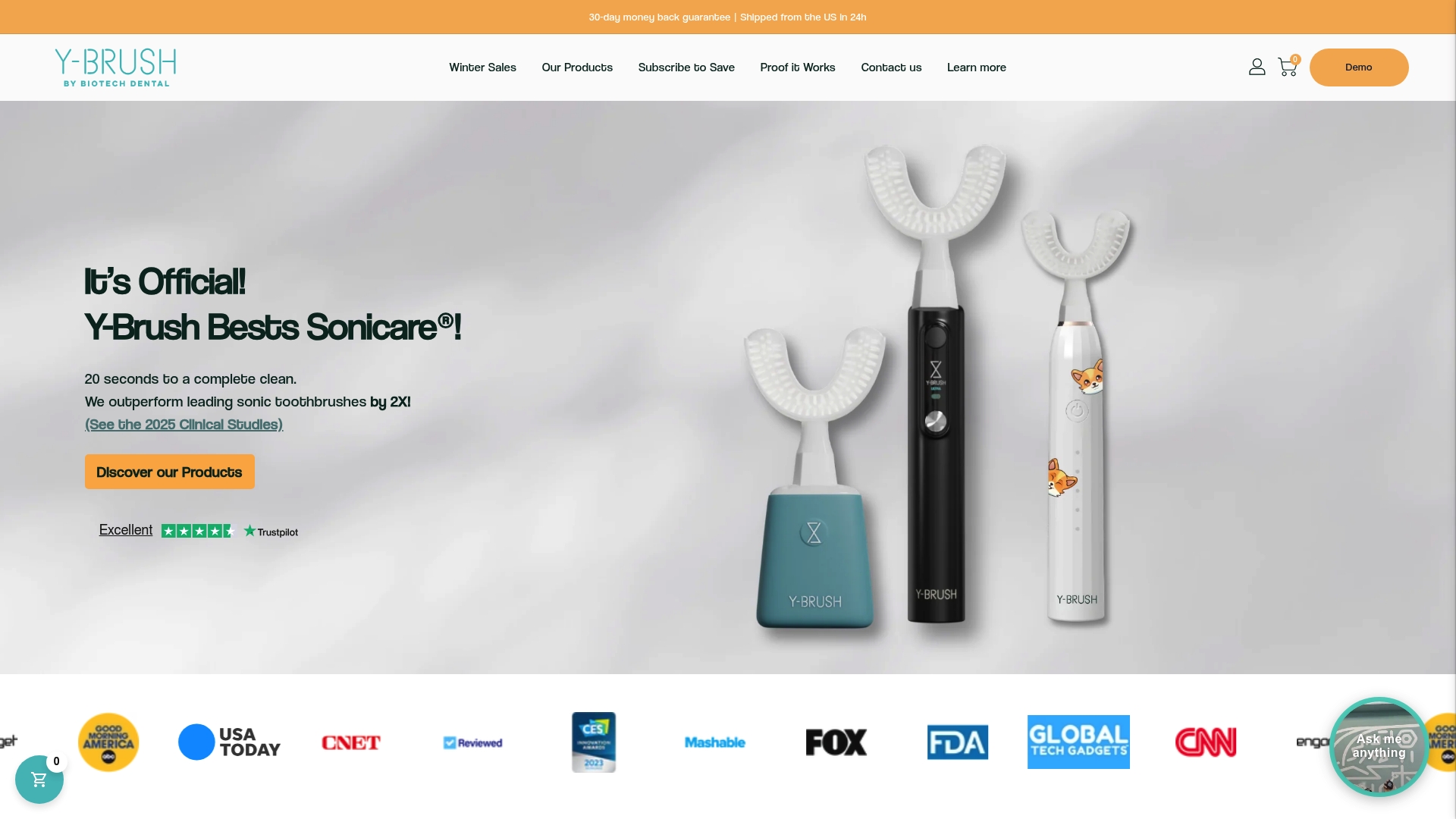
Y-brush was built for exactly this challenge. Most people know they should brush for two full minutes, but 90% fall short, with the average brush lasting under one minute. Y-brush delivers a thorough, plaque-free clean in just 20 seconds by cleaning all teeth at the same time with its full-arch sonic technology. No compromises, no extra time carved out of a packed morning.
The Y-brush Essential Sonic Toothbrush is compact enough for travel and powerful enough for daily use. Y-brush also offers membership plans that keep you stocked with fresh brush heads and updated products on a schedule that matches your routine. Every purchase on the Y-brush USA site comes with a 30-day money-back guarantee, so you can try it without risk.
FAQ
How many times a day should busy professionals brush their teeth?
Brush twice daily, once in the morning and once before bed, for two full minutes each session. This schedule removes plaque consistently and protects enamel without requiring extra time during the workday.
Does tongue scraping actually improve bad breath?
Yes. 80–90% of bad breath originates on the tongue, making tongue scraping the most direct way to address chronic halitosis. A 60–90 second scraping session each morning produces noticeable results within days.
Is an electric toothbrush worth it for a busy schedule?
Electric toothbrushes remove approximately 21% more plaque than manual brushes and include built-in timers that improve brushing duration. For busy professionals, the timer feature alone makes compliance significantly easier.
What should I do if I can’t brush after lunch at work?
Rinse thoroughly with water after eating to clear food debris and dilute acids. Keep floss picks at your desk for quick interdental cleaning. These two steps slow plaque formation until you can brush properly.
Can stress from work damage my teeth?
Yes. Stress-related bruxism is common among professionals and causes enamel wear that is difficult and expensive to reverse. Morning jaw soreness is the key warning sign. A custom night guard from your dentist prevents the damage before it accumulates.


