


TL;DR:
- Oral care in 2026 emphasizes daily hygiene, preventive visits, and technology integration for overall mouth health. Customers increasingly prioritize transparency, minimally invasive treatments, and products backed by clinical evidence. Tailored routines for different age groups and systemic health conditions are central to ongoing oral health improvements.
Oral care in 2026 is the comprehensive practice of maintaining mouth health through daily hygiene, preventive dental visits, evidence-based product choices, and technology integration. It extends well beyond brushing and flossing. Today, 91% of U.S. adults view oral health as extremely or very important to their overall wellness, and the field has responded with smarter tools, cleaner formulations, and a deeper understanding of how the mouth connects to the rest of the body.
The core elements of oral care in 2026 include:
- Daily hygiene: Brushing twice daily with fluoride toothpaste, flossing once daily, and using an antimicrobial mouth rinse
- Preventive dental visits: Professional cleanings and exams at intervals set by your dentist, typically every six months
- Diet and lifestyle: Limiting sugary foods and drinks, avoiding tobacco, and staying hydrated
- Technology integration: Smart devices, AI diagnostics, and time-efficient brushing tools
- Product transparency: Choosing formulations with clinically verified ingredients and clean labels
- Sustainability awareness: Favoring mercury-free, minimally invasive care and eco-conscious packaging
Table of Contents
- What oral care in 2026 looks like: key trends and statistics
- How to build a daily oral care routine that meets 2026 standards
- How technology is redefining what oral care can do
- What consumers expect from oral care products in 2026
- Putting it all together: embracing modern oral care habits
- How oral care needs change across different ages and populations
- Key Takeaways
What oral care in 2026 looks like: key trends and statistics
The numbers tell a clear story. By 2025, 89% of dental visits were for preventive care, up from 84% the year before. That shift reflects a broader cultural pivot: people are no longer waiting for pain to see a dentist. They are treating oral health the way they treat cardiovascular fitness, as something to maintain proactively rather than repair reactively.
Stat to know: 90% of U.S. adults say preventive dental exams are just as important as annual physicals.
The oral-systemic connection is now mainstream knowledge. Research consistently links periodontal disease to cardiovascular disease, diabetes complications, and adverse pregnancy outcomes, according to the Mayo Clinic. Oral bacteria can enter the bloodstream and contribute to inflammation elsewhere in the body, which means neglecting your gums is not just a dental problem. Dentists in 2026 are increasingly coordinating with primary care physicians, particularly for patients managing diabetes or heart conditions.
Key behavioral and market trends shaping oral care right now:
- Preventive-first mindset: Consumers schedule cleanings before symptoms appear, not after
- Oral microbiome awareness: Monitoring the bacterial balance in the mouth is emerging as a clinical tool for identifying systemic disease risk, with the oral microbiome market shifting dental care toward a biologically informed, personalized model
- Teledentistry adoption: Virtual consultations and app-based monitoring are replacing the traditional model of loyalty to a single in-person practice
- Ingredient scrutiny: Consumers read labels and demand clinical evidence behind every claim
- Sustainability pressure: Regulatory action on PFAS and other ingredients is reshaping which products reach store shelves
How to build a daily oral care routine that meets 2026 standards
A well-structured daily routine is still the foundation of good oral health. The American Dental Association and the National Institute of Dental and Craniofacial Research both recommend the same core framework, and the evidence behind it has only grown stronger.
The daily routine, step by step
- Brush twice daily for two minutes using a soft-bristled brush and fluoride toothpaste. Fluoride strengthens enamel and actively reverses early decay. If two full minutes feels difficult to sustain, a time-efficient device like Y-brush can deliver a thorough clean in 20 seconds without sacrificing coverage.
- Floss once daily, ideally before bed, to remove plaque from between teeth where a brush cannot reach. Water flossers, interdental brushes, and floss threaders are all clinically accepted alternatives for people who find traditional floss difficult to use.
- Rinse with an antimicrobial mouth rinse to reduce bacterial load and support gum health. Look for the ADA Seal of Acceptance on any rinse you choose.
- Replace your toothbrush every 3–4 months, or sooner if the bristles are visibly worn.
- Drink fluoridated water throughout the day. Community water fluoridation remains one of the most cost-effective public health tools for reducing tooth decay across all age groups.
Preventive dental visits
The Cleveland Clinic recommends professional cleanings at intervals your dentist specifies, with every six months being the standard for most adults. People prone to gum disease often need visits every three to four months because oral bacteria repopulate faster in some individuals. At each visit, your dentist removes tartar that brushing cannot address, screens for oral cancer, and checks for early signs of cavities or periodontal disease.
Diet and lifestyle factors
- Limit sugary foods and acidic drinks, which erode enamel and feed cavity-causing bacteria
- Avoid tobacco in all forms; smoking significantly raises the risk of gum disease and oral cancer
- Eat a balanced diet rich in calcium, vitamin D, and leafy greens to support bone and gum health
- Stay well hydrated to maintain healthy saliva flow, which naturally neutralizes acids and washes away food particles
Pro Tip: Schedule your next dental cleaning the same day you leave your current appointment. People who book in advance are far more likely to follow through on preventive care.
How technology is redefining what oral care can do

The advancements in oral care technology arriving in 2026 are not incremental. Smart toothbrushes, AI-powered diagnostics, and teledentistry platforms are collectively shifting oral care from a twice-yearly event to a continuous, data-informed practice.
Y-brush is one of the clearest examples of how device design can change behavior. Most people brush for under a minute, well short of the two-minute standard, because the routine feels tedious. Y-brush uses sonic technology and an ergonomic full-arch design to clean all teeth simultaneously in 20 seconds, removing the friction that causes people to cut brushing short. The result is clinically effective plaque removal that fits into even the most compressed morning schedule.
Beyond the brush, the technology landscape includes:
- AI diagnostic tools that analyze intraoral photos to detect early cavities, gum recession, and enamel wear before they become costly problems
- Teledentistry platforms that let patients consult with a dentist remotely, receive personalized hygiene coaching, and monitor treatment progress through apps
- Oral microbiome testing kits that identify bacterial imbalances linked to gum disease or systemic conditions, enabling targeted probiotic or dietary interventions
- Smart brush sensors that track brushing pressure, duration, and coverage, then send feedback to a paired app
The WHO’s 2026 guideline on environmentally friendly and less invasive oral health care also highlights silver diamine fluoride and fluoride varnish as non-surgical tools for stopping moderate cavities, reducing the need for drilling in many cases. Minimally invasive dentistry is becoming global best practice, not a niche preference.
Pro Tip: When evaluating any new oral care device, look for independent clinical data on plaque reduction, not just app features or design aesthetics. Performance is the metric that protects your teeth.
What consumers expect from oral care products in 2026
The 2026 consumer is skeptical and well-informed. Radical transparency in ingredient disclosure has moved from a differentiator to a baseline expectation. Brands that cannot explain what is in their products and why are losing ground to those that publish clinical evidence alongside their ingredient lists.
Regulatory pressure is accelerating this shift. PFAS bans and FDA ingredient reviews are actively narrowing which compounds can appear in toothpaste, mouthwash, and floss formulations. The WHO’s updated guidelines specifically call for mercury-free restorations and limit BPA-derivative products for children, adolescents, and pregnant or breastfeeding women. These are not fringe concerns; they are now embedded in global clinical standards.
What health-conscious consumers are prioritizing in 2026:
- Clean-label formulations: No unnecessary additives, with every ingredient justified by function and safety data
- Mercury-free dental care: Glass ionomer cements and resin-based composites replacing amalgam fillings
- Sustainable packaging: Recyclable or compostable materials, reduced plastic in floss picks and brush handles
- Evidence-backed claims: “Clinically proven” means a peer-reviewed study, not a marketing assertion
- Minimally invasive options: Preference for fluoride varnish and non-surgical cavity management over drilling when clinically appropriate
Explore how sustainable oral care aligns with these consumer values and what to look for when choosing products that meet both health and environmental standards.
Putting it all together: embracing modern oral care habits
The pillars of oral care in 2026 are daily hygiene, prevention, technology, and transparency. None of them works in isolation. A person who brushes consistently but skips dental visits will miss tartar buildup and early gum disease. Someone who invests in a smart device but ignores ingredient labels may still be using products with compounds under regulatory review.
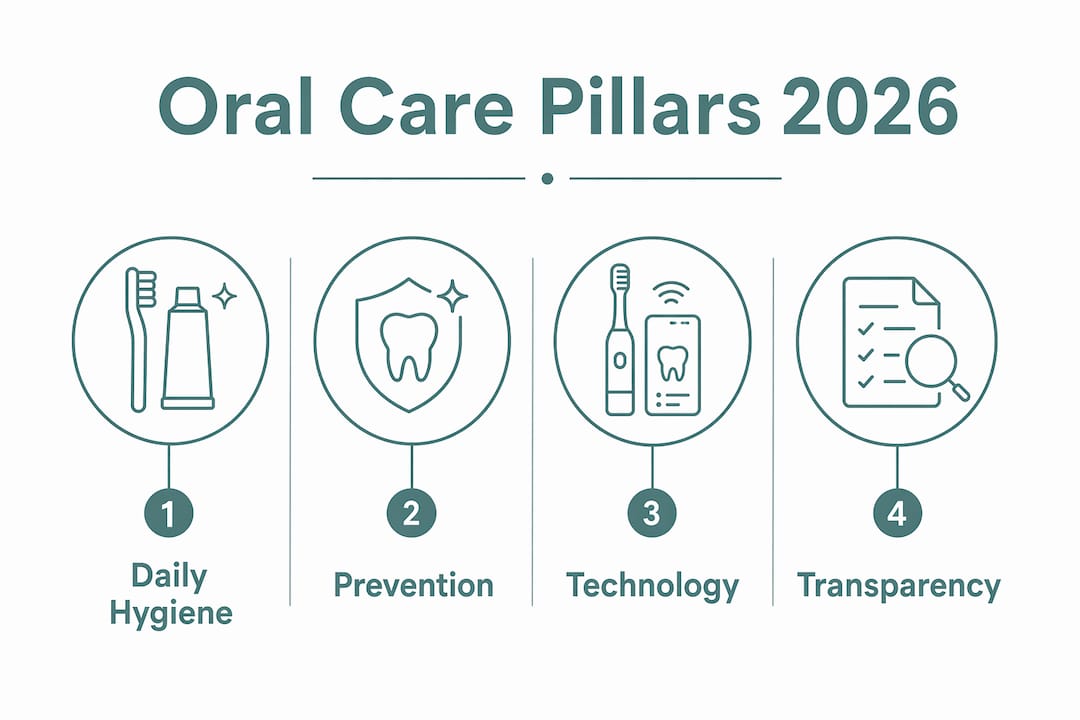
Committing to this integrated approach pays off in ways that extend beyond your mouth. Healthy gums reduce systemic inflammation. Preventive visits catch problems early, when treatment is simpler and less expensive. Choosing transparent, clinically verified products means you know exactly what you are putting in your body twice a day.
A quick-reference checklist for adopting modern oral care habits:
- Brush twice daily with fluoride toothpaste, using a device that promotes full compliance
- Floss or use an interdental cleaner once daily
- Schedule dental cleanings at the frequency your dentist recommends
- Choose products with published clinical evidence and clean ingredient lists
- Ask your dentist about fluoride varnish or silver diamine fluoride if you are at elevated cavity risk
- Stay informed about ingredient regulations and update your product choices accordingly
The future of oral care is already here. The question is whether your daily routine reflects it.
How oral care needs change across different ages and populations
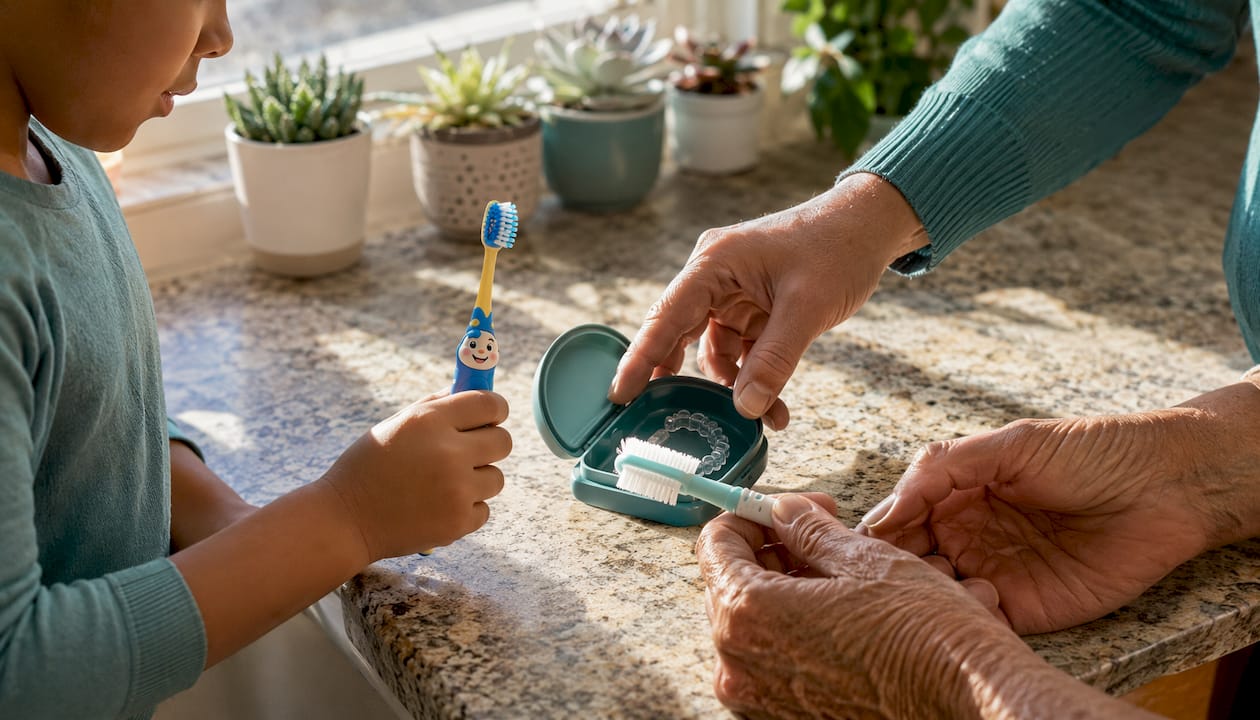
Oral health needs shift significantly across a lifetime, and a one-size routine rarely serves everyone well.
Children (ages 4–12)
Early habits determine long-term outcomes. The American Dental Association recommends that children begin dental visits by age one or when the first tooth appears. Fluoride toothpaste in age-appropriate amounts is the standard recommendation; the WHO’s 2026 guideline specifically limits BPA-derivative restorative materials for children given developing biological sensitivities. Making brushing engaging and time-consistent is the primary challenge for parents. Y-brush’s KidsBrush addresses this directly with a sonic design sized for smaller mouths, helping children build the habit without the struggle of a two-minute manual routine.
Teens and young adults
Orthodontic treatment, wisdom teeth, and dietary habits heavy in acidic drinks create elevated cavity and enamel erosion risk during these years. Consistent flossing around braces and using fluoride rinses are particularly important. Teledentistry apps can help this age group stay accountable between in-person visits.
Adults managing systemic conditions
Diabetes, cardiovascular disease, and pregnancy each create specific oral health considerations. Diabetic adults face higher rates of periodontal disease because elevated blood sugar impairs the body’s ability to fight infection. Pregnant women are more susceptible to gingivitis due to hormonal changes, and the NIDCR recommends a dental checkup before or during pregnancy. Adults on medications that reduce saliva flow, including antihistamines, antidepressants, and diuretics, need to compensate with increased hydration and possibly prescription fluoride products.
Older adults
Gum recession, dry mouth, and root exposure become more common with age, raising cavity risk even in people with lifelong good habits. More frequent professional cleanings, prescription-strength fluoride toothpaste, and regular oral cancer screenings are standard recommendations for adults over 65. Minimally invasive interventions endorsed by the WHO are particularly valuable for older patients who may not tolerate extensive dental procedures well.
Key Takeaways
Oral care in 2026 integrates daily hygiene, preventive visits, technology, and ingredient transparency to protect both mouth health and overall systemic wellness.
| Point | Details |
|---|---|
| Prevention drives the field | By 2025, 89% of dental visits were for preventive care, reflecting a clear shift from reactive to proactive oral health management. |
| Oral-systemic link is clinical fact | Periodontal disease is linked to cardiovascular disease and diabetes; dentists now coordinate with primary care physicians for at-risk patients. |
| Technology closes the compliance gap | Tools like Y-brush deliver clinically effective cleaning in 20 seconds, addressing the reality that most people brush for under a minute. |
| Transparency is now a baseline | Consumers demand published clinical evidence and clean ingredient lists; regulatory action on PFAS and mercury is reshaping product formulations. |
| Age-specific care matters | Children, pregnant adults, diabetic patients, and older adults each require tailored routines and product choices beyond the general standard. |
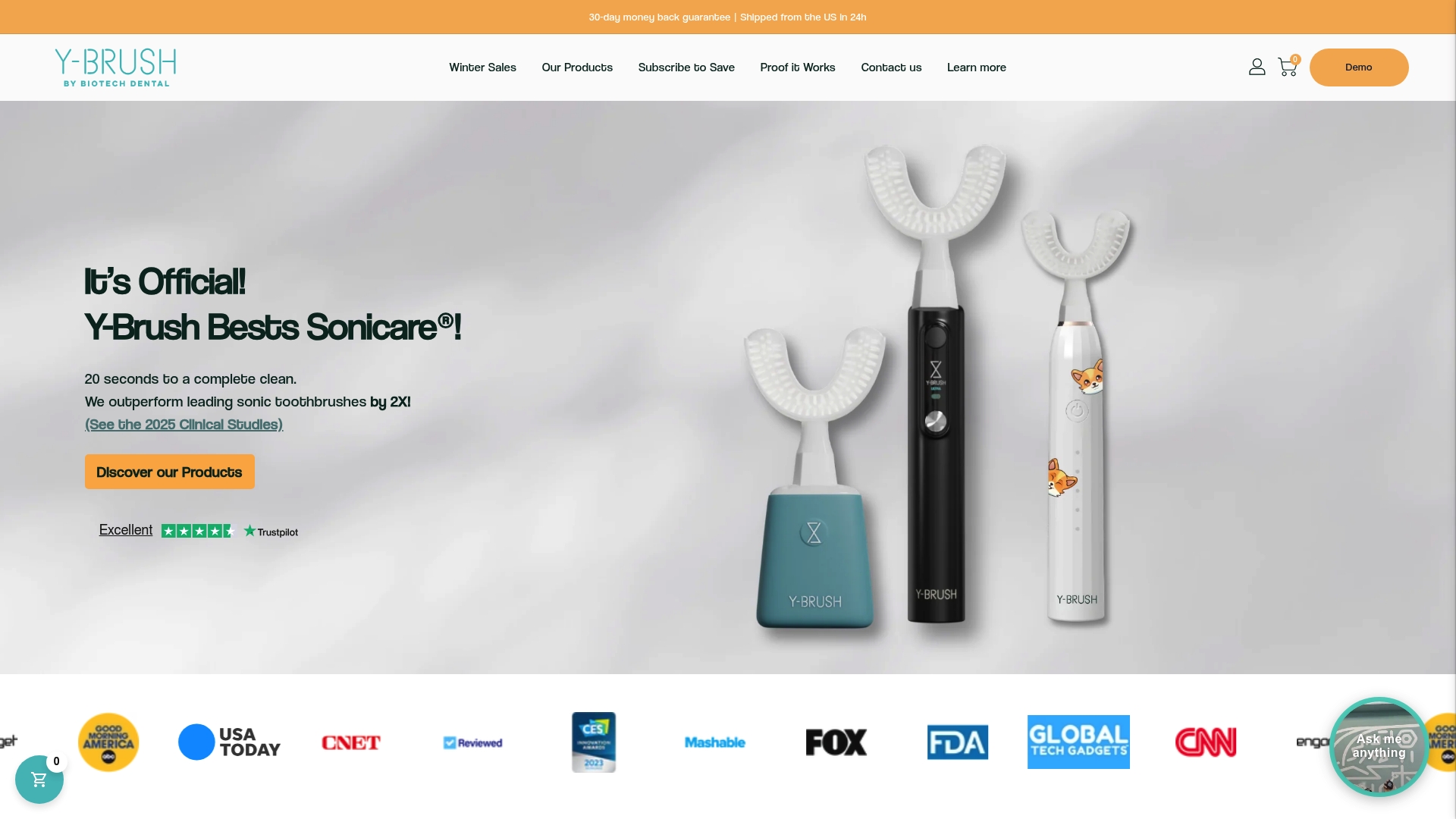
Y-brush was built for exactly the gap that oral care data keeps revealing: people know they should brush longer, but most do not. The Y-brush Essential Sonic Toothbrush delivers a full, clinically effective clean in 20 seconds, making it realistic to brush properly every single day, regardless of how the morning unfolds. For families, the KidsBrush brings the same compliance-first design to children ages 4–12. If 2026 is the year you commit to oral health that actually fits your life, Y-brush is where that commitment starts.


