


Fresh breath does more than make a good impression. It signals a balanced oral microbiome, supports systemic health, and boosts social confidence in ways that go well beyond a quick mint before a meeting. The core benefits of fresh breath include:
- Stronger social and professional confidence with reduced anxiety in face-to-face interactions
- A healthier oral microbiome, where beneficial bacteria keep odor-causing microbes in check
- Lower risk of gum disease and cavities through the same habits that keep breath clean
- Broader systemic health advantages, including reduced inflammation linked to cardiovascular and metabolic conditions
- Psychological ease in close conversations, from job interviews to first dates
These advantages are not separate outcomes. They are interconnected: the daily habits that produce fresh breath are the same ones that protect teeth, gums, and overall health.
Table of Contents
- How bad breath develops and what actually causes it
- Proven practical ways to maintain fresh breath daily
- Why saliva and tongue hygiene are central to fresh breath
- Oral hygiene benefits that go well beyond fresh breath
- Balanced oral hygiene practices that protect your microbiome
- Why regular professional dental care sustains fresh breath
- Common myths about fresh breath you should stop believing
- Y-brush delivers a complete clean in 20 seconds
- Key Takeaways
How bad breath develops and what actually causes it
Bad breath, clinically called halitosis, starts when bacteria in the mouth break down food particles and plaque, producing volatile sulfur compounds with a distinctly foul odor. Poor oral hygiene is the most common trigger, but it is rarely the only one.
Common contributing factors include:
- Bacterial buildup on the tongue, which acts as a primary reservoir for odor-causing microbes due to its textured, porous surface
- Dry mouth (xerostomia), which reduces saliva flow and allows bacteria to multiply unchecked
- Gum disease and cavities, which create pockets and surfaces where bacteria thrive
- Tobacco use, which dries out the mouth and introduces its own compounds
- Certain foods like garlic and onions, whose breakdown products enter the bloodstream and are exhaled through the lungs
- Medical conditions including acid reflux, tonsil stones, sinus infections, and diabetes
Persistent bad breath often reflects an oral microbiome imbalance dominated by bacteria linked to periodontal disease and systemic inflammation, not simply a hygiene lapse. Recognizing this distinction matters because it shifts the solution from masking odors to restoring microbial balance.
Proven practical ways to maintain fresh breath daily
Mechanical cleaning is the foundation. Brushing twice daily with fluoride toothpaste, flossing once a day, and cleaning your tongue consistently removes the bacterial load that causes odor. No rinse or mint replaces these steps.
Key habits that support lasting freshness:
- Brush for two full minutes, covering all tooth surfaces, including along the gumline
- Floss daily to remove food debris and plaque from between teeth where brushes cannot reach
- Scrape or brush the tongue after every brushing session
- Stay well hydrated to sustain saliva production throughout the day
- Chew xylitol gum after meals when brushing is not possible, as xylitol inhibits bacterial growth rather than just masking odor
- Limit alcohol and caffeine, both of which dry out the mouth and reduce saliva flow
- Avoid over-relying on mouthwash: most over-the-counter rinses last about 20 minutes and mask odors without treating the underlying cause
Pro Tip: When you brush, spit out the toothpaste but do not rinse immediately. Rinsing right after brushing washes away fluoride before it can protect enamel, reducing its decay-prevention effect.
Why saliva and tongue hygiene are central to fresh breath
Saliva is the mouth’s natural defense system. It washes away food particles, neutralizes acids, and delivers antimicrobial proteins that keep bacterial populations in balance. When saliva flow drops, whether from dehydration, medication side effects, or mouth breathing during sleep, odor-causing bacteria multiply rapidly. Morning breath is a direct result of reduced saliva production overnight.
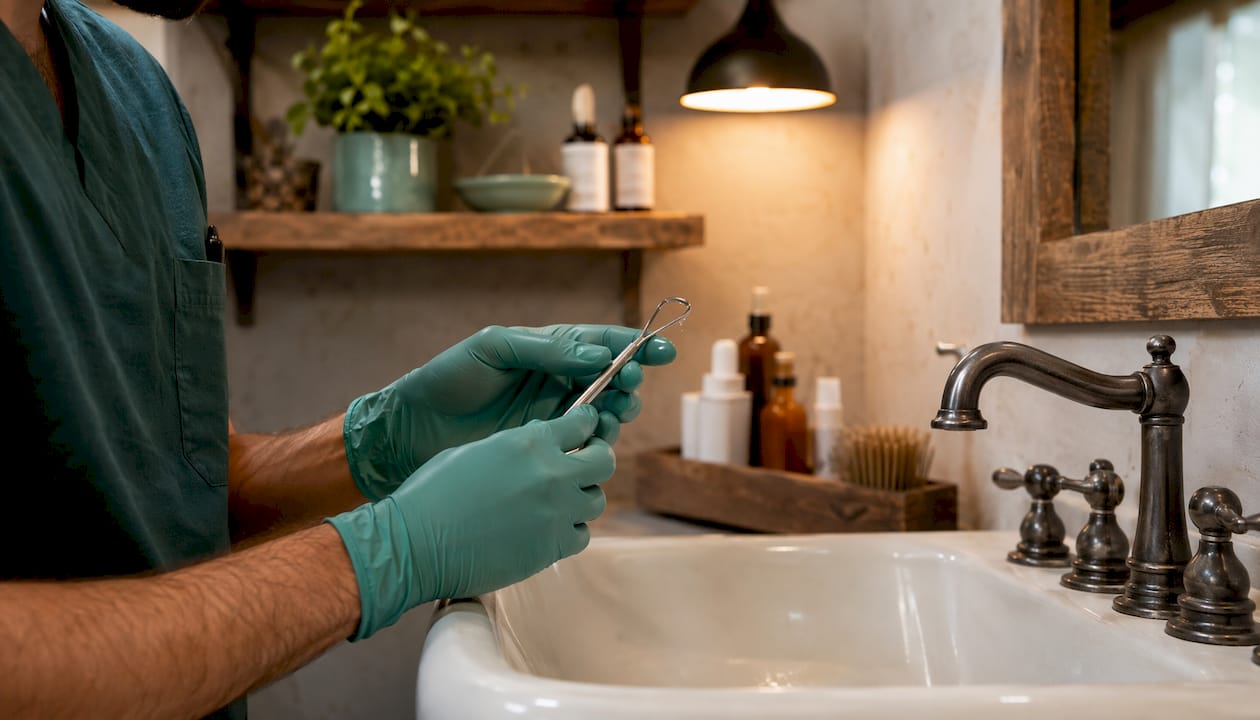
The tongue compounds this problem. Its rough, papillae-covered surface traps bacteria and food debris in ways that brushing teeth alone cannot address. A tongue scraper or a toothbrush with a built-in tongue cleaner removes this bacterial reservoir far more effectively than rinsing. Gentle, consistent tongue cleaning is one of the most overlooked steps in a complete oral care routine.
Hydration ties both together. Drinking water regularly throughout the day supports steady saliva flow, dilutes bacterial byproducts, and keeps the oral environment less hospitable to odor-causing microbes.
Oral hygiene benefits that go well beyond fresh breath
Good oral hygiene prevents gum disease, cavities, and the chronic inflammation that drives both. The Cleveland Clinic notes that consistent oral care lowers the risk of heart disease, stroke, and diabetes alongside the more obvious dental benefits. These are not coincidental associations.
The oral microbiome connects directly to systemic health:
- Cardiovascular risk: gum disease is linked to increased risk for heart attack through shared inflammatory pathways
- Diabetes: poor oral health worsens blood sugar control, and diabetes in turn accelerates gum disease
- Cognitive health: emerging research points to connections between periodontal bacteria and systemic inflammation affecting the brain
- Confidence and social ease: fresh breath enhances confidence and reduces anxiety in close interactions, from professional settings to personal relationships
Fresh breath, in this context, is a reliable indicator that the oral environment is functioning well, not just a cosmetic outcome.
Balanced oral hygiene practices that protect your microbiome
The goal of oral care is not to eliminate all bacteria. It is to support the beneficial bacteria that keep the oral microbiome stable. This distinction shapes which products and habits actually work long term.
Practical guidelines for a balanced approach:
- Prioritize mechanical cleaning (brushing and flossing) over chemical antibacterial products as the primary defense
- Use fluoride toothpaste consistently, since fluoride prevents decay by strengthening enamel at the surface level
- Limit broad-spectrum antibacterial mouthwash to targeted, short-term use. Daily chlorhexidine rinse kills beneficial nitrate-reducing bacteria, which can negatively affect blood pressure and microbiome balance
- Eat a diet rich in vegetables and low in added sugar, since sugar feeds the bacteria most responsible for acid production and odor
- Replace your toothbrush every 3–4 months, or sooner when bristles fray
Pro Tip: Brush last thing before bed and at least once more during the day. Overnight is when saliva flow is lowest and bacterial activity is highest, so the pre-sleep brush carries the most protective weight.
Why regular professional dental care sustains fresh breath
Home care handles the daily maintenance. Professional dental visits address what home care cannot. A dentist or hygienist removes calcified plaque (tartar) that no toothbrush reaches, checks for cavities and gum pockets that harbor odor-causing bacteria, and can identify systemic causes of persistent halitosis that require medical attention.
The Mayo Clinic recommends scheduling dental checkups generally twice a year. During these visits, professionals can also perform a clinical assessment to distinguish oral from non-oral sources of bad breath. The Merck Manuals describe a “sniff test” comparing odors exhaled through the mouth and nose to differentiate oral halitosis from conditions like acid reflux or sinus disease. Finding the right dental professional who tailors advice to your specific oral health profile makes a measurable difference in long-term outcomes.
Common myths about fresh breath you should stop believing
Myth: Mouthwash fixes bad breath. Most over-the-counter mouthwashes mask odors for roughly 20 minutes. They do not remove plaque, treat gum disease, or address the bacterial causes of halitosis. Mechanical cleaning does.
Myth: If your breath smells fine to you, it is fine. The nerves that detect odor adapt quickly to familiar smells, including your own. Most people with chronic halitosis are genuinely unaware of it. A close friend or a dental professional is a more reliable judge.
Myth: Brushing more often solves persistent bad breath. Frequency helps, but technique and completeness matter more. Skipping the tongue, brushing for under a minute, or neglecting interdental cleaning leaves the main bacterial reservoirs untouched.
Myth: Bad breath is always a hygiene problem. Dry mouth from medications, acid reflux, tonsil stones, and systemic conditions like diabetes can all cause halitosis independent of how well someone brushes. Persistent bad breath that does not respond to improved hygiene warrants a dental or medical evaluation.
Myth: Natural remedies like oil pulling replace brushing. No clinical evidence supports oil pulling as a substitute for brushing with fluoride toothpaste. It may offer modest supplementary benefits, but it does not remove plaque or deliver fluoride protection.
Y-brush delivers a complete clean in 20 seconds
Most people know they should brush for two full minutes. 90% do not. The average brush lasts under a minute, which leaves plaque, bacteria, and the conditions for bad breath largely intact.
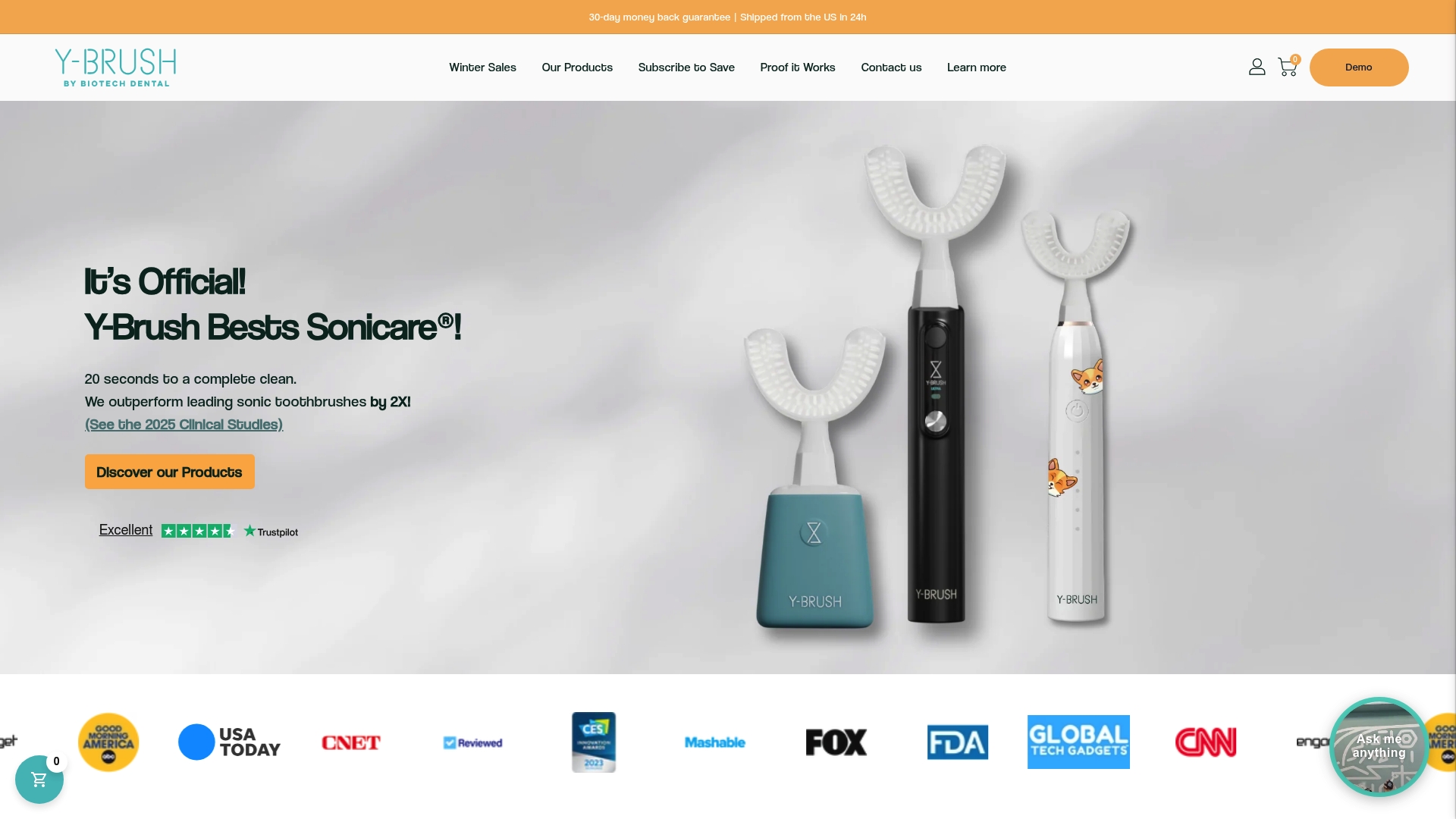
Y-brush is built for how people actually live. The Y-brush Essential Sonic Toothbrush cleans all teeth simultaneously in just 20 seconds, delivering a clinically effective clean without the two-minute commitment most routines never reach. For families, the Y-brush KidsBrush brings the same approach to children ages 4–12, making consistent oral hygiene realistic for the whole household. Fresh breath and a plaque-free smile should not depend on perfect discipline every morning. Y-brush makes them the default.
Key Takeaways
Fresh breath is a reliable indicator of a balanced oral microbiome and effective daily hygiene, not just a cosmetic concern.
| Point | Details |
|---|---|
| Fresh breath signals oral health | Consistent freshness reflects a balanced microbiome and low bacterial load, not just good hygiene habits. |
| Mechanical cleaning is primary | Brushing, flossing, and tongue scraping remove odor-causing bacteria; mouthwash alone lasts about 20 minutes. |
| Saliva is the mouth’s defense | Staying hydrated supports saliva flow, which neutralizes acids and controls bacterial growth throughout the day. |
| Oral health connects to systemic health | Good oral hygiene lowers risk for gum disease, cardiovascular conditions, and metabolic disorders. |
| Y-brush makes consistency achievable | Y-brush cleans all teeth in 20 seconds, removing the time barrier that prevents most people from brushing effectively. |


