


TL;DR:
- Prioritizing gum health prevents tooth loss and systemic health issues.
- Consistent proper oral hygiene reduces the need for costly dental treatments.
- Using effective tools and techniques ensures healthier gums and easier dental visits.
Most people spend more time choosing a whitening toothpaste than thinking about their gum health. White teeth get all the attention, but gums are the foundation everything else rests on. Gum disease affects millions of Americans, quietly undermining their oral hygiene long before any visible damage appears. This article walks through the real, science-backed benefits of prioritizing gum care, from fresher breath to a lower risk of heart disease, and shows you exactly how to build a routine that protects far more than your smile.
Table of Contents
- Why gum care is crucial: The science and stats
- 1. Healthier teeth and fresher breath
- 2. Whole-body wellness: Gum health beyond the mouth
- 3. Faster, easier cleanings and affordable care
- 4. Extra benefits: Xylitol gum, better compliance, and tech tools
- Our take: What most people miss about gum care
- Ready to level up your gum care routine?
- Frequently asked questions
Key Takeaways
| Point | Details |
|---|---|
| Gum health underpins oral wellness | Caring for your gums prevents disease, tooth loss, and persistent bad breath. |
| Daily routines matter most | Brushing twice daily, flossing, and regular cleanings are your front line for gum care. |
| Better gums mean better overall health | Healthy gums are linked to lower risks of heart disease and other systemic issues. |
| Smart tools and xylitol add a boost | Sugar-free gum after meals and tech tools like water flossers can enhance your routine. |
| Consistency trumps perfection | Sticking to simple, proven steps every day leads to dramatic gum health improvements. |
Why gum care is crucial: The science and stats
Gum disease is not just a dental inconvenience. It is a chronic inflammatory condition that, left untreated, destroys the tissue and bone supporting your teeth. It starts with gingivitis, the mildest form, where gums become red, swollen, and prone to bleeding. Without intervention, it can progress to periodontitis, a more severe stage where pockets form between teeth and gums, harboring bacteria that are nearly impossible to remove at home.
The scale of this problem in the U.S. is significant. Gum disease affects roughly 42 million adults nationwide, and smokers face twice the risk of developing it compared to non-smokers. These are not just numbers. They represent millions of preventable tooth losses, expensive procedures, and systemic health complications.
The primary causes of gum disease are well established:
- Plaque buildup: A sticky film of bacteria that forms on teeth daily
- Poor brushing or flossing habits: Leaving plaque to harden into tartar
- Smoking: Significantly increases infection risk and slows healing
- Genetic predisposition: Some people are simply more susceptible
- Medications: Certain drugs reduce saliva flow, raising bacterial counts
“Gum disease is largely preventable. Early intervention with proper hygiene can reverse gingivitis before it becomes periodontitis.”
The good news is that early gum disease is reversible. Gingivitis responds well to improved healthy gum techniques before any permanent damage sets in. If you want a structured approach, a complete gum care guide can give you the step-by-step framework to start. The key insight here is that prevention is always cheaper, less painful, and more effective than treatment.
Now that you know why gum health deserves your attention, let’s break down the specific benefits of prioritizing gum care.
1. Healthier teeth and fresher breath
With a foundation in why gum care is essential, let’s see how these routines pay off for your teeth and breath.
Healthy gums and healthy teeth are inseparable. When bacteria accumulate along the gumline, they release toxins that eat away at enamel and create the conditions for cavities. Plaque that is not removed hardens into tartar, which can only be cleared by a dental professional. The cycle accelerates quickly if daily hygiene slips.

Proper gum care through brushing, flossing, and professional cleanings prevents gingivitis and periodontitis, which directly reduces the risk of tooth loss. Tooth loss is not just cosmetic. It affects chewing, speech, and bone density in the jaw over time.
Here is a simple daily routine that delivers real results:
- Brush twice daily for at least two minutes, covering all tooth surfaces
- Use a soft-bristled brush angled at 45 degrees toward the gumline
- Floss once daily using a C-shape motion, curving under the gumline on each side
- Rinse with an antibacterial mouthwash to reduce bacterial load
- Stay hydrated to keep saliva flowing, which naturally fights bacteria
Bad breath, or halitosis, is another direct result of poor gum health. Bacteria living in gum pockets produce sulfur compounds that cause persistent odor. No amount of mouthwash covers this up long-term. Removing the bacteria through consistent cleaning is the only lasting solution.
Pro Tip: When flossing, do not just snap the floss between teeth. Curve it into a C-shape around each tooth and slide it just beneath the gumline. This is where most people miss the bacteria that cause gum problems.
For targeted strategies on keeping plaque under control, plaque removal tips and limiting dental plaque are practical starting points that go deeper than generic advice.
2. Whole-body wellness: Gum health beyond the mouth
Beyond fresher breath, the importance of gum care reaches into overall body wellness.
The connection between gum health and systemic disease is one of the most important findings in modern dentistry. Bacteria from gum infections can enter the bloodstream, triggering inflammatory responses throughout the body. This is not a fringe theory. It is backed by a growing body of research that links poor oral hygiene to cardiovascular disease, stroke, and even cognitive decline.
Gum care reduces cardiovascular risks and is associated with lower rates of atherosclerotic cardiovascular disease (ASCVD). Daily flossing, in particular, stands out as a low-effort behavior with measurable systemic benefits.
| Health condition | Link to gum disease | Impact of good gum care |
|---|---|---|
| Heart disease | Oral bacteria can inflame arteries | Lower inflammatory markers |
| Stroke | Periodontal bacteria found in clots | Reduced plaque in blood vessels |
| Cognitive decline | Inflammation may affect brain health | Better overall inflammation control |
| Diabetes | Gum disease worsens blood sugar control | Improved glycemic response |
“The mouth is a window to the body. What happens in the gums does not stay in the gums.”
It is worth noting that these associations do not always mean direct causation. Shared risk factors like smoking, diet, and systemic inflammation connect oral and general health in complex ways. But the practical implication is clear: improving gum health is a low-cost, high-return step toward overall wellness.
Building a family oral care guide into your household routine is one of the smartest investments you can make. Pair it with a dental cleaning checklist to make sure nothing gets missed during your daily hygiene sessions.
3. Faster, easier cleanings and affordable care
With the mouth-body connection clear, let’s see how gum care also makes dental appointments smoother and more affordable.
One underappreciated benefit of consistent gum care is what it does for your dental visits. When your gums are healthy, routine cleanings are faster, less uncomfortable, and less expensive. Dental hygienists spend significantly less time removing buildup, and the chance of unpleasant surprises like deep pockets, bone loss, or referrals to specialists drops sharply.
Professional cleaning supports gum health and prevents tartar buildup that at-home brushing cannot address alone. Regular scaling and polishing are straightforward procedures when gums are in good shape. When they are not, scaling below the gumline becomes necessary and that is a far more involved process.
Here is what consistent gum care saves you from:
- Deep cleaning (scaling and root planing): Often required when periodontitis sets in
- Dental crowns: Needed when cavities from untreated plaque damage large portions of teeth
- Tooth extractions and implants: The most costly outcome of advanced gum disease
- Bone grafts: Required when jaw bone deteriorates from long-term periodontitis
Pro Tip: Schedule at least two professional cleanings per year, even if your teeth feel fine. Tartar forms in areas that brushing simply cannot reach, and a hygienist removes it before it triggers gum inflammation.
For anyone looking to maximize efficiency, faster oral care strategies can help you fit a complete, effective routine into even the busiest mornings without cutting corners.
4. Extra benefits: Xylitol gum, better compliance, and tech tools
Let’s round out your gum care toolkit with some add-ons and smart solutions.
Sometimes it is the small additions to a routine that make the biggest difference. Chewing sugar-free xylitol gum after meals reduces plaque acids and helps prevent cavities, earning the ADA Seal of Acceptance. Xylitol works by inhibiting the bacteria that convert sugars into the acids that attack enamel. It also stimulates saliva production, which naturally neutralizes acid and washes away food particles.
Water flossers are ADA-accepted for special circumstances, particularly for people with braces, implants, or limited dexterity. They are not a replacement for string flossing but are a meaningful supplement for those who struggle with traditional methods.
Here is a comparison of the most useful gum care add-ons:
| Tool | Best for | Benefit | Replaces flossing? |
|---|---|---|---|
| Xylitol gum | After meals | Reduces acid and bacteria | No |
| Water flosser | Braces, implants | Reaches tight spaces | No |
| Sonic toothbrush | Daily brushing | High-frequency plaque removal | Partial |
| Interdental brushes | Wide gaps | Cleans between teeth manually | Partial |
Tech tools like sonic toothbrushes are clinically proven to improve compliance. When brushing feels more effective, people are more likely to do it consistently. Compliance, not the price of your toothbrush, is the biggest variable in gum health outcomes.
- Add xylitol gum to your post-meal routine
- Use a water flosser if you have braces or dental work
- Try braces care tips for specialized guidance
- Review a plaque removal guide to combine all tools effectively
Our take: What most people miss about gum care
After reviewing the science and the strategies, one truth stands out clearly: most people fail at gum care not because they lack the right products, but because they lack consistency and technique.
We see this pattern constantly. Someone buys an expensive electric toothbrush, uses it for two weeks, then reverts to a rushed 30-second brush. The tool is irrelevant if the habit is not there. Eighty percent of results in gum health come from doing the basics correctly and doing them every single day.
The myth that healthy gums require a shelf full of premium products is simply not supported by evidence. A soft-bristled brush, proper flossing technique, and two professional cleanings per year will outperform any high-end gadget used inconsistently. A full gum care routine built around these fundamentals will serve you better than chasing the latest trends.
Invest in the habit first. Then let the right tools amplify what you are already doing well.
Ready to level up your gum care routine?
If you are serious about making gum care a daily habit with great results, here is your next move.
Building a better gum care routine starts with having the right tools that actually fit your life. The Essential Sonic Toothbrush from Y-Brush delivers a clinically effective clean in just 20 seconds, removing the time barrier that causes most people to brush less than they should. It is designed for real life, not ideal conditions.
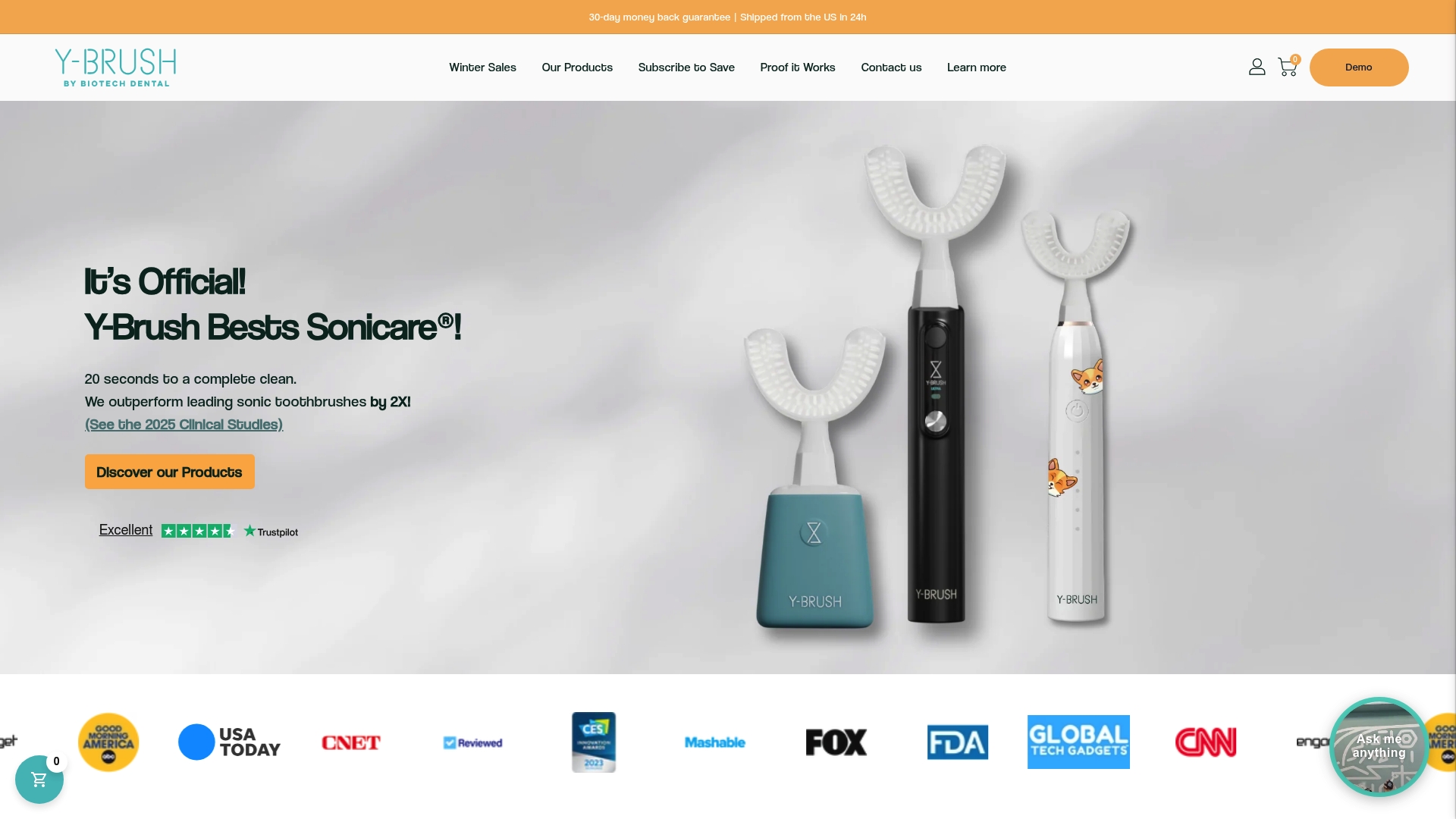
For ongoing access to replacement heads and oral care essentials without the hassle of reordering, the Y-Brush membership keeps your routine fully stocked and consistent. Healthy gums are built on daily action, and Y-Brush makes that daily action as easy as possible.
Frequently asked questions
What are the signs of unhealthy gums?
Common signs include redness, swelling, bleeding when brushing or flossing, and persistent bad breath. If gums pull away from the teeth or teeth feel loose, that signals a more advanced stage requiring professional attention.
How often should I floss to improve gum health?
Floss at least once daily for best results. Research shows that flossing 3 to 4 times per week still delivers significant benefits for both gum health and cardiovascular risk reduction.
Can gum disease affect my overall health?
Yes. Poor gum health is associated with higher risks of heart disease, stroke, and possibly cognitive decline, as shown by lower systemic risks observed in people with good oral hygiene behaviors.
Are sugar-free gums actually good for my teeth and gums?
Chewing sugar-free xylitol gum after meals reduces plaque acids and helps prevent cavities, a benefit recognized by the ADA Seal of Acceptance program.
Do I need special tools for optimal gum care?
Most people succeed with proper brushing and flossing alone. However, water flossers are accepted for special circumstances like braces or implants, where reaching between teeth is more difficult with standard floss.
Recommended
- Step by step gum care: your complete guide for 2026 – Y-Brush USA
- Techniques for Maintaining Healthy Gums – Y-Brush USA
- 6 Key Advantages of Fast Brushing for Busy Professionals – Y-Brush USA
- Why clean between teeth: essential benefits and tips – Y-Brush USA
- Best Hydrolysed Dog Food for Dental Care & Gum Health UK


