


Keeping your teeth clean with braces doesn’t have to be complicated or time consuming. Many teens and young adults worry that brackets and wires make proper oral hygiene nearly impossible to achieve, especially when juggling school, sports, and social activities. The truth is, with the right techniques and products, maintaining excellent oral health during orthodontic treatment can be straightforward and efficient. This guide delivers practical, evidence based advice to help you protect your smile while living your busy life.
Table of Contents
- Key takeaways
- Why oral hygiene is crucial when you have braces
- Essential oral care techniques and routines for braces wearers
- Choosing the right oral hygiene products for busy lifestyles with braces
- Lifestyle tips and diet considerations to support oral health with braces
- Discover Y-Brush: designed oral hygiene solutions for braces wearers
- Frequently asked questions about oral hygiene for braces
Key Takeaways
| Point | Details |
|---|---|
| Brushing techniques for braces | Brush at least twice daily with a soft bristle or sonic toothbrush, hold the brush at a 45 degree angle to the gumline, and clean each tooth in a systematic sequence around the brackets for about 10 seconds per tooth. |
| Interdental cleaning essential | Use floss threaders or interdental brushes to remove plaque between teeth and around wires, as these areas trap debris that standard brushing may miss. |
| Right tools and products | Choose a compact head toothbrush and appropriate interdental cleaning tools, and consider mouthwash to reduce bacteria while wearing braces. |
| Consistent oral hygiene | Missing a brushing session can allow plaque to harden and extend treatment, so daily routine consistency is more important than perfection. |
Why oral hygiene is crucial when you have braces
Braces create dozens of tiny spaces where food particles and bacteria love to hide. Every bracket, band, and wire adds a surface where plaque can accumulate faster than on natural teeth alone. Without diligent daily cleaning, this plaque buildup leads to cavities and gum disease at significantly higher rates for orthodontic patients. The consequences go beyond temporary discomfort.
Poor oral hygiene during orthodontic treatment can result in permanent white spot lesions, which are early stage cavities that appear as chalky marks on tooth enamel around brackets. These spots remain visible even after braces come off, undermining the beautiful straight smile you worked so hard to achieve. Gum inflammation and bleeding become common problems when plaque irritates soft tissue pressed against metal hardware.
Maintaining excellent oral hygiene boosts orthodontic success by keeping teeth and gums healthy throughout treatment. Clean teeth move more predictably into their ideal positions, and healthy gums provide the stable foundation orthodontists need to achieve optimal results. Your daily cleaning routine directly impacts both your treatment timeline and final outcome.
Consider these critical factors:
- Brackets and wires multiply plaque retention sites by creating irregular surfaces
- Food debris trapped around orthodontic hardware feeds harmful bacteria
- Inflamed gums can slow tooth movement and extend treatment duration
- Preventable cavities may require removing braces temporarily for dental work
“The difference between patients who maintain meticulous oral hygiene and those who don’t becomes dramatically visible within weeks of getting braces. Healthy gums stay pink and firm, while neglected areas show redness, swelling, and bleeding that signals advancing gum disease.”
Essential oral care techniques and routines for braces wearers
Mastering proper braces cleaning techniques transforms your daily routine from frustrating to efficient. Start by brushing at least twice daily, ideally after every meal when possible. Use a soft bristled or sonic toothbrush with a small head that can navigate around orthodontic hardware without causing damage.

Position your brush at a 45 degree angle where teeth meet gums, then use gentle circular motions to clean each tooth surface. Focus on three distinct zones: above the brackets, directly on the brackets, and below the brackets near the gumline. Spend about 10 seconds on each tooth, working systematically around your entire mouth to ensure nothing gets missed.
Interdental cleaning separates good oral hygiene from great results. Standard floss requires threading beneath wires using floss threaders or specialized orthodontic floss with stiff ends. While effective, this method takes practice and patience. Interdental brushes offer a faster alternative, sliding easily between teeth and around wires to dislodge trapped food and plaque.
Follow this proven sequence for thorough cleaning:
- Rinse your mouth with water to loosen food particles
- Brush all tooth surfaces using the 45 degree angle technique
- Clean between teeth using floss threaders or interdental brushes
- Brush your tongue to remove bacteria
- Rinse with antimicrobial mouthwash to reduce bacterial load
Consistency matters more than perfection. Missing a single brushing session allows plaque to harden into tartar within 24 to 48 hours, creating deposits only professional cleaning can remove. Set phone reminders or link brushing to existing habits like morning coffee or bedtime routines to build automatic consistency.
Pro Tip: Keep a daily oral hygiene checklist on your bathroom mirror during the first month of braces. Checking off each step reinforces proper technique until it becomes second nature.
Pay special attention to areas where brackets meet enamel, as these junctions trap the most plaque. Use your brush tip or a specialized end tuft brush to clean around each bracket thoroughly. Gentle pressure prevents gum recession while still removing debris effectively.
Choosing the right oral hygiene products for busy lifestyles with braces
Product selection dramatically impacts cleaning efficiency and results. Manual toothbrushes work well when used correctly but require more time and technique precision. Electric and sonic toothbrushes deliver thousands of brush strokes per minute, removing plaque more thoroughly in less time.
| Product Type | Best For | Time Required | Effectiveness |
|---|---|---|---|
| Manual brush | Budget conscious users | 3-4 minutes | Good with proper technique |
| Electric rotating | Thorough cleaning | 2-3 minutes | Very good for brackets |
| Sonic toothbrush | Speed and efficiency | 1-2 minutes | Excellent plaque removal |
| Interdental brush | Quick between-teeth cleaning | 1-2 minutes | Superior for wire areas |
| Water flosser | Sensitive gums | 1-2 minutes | Good for flushing debris |
Sonic toothbrushes designed specifically for braces feature specialized brush heads with longer bristles that reach around brackets and shorter bristles that clean tooth surfaces. These tools reduce brushing time while improving plaque removal compared to manual brushing. Look for models with pressure sensors to prevent aggressive brushing that can damage gums or loosen brackets.
Interdental tools deserve careful consideration. Traditional floss provides excellent cleaning between tight contacts but frustrates many braces wearers due to threading difficulties. Interdental brushes come in various sizes to fit different spaces, making them ideal for cleaning around wires quickly. Water flossers use pressurized water streams to flush debris but should supplement, not replace, mechanical cleaning.
Mouth rinses add antimicrobial protection without replacing brushing and flossing. Choose alcohol free formulas with fluoride to strengthen enamel and reduce cavity risk. Rinse for 30 seconds after mechanical cleaning to reach areas brushes might miss.
Consider these practical factors for dental hygiene essentials:
- Portability matters for school and travel
- Battery life affects convenience for electric options
- Replacement brush heads should be affordable and accessible
- Timer features help ensure adequate cleaning duration
- Soft bristles protect enamel and orthodontic hardware
Pro Tip: Create a fast oral care routine by keeping a travel kit in your locker or backpack with a compact sonic toothbrush, interdental brushes, and mini mouthwash. Quick midday cleaning after lunch prevents plaque accumulation during your busiest hours.
Replace brush heads every three months or sooner if bristles become frayed. Worn bristles clean less effectively and can harbor bacteria. Set a recurring reminder on your phone to maintain this schedule automatically.
Lifestyle tips and diet considerations to support oral health with braces
Daily habits beyond brushing significantly influence oral health outcomes during orthodontic treatment. Your diet for braces wearers plays a crucial role in preventing plaque formation and protecting hardware from damage. Sticky foods like caramel and taffy cling to brackets and prove nearly impossible to remove completely, creating ideal conditions for cavity causing bacteria.
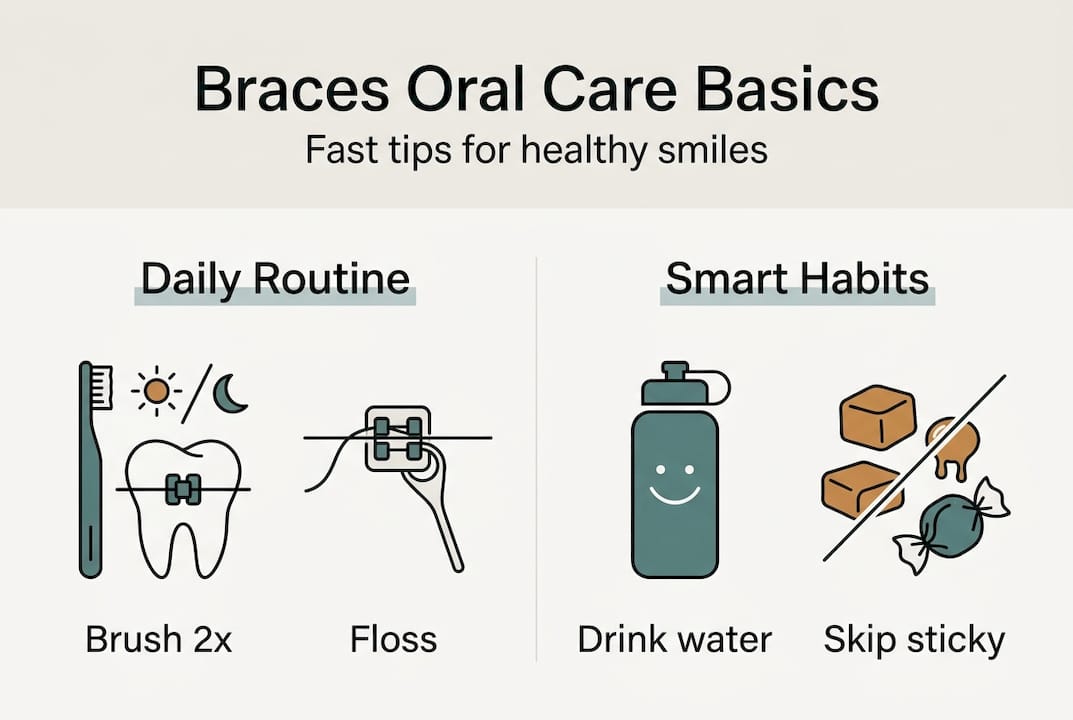
Hard foods present different risks by potentially breaking brackets or bending wires, which extends treatment time and requires emergency orthodontic visits. Avoid chomping ice, hard candies, nuts, and raw carrots unless cut into small pieces. Sugary snacks and beverages feed harmful bacteria that produce acid, attacking enamel and causing cavities around brackets.
Water becomes your best friend throughout orthodontic treatment. Drinking water after meals and snacks helps wash away food particles before they become trapped in braces. Swishing water vigorously around your mouth provides quick cleaning when brushing isn’t immediately possible. Staying hydrated also promotes healthy saliva production, which naturally protects teeth.
Sugar free gum offers surprising benefits for braces wearers when chosen carefully. Chewing gum stimulates saliva flow, which neutralizes acids and helps remineralize enamel. Select products with xylitol, a natural sweetener that actually reduces cavity causing bacteria. Avoid gum if your orthodontist advises against it based on your specific hardware.
| Habit | Impact on Oral Health | Recommendation |
|---|---|---|
| Sugary snacks | Increases cavity risk dramatically | Limit to mealtimes only |
| Water consumption | Flushes debris and promotes saliva | Drink after every meal |
| Regular checkups | Catches problems early | Visit dentist every 6 months |
| Nail biting | Damages brackets and enamel | Break habit with stress alternatives |
| Sports without mouthguard | Risks orthodontic and dental injury | Always wear protection |
Schedule dental cleanings and checkups every six months throughout orthodontic treatment, or more frequently if recommended. Professional cleanings remove tartar buildup that home care misses, and dentists can identify early signs of cavities or gum disease before they become serious problems. Coordinate these visits with orthodontic adjustments when possible.
Protect your investment by avoiding harmful habits. Nail biting, pen chewing, and similar behaviors can break brackets, bend wires, and chip enamel. These effective oral care habits extend beyond what you put in your mouth to include stress management techniques that eliminate destructive patterns.
Athletes with braces need special consideration. Always wear an orthodontic mouthguard during contact sports and high impact activities. These specialized guards accommodate braces while protecting teeth, lips, and cheeks from injury. Custom fitted guards from your orthodontist offer superior protection and comfort compared to generic options.
Consider these daily practices:
- Carry a water bottle to rinse after eating when brushing isn’t possible
- Choose braces friendly snacks like soft fruits, yogurt, and cheese
- Cut hard foods into bite sized pieces rather than biting directly
- Use a straw for sugary or acidic beverages to minimize tooth contact
- Take photos monthly to track your progress and stay motivated
Discover Y-Brush: designed oral hygiene solutions for braces wearers
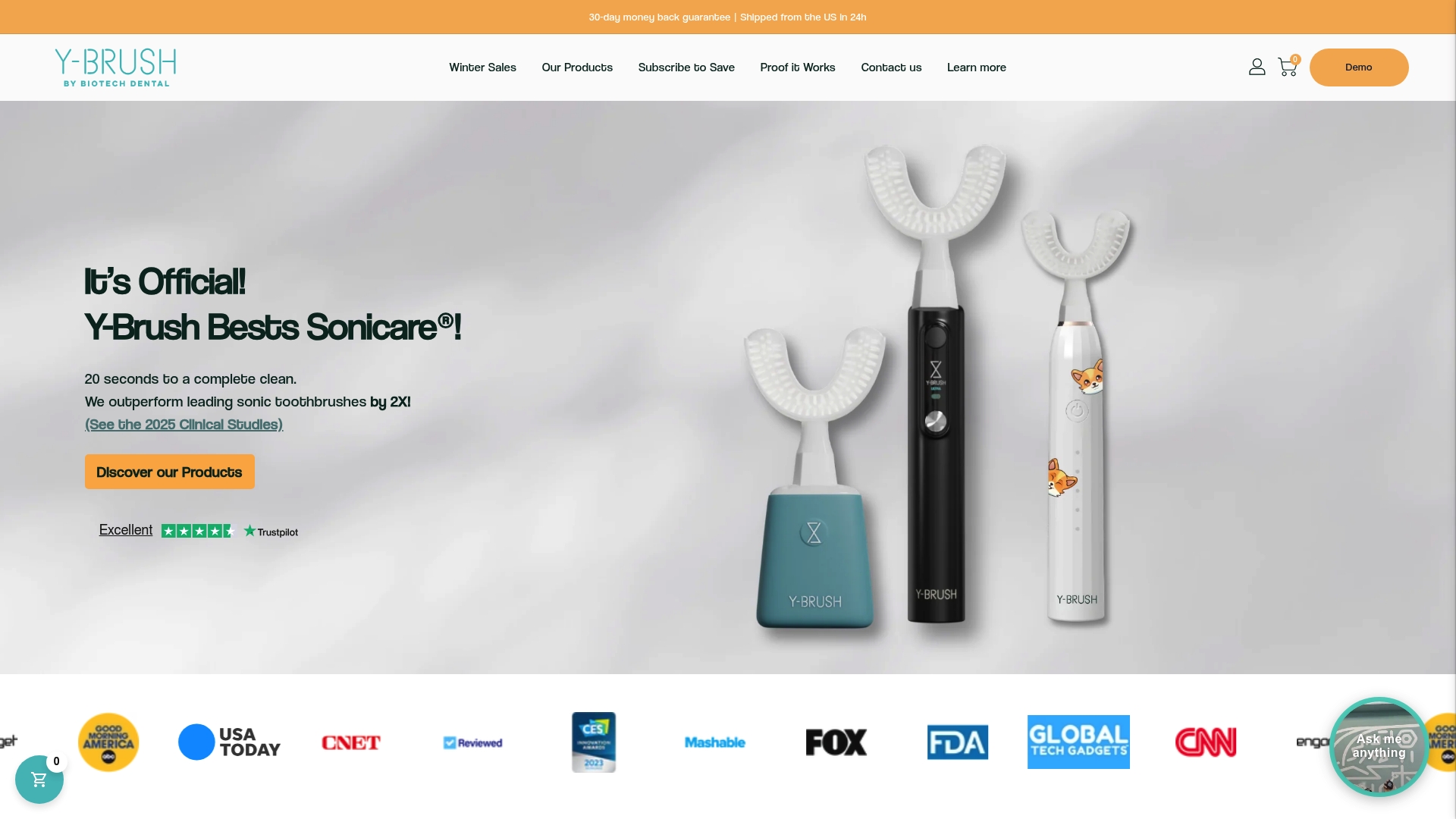
Managing oral hygiene with braces demands tools that work as hard as you do. Y-Brush has engineered sonic toothbrush technology specifically to address the challenges orthodontic patients face every day. The Y-Brush Essential Sonic Toothbrush delivers 20 second cleaning power that fits seamlessly into rushed morning routines and busy schedules.
Specialized brush heads designed for braces reach around brackets and beneath wires with precision bristle patterns that manual brushing simply cannot match. The sonic vibrations break up plaque effectively while remaining gentle on sensitive gums and orthodontic hardware. For those seeking advanced features, the Y-Brush Ultra Sonic Toothbrush offers enhanced cleaning modes and smart technology.
Maintaining your oral care routine becomes effortless with Y-Brush membership plans that deliver replacement brush heads on your schedule. Never worry about worn bristles compromising your cleaning effectiveness. Membership also provides early access to new products designed specifically for orthodontic patients, ensuring you always have the most advanced tools supporting your treatment success.
Frequently asked questions about oral hygiene for braces
Can I use a regular toothbrush or should I get a special one for braces?
Regular soft bristled toothbrushes work adequately for brushing with braces if used with proper technique and sufficient time. However, specialized orthodontic toothbrushes with V shaped bristle patterns or sonic toothbrushes designed for braces clean more effectively in less time. The investment in a quality electric or sonic brush typically pays off through better oral health outcomes and fewer dental problems during treatment.
How often should I floss when I have braces?
Floss at least once daily, preferably before bedtime, to remove plaque and food particles that brushing misses between teeth and around wires. Using floss threaders or interdental brushes makes this process faster and more thorough. Some orthodontists recommend flossing after every meal during the first months of treatment until you establish strong cleaning habits.
Are electric toothbrushes recommended for cleaning braces?
Electric and sonic toothbrushes receive strong recommendations from orthodontists because they remove significantly more plaque than manual brushing in the same time period. The rapid vibrations break up biofilm around brackets more effectively while reducing the physical effort required. Choose models with orthodontic brush heads and pressure sensors to protect your hardware and gums during cleaning.
What foods should I avoid to protect my braces and teeth?
Avoid sticky foods like caramel and gum, hard foods like ice and nuts, and chewy items like bagels and tough meats that can damage brackets or bend wires. Following diet recommendations for braces also means limiting sugary and acidic foods that increase cavity risk. Cut hard fruits and vegetables into small pieces rather than biting directly to protect your orthodontic hardware.
How can I make brushing with braces faster for my busy schedule?
Sonic toothbrushes designed for orthodontic patients reduce brushing time to 1 to 2 minutes while maintaining thorough cleaning. Keep a portable cleaning kit in your backpack with interdental brushes and travel sized mouthwash for quick midday maintenance. Establishing a systematic approach where you clean each quadrant of your mouth in the same order every time also improves efficiency and ensures you never miss areas.


