


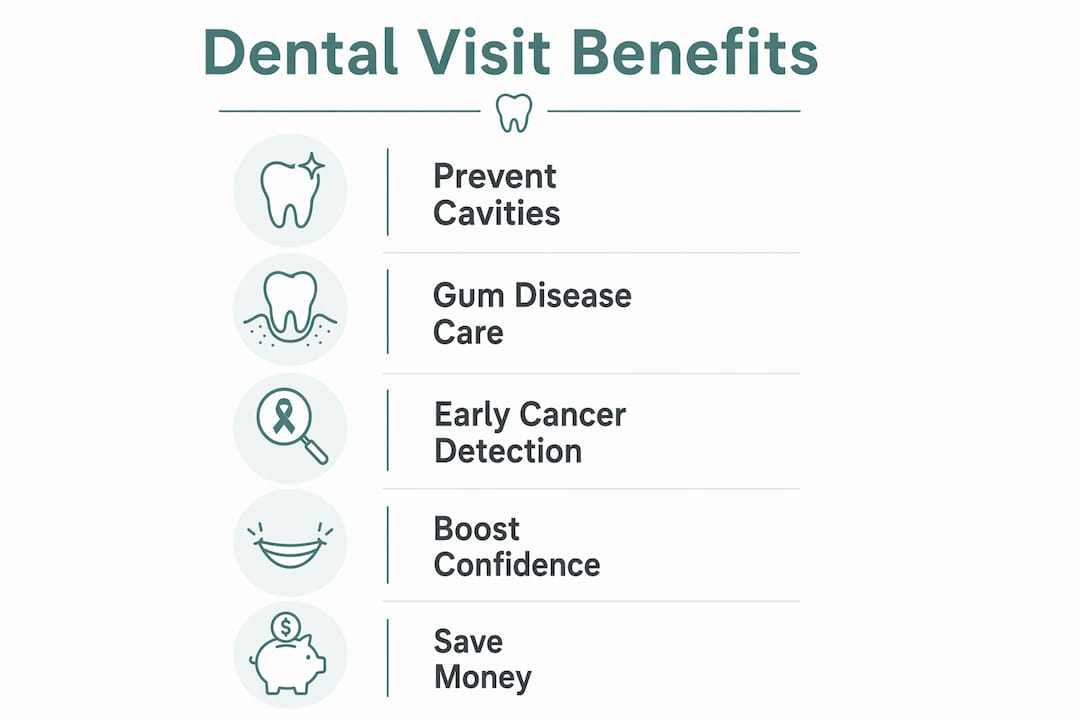
Regular dental visits are one of the most effective ways to protect both your oral and overall health. They catch problems early, when treatment is simpler and less expensive, and they provide professional care that home brushing simply cannot replicate. Here is why scheduling consistent checkups matters:
- Early cavity detection: Dentists identify tooth decay early, before it progresses into pain, infection, or costly procedures.
- Gum disease prevention: Professional cleanings remove hardened tartar that daily brushing cannot reach, reducing inflammation and the risk of tooth loss.
- Oral cancer screening: Checkups include visual assessments for suspicious patches, lumps, or sores that may signal cancer at a treatable stage.
- Systemic health protection: Untreated gum disease is linked to heart disease, diabetes, and stroke, making dental visits a broader health safeguard.
- Dental work monitoring: Dentists assess existing fillings, crowns, and restorations to catch wear or failure before it becomes a larger problem.
- Personalized hygiene guidance: Every visit delivers customized advice on brushing, flossing, and diet that strengthens your daily routine.
Why visit the dentist? Signs you should not ignore
Some situations call for a dental appointment before your next scheduled checkup. Waiting for pain to become unbearable is one of the most common mistakes people make with oral health.
- Tooth or gum pain: Persistent aching, sharp sensitivity to hot or cold, or throbbing discomfort often signals decay, infection, or nerve involvement.
- Bleeding or swollen gums: Gums that bleed during brushing or appear puffy and tender are classic early signs of gingivitis or periodontitis.
- Persistent bad breath: Chronic bad breath that does not resolve with brushing can indicate gum disease, dry mouth, or an underlying infection.
- Visible sores or unusual spots: Red or white patches, lumps, or unexplained sores in the mouth warrant prompt evaluation, as these can be early indicators of oral cancer.
- Pregnancy or chronic conditions: Hormonal changes during pregnancy increase susceptibility to gum disease. People managing diabetes, heart disease, or autoimmune conditions benefit from closer dental monitoring.
- Damaged or lost restorations: A cracked filling, loose crown, or broken tooth needs prompt assessment to prevent infection or further structural damage.
Pro Tip: If your face becomes swollen or you experience difficulty swallowing alongside mouth pain, seek dental care the same day. These symptoms can indicate a spreading infection.
How regular checkups and cleanings protect your teeth
Prevention is consistently less expensive and less painful than treatment. Routine dental visits are associated with fewer treatments for oral disease and lower long-term dental costs, according to CDC health data.
Professional cleanings accomplish something your toothbrush and floss cannot. Tartar, which is plaque that has calcified onto the tooth surface, can only be removed with specialized dental instruments. Left in place, tartar drives chronic inflammation in the gum tissue, eventually leading to bone loss and tooth loss. A cleaning every six months interrupts that cycle before it advances.
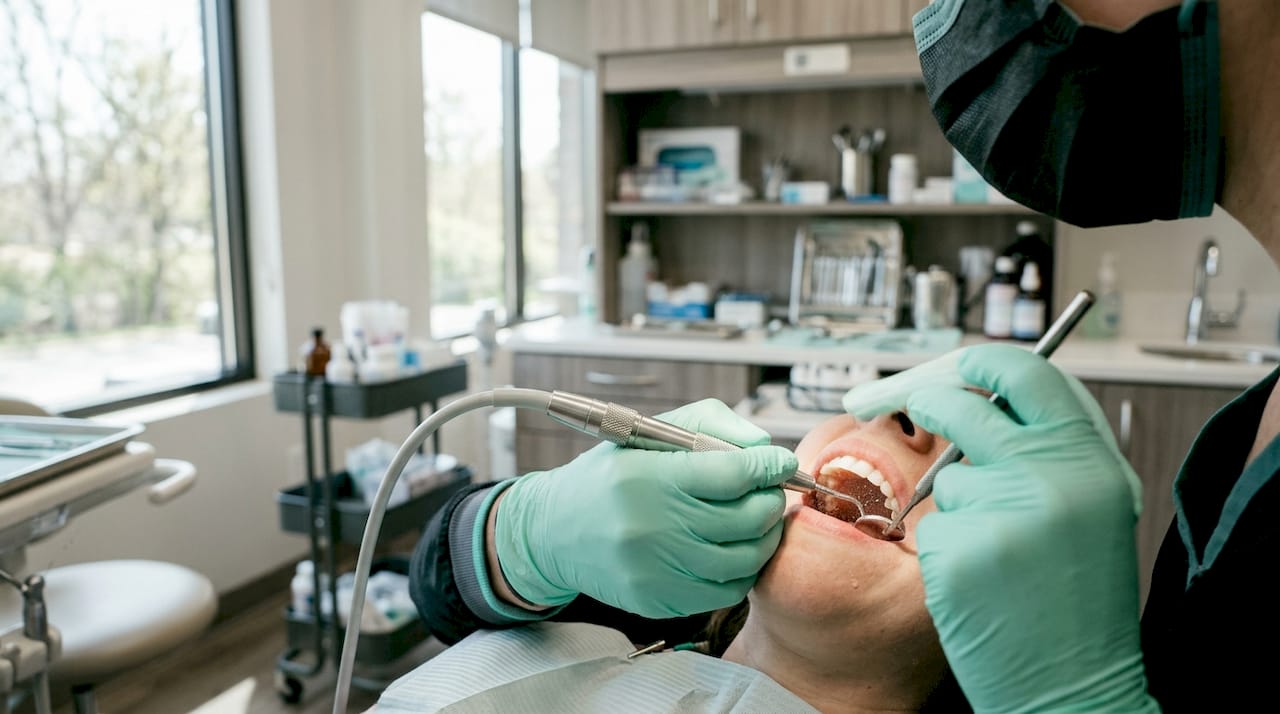
Checkups also create a documented clinical history. When your dentist tracks subtle changes in your gum depth, enamel wear, or bite over time, they can spot a trend that a single visit would miss entirely. That continuity is what makes regular dental visits genuinely preventive rather than reactive. For people with elevated risk factors such as periodontal disease or diabetes, visits more frequent than every six months are often recommended to keep disease progression under control.
How does oral health affect your overall body?
The mouth is not separate from the rest of the body. Bacteria and inflammation originating in the gums can enter the bloodstream and contribute to conditions far beyond the teeth.
Gum disease is directly linked to increased risk of heart disease and stroke, and it complicates blood sugar management in people with diabetes. Dentists are also trained to recognize oral signs of systemic diseases. Eroded enamel on back teeth can indicate acid reflux. Bone loss visible on dental X-rays may suggest osteoporosis. Bleeding gums combined with elevated saliva sugar levels can be an early signal of undiagnosed diabetes.
“I think individuals should view their dentists as an indispensable part of their health care team. Some people describe the mouth as the gateway to the body and oral health as the canary in the coal mine. It’s true — dentists might see things that can indicate other things happening in the body.” — Dr. Christine Riedy, Harvard School of Dental Medicine
Sharing your full health history with your dentist, including medications and recent diagnoses, gives them the context needed to make those connections. More than 100 conditions can produce signs in the mouth, according to the American Heart Association, which means your dentist may catch something your primary care physician has not yet seen.
What actually happens during a dental visit?
A standard dental visit typically covers more ground than most people expect. Knowing what to anticipate makes the appointment feel less daunting.
- Health history review: Your dentist asks about medications, allergies, and any changes in your general health since your last visit.
- Oral examination: The dentist checks teeth, gums, tongue, lips, and soft tissues for decay, disease, and any abnormalities.
- X-rays (when needed): Imaging reveals decay between teeth, infections below the gum line, and bone changes not visible to the naked eye.
- Professional cleaning: A dental hygienist removes plaque and tartar, then polishes the tooth surfaces to reduce future buildup.
- Oral cancer screening: The dentist examines the mouth for suspicious patches, lumps, or sores, particularly in adults over 40.
- Personalized advice: You receive specific guidance on brushing technique, flossing, diet, and any habits affecting your oral health.
Dental anxiety affects approximately 15% of people, but dental teams are trained to help. Strategies include listening to music through headphones, deep breathing exercises, and sedation options such as nitrous oxide. Telling your dentist about anxiety before the appointment allows them to adjust their approach from the start.
How good oral health builds confidence and mental wellbeing
The psychological benefits of maintaining a healthy mouth are real and often underestimated. People who feel good about their teeth smile more freely, speak with greater confidence, and report less social anxiety in professional and personal settings.

Chronic dental pain, visible decay, or persistent bad breath can quietly erode self-esteem over time. Addressing these issues through regular care does not just resolve a physical problem. It removes a source of daily stress. Many people describe feeling noticeably more at ease in social situations after completing dental treatment, simply because the worry is gone.
Good oral hygiene also supports better sleep and reduced systemic inflammation, both of which contribute to mood and energy levels. The dental cleaning checklist you build with your dentist’s guidance becomes a daily investment in how you feel, not just how your teeth look.
Long-term benefits: oral cancer detection and preventing tooth loss
Two of the most serious long-term consequences of skipping dental visits are missed oral cancer diagnoses and preventable tooth loss. Both are largely avoidable with consistent care.
Oral cancer, when caught early, has a significantly better prognosis than when detected at an advanced stage. Dentists screen for rough spots, swelling, unexplained bleeding, and discolored patches of mucosa at every checkup. Head and neck malignancies account for about 4% of all cancers in the United States, and they are more prevalent in older adults, making routine screening especially valuable as you age.
Tooth loss follows a predictable path when gum disease goes untreated. Tartar buildup triggers inflammation, which destroys the bone supporting the teeth. By the time a tooth becomes loose, the underlying bone loss is often advanced. Consistent professional cleanings and early intervention break that chain before it reaches an irreversible point. Preventing tooth loss also protects nutrition, speech, and jaw structure, all of which affect quality of life well beyond the mouth. Neglecting dental care over years can lead to significant long-term costs, making prevention the far more practical choice.
Key Takeaways
Regular dental visits protect your health at every level, from catching cavities early to identifying signs of systemic disease before symptoms appear elsewhere in the body.
| Point | Details |
|---|---|
| Early detection saves money | Regular exams catch decay and gum disease early, when treatment is simpler and less costly. |
| Cleanings do what brushing cannot | Professional scaling removes calcified tartar that home care cannot reach, preventing bone loss. |
| Oral health reflects systemic health | Gum disease links to heart disease, diabetes, and stroke; dentists can spot systemic disease signs in the mouth. |
| Anxiety is manageable | About 15% of people experience dental anxiety; sedation, music, and breathing techniques help significantly. |
| Oral cancer screening saves lives | Dentists screen for suspicious lesions at every visit, catching head and neck cancers at more treatable stages. |
Y-brush supports your daily oral health between visits
Professional dental visits set the standard for your oral health. What happens between those appointments determines how well you maintain it. Y-brush was built for exactly that gap. Its clinically designed sonic toothbrush delivers a thorough clean in just 20 seconds, making it practical for people who struggle to brush the full two minutes that most skip entirely.
Whether you are reinforcing the habits your dentist recommended or simply looking for a more consistent daily routine, the Y-brush Essential Sonic Toothbrush gives you professional-level plaque removal without the time barrier. Your dentist handles what only a professional can. Y-brush handles the rest.


