


What you eat is one of the most direct and modifiable influences on the condition of your teeth and gums. The role of diet in oral health extends well beyond avoiding candy: nutrients like calcium, phosphorus, vitamin D, and omega-3 fatty acids actively strengthen enamel, support bone structure, and reduce gum inflammation. At the same time, the oral microbiome, saliva production, and enamel integrity all respond to dietary choices within hours of eating.
Here is what the evidence shows at a glance:
- Calcium and phosphorus remineralize enamel and maintain the alveolar bone that anchors teeth.
- Vitamin D is required for calcium absorption; without it, even a calcium-rich diet falls short.
- Omega-3 fatty acids reduce the chronic inflammation that drives gingivitis and periodontitis.
- Fiber-rich fruits and vegetables mechanically clean tooth surfaces and stimulate saliva flow.
- Frequent sugar intake feeds Streptococcus mutans, dropping oral pH below the critical threshold of 5.5 and triggering enamel demineralization.
- Eating timing matters: consuming sugary foods during meals is significantly less harmful than snacking on them between meals, because saliva flow during meals buffers the resulting acids.
- Practical habits such as choosing dairy, crunchy vegetables, and fluoridated water can prevent the most common dental diseases without radical dietary changes.
Oral hygiene and fluoride use alone are insufficient for full prevention; dietary modification is a separate, essential variable in caries, gingivitis, and periodontitis outcomes.
Table of Contents
- How diet directly affects oral health: the key nutrients
- Foods and habits that damage your teeth
- How diet drives caries, gum disease, and enamel erosion
- Why when you eat matters as much as what you eat
- Practical dietary strategies for better oral health
- What the science says: evidence and expert perspectives
- How diet interacts with orthodontic care and oral ulcers
- Vitamins and minerals beyond the basics, including supplements
- Meal planning and snack strategies that protect your teeth
- Key Takeaways
How diet directly affects oral health: the key nutrients
Nutrition supplies the raw materials your mouth uses to defend itself. Deficiencies in specific nutrients translate predictably into weaker enamel, slower tissue healing, and greater susceptibility to infection.
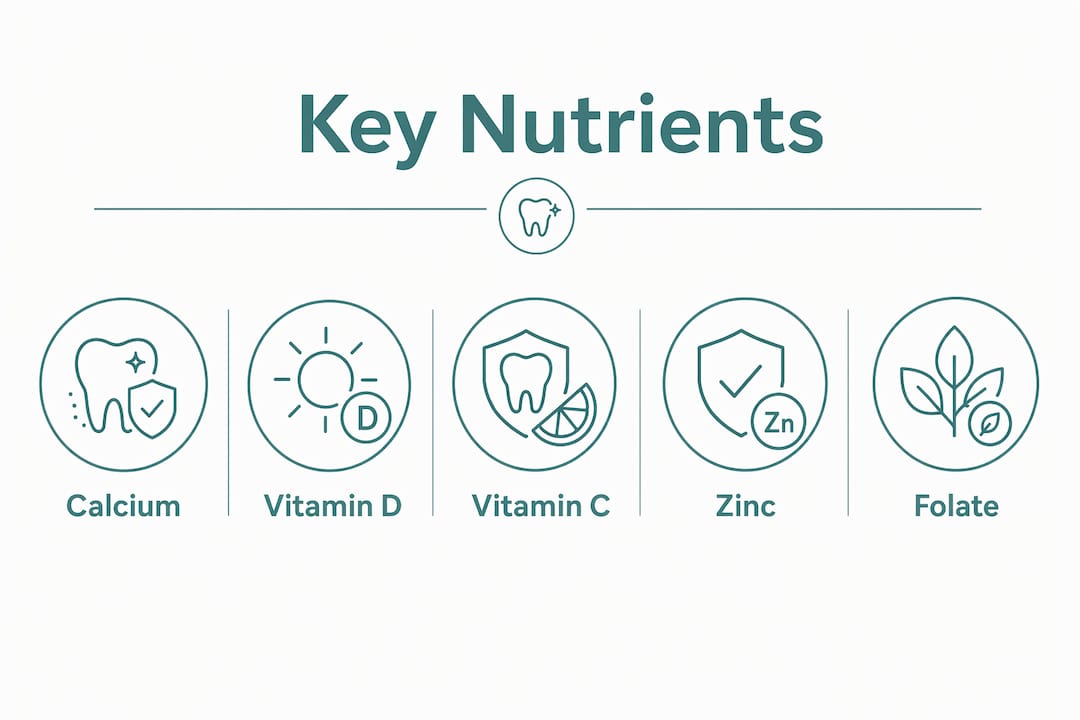
- Calcium and phosphorus are the primary minerals in hydroxyapatite, the crystalline structure of tooth enamel. Calcium and phosphorus protect and rebuild enamel after acid exposure, making them foundational for remineralization. Dairy products, leafy greens, calcium-fortified tofu, and almonds are reliable sources; meat, poultry, fish, and eggs supply phosphorus.
- Vitamin D regulates calcium absorption in the gut. Without adequate vitamin D, dietary calcium cannot reach the teeth and jaw bone effectively. Fatty fish, egg yolks, and fortified dairy are practical sources, and moderate sun exposure remains relevant for many Americans.
- Omega-3 fatty acids, found in fatty fish like salmon and mackerel, reduce systemic and local inflammation. Omega-3s are linked to better gum health and are associated with a lower risk of periodontal disease, shifting the nutritional conversation from simply cutting sugar to actively building oral resilience.
- Fiber-rich fruits and vegetables such as apples, carrots, and celery act as natural tooth cleaners, mechanically scrubbing plaque and stimulating saliva production that neutralizes acids.
- Dairy products deserve specific mention. Cheese, milk, and plain yogurt provide casein and phosphate that coat and protect enamel. Cheese stimulates saliva flow and has a notable buffering capacity, making it one of the more protective foods you can eat after a meal.
- Green and black teas contain polyphenols that inhibit plaque bacteria and reduce acid production. Depending on the brewing water, tea can also contribute trace fluoride.
| Nutrient | Primary Function | Top Food Sources |
|---|---|---|
| Calcium | Enamel remineralization, bone support | Dairy, leafy greens, fortified tofu, almonds |
| Phosphorus | Hydroxyapatite structure, enamel repair | Meat, fish, eggs, legumes |
| Vitamin D | Calcium absorption, immune regulation | Fatty fish, egg yolks, fortified dairy |
| Omega-3 fatty acids | Anti-inflammatory, gum protection | Salmon, mackerel, sardines, flaxseed |
| Vitamin C | Collagen synthesis, gum tissue healing | Citrus, bell peppers, strawberries |
| Fiber | Mechanical cleaning, saliva stimulation | Apples, carrots, celery, whole grains |
Foods and habits that damage your teeth
Not all dietary harm comes from obvious sources. The mechanism matters as much as the ingredient, and frequency often outweighs quantity.
- Fermentable sugars are the primary substrate for cariogenic bacteria. Every time sucrose or other simple sugars reach the mouth, Streptococcus mutans and related bacteria metabolize them into organic acids, triggering a demineralization episode that can last up to 20 minutes.
- Sticky and adhesive foods such as gummy candies, dried fruit, and caramel cling to tooth surfaces, prolonging acid exposure well beyond the initial eating window. The adhesiveness of food is directly related to its cariogenic potential.
- Carbonated soft drinks and acidic beverages including sports drinks and citrus juices combine low pH with high sugar content, creating a dual assault on enamel through both acid erosion and bacterial acid production.
- Frequent between-meal snacking on sugary or starchy foods is particularly damaging. Each snacking episode resets the acid attack cycle, and saliva, which would otherwise buffer the acids during a full meal, has less opportunity to recover between exposures.
- High-fat, pro-inflammatory diets shift the oral microbiome toward dysbiosis, accelerating both caries and gum inflammation faster than many systemic conditions do.
Pro Tip: When you do eat something sweet or acidic, pair it with a meal rather than consuming it alone. The increased saliva flow during eating provides meaningful acid buffering that a standalone snack simply does not get.
Choosing foods that protect teeth over processed snacks is one of the highest-leverage dietary changes you can make for long-term dental health.

How diet drives caries, gum disease, and enamel erosion
The connection between diet and oral disease is not abstract; it follows a clear biochemical pathway. Dental plaque bacteria metabolize fermentable carbohydrates from the diet, producing organic acids that drop oral pH. When pH falls below 5.5, the critical threshold at which enamel begins to dissolve, demineralization outpaces the mouth’s natural repair capacity. Sucrose is the most cariogenic dietary sugar because it is readily metabolized by Streptococcus mutans and also supports the formation of sticky glucan biofilms that help plaque adhere to enamel.
Gum disease follows a parallel but distinct pathway. Chronic consumption of pro-inflammatory fats and refined carbohydrates promotes systemic inflammation, which amplifies the local inflammatory response in gingival tissue. The result is a progression from gingivitis to periodontitis that diet can either accelerate or slow. Anti-inflammatory nutrients like omega-3 fatty acids actively counteract this process, supporting the case for dietary patterns that go beyond sugar restriction.
Key figure: Children who consumed sugars four to five times daily were six times more likely to have a high caries rate than those with the lowest frequency of sugar intake.
Diet also influences the oral microbiome directly. High sugar and pro-inflammatory fat intake rapidly shift microbial balance toward pathogenic species, accelerating both caries and inflammation. This microbial shift can occur faster than the systemic effects of a poor diet become clinically apparent, which is why the mouth often shows the first signs of nutritional problems.
Why when you eat matters as much as what you eat
The timing and frequency of food consumption are independent risk factors for dental disease, separate from the total amount of sugar consumed. Eating sugary or starchy foods between meals heightens caries risk because saliva flow is lower between meals and cannot buffer acids as effectively. During a main meal, chewing stimulates saliva production, which dilutes sugars, neutralizes acids, and delivers calcium and phosphate to the tooth surface.
Practical timing principles supported by clinical evidence:
- Limit sugar exposures to a low number per day to reduce caries risk. Research has found that consuming sugar with meals at limited frequency has a low impact on caries development, whereas increased between-meal consumption is linked to high caries activity.
- Finish meals with acid-neutralizing foods. Ending a meal with cheese or plain yogurt raises oral pH and provides calcium that supports remineralization.
- Avoid sipping sugary or acidic drinks over extended periods. Prolonged sipping extends the acid attack window far beyond what a single, quickly consumed drink would cause.
- Drink fluoridated water throughout the day. Water rinses away food particles, dilutes residual sugars, and, when fluoridated, delivers a low-level topical fluoride benefit between brushing sessions.
- Use sugar-free chewing gum after meals. Chewing stimulates saliva flow, which buffers acids and accelerates the return to a neutral oral pH.
Practical dietary strategies for better oral health
Building a diet that actively supports oral health does not require eliminating entire food groups. The focus is on frequency, food selection, and sequencing.
- Prioritize fiber-rich produce at every meal. Apples, carrots, celery, and leafy greens stimulate saliva and provide mechanical cleaning that complements brushing. These foods are among the best choices for teeth precisely because they work on multiple levels simultaneously.
- Include dairy or calcium-rich alternatives daily. Cheese, plain yogurt, and milk supply the calcium and phosphate needed for enamel remineralization. For those avoiding dairy, calcium-fortified plant milks and tofu are effective substitutes.
- Replace between-meal snacks with structured meals. Consolidating eating occasions reduces the number of daily acid attacks on enamel. If snacking is necessary, choose low-cariogenic options like cheese, nuts, or raw vegetables.
- Limit acidic and sugary beverages to mealtimes. Consuming orange juice or a sweetened coffee with a meal is far less damaging than sipping either throughout the morning.
- Add fatty fish to your weekly rotation. Two to three servings of salmon, mackerel, or sardines per week provides meaningful omega-3 intake for gum health. For guidance on reducing gum inflammation through diet, the nutrient combination of omega-3s and vitamin C is particularly well-supported.
- Stay consistently hydrated with water. Dehydration reduces saliva production, which is one of the mouth’s primary defenses against bacterial acids.
Pro Tip: After eating something sweet, follow it with a small piece of hard cheese or a glass of plain milk rather than rinsing with water. The calcium and casein in dairy actively buffer the acid environment and support enamel repair in a way water alone cannot.
What the science says: evidence and expert perspectives
The scientific case for dietary modification as a pillar of oral disease prevention is well established and continues to strengthen. Strong evidence links both the frequency and amount of free sugar intake to caries development, and clinical guidelines from major dental organizations reflect this consensus. The World Health Organization recommends a threshold for safe free sugar intake, below which caries rates remain low, which includes limiting daily sugar exposure to low frequency.
The bidirectional relationship between oral health and nutrition is a critical clinical insight. Poor oral health, through dental pain, missing teeth, or impaired chewing, reduces the quality and variety of food intake, which in turn worsens nutritional status and further compromises oral tissue healing. This cycle makes early dietary intervention especially valuable.
| Evidence Area | Key Finding | Clinical Implication |
|---|---|---|
| Sugar frequency and caries | Four or more daily sugar exposures significantly increase caries risk | Limit sugar exposures to four or fewer per day |
| Omega-3s and gum disease | Anti-inflammatory fatty acids linked to reduced periodontal risk | Include fatty fish or omega-3-rich foods regularly |
| Calcium-rich acidic foods | Yogurt’s calcium buffers its own acidity, protecting enamel | Acidity alone does not determine erosive potential |
| Bidirectional diet-oral health link | Dental pain reduces food quality and nutrient absorption | Treat oral disease early to protect nutritional status |
| Oral microbiome and diet | High sugar intake shifts microbial balance toward pathogenic species | Reduce refined carbohydrate frequency, not just quantity |
One nuance that clinical evidence highlights is that a food’s pH alone does not determine its erosive potential. Yogurt’s calcium content helps neutralize its inherent acidity, protecting enamel despite the food being technically acidic. This challenges the simplistic rule of avoiding all acidic foods and underscores the importance of mineral content and buffering capacity in dietary assessment.
The oral cavity also provides an early clinical window for nutritional intervention before systemic diet-related diseases become apparent, a point that positions dentists and dental hygienists as important partners in preventive nutrition counseling alongside physicians and dietitians.
How diet interacts with orthodontic care and oral ulcers
Dietary considerations shift meaningfully when a patient is undergoing orthodontic treatment or managing recurrent oral conditions. For patients with braces or clear aligners, the mechanical constraints of treatment change which foods are safe and which create additional risk.

Orthodontic care: Hard, sticky, and chewy foods pose a direct mechanical risk to brackets and wires, but the dietary concern goes further. Orthodontic appliances create additional plaque-retention sites, making the cariogenic effect of frequent sugar intake more pronounced. Patients in orthodontic treatment benefit from stricter sugar frequency limits and a stronger emphasis on fluoridated water and remineralizing foods like dairy. Soft, nutrient-dense options such as plain yogurt, cooked vegetables, eggs, and fish maintain nutritional adequacy without mechanical risk.
Recurrent aphthous ulcers (canker sores): Nutritional deficiencies, particularly in vitamin B12, iron, folate, and zinc, are associated with increased frequency and severity of aphthous ulcers. Addressing these deficiencies through diet or supplementation can reduce recurrence. Acidic and spicy foods aggravate active ulcers and should be minimized during flare-ups. Foods rich in zinc (pumpkin seeds, legumes) and folate (leafy greens, lentils) support mucosal healing.
Post-extraction and surgical recovery: Soft, protein-rich foods support tissue repair after dental procedures. Vitamin C from soft fruits like kiwi or cooked bell peppers supports collagen synthesis and wound healing. Avoiding alcohol and tobacco, which impair healing, is as important as the food choices made during recovery.
Vitamins and minerals beyond the basics, including supplements
Calcium, phosphorus, and vitamin D receive the most attention in dental nutrition, but several other micronutrients play documented roles in oral tissue integrity and disease resistance.
Vitamin C is required for collagen synthesis in the periodontal ligament and gingival tissue. Deficiency leads to weakened connective tissue and increased bleeding on probing, a hallmark of scurvy that also appears in subclinical form as worsened gum health. Bell peppers, citrus, kiwi, and strawberries are concentrated sources.
Vitamin A supports the development and maintenance of tooth enamel and mucosal tissue. Sweet potatoes, carrots, and leafy greens supply beta-carotene, which the body converts to vitamin A as needed.
Zinc contributes to immune function and wound healing in oral tissues. It also has antimicrobial properties relevant to plaque control. Oysters, beef, pumpkin seeds, and legumes are practical sources.
Folate and vitamin B12 are linked to mucosal health. Deficiencies in either are associated with glossitis, oral ulcers, and impaired tissue repair. Leafy greens, legumes, eggs, and fortified cereals cover folate; B12 requires animal products or supplementation for those following plant-based diets.
On supplements: Supplements can address documented deficiencies, but they are not a substitute for a varied diet. Vitamin D supplementation is widely recommended in the United States for individuals with limited sun exposure, and the evidence for its role in calcium metabolism and immune support is strong. Omega-3 supplements (fish oil or algae-based for plant-based eaters) are a reasonable option when fatty fish consumption is consistently low. For most other nutrients, food sources remain preferable because they deliver cofactors and fiber that supplements do not replicate. Consulting a registered dietitian or dentist before starting a supplement regimen is the most reliable path to addressing specific gaps. Comprehensive guidance on dental health and prevention supports this interdisciplinary approach.
Meal planning and snack strategies that protect your teeth
Translating nutritional principles into daily eating patterns requires practical structure. The goal is to minimize acid attack frequency while maximizing nutrient density at each eating occasion.
Meal structure over grazing: Three structured meals with one planned snack, if needed, limits daily acid exposures to four or fewer. This aligns with the clinical threshold below which caries risk remains manageable. Grazing throughout the day, even on foods that seem harmless, keeps oral pH suppressed for extended periods.
Breakfast: Pair whole-grain toast with eggs and a glass of milk or fortified plant milk. This combination delivers phosphorus, calcium, and protein without the prolonged sugar exposure of sweetened cereals or pastries. If fruit juice is included, drink it with the meal rather than sipping it afterward.
Lunch: A salad with leafy greens, canned salmon or sardines, and a side of plain yogurt covers vitamin C, omega-3s, calcium, and fiber in one meal. Raw carrots or celery as a side add mechanical cleaning benefit.
Dinner: Cooked vegetables, a lean protein source, and a small piece of hard cheese at the end of the meal supports enamel remineralization before the overnight period, when saliva flow drops and the mouth is most vulnerable.
Snack selection: When a snack is needed, cheese, unsalted nuts, raw vegetables, or a small portion of plain yogurt are the lowest-cariogenic options available. These foods either stimulate saliva, provide buffering minerals, or both. Avoid crackers, dried fruit, granola bars, and sweetened beverages as snack choices, since these combine stickiness, fermentable carbohydrates, or acidity in ways that extend enamel exposure.
Hydration throughout the day: Water is the only beverage that provides oral benefit without risk. Fluoridated tap water is particularly valuable. Herbal teas without added sugar are a reasonable alternative; green or black tea adds polyphenol benefit.
Pairing smart dietary habits with an effective brushing routine compounds the benefit of each. Y-brush’s sonic toothbrushes are designed to remove plaque thoroughly in just 20 seconds, making it easier to maintain consistent oral hygiene even on the busiest days. When diet and brushing work together, the protection against caries and gum disease is substantially greater than either provides alone.

Key Takeaways
Diet is the single most modifiable factor in preventing dental caries, gum disease, and enamel erosion, and its effects operate through nutrient supply, acid exposure frequency, and oral microbiome balance simultaneously.
| Point | Details |
|---|---|
| Sugar frequency drives caries risk | Limiting sugar exposures to four or fewer per day is clinically recommended to reduce caries risk. Children who consume sugars four to five times daily are six times more likely to have a high caries rate than those with the lowest frequency of sugar intake. |
| Calcium and phosphorus remineralize enamel | Dairy, leafy greens, and phosphorus-rich proteins actively repair enamel after acid exposure. |
| Omega-3s protect gum tissue | Regular fatty fish consumption reduces the chronic inflammation that drives gingivitis and periodontitis. |
| Timing matters as much as food choice | Consuming sugary foods during meals is far less damaging than eating them between meals. |
| Oral and nutritional health are bidirectional | Poor oral health impairs chewing and nutrient absorption, which in turn worsens oral tissue healing. |


