


The most reliable ways to reduce oral bacteria combine mechanical removal, cutting the dietary fuel bacteria need, and using targeted antimicrobial agents. Brush twice daily, floss once, scrape your tongue, and chew xylitol gum after meals when brushing isn’t possible. Those three actions address the root causes of harmful bacterial overgrowth more directly than any rinse or supplement alone.
The three highest-return actions:
- Brush thoroughly, twice a day. Use a fluoride toothpaste, angle bristles at 45 degrees toward the gumline, and spend a full two minutes or use a device that does the work for you.
- Floss or clean between teeth daily. String floss disrupts the sticky biofilm in tight spaces that a brush simply cannot reach.
- Chew xylitol gum after meals. It stimulates saliva, neutralizes acids, and reduces bacterial adhesion when brushing isn’t an option.
One safety note before going further: the goal is a balanced oral microbiome, not a sterile mouth. Overusing strong antiseptics can harm protective bacteria. For any sign of infection — swelling, pus, or fever — see a dentist promptly rather than self-treating.
Table of Contents
- Why does oral microbiome balance matter more than sterilization?
- What does an effective daily routine look like for reducing harmful bacteria?
- How do diet and lifestyle choices fuel or fight oral bacteria?
- Which products and ingredients actually reduce oral bacteria?
- When should you see a dentist about oral bacteria?
- How quickly will you notice improvements?
- Key Takeaways
- The case for pragmatic oral care over perfect rituals
- Y-brush delivers a complete clean in 20 seconds
- Useful sources and further reading
Why does oral microbiome balance matter more than sterilization?
Your mouth hosts hundreds of bacterial species, and most of them are either neutral or actively protective. This community is called the oral microbiome, and its composition has consequences well beyond your teeth. Research consistently links chronic oral bacterial imbalance to elevated risk for cardiovascular disease and metabolic conditions, making oral health a genuine window into systemic health.
Attempting full sterilization is neither achievable nor advisable. Strong antiseptics like prescription chlorhexidine are appropriate for short-term, targeted use after surgery or for severe gum disease. Used daily over the long term, they disrupt the protective species that keep opportunistic pathogens in check.
Several common factors push the balance toward harmful bacteria: frequent sugar consumption, smoking, dry mouth (often caused by medications), and heavy alcohol use. Antihistamines, certain antidepressants, and diuretics all reduce saliva flow, which is one of the mouth’s primary natural defenses against bacterial overgrowth. Recognizing these triggers is the first step toward correcting them.
What does an effective daily routine look like for reducing harmful bacteria?
A consistent daily routine is the single most effective tool for keeping harmful oral bacteria under control. The CDC recommends brushing twice a day, flossing daily, drinking fluoridated water, and avoiding tobacco as the core prevention strategies.
Morning and night routine:
- Brush for two full minutes with a fluoride toothpaste. Angle the bristles at 45 degrees toward the gumline and use gentle circular motions — never a hard back-and-forth scrub, which can cause gum recession without removing more plaque.
- Floss or use an interdental cleaner. String floss remains the gold standard for disrupting plaque in tight spaces; water flossers rinse debris well but often miss the sticky biofilm that string floss dislodges.
- Scrape your tongue. A dedicated tongue scraper reduces volatile sulfur compounds (VSCs) more effectively than a toothbrush and measurably lowers the bacterial load that causes bad breath.
- Rinse when needed. An essential-oil or CPC mouthwash adds a layer of antimicrobial action; save prescription rinses for when a dentist recommends them.
Most people underbrush, stopping well short of two minutes or missing entire tooth surfaces. Electric toothbrushes with built-in timers and consistent motion close that behavioral gap and improve plaque disruption compared with many manual brushes.
Pro Tip: If you consistently brush for under a minute or skip the back molars, a timed electric toothbrush removes that guesswork entirely. Y-brush’s patented Y-shaped head covers all surfaces simultaneously, delivering a complete clean in 20 seconds — making the two-minute standard achievable even on the busiest mornings. See effective oral care habits for more technique guidance.
How do diet and lifestyle choices fuel or fight oral bacteria?
What you eat directly determines how much fuel harmful bacteria have. Streptococcus mutans and other acid-producing species thrive on fermentable carbohydrates, particularly refined sugars and frequent snacking that keeps the mouth in a low-pH state for hours.

Do: Choose whole foods, crunchy vegetables (which mechanically clean tooth surfaces), cheese (which buffers acids), unsweetened green tea (polyphenols inhibit bacterial adhesion), and fermented foods in moderation. Staying well hydrated supports saliva production, your mouth’s built-in antimicrobial system.
Avoid or limit: Refined sugars, sticky snacks, tobacco in any form, and heavy alcohol use. Both tobacco and alcohol shift the microbiome unfavorably and reduce saliva flow. Tobacco also impairs the immune response in gum tissue, making bacterial infections harder to resolve.
Medications deserve a specific mention. Antihistamines, some antidepressants, and diuretics reduce saliva flow significantly. If you take any of these, proactive strategies — xylitol gum, extra water throughout the day, or prescription saliva substitutes — are particularly important to prevent rapid bacterial overgrowth. Discussing this with your prescribing physician or dentist is worthwhile, especially if you notice increased cavities or gum sensitivity after starting a new medication.
Dietary changes support microbiome balance, but they work alongside mechanical removal, not instead of it. No diet alone will disrupt established plaque biofilm.
Which products and ingredients actually reduce oral bacteria?
Several products have meaningful evidence behind them. Understanding how each one works helps you use them at the right time and avoid overuse.
| Product / Ingredient | Mechanism | Best Use | Key Caution |
|---|---|---|---|
| Xylitol gum | Stimulates saliva; reduces bacterial acid production and adhesion | After meals when brushing isn’t possible | Choose brands with xylitol as the first sweetener |
| Essential-oil mouthwash (OTC) | Disrupts bacterial cell membranes | Daily adjunct to brushing | Alcohol-based versions may dry the mouth |
| CPC (cetylpyridinium chloride) mouthwash | Kills a broad range of oral bacteria | Daily adjunct; good for gingivitis risk | Generally well tolerated for routine use |
| Chlorhexidine (prescription) | Broad-spectrum antimicrobial; highly effective | Post-surgery or severe gum disease, short-term | Staining, taste alteration; not for long-term daily use |
| Saltwater rinse | Hypertonic environment reduces swelling and bacterial load | Post-procedure or symptomatic relief | Not a substitute for brushing or flossing |
| Oil pulling | Mechanical removal of surface bacteria | Supplemental only | Limited clinical evidence; do not replace standard care |
Xylitol gum is one of the most practical tools available. Chewing it after meals stimulates saliva flow, which neutralizes acids and physically washes bacteria from tooth surfaces. Look for brands that list xylitol as the primary sweetener rather than a secondary ingredient.
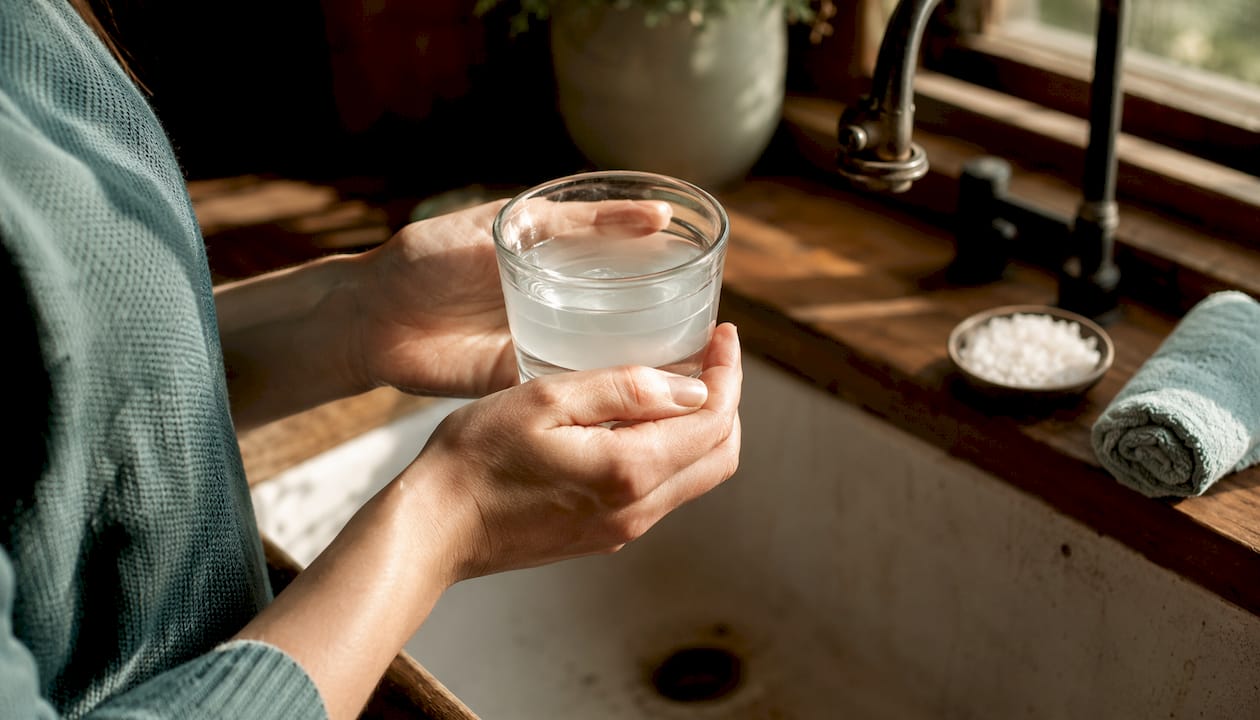
Saltwater rinses are easy to prepare: dissolve approximately ½ teaspoon of salt in 8 ounces of warm water and rinse for 30 seconds. They reduce bacterial load and soothe inflamed gums, making them useful after dental procedures or during a flare of gum sensitivity.
Oral probiotics are an emerging area. Strains like Streptococcus salivarius K12 and M18 show promise for competitively displacing harmful species and reducing VSCs. Realistic expectations matter here: current evidence supports modest improvements in breath and gum health with consistent use over several weeks, not a rapid transformation. They work best as a complement to a solid mechanical routine, not a replacement for it.
Connecting preventive oral care to your broader health strategy makes sense given the systemic links between oral bacteria and cardiovascular risk.
When should you see a dentist about oral bacteria?
Home care handles the day-to-day maintenance, but certain signs require professional evaluation. Do not attempt to manage these with rinses or home remedies alone.
Seek care promptly if you notice:
- Swelling in the gums, jaw, or face
- Pus or discharge around a tooth or gum
- Persistent severe bleeding that doesn’t improve with better brushing
- Sudden, severe bad breath that doesn’t respond to hygiene
- Loose teeth or deep gum pockets
- Systemic signs like fever alongside oral symptoms
At a professional appointment, your dentist or hygienist can perform scaling and root planing to remove tartar that home brushing cannot touch. Tartar, once formed, can only be removed professionally, and leaving it in place allows gingivitis to progress to more serious periodontal disease. For advanced cases, a referral to a periodontist and a course of prescription chlorhexidine or targeted antibiotics may be appropriate.
For most healthy adults, Mayo Clinic recommends professional cleanings at least twice a year. People with diabetes, a compromised immune system, or a history of periodontal disease often benefit from more frequent visits due to accelerated bacterial imbalance and slower tissue healing, because systemic conditions accelerate bacterial imbalance and slow tissue healing.
How quickly will you notice improvements?
Progress happens in stages, and knowing what to expect at each one helps you stay consistent.
- Hours to days: Fresh breath improves quickly once tongue scraping, thorough brushing, and rinsing are added to the routine. VSC-producing bacteria respond fast to mechanical disruption.
- Days to two weeks: Visible plaque reduction becomes noticeable with consistent twice-daily brushing and daily interdental cleaning. Gums may still bleed initially — that is a sign of existing inflammation, not a reason to stop flossing.
- Two to six weeks: Gum inflammation measurably decreases with a consistent improved routine. Bleeding when flossing typically reduces or stops entirely in this window.
- After professional treatment: Immediate cleaning effects are noticeable the same day. Deeper healing from scaling and root planing takes several weeks as gum tissue reattaches.
Track progress by noting whether gums bleed less when you floss, whether breath stays fresher longer, and whether you see less white film on your tongue in the morning. If you see no meaningful improvement after four to six weeks of consistent home care, schedule a dental appointment. Faster escalation is warranted if swelling, pain, or systemic symptoms appear at any point.
Key Takeaways
Consistent mechanical removal combined with dietary discipline and targeted adjuncts is the most effective approach to reducing harmful oral bacteria and protecting both oral and systemic health.
| Point | Details |
|---|---|
| Mechanical removal first | Brush twice daily, floss once, and scrape your tongue — these three steps disrupt biofilm that no rinse can replace. |
| Limit sugar and snacking frequency | Reducing fermentable carbohydrates cuts the primary fuel source for acid-producing bacteria. |
| Use xylitol gum after meals | Stimulates saliva and neutralizes acids when brushing isn’t possible; choose brands with xylitol as the lead sweetener. |
| Avoid antiseptic overuse | Prescription rinses like chlorhexidine are for short-term, targeted use — daily long-term use disrupts protective bacteria. |
| Y-brush for consistent brushing | Y-brush’s 20-second full-mouth clean removes the behavioral barrier of underbrushing for people short on time. |
Pro Tip: Replace your brush head regularly. Worn bristles lose their ability to disrupt plaque effectively, regardless of how long you brush.
The case for pragmatic oral care over perfect rituals
There’s a tendency in oral health content to present an elaborate, multi-step protocol as the gold standard, then leave readers feeling like anything less is failure. That framing misses the point. The evidence is clear that consistent, adequate mechanical removal twice a day outperforms an occasional perfect routine. A person who brushes thoroughly for 90 seconds every single day will have better bacterial control than someone who does a textbook two-minute session three times a week and skips the rest.
The adjuncts — probiotics, oil pulling, green tea rinses — are genuinely interesting and some show real promise. But they are marginal gains on top of a solid foundation. Spending energy on a probiotic lozenge while still underbrushing is like optimizing a car’s fuel efficiency while the engine misfires. The foundation has to come first.
Where tools like Y-brush make a real difference is in closing the adherence gap. Most people don’t brush long enough not because they don’t care, but because two minutes feels long and life gets in the way. A device that delivers a complete clean in 20 seconds removes that friction entirely. That’s not a minor convenience; it’s the difference between a routine that actually happens and one that doesn’t. Pair that with daily flossing, a tongue scraper, and xylitol gum after meals, and you have a protocol that is both evidence-backed and genuinely sustainable.
Y-brush delivers a complete clean in 20 seconds
Most people brush for under a minute, leaving harmful bacteria on surfaces they never reach. Y-brush was built specifically to close that gap.
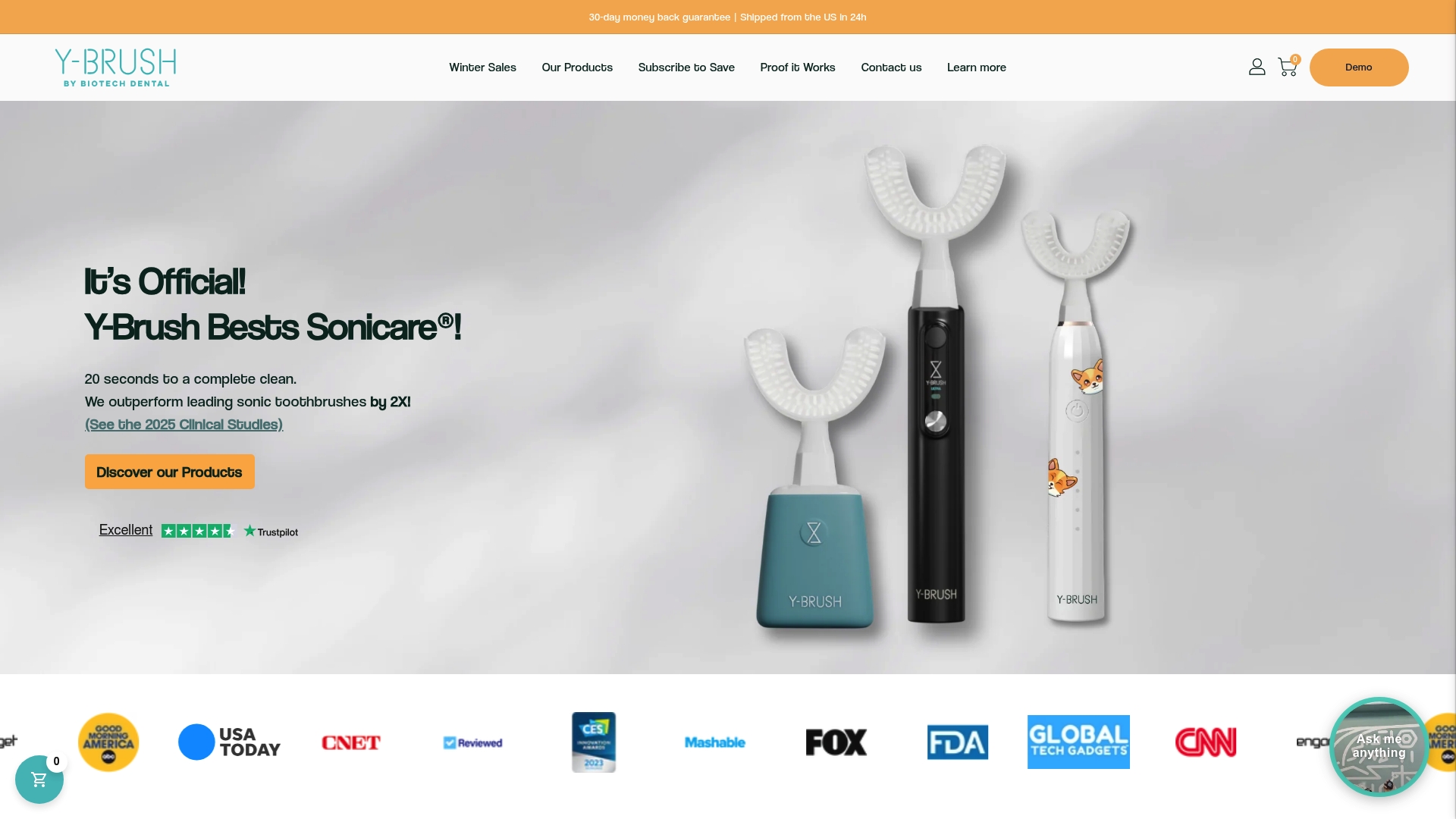
The Y-brush Essential Sonic Toothbrush uses a patented Y-shaped brush head that covers all tooth surfaces simultaneously, delivering a full-mouth clean in just 20 seconds via sonic vibrations. That means no missed molars, no skipped gumlines, and no guessing whether you’ve brushed long enough. For parents, the Y-brush KidsBrush brings the same efficiency to children ages 4–12. Y-brush complements your flossing and professional care routine — it does not replace interdental cleaning or dental visits, but it makes the mechanical foundation of bacterial control far more reliable. Keep your brush head fresh with a membership plan that delivers replacement heads on schedule. Visit Y-brush to find the right model and start building a routine that actually sticks.
Useful sources and further reading
The sources below back the claims in this article and offer deeper reading for anyone who wants to go further.
| Source | What it covers |
|---|---|
| NIDCR — Oral Hygiene | Authoritative federal guidance on brushing technique, flossing, and plaque removal; the primary clinical reference for daily routine recommendations. |
| CDC — Oral Health Tips for Adults | Practical prevention checklist covering brushing, xylitol gum, fluoride, hydration, and tobacco cessation from the U.S. Centers for Disease Control and Prevention. |
| Mayo Clinic — Oral Health | Explains the connection between oral health and systemic disease, including cardiovascular and metabolic risk; useful for understanding why bacterial control matters beyond the mouth. |
| MD Anderson — Oral Microbiome | Explains the balance-not-sterilization principle and lists the lifestyle factors that shift the microbiome toward harmful species. |
| MedlinePlus — Brushing Your Teeth | Step-by-step brushing technique guidance from the National Library of Medicine, including the 45-degree angle method and cautions against abrasive scrubbing. |
| Cleveland Clinic — Oral Hygiene | Covers interdental cleaning options including the comparative effectiveness of string floss versus water flossers. |
| Mayo Clinic — Bad Breath | Diagnosis and treatment guidance for bad breath, including when to seek professional evaluation and what treatments are available. |
| ADA — Home Oral Care | American Dental Association guidance on antimicrobial mouthwashes, powered toothbrushes, and individualized home-care regimens. |
| Mednfly — How to Kill Oral Bacteria | Practical overview of products and natural remedies including chlorhexidine, saltwater rinses, tongue scrapers, and their evidence levels. |
| Y-brush — How to Clean Teeth in Less Time | Brand-supported evidence on efficient brushing routines and the behavioral case for a 20-second full-mouth clean. |
This article is general health information, not professional dental or medical advice. Confirm current recommendations with your dentist or a qualified healthcare provider for your specific situation.


