


TL;DR:
- Brushing twice daily with a soft-bristled toothbrush and fluoride toothpaste is essential for oral health. Proper technique includes a 45-degree angle and gentle circular motions to clean effectively without damaging gums. Regular professional checkups help address issues and refine best practices for long-term dental well-being.
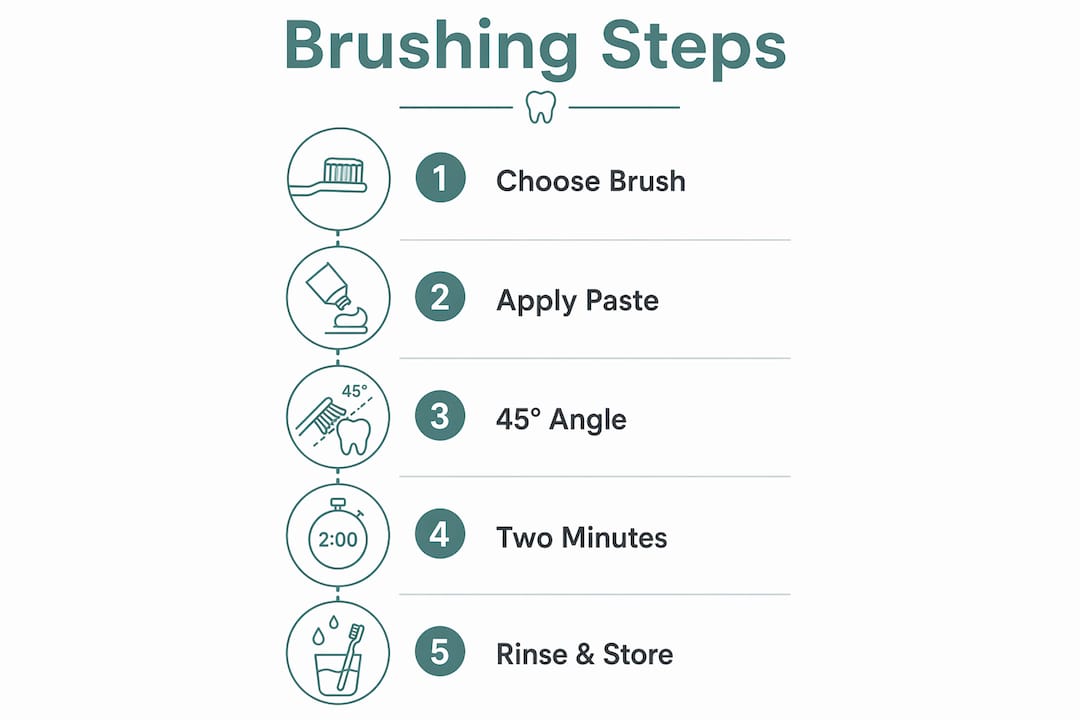
Upgrading your brushing habits comes down to five core actions: brush twice daily for two full minutes, angle your toothbrush at 45 degrees toward the gumline, use gentle circular motions, choose a soft-bristled brush with fluoride toothpaste, and replace your brush regularly, or sooner if bristles are frayed. The American Dental Association confirms that twice-daily brushing with fluoride toothpaste is the baseline for reducing plaque and cavity risk. Get these fundamentals right, and every other oral care habit you build on top will work harder.
- Brush twice daily for sufficient time to clean all tooth surfaces, dividing attention to each quadrant
- Hold the brush at a 45-degree angle toward the gumline
- Use small, gentle circular motions rather than back-and-forth scrubbing
- Replace your toothbrush regularly, or sooner if bristles are frayed
- Use fluoride toothpaste consistently to strengthen enamel and prevent cavities
How do you choose the right toothbrush and toothpaste?
Soft bristles are the professional standard. Hard bristles remove plaque efficiently but also strip enamel and wear down gum tissue, according to Harvard Health. Soft or sensitive bristles clean effectively without that trade-off, making them the right choice for nearly everyone.
For toothpaste, fluoride is the non-negotiable ingredient. The National Institute of Dental and Craniofacial Research confirms that fluoride strengthens enamel and prevents decay. Whitening and sensitivity formulas can offer secondary benefits, but a fluoride toothpaste without those extras still outperforms a fancy formula that skips it.
Toothbrush hygiene matters too. Rinse your brush thoroughly after each use, store it upright to air dry, and never share it. The FDI World Dental Federation recommends replacing brushes every 3–4 months or immediately after an illness.
Both manual and powered toothbrushes deliver effective plaque removal when used correctly. Powered brushes often include built-in timers and pressure sensors, which help you hit the two-minute mark and avoid pressing too hard. If you want guidance on electric vs. manual options, the choice ultimately comes down to your comfort and consistency.
What is the correct brushing technique for clean teeth and healthy gums?
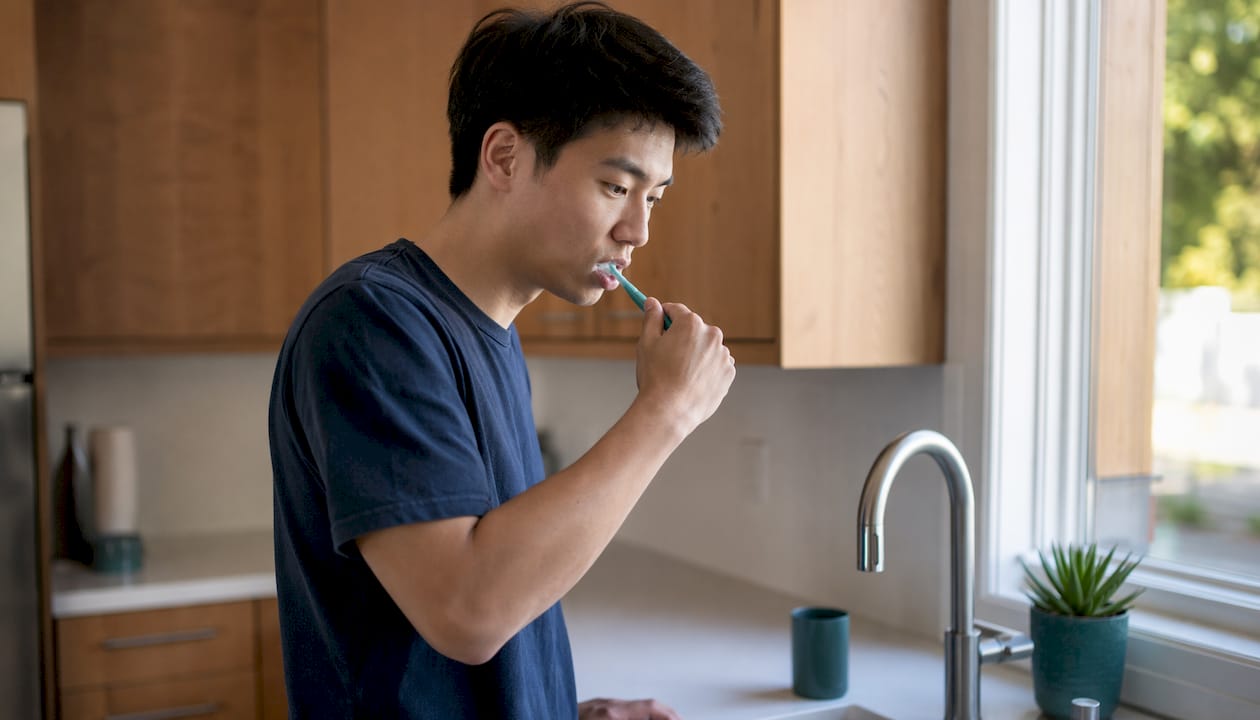
Angle and motion are the two variables most people get wrong. Place the bristles at a 45-degree angle toward the gumline, targeting the junction where plaque and calculus collect. From there, use small circular or gentle sweeping strokes rather than scrubbing side to side.
- Aim bristles at 45 degrees toward the gumline, not perpendicular to the tooth surface
- Use gentle circular motions to lift debris from the gum margin
- Spend 30 seconds on each of the four quadrants for a full two-minute session
- Cover all surfaces: cheek side, biting surface, and the inner side near your tongue
- Apply light pressure; if bristles splay within weeks, you are pressing too hard
Pro Tip: Practice brushing without toothpaste once a week. Run your tongue across each tooth surface afterward. Any rough or fuzzy texture means plaque is still there. This tactile check builds real awareness that autopilot brushing never will.
Avoiding excessive pressure protects both enamel and gum tissue. Harvard Health notes that frayed bristles before three months are a reliable sign of overbrushing.
Which daily habits complement and strengthen your brushing routine?
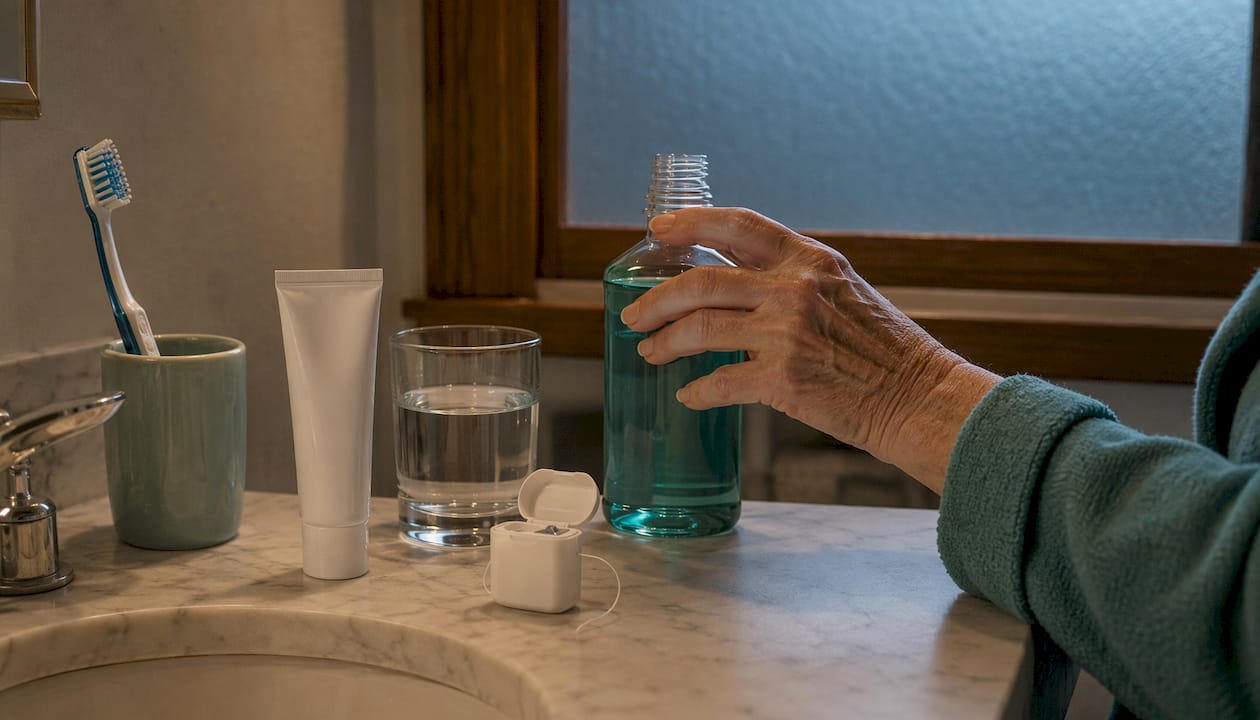
Brushing alone cannot reach the spaces between teeth. Daily interdental cleaning, whether with floss, picks, or interdental brushes, removes the plaque that a toothbrush simply cannot access. The Cleveland Clinic recommends flossing once daily, ideally before brushing so loosened debris gets swept away.
- Floss or use interdental brushes once daily, before brushing when possible
- Use mouthwash at a separate time from brushing, such as after lunch, to preserve fluoride on enamel
- Clean your tongue every session; it harbors bacteria that contribute to bad breath and plaque
- Limit frequent acidic or sugary snacks, which feed cavity-causing bacteria between meals
- Set a phone reminder or pair brushing with an existing habit to keep the routine consistent
The ADA advises against rinsing with water immediately after brushing. Spitting out excess toothpaste without rinsing keeps a protective fluoride layer on your enamel far longer.
Advanced tips to improve brushing awareness and efficiency
Plaque-disclosing tablets are one of the most underused tools in home oral care. These chewable tablets stain residual plaque a visible color, showing exactly which surfaces your brush is missing. The NIDCR recommends using disclosing products to identify and correct gaps in your technique.
Timing matters beyond just duration. Brushing right after acidic foods or drinks softens enamel and increases the risk of abrasion. Wait at least 60 minutes; saliva neutralizes mouth pH and allows enamel to reharden during that window.
Pro Tip: If you find yourself brushing on autopilot, try switching the hand you use or starting from a different quadrant. Disrupting the routine forces conscious attention back onto your technique.
Consistency beats perfection. The Cleveland Clinic emphasizes that a realistic twice-daily routine, even an imperfect one, produces better long-term gum health than sporadic thorough sessions.
Common brushing mistakes that damage teeth and gums
Most oral hygiene problems trace back to a short list of repeated errors. Recognizing them is the first step toward correcting them.
- Brushing too hard, which causes gum recession and enamel wear over time
- Brushing for under a minute, leaving significant plaque behind on back teeth
- Using hard-bristle brushes that abrade enamel and irritate gum tissue
- Rinsing immediately after brushing, which washes away the protective fluoride film
- Sharing toothbrushes or storing them in closed containers, which promotes bacterial growth
For a deeper look at correcting these patterns, Y-brush covers the most common brushing mistakes and how to fix them.
When should you see a dentist to improve your brushing routine?
Red, swollen, or bleeding gums are signals that your current routine is not controlling plaque effectively. Tooth sensitivity, persistent bad breath, or visible buildup near the gumline all warrant a professional evaluation before the problem advances.
- Schedule dental cleanings and checkups at least twice a year, per ADA guidance
- Discuss specific conditions such as braces, sensitive gums, or dry mouth with your dentist
- Ask for personalized toothbrush and toothpaste recommendations based on your oral health risk
- Address early signs of gum disease promptly; caught early, the effects are often reversible
- Use each cleaning appointment to ask your hygienist to evaluate your technique firsthand
Upgrade your brushing with Y-brush
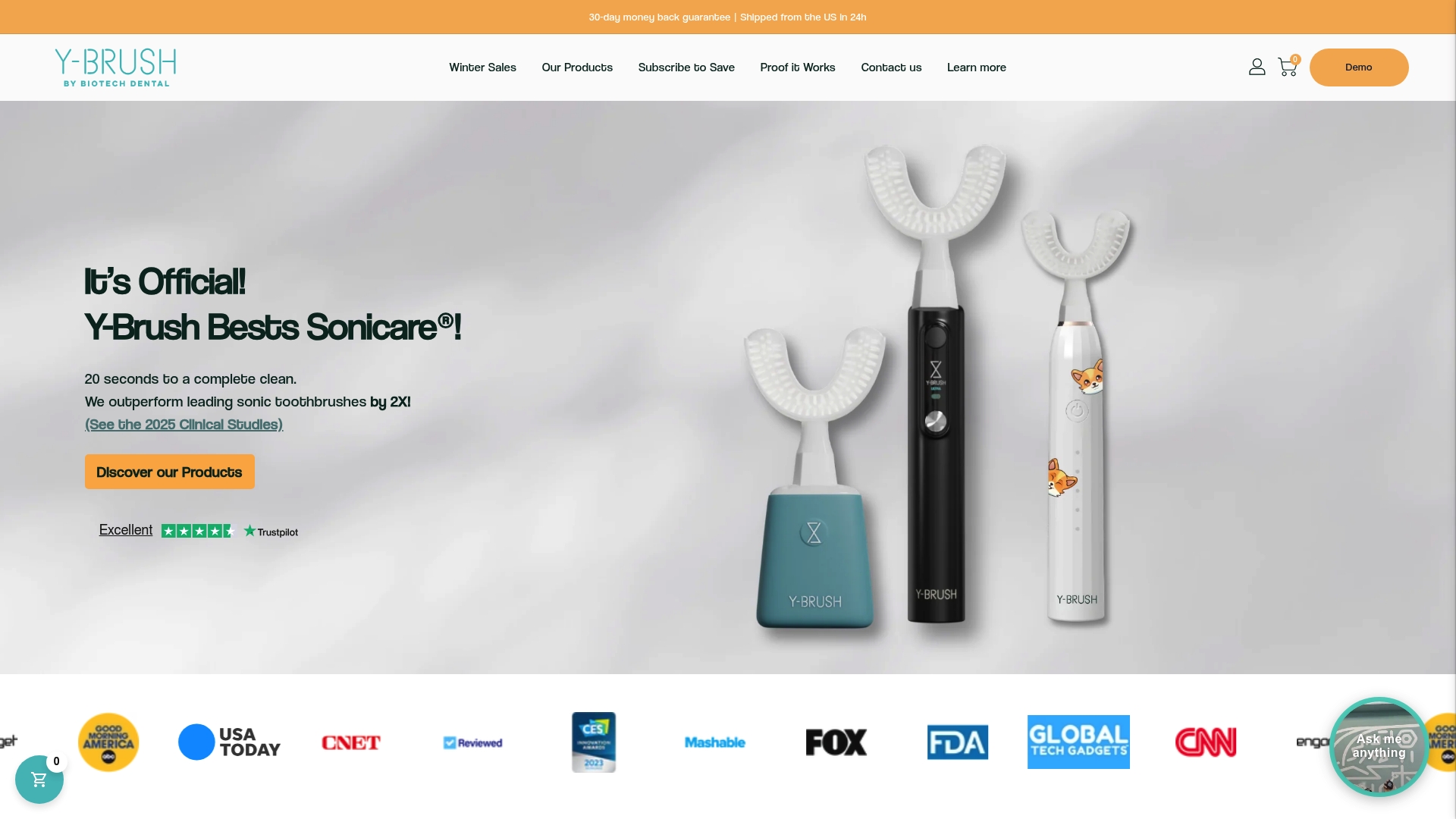
Most people brush for under a minute, well short of the two-minute standard. Y-brush was built for exactly that reality. The Y-brush Essential Sonic Toothbrush offers an efficient clean; however, dental professionals recommend brushing for two minutes per session for optimal plaque removal. For those who want to brush smarter, not longer, Y-brush meets you where you are.
Key Takeaways
Consistent twice-daily brushing with a soft-bristled brush, fluoride toothpaste, and a 45-degree angle toward the gumline is the most effective foundation for long-term oral health.
| Point | Details |
|---|---|
| Brush twice daily, two minutes | Spend equal time on each quadrant to ensure thorough cleaning. |
| Use soft bristles and fluoride | Soft bristles protect enamel and gums; fluoride toothpaste prevents cavities and strengthens enamel. |
| Replace brush every 3–4 months | Frayed bristles before three months signal excessive pressure and reduced cleaning effectiveness. |
| Spit, don’t rinse | Skipping the post-brush rinse keeps a protective fluoride layer on enamel longer. |
| See a dentist twice yearly | Professional cleanings and personalized advice reinforce and refine your home routine. |


