


The most effective daily oral care routine is straightforward: brush twice daily for two full minutes with fluoride toothpaste, clean between your teeth once daily, and clean your tongue. Follow this teeth care tutorial exactly, and you will address the full range of surfaces where plaque builds, bacteria thrive, and decay begins.
Start today with this checklist:
- Floss or use an interdental brush before your first brush of the day to clear debris from between teeth.
- Brush for a full two minutes, holding your toothbrush at a 45-degree angle toward the gum line.
- Scrape or brush your tongue after brushing to remove bacteria that cause bad breath.
- Spit out toothpaste residue after brushing. Do not rinse with water.
- Use mouthwash at a separate time, such as after lunch, not immediately after brushing.
Consistency matters more than perfection. A complete home routine of brushing, interdental cleaning, and tongue cleaning takes roughly 4–5 minutes per session. That modest investment, done twice daily, is the foundation of long-term oral health.
Table of Contents
- Why does daily oral care protect your teeth and gums?
- How do you follow a complete teeth care tutorial step by step?
- Which products should you use for effective dental care?
- How should you adjust your routine for special situations?
- When should you see a dentist?
- What mistakes are most likely to undermine your oral hygiene routine?
- What does the research say about electric brushes and brushing technique?
- Key Takeaways
- The routine that actually gets done is the one that works
- A faster way to meet the two-minute standard every time
- Useful sources and further reading
Why does daily oral care protect your teeth and gums?
Daily home care is the single most effective way to prevent cavities and gingivitis. The ADA recommends brushing twice daily for two minutes with fluoride toothpaste and cleaning between teeth every day, noting that higher-risk patients benefit from personalized plans built with their dentist. Plaque, the sticky bacterial film that coats teeth, begins reforming within hours of brushing. Left undisturbed, it hardens into tartar, which only a professional cleaning can remove.
Here is the part most people miss: brushing alone reaches only about 60% of tooth surfaces. The interdental areas, the tight spaces between teeth, account for roughly 35–40% of total tooth surface area and are among the most common sites for early cavities and gum disease. Skipping floss or interdental brushes means leaving many tooth surfaces essentially uncleaned.
Professional cleanings complement home care by removing tartar buildup that no toothbrush can address. But between those visits, your daily routine is what keeps plaque from advancing into something more serious.
How do you follow a complete teeth care tutorial step by step?
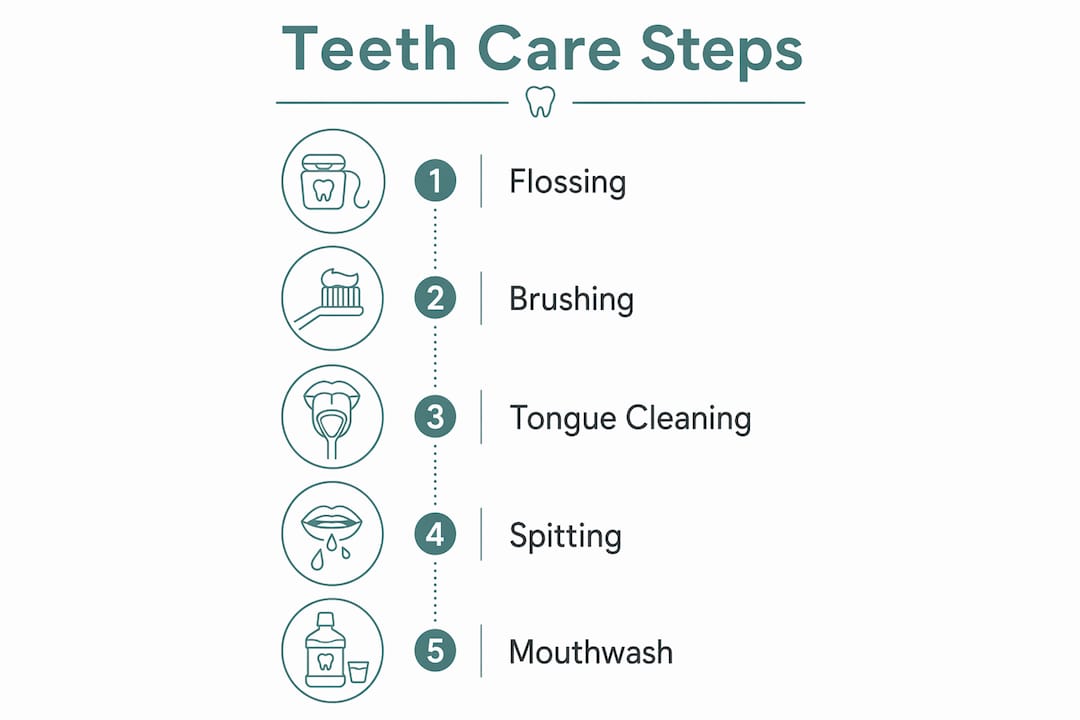
A full session, morning or evening, follows the same sequence: interdental cleaning first, then brushing, then tongue cleaning, with mouthwash reserved for a separate time. Flossing before brushing clears debris from between teeth so the fluoride in your toothpaste can reach those surfaces during brushing. That sequencing detail is small but clinically meaningful.
Step 1: Clean between your teeth (1–2 minutes)
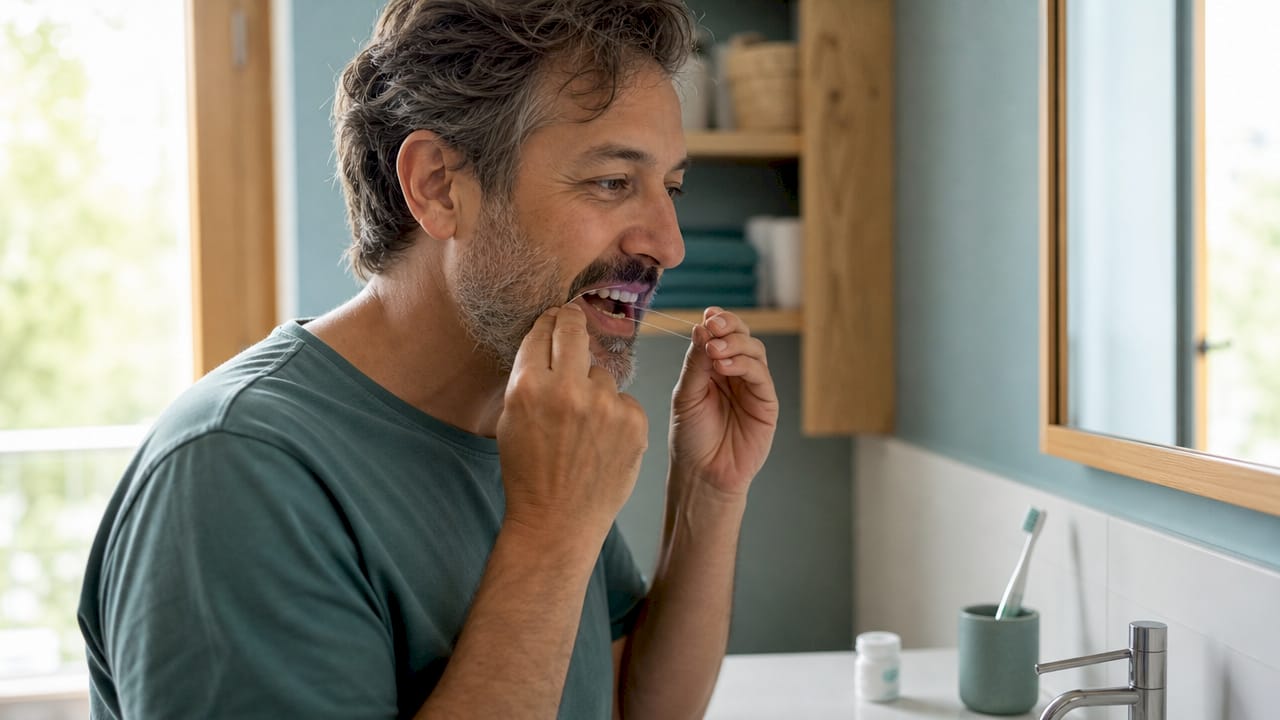
Pull 18 inches of floss and wrap most of it around your middle fingers, leaving 2–3 inches taut between your thumbs and index fingers. Slide it gently between each pair of teeth, curve it into a C-shape against the tooth surface, and move it up and down to clear plaque at and just below the gum line. Work through every gap, including the back sides of your last molars. If traditional floss is difficult, floss picks, interdental brushes, or a water flosser are all effective alternatives.
Step 2: Brush for two full minutes (2 minutes)
Place your toothbrush at a 45-degree angle toward the gum line and use gentle, short, overlapping strokes. This is the Modified Bass technique, and it works because the angled bristles reach just under the gum margin where plaque accumulates. Cover the outer surfaces, inner surfaces, and chewing surfaces of every tooth. Divide your mouth into four quadrants and spend roughly 30 seconds on each. Use a soft-bristled brush and avoid scrubbing hard. Heavy pressure does not clean better. It erodes enamel and irritates gum tissue over time.
Pro Tip: Set a timer or use an electric toothbrush with a built-in two-minute timer. Most people who brush without a timer stop well short of two minutes without realizing it.
Step 3: Clean your tongue (30 seconds)
The tongue harbors a large proportion of oral bacteria and is a primary contributor to bad breath. After brushing your teeth, use a tongue scraper or the back of your toothbrush to clean from the back of the tongue forward with light pressure. Two or three passes is enough.

Step 4: Spit, do not rinse
After brushing, spit out the excess toothpaste but do not rinse your mouth with water. Rinsing immediately washes away the concentrated fluoride film left on your enamel, reducing its protective effect. That thin residue keeps working after you put the brush down.
Step 5: Use mouthwash at a separate time
Mouthwash is a useful adjunct, not a replacement for brushing or flossing. Use a fluoride-containing rinse after lunch or mid-afternoon, well away from your brushing sessions. Avoid eating or drinking for 30 minutes after using a fluoride mouthwash to let it work.
Morning vs. evening: why nighttime brushing matters most
Morning brushing removes the bacterial buildup from overnight and freshens breath before the day starts. Evening brushing is the more critical session. Saliva flow drops significantly during sleep, which means your mouth has less natural defense against the acids produced by bacteria. Brushing thoroughly before bed, and not eating or drinking anything other than water afterward, gives your enamel the best overnight protection.
Pro Tip: Pair your evening brushing with an existing nightly habit, like washing your face or charging your phone. Habit stacking is one of the most reliable ways to make a new routine stick.
Which products should you use for effective dental care?
The right products do not need to be expensive or complicated. A few core criteria cover the vast majority of what matters.
Toothbrush
- Bristle firmness: Soft bristles are the right choice for most adults. Medium and hard bristles increase the risk of enamel abrasion and gum recession with regular use.
- Head size: A smaller head maneuvers more easily around back teeth and the inner surfaces of lower front teeth.
- ADA Seal of Acceptance: Products carrying this seal have been independently tested for safety and effectiveness.
- Electric vs. manual: Powered toothbrushes, particularly oscillating-rotating and sonic models, consistently demonstrate superior plaque removal and gingivitis reduction compared to manual brushes in clinical studies. Many include built-in two-minute timers and pressure sensors, which help people who tend to under-brush or press too hard. A well-used manual brush is still effective; the powered option simply makes correct technique easier to achieve. For a deeper look at the differences, the sonic vs. rotary comparison from Y-brush breaks down how each type works.
- Replacement schedule: Replace your brush head or manual toothbrush every three months, or sooner if the bristles are visibly frayed or splayed. Worn bristles clean less effectively and can irritate gums.
Toothpaste
Use a fluoride toothpaste. Fluoride strengthens enamel and is the active ingredient responsible for most of toothpaste’s cavity-prevention benefit. For most adults, a standard fluoride concentration (1,000–1,500 ppm) is appropriate. Children under six should use a rice-grain-sized amount of low-fluoride toothpaste; children six and older can use a pea-sized amount of standard fluoride toothpaste.
Interdental cleaning tools
- Traditional floss or dental tape: Works well for tight contacts between teeth.
- Floss picks: Convenient for travel or one-handed use; less effective for curving around the tooth surface than traditional floss.
- Interdental brushes: Particularly useful when there are gaps between teeth or for cleaning around braces and bridges. Choose a size that fits snugly without forcing.
- Water flossers: A good option for people with braces, implants, or limited dexterity. They do not replace mechanical flossing entirely but are a practical complement.
Mouthwash
A fluoride-containing mouthwash adds a layer of protection, especially for people at higher cavity risk. Antiseptic rinses containing chlorhexidine are sometimes prescribed for active gum disease but are not intended for long-term daily use without dental guidance. Use mouthwash at a separate time from brushing, and do not eat or drink for 30 minutes after rinsing.
How should you adjust your routine for special situations?
Standard technique covers most adults, but certain situations call for specific modifications. Here is a quick guide to the most common ones.
Children
- Start cleaning your child’s teeth as soon as the first tooth appears, using a soft infant brush and water.
- Children under three should use a rice-grain-sized smear of fluoride toothpaste; ages three to six, a pea-sized amount.
- Parents should supervise brushing until around age seven or eight, when most children have the fine motor control to brush effectively on their own.
- Begin flossing as soon as two teeth touch. For younger children, floss picks are easier to manage.
- Y-brush offers a kids’ sonic electric toothbrush designed for ages 4–12, with a brush head sized for smaller mouths.
Braces and orthodontic appliances
- Brackets and wires create extra surfaces where plaque accumulates. Budget additional time for each brushing session.
- Use a floss threader or orthodontic floss to thread floss under the wire and clean each tooth individually.
- Interdental brushes (also called proxy brushes) are highly effective for cleaning around brackets.
- An electric toothbrush can make it easier to clean around hardware without applying excess pressure.
Implants, dentures, and bridges
- Implants require the same daily cleaning as natural teeth, plus attention to the gum tissue around the implant base.
- Use interdental brushes or a water flosser to clean under bridges and around implant crowns.
- Dentures should be removed and cleaned daily with a denture brush and non-abrasive cleaner; do not use regular toothpaste, which can scratch the surface.
- For a detailed implant maintenance checklist, Forever Smiles JAX provides practical guidance on keeping implant-supported restorations in good condition.
Sensitive teeth
- Switch to a toothpaste formulated for sensitivity. Look for potassium nitrate or stannous fluoride as the active ingredient; both reduce the nerve response that causes sensitivity pain.
- Use a soft-bristled brush and reduce pressure. Sensitivity is often worsened by aggressive brushing technique.
- Avoid brushing immediately after consuming acidic foods or drinks. Wait at least 30 minutes to let saliva neutralize the acid before brushing.
Dry mouth
- Dry mouth reduces saliva’s natural protective role, increasing cavity risk significantly.
- Stay well hydrated throughout the day. Chewing sugar-free gum stimulates saliva production.
- A fluoride rinse used daily provides extra enamel protection when saliva flow is reduced.
- If dry mouth is persistent, discuss it with your dentist or physician, as it is often a side effect of medication.
When should you see a dentist?
Most adults benefit from a professional cleaning and exam twice a year, though your dentist may recommend more frequent visits based on your individual risk for cavities or gum disease. Professional cleanings remove tartar, the hardened plaque that no amount of home brushing can address once it has formed.
Do not wait for your scheduled visit if you notice any of the following:
- Persistent bleeding gums during brushing or flossing, especially if it continues for more than a week or two.
- Swelling, redness, or tenderness in the gums that does not resolve.
- Tooth pain or sensitivity that is new, sharp, or worsening.
- Loose teeth in adults, which can signal advanced gum disease or bone loss.
- Persistent bad breath that does not improve with thorough brushing and tongue cleaning.
- White or red patches inside the mouth, or sores that do not heal within two weeks.
- Visible changes to a tooth’s color, shape, or surface texture.
Any of these signs warrants a prompt dental appointment. Early intervention consistently leads to simpler, less costly treatment. For a clearer picture of what a professional hygiene visit involves, Mersal Dental’s hygiene page explains what to expect during a clinical cleaning.
What mistakes are most likely to undermine your oral hygiene routine?
Even people who brush consistently make a few common errors that reduce the effectiveness of their routine or cause gradual harm.
- Brushing too hard. Aggressive scrubbing feels thorough but erodes enamel and pushes gum tissue away from the tooth root. Light pressure with a soft brush is more effective and far safer.
- Brushing immediately after acidic foods or drinks. Acid temporarily softens enamel. Brushing within 30 minutes of consuming citrus, soda, or vinegar-based foods can abrade softened enamel. Wait at least 30 minutes, or rinse with water first.
- Skipping interdental cleaning. Brushing alone misses the interdental areas, which account for about 35–40% of total tooth surface area and are common sites for cavities and early gum disease. Skipping floss or interdental brushes means leaving many tooth surfaces essentially uncleaned.
- Rinsing after brushing. Washing your mouth with water right after brushing removes the fluoride film that continues protecting enamel after the brush is put down. Spit, do not rinse.
- Using the same brush head too long. Frayed bristles lose their ability to clean effectively and can irritate gum tissue. Three months is the maximum; replace sooner if wear is visible.
- Brushing for less than two minutes. Most people significantly underestimate how long they brush. Without a timer, the average brushing session falls well short of the two-minute recommendation.
Pro Tip: If you find yourself skipping flossing at night, keep floss picks on your nightstand rather than in the bathroom. Reducing the friction of the habit, even by a few steps, dramatically improves follow-through.
What does the research say about electric brushes and brushing technique?
The clinical evidence on powered toothbrushes is consistent. Oscillating-rotating and sonic electric brushes remove more plaque and reduce gingivitis more effectively than manual brushes across a wide range of studies. The practical advantage is not just the brush head’s motion. It is the built-in timer and pressure sensor that help people meet the two-minute recommendation and avoid the enamel damage that comes from brushing too hard.
Technique matters regardless of which brush you use. The Modified Bass technique places bristles at a 45-degree angle toward the gum line, directing cleaning action into the sulcus, the shallow groove where the gum meets the tooth. That is precisely where early gum disease begins. Short, overlapping strokes at that angle clean the gum margin in a way that flat, horizontal scrubbing cannot replicate.
“Powered toothbrushes consistently demonstrate superior plaque removal and gingivitis reduction compared to manual brushes. Many include two-minute timers that help users meet the recommended brushing duration — a practical advantage that supports better long-term outcomes.” — Cleveland Clinic
For people with sensitive gums, a powered brush with a pressure sensor removes the guesswork entirely. The brush signals when you are pressing too hard, which is the most common technique error among adults who have been brushing the same way for decades. If you want to understand the Modified Bass technique in more detail, Y-brush has a dedicated step-by-step breakdown.
The broader takeaway from the evidence is this: the best routine is the one you will actually perform correctly and consistently. An electric brush with a timer removes two of the biggest barriers to that consistency.
Key Takeaways
A complete oral care routine, done consistently twice daily, is the most reliable way to prevent cavities, gum disease, and bad breath.
| Point | Details |
|---|---|
| Brush twice daily, two minutes each | Use fluoride toothpaste, a soft-bristled brush, and a 45-degree angle toward the gum line. |
| Floss before brushing, every day | Interdental cleaning reaches a significant portion of tooth surfaces a toothbrush cannot access. |
| Spit, do not rinse | Leaving fluoride residue on enamel after brushing extends its protective effect throughout the day. |
| Use mouthwash separately | Apply a fluoride rinse at a different time, such as after lunch, to avoid washing away toothpaste fluoride. |
| Y-brush for consistent timing | Y-brush’s sonic electric toothbrush delivers a thorough clean with built-in timing support, helping you meet the two-minute standard every session. |
The routine that actually gets done is the one that works
The most common gap in oral health is not knowledge. Most people know they should brush for two minutes and floss daily. The gap is execution, and it is almost always a time and consistency problem rather than a technique problem.
What the ADA’s guidance makes clear, and what the Cleveland Clinic’s clinical summaries reinforce, is that the best technique is the one a person can perform correctly and repeatedly. That is not a soft statement. It is the reason dentists spend time coaching patients on habit formation, not just anatomy. A perfect Modified Bass technique performed three times a week is less protective than a good-enough technique performed twice every day without exception.
The evidence for powered brushes is strong, but the reason they outperform manual brushes in studies is not magic. It is the timer. It is the pressure sensor. It is the removal of the two most common execution failures. The brush does not do the work for you; it removes the friction that causes people to cut corners.
This tutorial is built around the same principle: reduce the friction, follow the sequence, and let consistency do the compounding. The oral care habits that protect teeth for a lifetime are not complicated. They are just done every day.
A faster way to meet the two-minute standard every time
Most people know the two-minute rule. Research consistently shows that electric toothbrushes with timers and pressure sensors help people actually hit that target, session after session. Y-brush takes that principle further with a patented Y-shaped brush head that cleans all surfaces simultaneously using sonic vibrations, delivering a thorough clean in just 20 seconds.
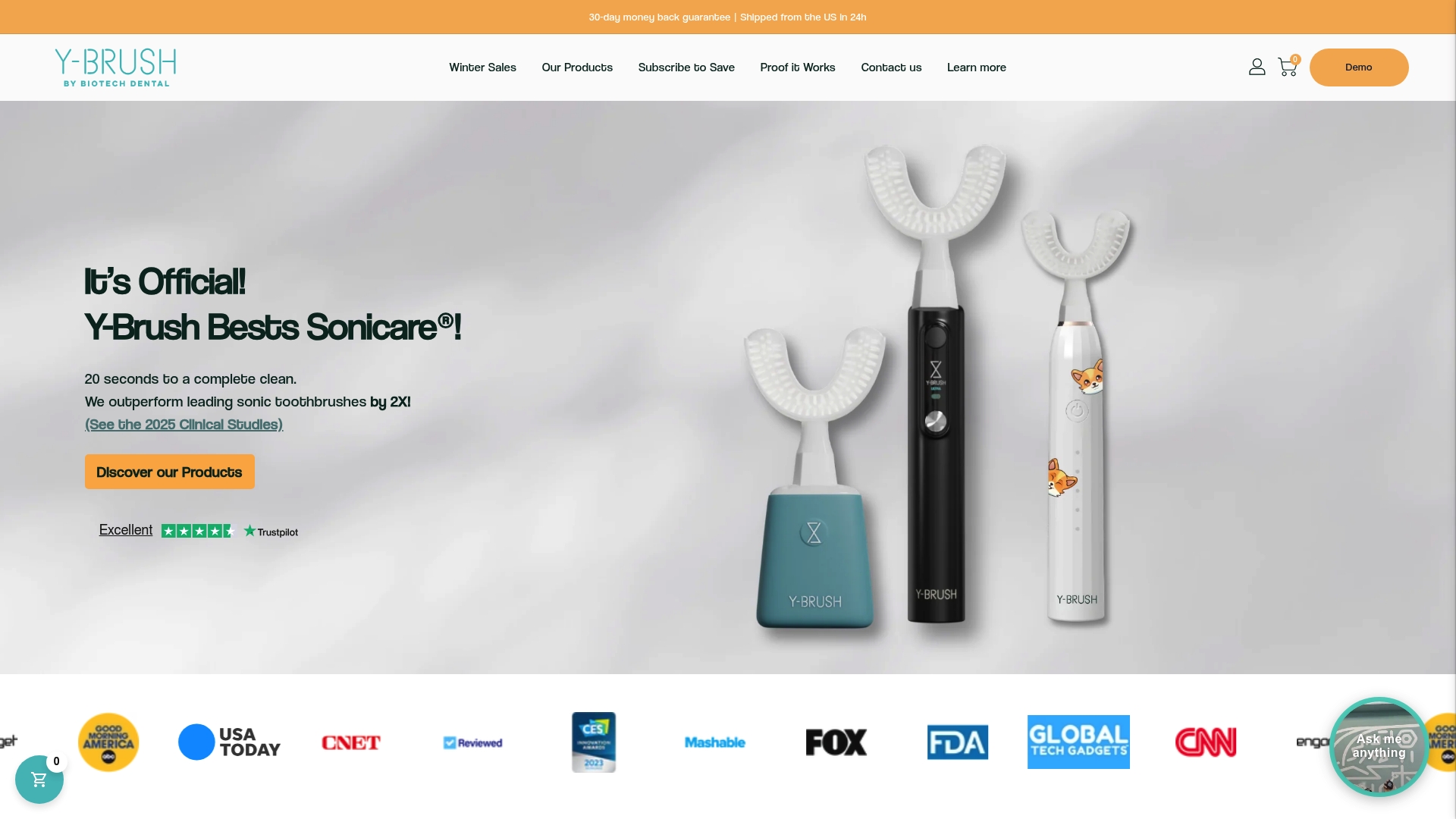
For anyone who struggles to fit a full two-minute manual brush into a busy morning or evening, Y-brush is the practical answer. The Y-brush Essential Sonic Toothbrush and the Y-brush Ultra Sonic Toothbrush are both available for adults, with replacement heads and a membership plan that delivers fresh brush heads on a regular schedule so you never brush with worn bristles. Visit Y-brush to find the right option and start your first session today.
Useful sources and further reading
- Oral Hygiene — National Institute of Dental and Craniofacial Research (NIDCR): Authoritative federal guidance on brushing, flossing, and professional care frequency.
- Home Oral Care — American Dental Association (ADA): ADA recommendations on twice-daily brushing, interdental cleaning, and personalized care plans.
- How to Brush Your Teeth — Cleveland Clinic: Clinical summary of powered vs. manual brush evidence and correct brushing technique.
- Oral Hygiene — Cleveland Clinic: Detailed guidance on the Modified Bass technique, mouthwash timing, and soft-tissue care.
- How to Keep Your Teeth Clean — NHS: Practical step-by-step brushing and flossing instructions, including the “spit, don’t rinse” recommendation.
- Taking Care of Your Teeth and Mouth — National Institute on Aging: Guidance on oral care for older adults, including dry mouth and denture maintenance.
- Oral Health Tips for Adults — CDC: Public health recommendations on preventive care and professional visit frequency.
This article provides general oral health information for educational purposes. It is not a substitute for professional dental advice. Consult a licensed dentist for guidance specific to your oral health situation.


