


The fastest way to improve your smile is to fix your daily routine, control staining, and choose one targeted professional option when needed. Most visible improvements start at home, cost little, and take effect within weeks. Here is what to do first, according to guidance from the American Dental Association and the CDC:
- Brush twice daily for two full minutes with fluoride toothpaste
- Floss once a day to maintain oral health
- Drink water after coffee, tea, or red wine to help reduce staining
- Limit tobacco use and reduce intake of staining beverages
- Rinse with an ADA-accepted mouthwash to reduce bacteria
- Book a professional cleaning regularly as advised by your dental professional
- Consider approved whitening products for mild surface stains
- Exfoliate and moisturize your lips for a polished look
- Practice a relaxed, natural smile posture at home
- Consider Y-brush if you consistently underbrush — its patented Y-shaped head delivers a full-mouth clean in 20 seconds
These ten actions cover the full range of smile improvement tips, from zero-cost habit changes to targeted professional care. The sections below explain each area in depth.
Key Takeaways
Consistent daily habits combined with targeted professional care produce the most durable smile improvements — no single cosmetic procedure replaces a sound oral health foundation.
| Point | Details |
|---|---|
| Daily routine is the foundation | Brush twice daily for two minutes with fluoride toothpaste and floss once a day to reduce plaque and gum disease risk. |
| Professional cleanings are non-negotiable | Schedule a checkup and cleaning every six months; treat active gum disease before any cosmetic work. |
| Match whitening to your situation | OTC strips handle mild stains; professional in-office or take-home trays deliver stronger results with clinical oversight. |
| Cosmetic options address structure | Bonding, veneers, clear aligners, and implants each fix specific structural issues that whitening cannot resolve. |
| Y-brush supports consistent brushing | Y-brush’s 20-second full-mouth clean helps adults and children maintain the recommended brushing routine without technique errors. |
Table of Contents
- 1. Build the daily oral routine that actually makes a difference
- 2. Schedule regular professional cleanings and checkups
- 3. Choose the right whitening option for your situation
- 4. Understand your orthodontic and cosmetic restoration options
- 5. Protect your gums and rethink lifestyle habits
- 6. Use quick cosmetic and confidence tricks while longer changes take effect
- 7. Set realistic timelines and cost expectations
- 8. Ask the right questions when choosing a provider
- 9. Avoid the mistakes that make smiles worse
- 10. What the research says about brushing time, technique, and brush design
- The case for prioritizing health before aesthetics
- Y-brush makes the two-minute routine easier to keep
- Sources
1. Build the daily oral routine that actually makes a difference
Brushing twice daily with fluoride toothpaste and flossing every day reduces plaque, lowers the risk of gum disease, and keeps teeth looking their best. That is the foundation — and it works only when technique is right.
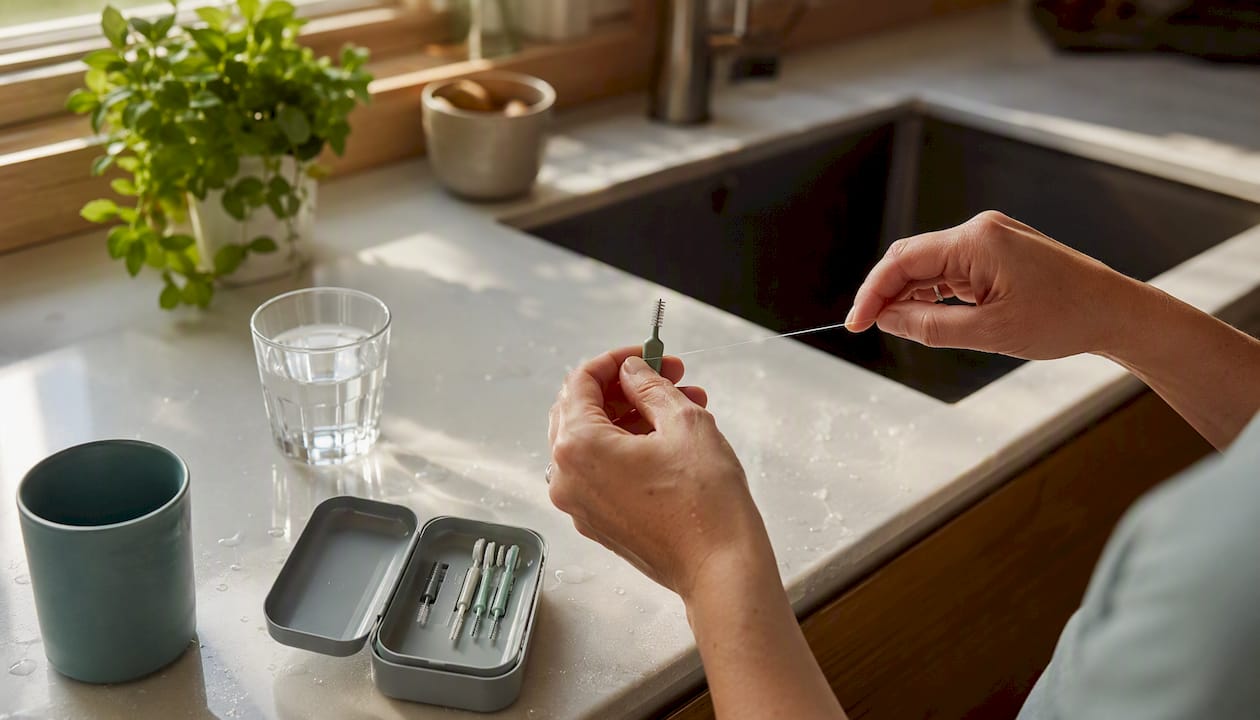
Hold your toothbrush at a 45-degree angle to the gumline and use small circular strokes, moving systematically from one side to the other. Two full minutes is the target; most people stop well short of that. After acidic foods or drinks (citrus, soda, wine), wait at least 30 minutes before brushing — acid temporarily softens enamel, and brushing too soon can wear it down.
For tool choice, a soft-bristled brush is non-negotiable. Medium or hard bristles can abrade enamel and irritate gums over time. Electric brushes with built-in timers remove the guesswork about duration. Fluoride strengthens enamel and actively helps prevent decay, so a fluoride toothpaste is the standard recommendation from dental clinicians. For tight spaces, interdental brushes or floss picks work well when traditional floss is awkward to manage.
Pro Tip: Pair your brushing session with a two-minute playlist or a timer on your phone. The habit sticks faster when it is anchored to something you already do — like a morning podcast or a nightly skincare routine.
2. Schedule regular professional cleanings and checkups
Professional cleanings remove tartar that no toothbrush can touch. Even a disciplined daily routine leaves some buildup in hard-to-reach spots, and tartar is the direct precursor to gum disease and the dull, yellowish appearance that comes with it. The CDC recommends regular dental checkups and professional cleanings as a core prevention strategy for adults.
The standard cadence is regular, typically twice a year, though your dentist may recommend a different schedule, though your dentist may recommend more frequent visits if you have a history of gum disease, dry mouth, or higher cavity risk. During a hygiene visit, a dental hygienist scales away tartar, polishes the tooth surfaces, and screens for early signs of decay, oral cancer, and gum recession — all of which affect both health and appearance.
Book sooner if you notice any of these:
- Bleeding gums when you brush or floss
- Persistent bad breath that does not resolve with brushing
- Tooth sensitivity or pain
- Visible gum recession or teeth that feel loose
When gum disease is present, a deeper procedure called scaling and root planing clears bacteria from below the gumline. Treating active gum disease before any cosmetic work is not optional — inflamed, receding gums undermine every aesthetic improvement you make on top of them.
3. Choose the right whitening option for your situation
OTC products handle mild surface stains well. Professional whitening delivers faster, stronger results with clinical oversight. Knowing which path fits your situation saves money and protects your enamel.
| Option | Speed | Typical result | Sensitivity risk | Relative cost |
|---|---|---|---|---|
| Whitening toothpaste | Gradual (weeks) | Mild surface stain removal | Low | Low |
| Whitening strips | 1–2 weeks | Moderate lightening | Low to moderate | Low–medium |
| OTC gel trays / pens | 2–4 weeks | Moderate lightening | Low to moderate | Low–medium |
| Dentist take-home trays | 2–4 weeks | Noticeable lightening | Moderate | Medium |
| In-office whitening | 1–2 sessions | Significant lightening | Moderate to high | High |
A few safety points worth knowing before you start:
- Whitening toothpastes vary widely in abrasiveness — check the Relative Dentin Abrasivity (RDA) value and avoid daily use of high-RDA formulas long-term
- Existing crowns, veneers, or bonding do not respond to whitening agents; mismatched shades are a real risk if you whiten without a dentist’s input
- High sensitivity or intrinsic staining (from tetracycline, fluorosis, or trauma) usually requires professional supervision for safe results
For a deeper look at whitening safety and methods, including how different agents interact with enamel, a dentist consultation is the most reliable starting point. You can also review whitening risks and aftercare before committing to a regimen.
4. Understand your orthodontic and cosmetic restoration options
Structural issues — misalignment, missing teeth, chips, or persistent shape concerns — need more than whitening. The right cosmetic or restorative option depends on what you are trying to fix.
- Clear aligners (such as those prescribed by an orthodontist) gradually shift teeth into alignment over months to years. They are removable, nearly invisible, and the preferred choice for mild to moderate crowding or spacing. Traditional braces handle more complex cases.
- Dental bonding uses a tooth-colored composite resin to repair small chips, close minor gaps, or reshape a tooth. It is among the least invasive cosmetic procedures, typically completed in one visit, and costs less than veneers.
- Porcelain veneers cover the front surface of a tooth to change its color, shape, or size. They require some enamel removal, making them a permanent commitment. Veneers are well suited for multiple teeth with persistent discoloration, uneven edges, or gaps that bonding cannot fully address.
- Dental implants replace missing teeth at the root level with a titanium post topped by a crown. They look and function like natural teeth and are considered the most durable long-term solution for tooth loss, according to MouthHealthy.
One coordination point that dentists consistently flag: restorations like veneers and bonding do not whiten. If you plan to whiten natural teeth alongside restorations, complete the whitening first so the restoration shade can be matched to your new, lighter baseline.
5. Protect your gums and rethink lifestyle habits
Your lifestyle directly affects gum health and staining. Tobacco is the single most damaging habit — it causes staining, accelerates gum recession, and raises the risk of oral cancer. Cutting it out produces visible improvement in gum color and breath within weeks.
Habits to adopt:
- Drink water after coffee, tea, red wine, or berries to dilute surface staining
- Chew xylitol gum after meals when brushing is not possible — xylitol reduces cavity-causing bacteria
- Eat calcium- and phosphorus-rich foods (dairy, leafy greens, nuts, lean proteins) to support enamel remineralization, as UIC Dentistry notes
- Include crunchy produce like apples and carrots — they mechanically clear food debris from tooth surfaces
Habits to stop or reduce:
- Tobacco in any form
- Frequent sipping of acidic drinks (sports drinks, soda, citrus juice) throughout the day
- Excessive alcohol, which dries out oral tissues and contributes to staining
- Constant snacking, which keeps the oral pH low and increases cavity risk
Systemic health matters here too. Conditions like diabetes and hypertension are linked to worse periodontal outcomes. Managing underlying health conditions with your physician often produces measurable improvements in gum health alongside the oral care changes you make.
6. Use quick cosmetic and confidence tricks while longer changes take effect
Posture, lip care, and a practiced natural smile change how teeth look in photos and face-to-face conversations. These adjustments cost nothing and work immediately.
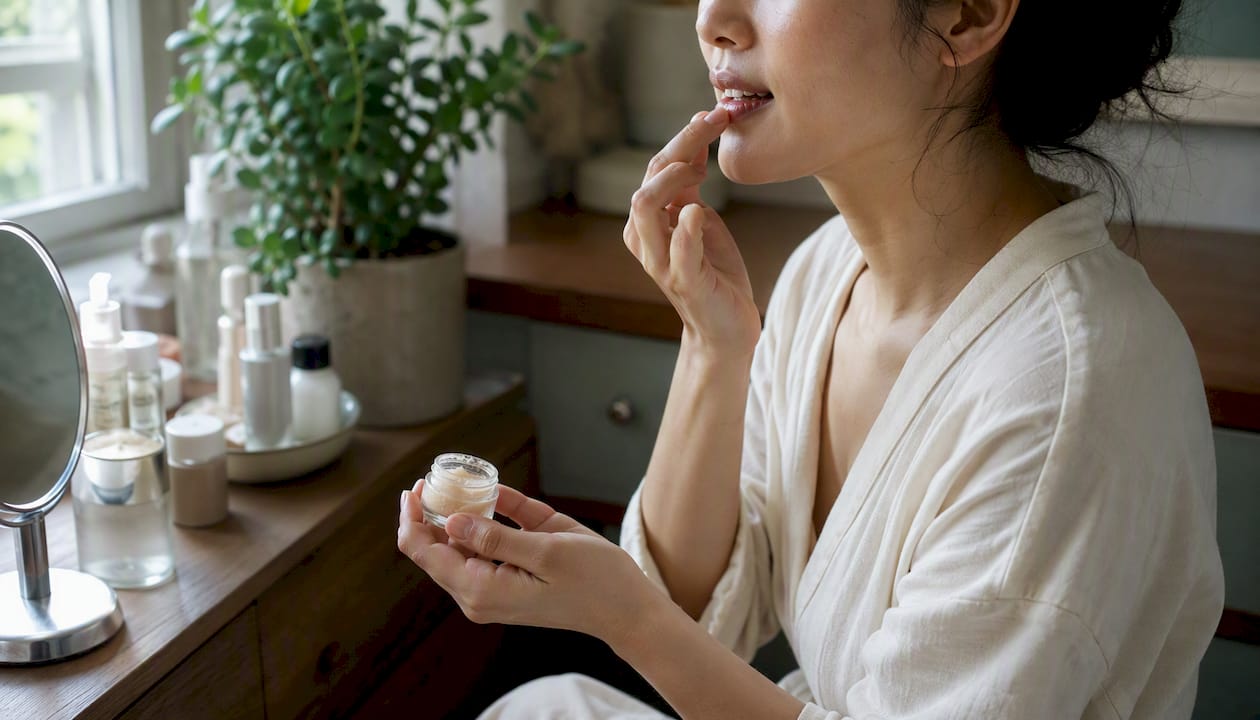
Exfoliate your lips once or twice a week with a gentle scrub and follow with a moisturizing lip balm. Dry, flaky lips draw attention away from teeth and make even white teeth look dull by contrast. If you wear makeup, cool-toned or blue-based lip shades (berry, rose, mauve) create an optical contrast that makes teeth appear whiter.
Posture plays a bigger role than most people realize. Dropping your chin slightly and relaxing your jaw before smiling opens the face and shows more of your teeth naturally. Tension in the jaw produces a tight, forced expression that no whitening product can fix. Practice in a mirror until the relaxed version feels automatic.
A whitening touch-up pen used before an event or photo can provide a quick surface refresh. These are not substitutes for a full whitening regimen, but for a single occasion they deliver a noticeable short-term result.
7. Set realistic timelines and cost expectations
Timelines and costs vary considerably depending on the treatment. Here is a practical overview to help you plan.
Timelines by approach:
- Daily hygiene improvements (brushing, flossing, diet): visible effects within 2–4 weeks
- OTC whitening strips or trays: noticeable results in 1–4 weeks
- Professional in-office whitening: results after 1–2 sessions
- Dentist take-home whitening trays: 2–4 weeks
- Clear aligners: typically several months to over a year depending on complexity
- Bonding: usually completed in one appointment
- Veneers: 2–3 appointments over a few weeks
- Implants: several months, including healing time after placement
General cost direction (U.S. ranges, consult locally for precise quotes):
- Professional cleaning: low cost, often covered by dental insurance
- In-office whitening: medium to high
- Take-home whitening trays (dentist-dispensed): medium
- Dental bonding: low to medium
- Porcelain veneers: high (per tooth)
- Clear aligners: medium to high depending on case complexity
- Dental implants: high
These are directional ranges. Prices vary by region, provider, and case complexity. Always get a written treatment plan and cost breakdown before committing. For a detailed look at whitening speed versus safety trade-offs, including what to expect at different price points, a local dental consultation is the most accurate source.
8. Ask the right questions when choosing a provider
Pick a provider who explains all options clearly, shows documented before-and-after cases, and addresses risks and maintenance without being pushed. That standard applies whether you are seeing a general dentist, a periodontist, or a cosmetic specialist.
Questions to ask at your consultation:
- How many times have you performed this specific procedure?
- Can you show me before-and-after photos of similar cases?
- What are the realistic risks and how do you manage them?
- What anesthesia or comfort options are available?
- What does recovery or downtime look like?
- Is there a warranty or guarantee on the work?
- What financing options do you offer?
- Will this treatment coordinate with my existing restorations or ongoing hygiene care?
Red flags to watch for: a provider who recommends high-cost cosmetic work at the first visit without addressing existing gum disease, one who avoids discussing maintenance requirements, or one who cannot produce documented case examples. Active periodontal disease must be treated before any cosmetic procedure — a provider who skips that step is prioritizing revenue over your long-term outcome.
9. Avoid the mistakes that make smiles worse
Some well-meaning shortcuts cause real damage. Knowing what to avoid is as important as knowing what to do.
- Brushing immediately after acidic foods or drinks — enamel is temporarily softened by acid; brushing within 30 minutes can accelerate wear
- Using high-abrasion whitening toothpaste daily — some formulas are too abrasive for daily use and thin enamel over time
- Aggressive scrubbing — hard pressure does not clean better; it recedes gums and wears enamel at the gumline
- Ignoring bleeding gums — bleeding is a symptom of inflammation, not a normal side effect of brushing; it needs professional evaluation
- DIY cosmetic fixes (nail acrylic on teeth, filing with emery boards, unproven acid regimes) — these cause irreversible structural damage
- Unverified whitening gadgets — devices sold without ADA acceptance or clinical evidence can cause chemical burns or uneven results
- Masking problems with cosmetics — a whitening pen over a cavity or a lip color over swollen gums delays treatment and worsens the underlying condition
If a problem persists despite consistent home care, see a dental professional rather than layering more products on top of it. Persistent sensitivity, visible recession, or chronic bad breath each have clinical causes that cosmetics cannot resolve.
10. What the research says about brushing time, technique, and brush design
Research supports two minutes of brushing twice daily as the evidence-backed standard for plaque control. NIDCR guidance confirms that routine brushing with fluoride toothpaste and daily interdental cleaning reduces plaque and lowers the risk of gum disease and cavities. A peer-reviewed PMC review of clinical oral health interventions found that structured brushing technique and interdental cleaning produce measurable improvements in periodontal health markers.
On brush design, dental experts cited by ScienceFocus note that compact-headed electric brushes reach posterior and interproximal plaque more consistently than many manual brushes, reducing the variability introduced by individual technique. The motorized motion of a quality electric brush compensates for the inconsistency that causes most people to underbrush.
| Parameter | Recommendation | Electric vs. manual |
|---|---|---|
| Brushing frequency | Twice daily | Both effective when technique is correct |
| Session duration | 2 minutes | Electric timers improve compliance |
| Plaque removal | Structured technique required | Electric brushes show consistent advantage in clinical comparisons |
| Hard-to-reach areas | Posterior and interproximal zones | Compact electric heads perform more reliably |
Pro Tip: When choosing an electric brush, prioritize a compact head over a wide one. Smaller heads navigate the back molars and the gumline curve more precisely, which is where most plaque accumulates undetected.
The case for prioritizing health before aesthetics
The conventional wisdom around smile makeovers tends to lead with the cosmetic: whiter teeth, straighter alignment, a veneer here and there. That framing is not wrong, but it is incomplete. A smile that looks good because the underlying gum tissue is healthy and the enamel is intact will outlast one that looks good because it has been cosmetically corrected on top of an unaddressed foundation.
The evidence is consistent on this point. Structured oral hygiene behaviors and interdental cleaning reduce periodontal disease markers in ways that no cosmetic procedure replicates. Whitening does not treat gum inflammation. Veneers do not stop bone loss. Clear aligners do not reverse recession. Each of those treatments works best when the biological foundation is already sound.
The practical implication: if you are deciding where to spend your first dollar on smile improvement, spend it on a professional cleaning and a consistent daily routine before you spend it on whitening or restorations. The cosmetic options are genuinely effective — but they are most effective, and most durable, on a healthy base.
Small, consistent habits also beat one-time interventions for long-term results. A single in-office whitening session fades without maintenance. A veneer placed over untreated gum disease will eventually fail. The readers who see the most durable improvement are the ones who treat the daily routine as non-negotiable and use professional or cosmetic options to address what the routine cannot fix on its own.
Y-brush makes the two-minute routine easier to keep
Consistent brushing is the single highest-leverage habit in this entire article, and the most common reason people skip it is time. Y-brush was built specifically for that problem. Its patented Y-shaped brush head covers all tooth surfaces simultaneously using sonic vibrations, delivering a clinically complete clean in 20 seconds — no technique errors, no missed zones, no timer needed.
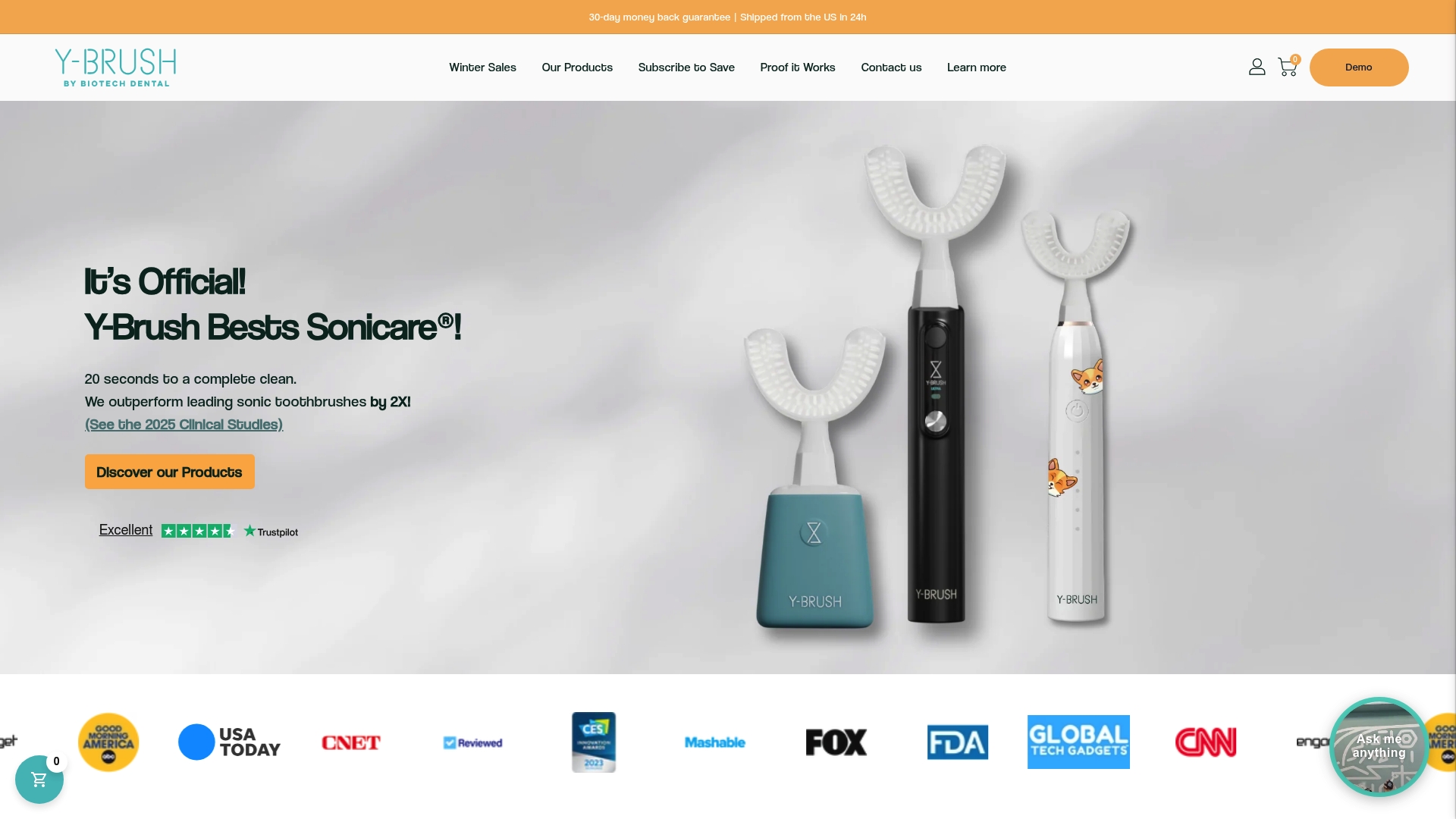
For adults who consistently underbrush or rush through their routine, Y-brush removes the friction that causes the habit to break down. The Y-brush toothbrush collection includes models for adults and children, with replacement heads available on a subscription plan so you never brush with a worn-out head. A fresh brush head every few months is one of the simplest ways to maintain cleaning performance — and Y-brush’s replacement head subscription handles that automatically. Browse the full range and find the model that fits your routine.
Sources
The following authoritative sources informed this article. Consult a licensed dentist for a personalized treatment plan.
- Oral hygiene | NIDCR
- Oral Health Tips for Adults | CDC
- Ways to improve your smile
- PMC article (clinical findings)
This article provides general information and is not a substitute for professional dental advice. Consult a licensed dentist for guidance specific to your oral health needs and to confirm current treatment recommendations.


