


Brush before your longest sleep period and again after waking, floss once daily, and keep sugar-free xylitol gum on hand for the times brushing isn’t possible. This routine respects what NIDCR recommends for every adult while adapting the timing to protect your teeth during the hours your saliva production naturally drops. Consistency matters more than clock time, and a fast, well-designed toothbrush like Y-Brush can help you hit two full minutes of coverage even on your shortest breaks.
TL;DR:
- Night-shift workers experience reduced salivary flow, increasing their risk of cavities and gum disease compared to daytime workers.
- Brushing before the longest sleep period and after waking, with floss once daily, effectively protects teeth despite irregular schedules.
- Using tools like quick-cleaning toothbrushes, portable kits, and reminders can help maintain consistent oral hygiene routines.
- Dry mouth from medications or dehydration worsens cavity risk, and chewing xylitol gum or staying hydrated can help mitigate this issue.
- More frequent dental visits or fluoride treatments may be necessary for shift workers with higher risk factors and ongoing oral health concerns.
Table of Contents
- Why shift schedules raise your risk of cavities and gum disease
- Short, schedule-specific routines for night, evening, and rotating shifts
- Practical fixes for dry mouth and when to call a dentist
- Tools that make it easier to stick with your routine
- When to schedule dental visits and what to tell your dentist
- What I’d tell a friend working nights
- How Y-Brush supports a shift-worker’s routine
- FAQ
- Sources
Why shift schedules raise your risk of cavities and gum disease
Saliva does more than keep your mouth comfortable. It buffers acid, clears food particles, and limits the bacteria that cause decay. Saliva flow follows a circadian pattern and drops at night, which means the hours many shift workers spend awake and eating are also the hours their mouths are least protected. A 2019 study found that night-shift workers had lower salivary flow and higher DMF-T scores (a measure of decayed, missing, and filled teeth) compared with people working standard daytime hours, tying the circadian disruption directly to increased caries risk.
Behavior compounds the problem. Several patterns show up consistently in shift workers:
- Nighttime snacking, often on convenient, sugary, or starchy foods
- Brushing sessions skipped or rushed between shifts
- Dental visits postponed because clinic hours don’t match work hours
- Higher rates of smoking, which independently worsens gum health
A broader review of industrial workers found night employees had more decayed teeth and worse periodontal scores than their daytime counterparts, a pattern that holds across multiple studies rather than one isolated sample. None of this means shift work makes cavities inevitable. It means the margin for error is smaller, and a routine built around your actual sleep and wake times, not the clock on the wall, closes that gap.
Short, schedule-specific routines for night, evening, and rotating shifts
The principle behind every version of this routine is the same: anchor your oral care to your longest uninterrupted sleep window, not to “morning” or “night” as the calendar defines them. Whatever time you’re about to sleep for six or more hours, that’s your brushing-before-bed moment. Whatever time you wake from that sleep, that’s your brushing-after-waking moment.
- Night-shift routine. Brush and floss right before your main sleep period, which for most night workers falls in the morning after the shift ends. At work, rinse with water or chew xylitol gum after meals since a full brushing session usually isn’t practical. Brush again after waking, ideally before heading back to work.
- Evening-shift routine. Brush before your main sleep block, which is often late at night or early morning depending on your schedule, and again after waking. If your main meal falls during your shift, xylitol gum and water fill the gap between brushings.
- Rotating-shift routine. Keep a portable kit, travel brush, floss picks, and gum, so the habit survives even when your schedule changes week to week. The anchors stay the same: brush before your longest sleep, brush after you wake from it.
A few micro-habits make these routines stick. Store a spare travel brush and a pack of floss picks in your work locker or bag so you’re never caught without tools. Keep xylitol gum in a jacket pocket or car console rather than relying on remembering to buy it. Set two daily alarms tied to your sleep and wake times instead of clock hours, since those shift with your schedule.
Pro Tip: Treat your pre-sleep brushing as non-negotiable, even on a 20-minute turnaround between shifts; it’s the single habit that does the most to protect your teeth overnight.
For more on building habits that survive an unpredictable calendar, see our oral care tips for busy professionals.
Practical fixes for dry mouth and when to call a dentist
Dry mouth, known clinically as xerostomia, strips away the buffering effect that saliva normally provides. Less saliva means more acid exposure on your enamel for longer stretches, which raises your cariogenic risk even if you’re brushing on schedule.

Chewing xylitol gum for 10 to 20 minutes after meals can meaningfully reduce levels of Streptococcus mutans, the bacteria most responsible for cavities, while also stimulating saliva flow.
Daily strategies that help:
- Sip water throughout your shift rather than relying on large, infrequent gulps
- Chew sugar-free xylitol gum after meals and during breaks
- Use alcohol-free moisturizing sprays or sugar-free mints between meals
- Run a humidifier during your main sleep period if your mouth feels dry on waking
- Skip caffeinated or diuretic drinks in the hours before you sleep
Persistent dryness that doesn’t respond to these habits is worth mentioning to a dentist or physician, especially if it started after a new medication. The ADA’s guidance on xerostomia notes that prescription sialagogues such as pilocarpine and cevimeline exist for more severe cases, though both carry known side effects and require a clinician’s evaluation. Our guide to dry mouth at night covers the causes in more depth.
Tools that make it easier to stick with your routine

The right tools lower the friction between “I should brush” and actually doing it, which matters most when you’re running on four hours of sleep. Fast-coverage brush heads and compact travel brushes both solve the same problem: getting a full clean done before you run out of time or motivation.
A workable kit includes:
- Fluoride toothpaste, since this is the active ingredient behind the cavity protection in every major guideline
- A travel brush or electric toothbrush you can use anywhere, including at work
- Floss picks or interdental brushes, easier to carry and use one-handed than traditional floss
- Sugar-free xylitol gum for the gaps between brushings
Y-Brush was built around this exact adherence problem. The company’s own data points to people knowing they should brush for two full minutes, yet 90% don’t reach that mark, with a typical brushing session landing under one minute. Y-Brush’s patented Y-shaped head is designed to deliver a complete clean in 20 seconds through sonic vibrations, which removes the excuse of “I don’t have two minutes” on a tight turnaround between shifts. For readers managing their own kit, replacement brush heads and subscription refills are available through Y-Brush’s product collection, making restocking one less thing to remember. Pack products that are compact and odor-free so your kit works discreetly in a shared locker or break room.
When to schedule dental visits and what to tell your dentist
Most adults benefit from at least one dental exam a year, and many dental teams recommend cleanings approximately twice yearly. If your shift work has already raised your risk through dry mouth, irregular meals, or inconsistent brushing, ask your dentist whether more frequent hygiene visits or topical fluoride treatments make sense for you.
Give your dentist the full picture of your schedule, not just your teeth. Useful details to share:
- Your shift pattern and how often it rotates
- Any medications you take, since several contribute to dry mouth
- When your dry mouth tends to be worse
- When you typically eat your largest or most frequent meals
Certain symptoms deserve prompt attention rather than waiting for your next scheduled cleaning: persistent dryness that doesn’t improve with hydration, new tooth sensitivity, gums that bleed when you brush or floss, or a cavity that recurs despite a steady routine.
What I’d tell a friend working nights
If you only remember one thing from this, make it the anchor principle: brush before your longest sleep, brush after you wake from it, and floss once in between. Everything else, the gum, the water bottle, the travel kit, exists to support that core habit when life gets in the way.
Shift work doesn’t leave much room for perfection, and chasing it usually backfires. Aim for a routine you can actually repeat on your worst week, not your best one. Small, boring consistency beats an ambitious plan you abandon after three days. For a printable version of the basics, our oral hygiene checklist is worth keeping on your phone.
— Joris
How Y-Brush supports a shift-worker’s routine
A toothbrush should make the hard part of your day easier, not add to it. Some toothbrushes use a Y-shaped head designed for a very fast clean, addressing the gap many people experience: they know they should brush for two minutes, yet typical sessions run under one. For anyone bouncing between night shifts and broken sleep, cutting the time commitment without cutting the coverage can remove one more reason to skip brushing.
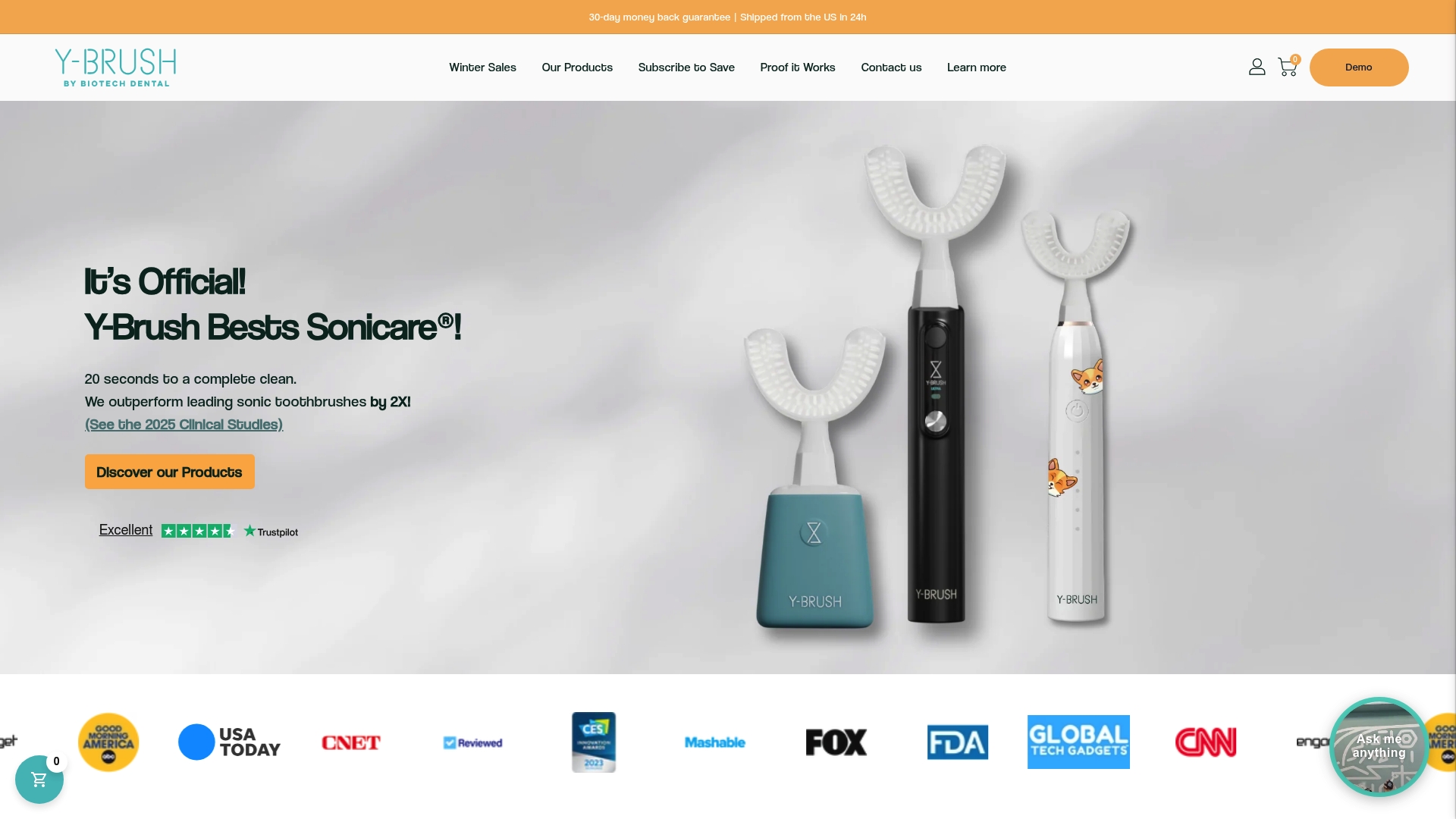
The Core, Pro, and Pro+2 plans include subscription refills for brush heads. This way, restocking happens automatically instead of becoming another task on an already irregular schedule. If you’re managing shift-related stress alongside your routine, resources like MindShift Psychological Center’s guide to burnout can help with the bigger picture. Check Y-Brush’s toothbrush and subscription plans to see which fits your routine.
FAQ
What is the best toothpaste for night shift workers?
Fluoride toothpaste is the standard recommendation for every adult, including night shift workers, since fluoride is what actively protects enamel against decay. There’s no special “night shift” formula; what matters more is brushing it on twice daily, timed around your longest sleep period rather than the clock.
How can I prevent cavities while working irregular hours?
Brush twice daily with fluoride toothpaste, floss once daily, and use sugar-free xylitol gum after meals when a full brushing session isn’t possible, since xylitol gum used for 10 to 20 minutes after eating can reduce cavity-causing bacteria. Anchoring these habits to your sleep and wake times instead of trying to match a fixed daytime schedule makes them easier to keep.
Does working night shifts actually increase cavity risk?
Yes. Research has found that night-shift workers show lower salivary flow and higher rates of tooth decay compared with people on standard daytime schedules, likely tied to circadian changes in saliva production combined with disrupted eating and sleeping patterns.
How often should shift workers see a dentist?
Most adults should have at least one dental exam annually, with many dental teams recommending cleanings every six months. Shift workers dealing with dry mouth or inconsistent brushing may benefit from more frequent visits, which is worth discussing directly with a dentist.
Can chewing gum replace brushing during a shift?
No, chewing gum is a helpful stopgap, not a substitute for brushing. Sugar-free xylitol gum after meals can stimulate saliva and reduce bacteria levels, but it doesn’t remove plaque the way a toothbrush and floss do.
Sources
- Oral Hygiene | National Institute of Dental and Craniofacial Research
- Chewing gum | American Dental Association
- Circadian rhythm correlation with saliva, blood glucose, and dental caries in night shift workers (PMC article)


