


Calcium is the primary structural mineral that forms tooth enamel, dentin, and the jawbone that anchors your teeth in place. Without adequate calcium, teeth develop weaker enamel, become more vulnerable to decay, and the bone supporting them loses density over time.
- Calcium builds enamel and dentin during tooth formation, a process that begins before birth and continues through adolescence.
- It maintains the alveolar bone that holds each tooth in its socket.
- Combined with saliva and fluoride, calcium supports surface remineralization, the natural repair process that partially reverses early mineral loss.
Key Takeaways
Calcium builds and helps protect tooth enamel and the alveolar bone that anchors teeth, but it works best when paired with vitamin D, fluoride, and consistent plaque removal.
| Point | Details |
|---|---|
| Calcium forms tooth structure | Enamel is ~95% hydroxyapatite; dentin is ~70%; both depend on calcium throughout development. |
| Enamel cannot regrow | Surface remineralization is possible, but lost enamel structure cannot be restored by diet or supplements alone. |
| Match intake to your age group | Most adults need 1,000–1,200 mg/day; teens need 1,300 mg/day per NIH/ODS recommendations. |
| Pair calcium with vitamin D and fluoride | Vitamin D drives absorption; fluoride strengthens the mineral against acid attack. |
| Y-brush supports daily plaque control | Removing plaque twice daily lets saliva and fluoride reach the enamel surface where remineralization happens. |
Table of Contents
- How calcium is built into your teeth: enamel, dentin, and hydroxyapatite
- The ongoing mineral balance: demineralization and remineralization
- Best dietary sources of calcium for strong teeth
- How much calcium do you need each day?
- What calcium deficiency does to your teeth
- How to protect and support tooth mineral every day
- Why plaque removal is essential for calcium to do its job
- The case for pairing good nutrition with good brushing habits
- Cleaner teeth in less time, every day
- Sources
How calcium is built into your teeth: enamel, dentin, and hydroxyapatite
Teeth are not uniform solids. They are layered structures, each with a distinct mineral composition, and calcium is the backbone of every layer.
Enamel, the outermost surface, is roughly 95% mineral by weight, making it the hardest tissue in the human body. That mineral is almost entirely hydroxyapatite, a crystalline calcium phosphate compound with the formula Ca₁₀(PO₄)₆(OH)₂. Beneath enamel sits dentin, which is about 70% mineral (also hydroxyapatite) and 30% organic protein, primarily collagen. Dentin is softer than enamel but still calcium-dependent for its rigidity. Deeper still, the cementum covering tooth roots and the alveolar bone of the jaw are also hydroxyapatite-based tissues that rely on sustained calcium availability.
The formation of enamel and dentin, a process called odontogenesis, begins in the embryonic stage and continues through childhood. Primary teeth start mineralizing around the fourth month of fetal development; permanent molars complete their enamel formation in early adolescence. This timing matters because calcium deficiency or disruption during these windows can permanently compromise enamel thickness and density. Once enamel matures, it does not remodel the way bone does, so the quality laid down during development is largely fixed.
Tooth layers from surface to center: Enamel (95% hydroxyapatite, hardest layer) → Dentin (70% hydroxyapatite + collagen) → Pulp (nerves and blood vessels) → Cementum (root covering) → Alveolar bone (jaw support)
The ongoing mineral balance: demineralization and remineralization
Your teeth are in constant mineral flux. Net mineral loss over time is what produces cavities; net mineral gain is what keeps enamel intact.
What drives demineralization:
- Dietary sugars feed Streptococcus mutans and other acid-producing bacteria in plaque.
- Bacterial acids drop the pH at the tooth surface below the critical threshold.
- Acidic foods and drinks (citrus, soda, sports drinks) add direct acid exposure.
- Dry mouth reduces saliva’s buffering capacity.
What drives remineralization:
- Saliva delivers calcium and phosphate ions back to the tooth surface.
- Fluoride from toothpaste or professional treatment incorporates into hydroxyapatite, making it more acid-resistant.
- Time between acid exposures allows pH to recover and mineral redeposition to occur.
Critical pH threshold: According to StatPearls via NCBI, acids produced by oral bacteria, including Streptococcus mutans, dissolve calcium and phosphorus from enamel, and saliva-driven remineralization requires the surface pH to rise above approximately 5.5. Below that threshold, mineral loss outpaces repair.
Pro Tip: After consuming acidic foods or drinks, wait at least 30 minutes before brushing. Brushing immediately after acid exposure can accelerate enamel wear because the surface is temporarily softened. Rinse with water first to help neutralize the pH.
Best dietary sources of calcium for strong teeth
You can meet your calcium needs from both dairy and non-dairy foods, and fortified options make it practical for people who avoid dairy entirely.
Bioavailability varies by food. Dairy calcium is well absorbed, typically around 30%. Calcium in some plant foods, particularly spinach and beet greens, is bound by oxalates that sharply reduce absorption. Kale, bok choy, and broccoli have lower oxalate levels and deliver calcium more efficiently. Phytates in whole grains can also limit absorption, though soaking or fermenting grains reduces this effect. Pairing calcium-rich foods with vitamin D sources at the same meal improves uptake.

Values are approximate. For precise, validated figures by brand and preparation method, use USDA FoodData Central.
For non-dairy diets, fortified plant milks, calcium-set tofu, canned fish with bones, and low-oxalate leafy greens are the most reliable sources. The best foods for healthy teeth often overlap with the highest-calcium options, which is worth keeping in mind when planning meals.
How much calcium do you need each day?
Most adults need 1,000–1,200 mg of calcium per day, according to NIH Office of Dietary Supplements guidance. Needs shift significantly across life stages, with teens and older adults requiring more.
AI = Adequate Intake; RDA = Recommended Dietary Allowance. Check NIH/ODS for the most current values.
Vitamin D’s role in making calcium work
Calcium intake alone is not enough. Vitamin D is required for the intestinal absorption of calcium; without sufficient vitamin D, the body absorbs only a fraction of what you consume. The NIH/ODS professional factsheet details how absorption efficiency drops sharply when vitamin D status is low, and notes that clinicians often evaluate both nutrients together.
Practical ways to support vitamin D: brief daily sun exposure (10–20 minutes on skin, without sunscreen, when UV index allows), fatty fish, egg yolks, and fortified foods. A clinician can test your serum 25(OH)D level and recommend a supplement dose if needed.
What calcium deficiency does to your teeth
Insufficient calcium or poor absorption increases the risk of weaker enamel during development and lower alveolar bone density in adults. The body prioritizes serum calcium for cardiac and nerve function, drawing from bone stores when dietary intake falls short, and the jaw is not exempt from that process.
Clinical signs linked to inadequate calcium status:
- Delayed tooth eruption in children
- Enamel hypoplasia (thin, pitted, or grooved enamel visible on tooth surfaces)
- Higher cavity rates, particularly in children with developmental enamel defects
- Increased tooth sensitivity
- Tooth mobility in adults, often tied to reduced alveolar bone density
- Tooth loss in severe or prolonged cases
Observational data from NHANES (2009–2014) found that participants in the highest serum calcium quartile had an 18% lower adjusted risk of periodontitis compared to the lowest quartile (OR = 0.82; 95% CI: 0.71–0.95). This is an association, not proof of causation, and factors like diet quality and vitamin D status likely contribute.
When to see a clinician: Visible enamel defects, loose teeth, or bleeding gums that persist warrant a dental or medical evaluation. Dietary changes alone are not a substitute for professional care when active disease is present.
How to protect and support tooth mineral every day
Full enamel regrowth is not possible once enamel has matured, but surface remineralization and alveolar bone support are achievable with consistent, combined measures.
- Optimize dietary calcium and vitamin D. Aim for your age-appropriate RDA through food first. Pair calcium-rich meals with a vitamin D source.
- Use fluoride toothpaste twice daily. Fluoride incorporates into hydroxyapatite and lowers the pH at which demineralization occurs, making enamel more resistant to acid. Learn more about remineralizing toothpaste and how mineral-active formulas work.
- Reduce the frequency of sugar and acid exposures. Sipping soda throughout the day is more damaging than drinking it with a meal, because each exposure restarts the acid cycle.
- Stimulate saliva between meals. Chewing xylitol gum after meals raises salivary flow and pH, supporting remineralization. Xylitol also inhibits S. mutans adhesion.
- Time your brushing correctly. Brush before bed and after breakfast. After acidic foods, wait 30 minutes, then brush.
- Consider supplements only when diet is insufficient. If food sources cannot meet your RDA, calcium carbonate (taken with food) or calcium citrate (taken any time) are the most common forms. Split doses: the body absorbs calcium more efficiently in amounts of 500 mg or less at one time, per NIH/ODS guidance. Do not exceed the Tolerable Upper Intake Level (2,000–2,500 mg/day for adults, depending on age) without medical supervision, as excess supplemental calcium carries risks including kidney stones.
Pro Tip: If you use a calcium supplement, take it at a different time than an iron supplement or thyroid medication. Calcium can interfere with absorption of both. Spacing them by at least two hours preserves the effectiveness of each.
When to see a dentist vs. when dietary steps suffice: Active decay, pain, or visible enamel breakdown requires professional treatment. Dietary and hygiene improvements support prevention and early remineralization, but they do not reverse established cavities.
Why plaque removal is essential for calcium to do its job
Even a well-optimized calcium intake cannot protect teeth if plaque remains on the surface. Plaque is a bacterial biofilm that creates a low-pH microenvironment directly against the enamel, blocking saliva from reaching the surface and keeping conditions acidic long after a meal ends. Saliva cannot remineralize what it cannot contact.
Brushing twice daily disrupts this biofilm before it matures and hardens into tartar, which only a professional cleaning can remove. The mechanics of plaque removal matter as much as frequency: angling the brush toward the gumline and covering all surfaces ensures the biofilm is actually disrupted, not just grazed.
Pro Tip: Consistency beats perfection. A thorough clean every day outperforms an occasional deep scrub. If time is the barrier, a sonic toothbrush with full-arch coverage can deliver a complete clean in far less time than a manual brush, making it easier to maintain the daily habit that actually protects enamel.
The case for pairing good nutrition with good brushing habits
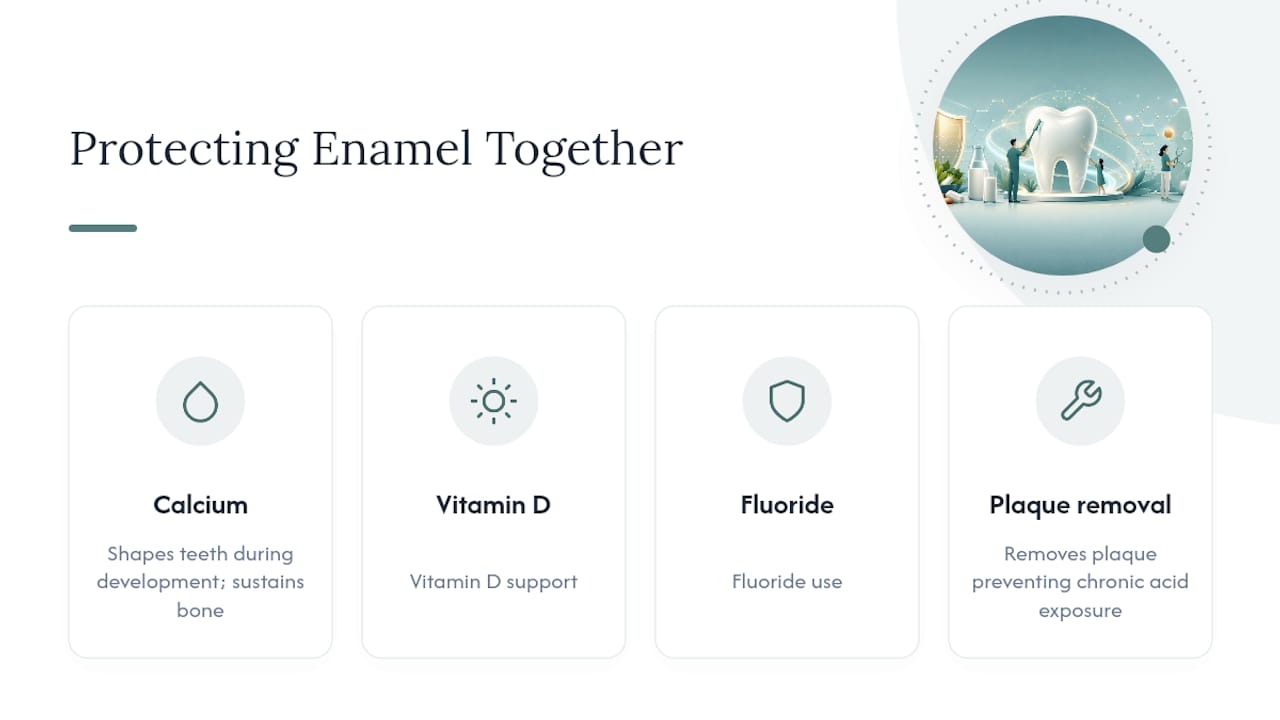
The science here is clear and, honestly, underappreciated in everyday oral care conversations. Calcium is not a supplement you take to fix a cavity. It is a foundational mineral that shapes teeth during development and sustains the bone that holds them in place for life. The window to build strong enamel is childhood and adolescence; after that, the goal shifts to protecting what exists. That means consistent dietary adequacy, vitamin D support, fluoride use, and, critically, removing the plaque that would otherwise keep tooth surfaces in a state of chronic acid exposure. Nutrition and mechanical hygiene are not competing strategies. They are the same strategy, working at different scales.
Cleaner teeth in less time, every day
Protecting tooth mineral starts with what you eat, but it is completed by how well you clean. Y-brush was built for exactly this reality: most people brush for under a minute, which leaves plaque on surfaces where acid damage accumulates. The Y-brush Essential Sonic Toothbrush delivers a full-arch clean in 20 seconds using a patented Y-shaped brush head and sonic vibrations, making it practical to brush thoroughly even on the busiest mornings.
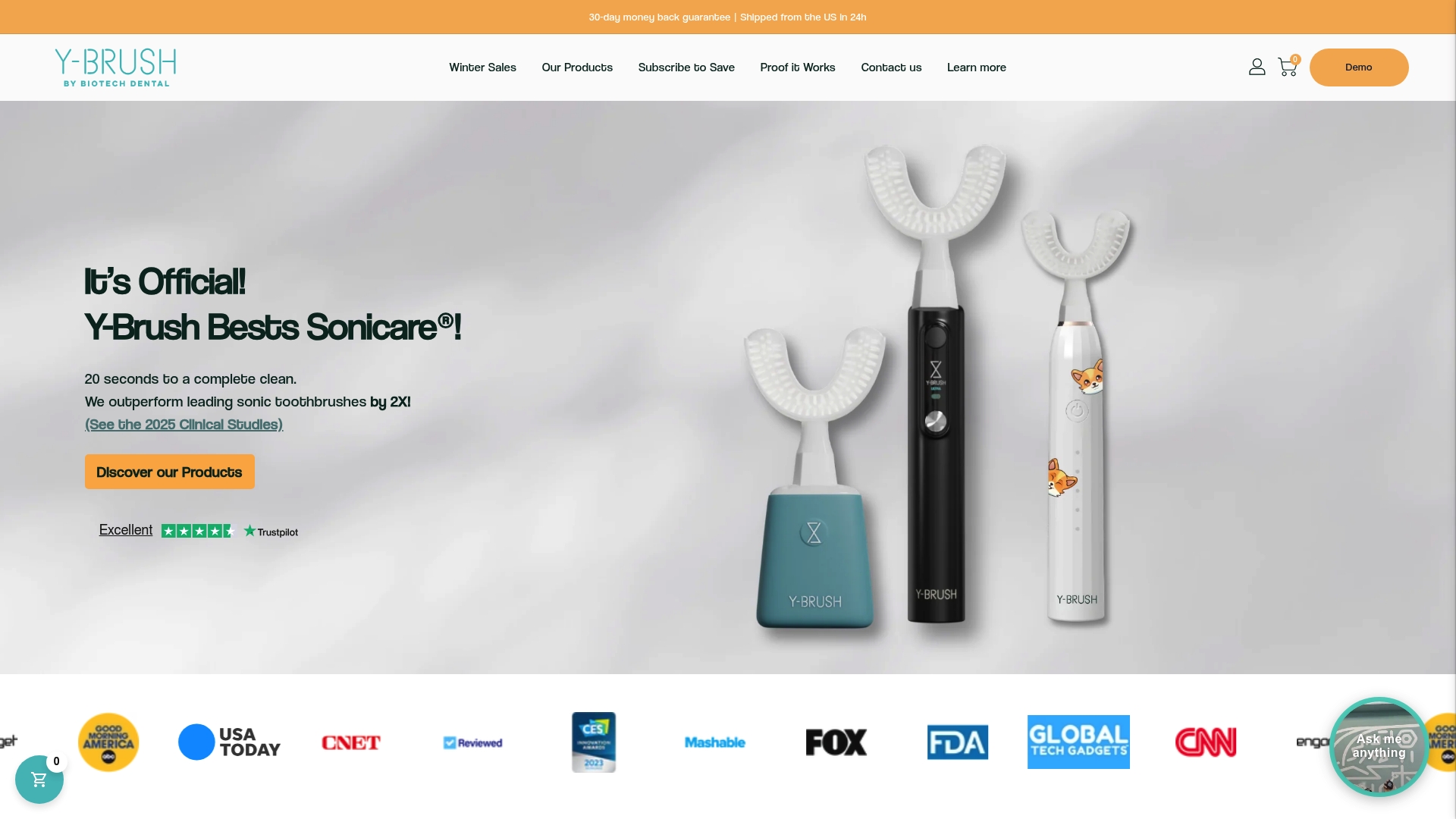
Y-brush also offers a KidsBrush Sonic Electric Toothbrush for children ages 4–12, supporting the plaque control that matters most during the years when enamel is still forming. Y-brush sells electric toothbrushes and subscription brush-head plans directly at Y-brush. If consistent, effective brushing is the missing piece in your oral health routine, that is the place to start.
Sources
- Physiology, Tooth - StatPearls - NCBI Bookshelf
- Ods
- Frontiers | Association of serum calcium level with periodontitis: a cross-sectional study from NHANES 2009–2014
- 7 Non-Dairy, Calcium-Rich Foods for Your Teeth - MouthHealthy


