


TL;DR:
- Dental plaque is a colorless biofilm that forms quickly on teeth and can cause cavities and gum disease.
- Regular mechanical removal through brushing, flossing, and professional cleanings prevents plaque from mineralizing into tartar.
- Using combined oral hygiene tools consistently is essential for effective plaque control and overall oral health.
Dental plaque is one of oral health’s most deceptive threats. It’s sticky, colorless, and constant, forming on your teeth even as you read this sentence. Most people assume that if their mouth feels clean, they’re safe. They’re often wrong. Plaque builds silently, fueling cavities, gum disease, and worse, without any obvious warning until the damage is already underway. Understanding what plaque is, how fast it forms, and how to remove it efficiently isn’t just good dental hygiene. It’s the foundation of a truly healthy mouth. This guide gives you everything you need to manage it effectively.
Table of Contents
- What is dental plaque? The basics explained
- How plaque harms your teeth and gums
- Effective and efficient ways to remove dental plaque
- Plaque risk factors and special considerations
- Combining methods: A smarter approach to plaque control
- Our take: What most people miss about dental plaque
- Smart tools to simplify your fight against plaque
- Frequently asked questions
Key Takeaways
| Point | Details |
|---|---|
| Plaque forms fast | Dental plaque can develop within minutes and become harmful within days, even if you don’t see it. |
| Consistent daily removal is crucial | Brushing and flossing daily remove most plaque and prevent serious oral health problems. |
| Combine methods for best results | Mechanical cleaning, chemical aids, and a healthy diet provide comprehensive protection. |
| Special risk factors exist | Certain conditions like dry mouth, sugar-rich diets, and older age require adjusted care routines. |
| Tech can help save time | Using electric toothbrushes and adaptive tools can simplify consistent plaque control. |
What is dental plaque? The basics explained
Plaque is more than just “the stuff your dentist scrapes off.” Dental plaque is a sticky, colorless biofilm made of bacteria, food particles, and saliva that constantly coats the surfaces of your teeth. It clings to enamel, collects along the gumline, and hides in the grooves between molars. Because it has no color and minimal texture when thin, most people genuinely cannot see it forming.
What makes plaque especially challenging is how fast it develops. Plaque formation moves through distinct stages: a thin protein layer called the pellicle forms within minutes to hours, bacteria then colonize it rapidly, mature plaque develops over days, and if left untouched for 12 or more days, it mineralizes into hardened tartar. Tartar cannot be removed by brushing alone. It requires a professional cleaning.
Here’s a quick breakdown of what plaque is actually made of:
- Bacteria: Hundreds of species, some harmless, others acid-producing and destructive
- Food debris: Especially sugars and refined carbohydrates that feed bacteria
- Saliva proteins: Act as a binding matrix for the biofilm
- Metabolic byproducts: Acids and toxins that directly damage teeth and gums
| Feature | Plaque | Tartar |
|---|---|---|
| Color | Colorless/pale yellow | Yellow or brown |
| Texture | Soft, sticky | Hard, calcified |
| Removal | Brushing and flossing | Professional cleaning only |
| Formation time | Minutes to hours | 12+ days from plaque |
| Location | All tooth surfaces | Gumline and between teeth |
“Plaque is not a sign of poor hygiene in itself. It forms on everyone’s teeth, every day. The real issue is whether you’re removing it consistently enough to prevent harm.”
Understanding the role of plaque removal in your daily routine is the first step toward genuinely protecting your teeth. Daily mechanical disruption of this biofilm is essential, because once tartar sets in, your toothbrush is no longer enough.
How plaque harms your teeth and gums
Plaque doesn’t just sit there. It actively works against your mouth. When bacteria in plaque metabolize sugars, they produce acids that attack tooth enamel. Over time, this acid exposure causes demineralization, the early stage of a cavity. Left unchecked, that becomes a full cavity, and eventually structural damage to the tooth.
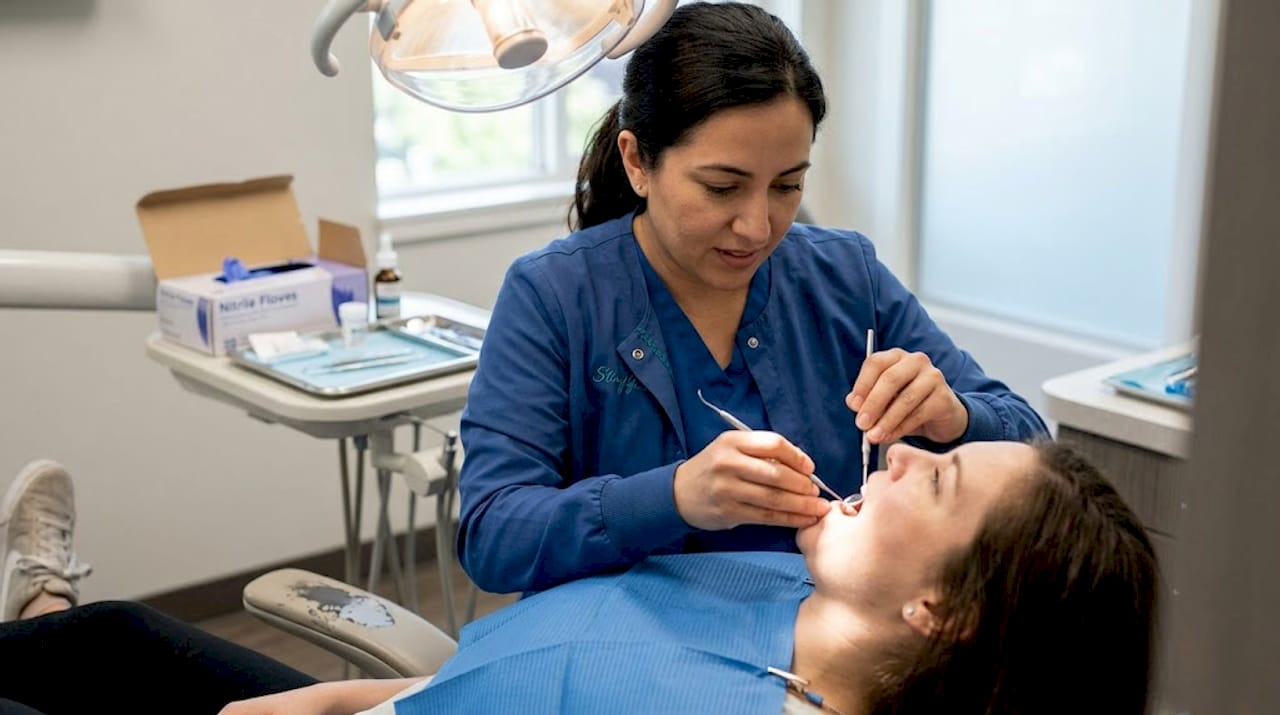
Beyond cavities, the toxins produced by plaque bacteria trigger an inflammatory response in gum tissue. This is how gingivitis starts. 42% of US adults have some degree of gingivitis linked directly to plaque buildup, according to CDC NHANES data. If gingivitis goes untreated, it progresses to periodontitis, a more serious infection that destroys the bone supporting your teeth.
Here’s a clear progression of what untreated plaque can cause:
- Acid erosion: Enamel weakens within 20 minutes of eating when plaque is present
- Cavities: Demineralization deepens into the tooth structure
- Gingivitis: Gum tissue becomes inflamed, red, and prone to bleeding
- Periodontitis: Infection reaches the bone, teeth loosen
- Tooth loss: Advanced disease leaves teeth without structural support
| Stage | Cause | Reversible? |
|---|---|---|
| Enamel erosion | Acid from plaque bacteria | Partially |
| Cavity | Prolonged demineralization | No (requires filling) |
| Gingivitis | Toxin-triggered inflammation | Yes, with treatment |
| Periodontitis | Bone destruction | No (manageable only) |
Stat to know: 42% of US adults have gingivitis, a condition that’s almost entirely preventable with consistent plaque removal.
Research also links severe gum disease to systemic conditions including heart disease and diabetes. Daily plaque removal isn’t just about your teeth. It’s about your body. Following evidence-backed plaque removal steps every day is one of the most effective preventive health habits you can build.
Pro Tip: If your gums bleed when you brush, that’s a sign of inflammation, not brushing too hard. It usually means plaque has been sitting too long at the gumline.
Effective and efficient ways to remove dental plaque
The gold standard for plaque control is still mechanical removal. Brushing twice daily using the Bass method, angling the bristles at 45 degrees toward the gumline, is the most widely recommended technique. The goal is to disrupt the biofilm before it matures. Research confirms that mechanical plaque control via twice-daily brushing, flossing, and interdental aids removes 50 to 70% of plaque overall.
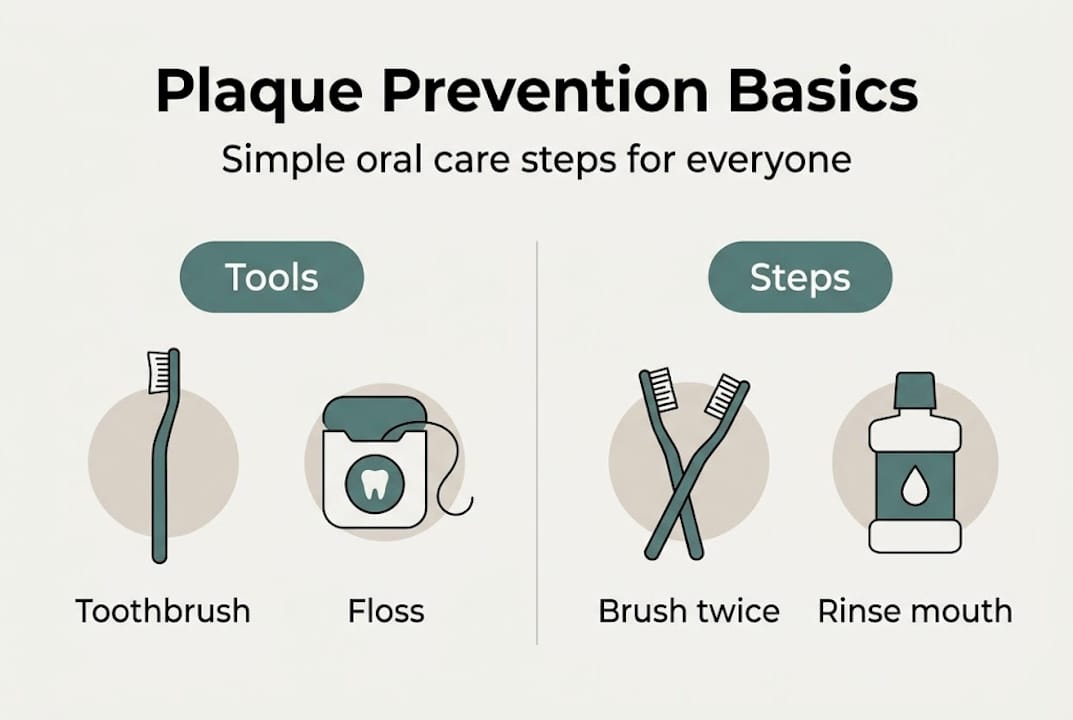
Brushing alone, however, only removes about 50 to 60% of plaque. Adding flossing or interdental brushes boosts that number to over 70%. This gap matters. The spaces between teeth are where plaque hides most effectively and where cavities and gum disease tend to start.
Here are the most effective plaque removal methods you can use at home:
- Toothbrush (manual or electric): Twice daily, two minutes minimum, with proper technique
- Floss or floss picks: Once daily, reaching below the gumline on each tooth
- Interdental brushes: Especially effective for wider gaps or dental work
- Electric toothbrush: Slightly better plaque removal than manual, especially for those with limited dexterity
- Chemical rinses: Chemical plaque control with antiseptic mouthwash (chlorhexidine or cetylpyridinium chloride) can reduce bacterial load, particularly for high-risk individuals
For busy people, efficiency matters. You can remove dental plaque quickly with the right tool and technique combination, even in a compressed morning routine. Want top plaque removal tips that actually fit real life? The most important thing is consistency. A shorter, effective routine done daily beats an occasional thorough clean. For practical strategies, explore efficient oral care approaches that help you stay consistent.
Pro Tip: Set a timer or use a brush with a built-in timer. Most people brush for under one minute, which is not enough to reach all surfaces.
Plaque risk factors and special considerations
Not everyone faces the same plaque risk. Certain conditions and habits dramatically accelerate plaque buildup and its consequences. Knowing your personal risk level helps you build the right routine.
Faster plaque buildup occurs in people with dry mouth (often caused by medications), those who eat high-sugar diets, and in the natural grooves and pits of molars where bristles struggle to reach. Older adults face additional challenges because decreased dexterity can make thorough brushing difficult, requiring adaptive aids like larger-handled brushes or electric options.
Here’s how risk varies across key groups:
- Children: Sugary diets and developing brushing habits make consistent supervision essential
- Older adults: Dexterity loss, dry mouth from medications, and gum recession increase vulnerability
- Orthodontic patients: Brackets and wires create additional plaque traps requiring specialized tools
- Dry mouth sufferers: Saliva normally helps buffer acids and rinse bacteria, so its absence accelerates damage
- High-sugar diet individuals: Feed plaque bacteria directly, increasing acid production and enamel erosion
Emerging research points to zinc toothpaste as a promising adjunct for plaque control, with zinc compounds shown to inhibit bacterial biofilm formation. Dietary choices, particularly reducing fermentable sugars between meals, also play a measurable role in slowing plaque accumulation.
“For families, the approach to plaque control should be personalized. A 7-year-old and a 70-year-old have very different needs, tools, and risk profiles.”
A solid family oral care guide can help you tailor routines for each member of your household, from children learning to brush independently to older adults managing physical limitations.
Combining methods: A smarter approach to plaque control
No single method removes all plaque. That’s not a failure of any one tool. It’s the nature of a complex biofilm living in an equally complex oral environment. The most effective strategy is always a combined one.
Mechanical removal through daily brushing and flossing is foundational. Chemical aids like fluoride toothpaste, antiseptic rinse, and antibacterial gels serve as effective supplements, especially for individuals with elevated risk. Professional cleanings every six months are critical for removing tartar and catching early signs of disease before they escalate.
Here’s how to stack your plaque-fighting strategy:
- Morning and evening: Brush with fluoride toothpaste using correct technique
- Once daily: Floss or use interdental brushes to reach between teeth
- As needed: Use an antiseptic rinse for added bacterial reduction
- Every six months: Schedule a professional cleaning to address tartar
- Daily diet: Reduce sugar between meals and increase water intake to support saliva flow
Pro Tip: Rinse with water immediately after sugary or acidic foods to reduce acid exposure, but wait 30 minutes before brushing to avoid abrading softened enamel.
The benefits of electric toothbrushes are well documented. They outperform manual brushing on most metrics, particularly for reaching the gumline. If you’re weighing your options, a manual vs sonic comparison can help you decide which tool best fits your lifestyle. The bottom line: combining tools consistently outperforms relying on any single method, no matter how advanced.
Our take: What most people miss about dental plaque
Here’s the uncomfortable truth that rarely gets said: most people dramatically underestimate how fast plaque forms and dramatically overestimate how effective their current routine is. They brush once a day for 45 seconds, skip flossing, and assume that because nothing hurts, everything is fine. Pain is a late signal. Damage is already happening long before it becomes noticeable.
The biggest lever in oral health isn’t having the best toothbrush. It’s building a consistent habit you’ll actually keep. Perfection isn’t the goal. Regularity is. A 20-second routine done every day beats a two-minute session done twice a week.
Technology helps, but it’s not a substitute for showing up. We’ve seen the data on automatic vs manual effectiveness, and while advanced tools do make a real difference, they only work if you use them. The most powerful reframe? Stop thinking of plaque control as a chore and start treating it as daily self-care. That mental shift alone leads to better compliance, better technique, and measurably better outcomes over time.
Smart tools to simplify your fight against plaque
Consistent plaque removal is easier when the right tool fits your life. That’s exactly what Y-Brush was built to do.
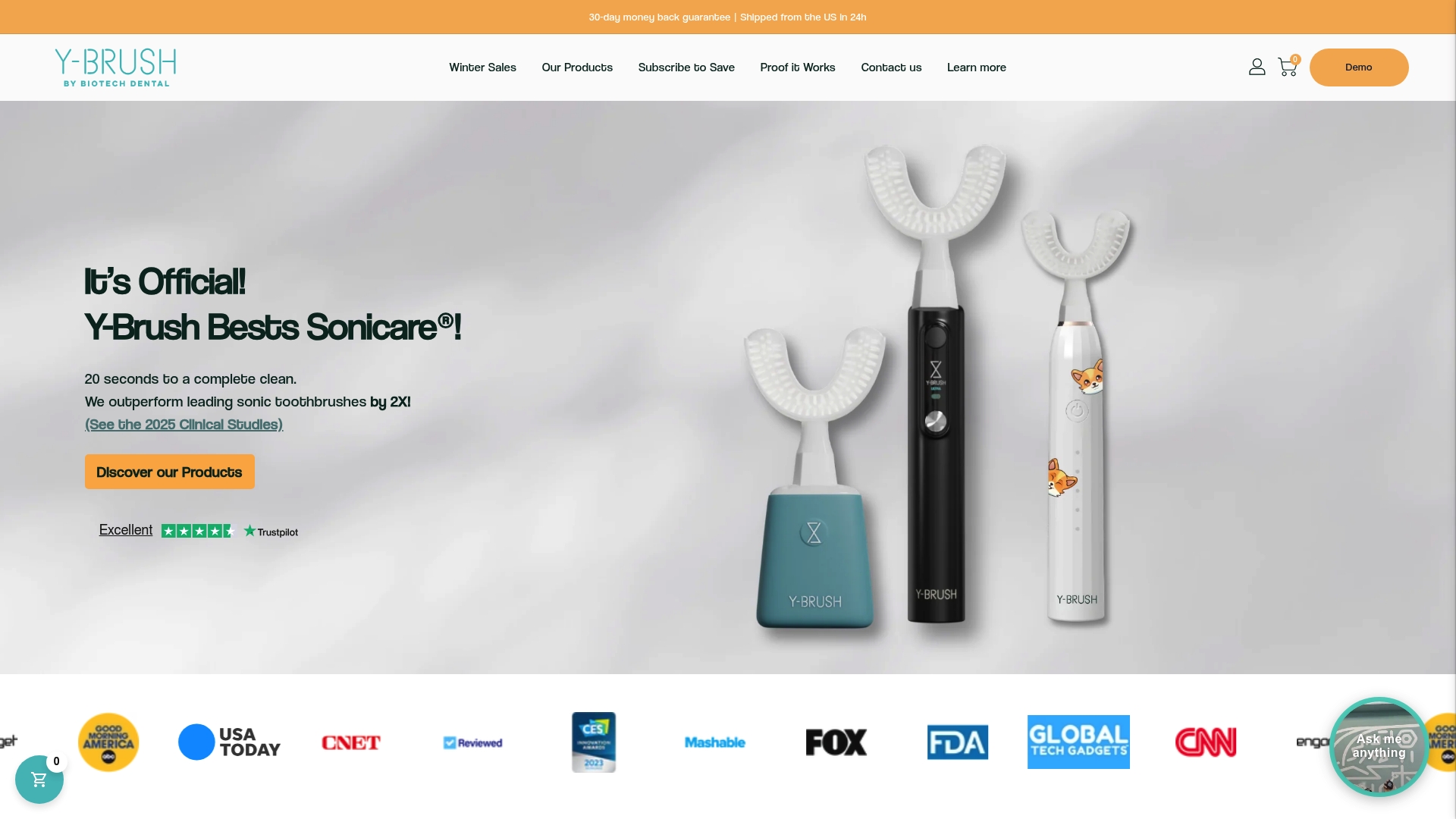
Y-Brush’s essential sonic toothbrush delivers a complete, effective clean in just 20 seconds, removing plaque thoroughly without requiring a two-minute commitment most people skip anyway. For younger users, the Y-Brush KidsBrush makes plaque control accessible and engaging for children ages 4 to 12. Whether your household has one brusher or five, Y-Brush makes it easier to stay consistent, which is ultimately the most important factor in keeping plaque under control.
Frequently asked questions
How quickly does dental plaque form after eating?
Plaque starts forming on teeth within minutes to hours after eating and can mature into a structured biofilm within days if it’s not disrupted by brushing or flossing.
Can mouthwash alone remove dental plaque?
No. Mouthwash alone is not effective at mechanically removing plaque. It can reduce bacterial counts but should always be used alongside brushing and flossing, not as a replacement.
What happens if I don’t remove plaque regularly?
Untreated plaque leads to cavities, gingivitis, and eventually periodontitis. 42% of US adults already have gingivitis, a direct consequence of insufficient plaque removal that can progress to permanent bone loss.
Are electric toothbrushes better at removing plaque?
Yes. Electric toothbrushes remove more plaque than manual brushing, particularly at the gumline. The advantage is most pronounced for people who struggle with technique or consistency using a manual brush.


